 |
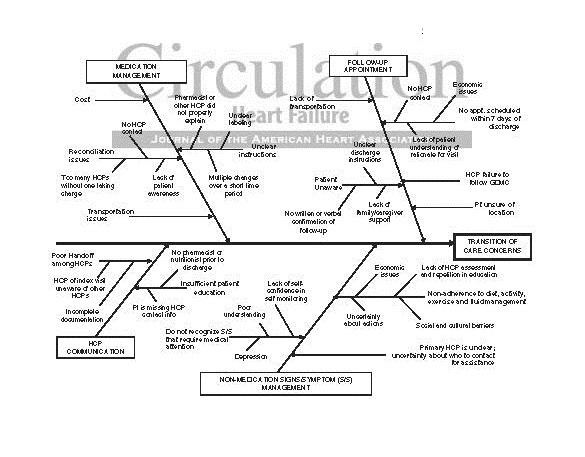
| Transitions of Care in Heart Failure, Circulation Heart Failure, January 2015 |
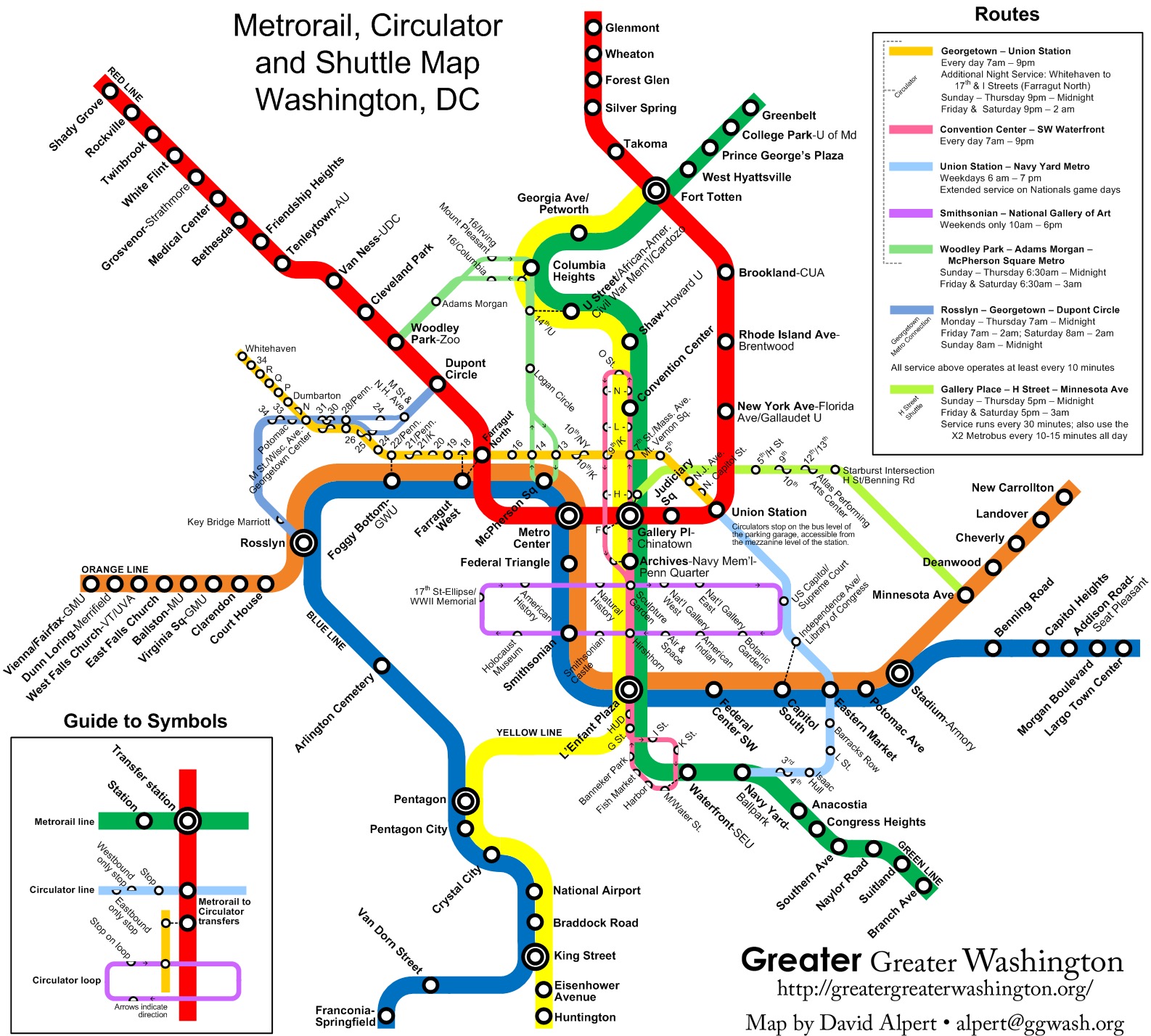 |
| Living in Washington DC Brochure |
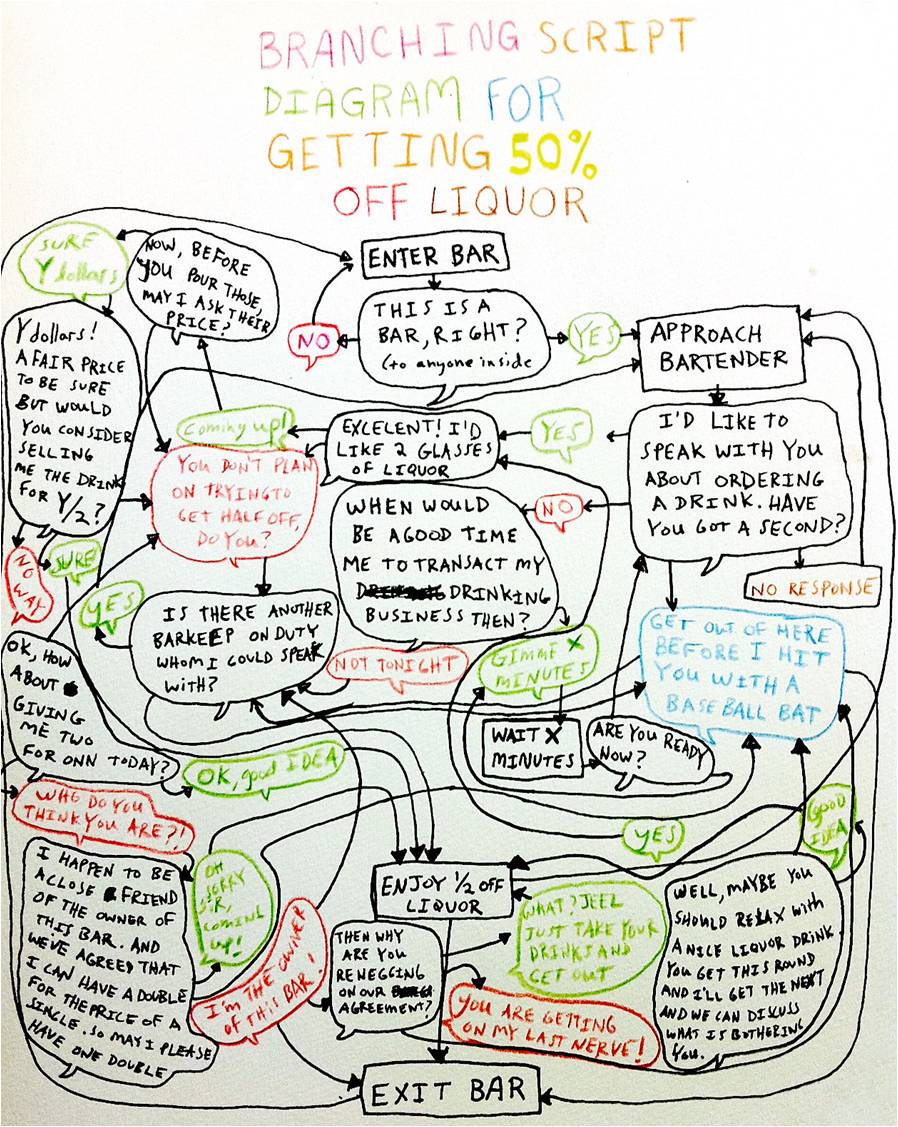 |
| (Getting 50% of Liquor - Courtesy Harringtonandselves.com) |
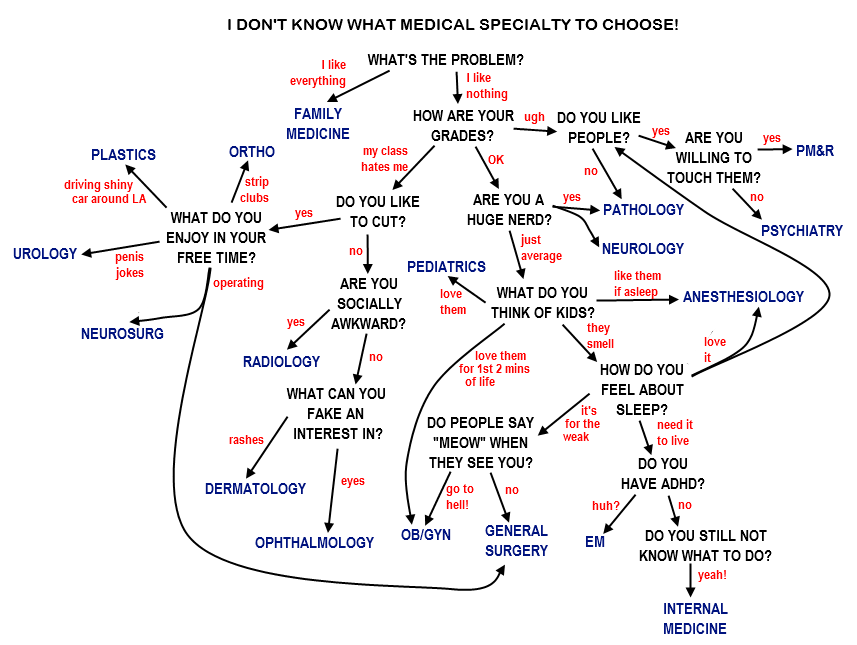 |
| (Choosing a Medical Specialty - Courtesy Surgical Sciences blog) |
-Wes
|
| Transitions of Care in Heart Failure, Circulation Heart Failure, January 2015 |
|
| Living in Washington DC Brochure |
|
| (Getting 50% of Liquor - Courtesy Harringtonandselves.com) |
|
| (Choosing a Medical Specialty - Courtesy Surgical Sciences blog) |
"How are you feeling Ms. Jones?"Exertional dyspnea. It conjures up a large differential of potential cardiovascular or pulmonary causes. And as the above commonly-encountered doctor-patient conversation demonstrates, the problem is a dynamic one: at rest things are often fine, on exertion or with recumbency less so.
"Fine."
"Have you been more short of breath lately?"
"Not really, just when I exercise."
"How much exercise?"
"I dunno. But after I go to the mailbox and walk back up to the house, I’ve got to stop now where before I didn’t."
An FDA advisory panel decided that CardioMEMS failed to prove that its wireless, implantable heart monitor's benefits outweigh its risks, casting a shadow on a potential $375 million acquisition by St. Jude Medical (NYSE:STJ) – which already owns nearly a fifth of CardioMEMS.Recall that this is the same fate that Medtronic's earlier right ventricular hemodynamic pressure monitor, the Chronicle device, suffered in 2007.
The watchdog agency's cardiovascular devices committee decided that a clinical trial of the device, designed to be the first permanent heart implant for a solely diagnostic purpose, was warped by the assiduous care given to its participants. (emphasis mine) That's because the clinicians administering the single-blind trial knew which patients were implanted with the device and made sure they got specialized care.
The panel voted 9-1 that the device is safe, but decided that the trial failed to prove its effectiveness on a 7-3 vote. The committee voted 4-6 that the benefits of the device, which measures pulmonary artery pressure, have been proven to outweigh its risks.
METHODS AND RESULTS: We studied 335 patients with chronic heart failure who had undergone implantation of an implantable cardioverter-defibrillator alone (18%) or with cardiac resynchronization therapy (82%). All devices featured a monitoring tool to track changes in intrathoracic impedance (OptiVol) and other diagnostic parameters. Patients were randomized to have information available to physicians and patients as an audible alert in case of preset threshold crossings (access arm) or not (control arm). The primary end point was a composite of all-cause mortality and heart failure hospitalizations. During 14.9+/-5.4 months, this occurred in 48 patients (29%) in the access arm and in 33 patients (20%) in the control arm (P=0.063; hazard ratio, 1.52; 95% confidence interval, 0.97–2.37). This was due mainly to more heart failure hospitalizations (hazard ratio, 1.79; 95% confidence interval, 1.08–2.95; P < 0.022), whereas the number of deaths was comparable (19 versus 15; P = 0.54). The number of outpatient visits was higher in the access arm (250 versus 84; P < 0.0001), with relatively more signs of heart failure among control patients during outpatient visits. Although the trial was terminated as a result of slow enrollment, a post hoc futility analysis indicated that a positive result would have been unlikely. CONCLUSION: Use of an implantable diagnostic tool to measure intrathoracic impedance with an audible patient alert did not improve outcome and increased heart failure hospitalizations and outpatient visits in heart failure patients.Postulating why this unexpected result was seen, Dr. James E. Udelson in an accompanying editorial suggested several reasons:
In the DOT-HF trial, among the episodes of HF hospitalization, only 60% were preceded by an alert condition, where impedance readings fell below the prespecified threshold indicting risk. In other words, the sensitivity of the impedance alert to predict a HF episode was only modest. This is actually consistent with previous studies, and false-positives seem common, as well.Almost half of the outpatient visits in the treatment group were a result solely of an alert, which may have resulted in a drive to more intervention and possibly hospitalization.
We have to address what is the meaning of death on one of these pumps," said Dr. Valluvan Jeevanandam, chief of cardiac and thoracic surgery at the University of Chicago Medical Center and an investigator for Thoratec's clinical trials.Like pacemakers and ventillators, these devices intervene on the natural course of the dying process and when the quality of life declines sufficiently after their use, it is ethical for patients and family members to request such support be withdrawn.
Roughly 70 percent of patients on the HeartMate II were alive after a year, and nearly 60 percent were alive after two years, according to the latest data.
"It's not hard to imagine a person who has had severe stroke that has impacted both sides of the brain, the kidneys are shutting down, he is on a respirator, but yet the LVAD just keeps churning along," said Martin Smith, a clinical ethicist at the Cleveland Clinic.
Under U.S. law, patients are allowed to ask that implanted devices be turned off. But Dr. Diane Meier, a professor in the department of geriatrics and palliative medicine at the Mount Sinai School of Medicine, said cardiologists are particularly bad at preparing patients for death, especially this kind of death.
"Heart failure, also known as congestive heart failure (CHF), means your heart can't pump enough blood to meet your body's needs."How is someone supposed to know that the blood flow needs from the heart are not met if the patient has no signs or symptoms? Saying it another way, does this mean that everyone with left bundle branch block and no symptoms might actually have heart failure?
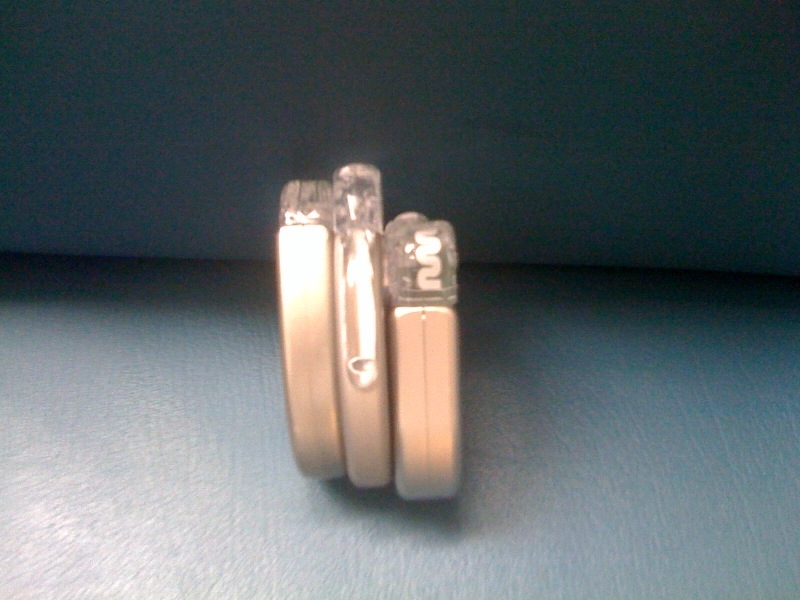
If you needed a new defibrillator and assuming all implantable devices had identicle capabilities, which would you rather have: (1) a wide and thin device (a la the "Cognis 100-D" device of Boston Scientific's), or (2) a thicker and slightly narrower device (sported by Medtronic's Consulta CRT-D and St. Jude's EPIC-HF devices)?Go ahead and place your vote in the comments section.
 The news appeared yesterday, looking surprisingly like the company's press release: A new pressure sensor (CardioMEMS, Atlanta, GA) using the same technology as found in RFID sensors, reported favorable preliminary data after six months that suggested measuring pulmonary artery pressures can help prevent heart failure hospitalizations.
Next week, I'll check into Mayo, one of the world's premier hospitals, to undergo additional treatment in preparation for receiving a new heart. Since my brain tumor turned out to be benign and my prostate cancer has responded to treatment, doctors there said those issues no longer should disqualify me as a candidate for a heart transplant.With the competetion for patients underway as the large health care system land-grab extends across state lines and overseas (See here and here), have the selection criteria for transplant patients remained a form of rationing or really become a form of marketing?
Now that I'm on the list, I am on an around-the-clock standby alert. I have to be ready to be on the operating table within four hours once a compatible heart becomes available. The fact that Chicago is 331 miles from Mayo, in Rochester, Minn., complicates things since I don't have my own charter jet. But the Mayo Med Air charter service could assist me if a commercial flight can't get me there quickly enough.
The challenge now is the wait. The heart I need will become available only when the donor is declared brain-dead and his heart can be taken from him and implanted in me within four hours. I am told the fact my blood type is B positive increases the chances of me getting a transplant quicker, though there are other patients ahead of me.
I had wanted it all to happen at the University of Chicago Medical Center, where world-renowned Dr. Valluvan Jeevanandam, who performed a triple-bypass on me in 2001, has done more than 1,000 transplants. But that hospital takes a more conservative approach to the fact my prostate cancer still is in remission. They wouldn't put me on the transplant list until I had been using an implanted heart pump ''for several years.''
Fortunately, the Mayo Clinic and Northwestern Memorial Hospital feel I have progressed enough in my recovery from the slow-growing prostate cancer to be eligible for a heart now.
Boston Scientific Corporation (NYSE: BSX) and the University of Rochester Medical Center today announced that the landmark MADIT-CRT trial has met its primary endpoint. Preliminary results show Boston Scientific cardiac resynchronization therapy defibrillators (CRT-Ds) to be associated with a significant 29 percent reduction (p=0.003) in death or heart failure interventions when compared to traditional implantable cardioverter defibrillators (ICDs). High risk(1), asymptomatic or mildly symptomatic, New York Heart Association (NYHA) Class I and II(2) patients were enrolled in MADIT-CRT. The MADIT-CRT Executive Committee expects to present and publish the trial's full results later this year.The MADIT-CRT trial was designed to determine if combined implantable cardiac defibrillator (ICD)-cardiac resynchronization therapy (CRT-D) would reduce the risk of mortality and heart failure (HF) events by approximately 25%, in subjects who were in New York Heart Association (NYHA) functional Class II with non-ischemic or ischemic cardiomyopathy and subjects who are in NYHA functional Class I with ischemic cardiomyopathy, left ventricular dysfunction (ejection fraction [EF] < or = 0.30), and prolonged intraventricular conduction (QRS duration > or = 130 ms). 60% of patients were randomized to CRT-D and 40% to ICD only.
MADIT-CRT, sponsored exclusively by Boston Scientific, demonstrates that early intervention with cardiac resynchronization therapy can slow the progression of heart failure. It is the world's largest randomized NYHA Class I/II CRT-D trial, with more than 1,800 patients enrolled at 110 centers in 14 countries. The trial is being conducted under the leadership of Principal Investigator Arthur J. Moss, M.D., Professor of Medicine at the University of Rochester Medical Center.
Can you venture any guess why so many organizations want to make sure we know how to treat heart failure? I wonder what it costs to create all these specialty societies and who funds their existence. Do all funds come from their members? Or might the pharmaceutical and device industries be supporting a significant portion of one or more of these societies?
Former Polish President and Nobel Peace Prize winner Lech Walesa is scheduled to be fitted with a pacemaker at a Houston hospital today, a day after tests left doctors hopeful he won't need a heart transplant anytime soon.My bet is he won't receive just a pacemaker, but a biventricular implantable cardiac defibrillator in hopes that he'll gain benefit in his left ventricular function and shortness of breath. Data from the MIRACLE trial using biventricular pacing for severe heart failure in patients with markedly reduced ejection fractions and widened QRS complexes demonstrated symptomatic improvement in about 66% of patients. The CARE-HF trial also demonstrated a mortality benefit with biventricular pacing alone, while the COMPANION trial demonstrated superior mortality benefit to biventricular pacing coupled with a defibrillator when compared to beventricular pacing or drug therapies alone.
Walesa, 64, underwent tests at The Methodist Hospital on Tuesday for advanced heart failure. He traveled to Houston from Mexico, suffering from shortness of breath and fatigue that had caused some doctors to suggest he might need a transplant.
"The struggle with communism took a lot out of my health," said Walesa, speaking through a translator. "But to be part of the discussion regarding remaining questions, I need to be healthy."
Walesa also has significant lung disease, Methodist doctors said.
They didn't rule out that Walesa might eventually need a heart transplant but said such a scenario isn't on the horizon now. Emphasizing that they think Walesa's heart can be strengthened, they said most patients who get a pacemaker don't go on to need a transplant. Only if his heart worsens will they evaluate whether he needs a new heart, they said.
The doctors said they hope Walesa can be discharged from Methodist early next week.

