This morning, a nice article in the Boston Globe appeared on Boston Scientific's subcutaneous implantable cardiac defibrillator (S-ICD) that recently received FDA approval. It was a fairly balanced article, one that touched ever-so-briefly on the pros and cons of a subcutaneous device to treat life-threatening cardiac arrhythmias using a medical device that does not require an internal wire inside the heart, but rather a sensing and shocking lead that is tunneled accross the chest under the skin (see my prior post on the details here).
But what I found most interesting in the article was the patient who was recommended for the device: a dialysis patient, was a patient who was specifically excluded from the FDA trials to approve the device (specifically, patients with GFR < 29 were excluded).
If you are a company that wants to get a device approved by the FDA, you want the best chances of having the fewest complications possible with new gadgets in medicine. Because sick dialysis patients have a way of having more complications with device implants, and the device companies know this, they are not included in trials to get a device approved.
Those of us who deal with ICDs in dialysis patients recognize the problems when ICD leads and dialysis catheters co-exist in the same vascular tree: the odds of infecting the ICD lead system is extraordinarily high. In fact, the overall mortality advantage of ICDs in dialysis patients is much less than patients not on dialysis. For this clinical circumstance, subcutaneous ICDs would seem to clearly be the better choice.
But dialysis patients are beset by another problem: challenges with potassium level regulation. Periods of hyperkalemia are quite common in dialysis patients and hyperkalemia commonly causes severe bradycardia. In these patients, pacing could maintain a patient's heart rate until their dialysis could be adjusted to lower their potassium and thereby improve their cardiac function. Subcutaneous ICDs do not have pacing capabilities, however.
So the reality of the effectiveness of the subcutaneous ICD to prolong life is uncertain in dialysis patients. This theory has never been tested - we just tend to think it makes intuitive sense to apply a new technology when other medical device choices are not perfect either.
The subcutaneous ICD FDA approval process is a good example of how clinical dogma spreads amongst doctors and patients without any proof of a device's effectiveness in some subselected patient populations. A new technology is approved by the FDA and receives a governmental stamp of approval. Doctors, then, serve as well-meaning spokespersons. The media gushes over the latest and greatest technology. And sales explode...
... all while some patients in whom the device is deployed doesn't realize the safety and efficancy of that device was never tested in their particular clinical circumstance.
We should remember that exclusion criteria in FDA clinical trials are important. They tell us who might and who might not benefit from a new technology. Too often we forget this.
And so does the FDA.
-Wes
Showing posts with label Boston Scientific. Show all posts
Showing posts with label Boston Scientific. Show all posts
Tuesday, November 27, 2012


Sunday, September 19, 2010
Re-Learning Heart Failure Semantics
Thursday, Boston Scientific received word from the FDA, that three of their implantable cardiac defibrillators capable of cardiac resynchronization therapy (CRT-D), or biventricular pacing, have been approved for use in patients with "left bundle branch block who have either mild heart failure or heart failure with no apparent symptoms."
This is an interesting discovery - people can have heart failure without symptoms!
This, of course, flies in the face of most of the definitions of heart failure. Take, for instance, this definition from Mayo Clinic:
*Sigh*
The lines of classifying the severity of heart failure have never been clear, despite what our medical coders and researchers would like us to believe.
In reality, in the upstream push to prevent heart failure, MADIT-CRT (the study the FDA cited to reach its approval of Boston Scientific's CRT and CRT-D devices) has demonstrated that intervening BEFORE symptoms occur in patients with weak heart muscles and left bundle branch block can improve mortality and reduce hospitalizations for heart failure. This a good thing.
But what we also have learned is that patient symptoms are immaterial for device implantation any longer in patients with weak heart muscles (EF <= 30%) and left bundle branch block (with QRS width of 130 msec or more) on their EKG. As such, classic symptoms of "heart failure" like shortness of breath, swollen legs, and the like, are also immaterial to qualify for a cardiac resynchronization device.
This makes me wonder if we should still be calling CRT devices "heart failure" devices or rather, "heart preserving" devices.
For now, they'll have to stay "heart failure" devices, despite all of the negative connotations. For whoa to the doctor that forgets to give the diagnosis of at least "Congestive heart failure, NYHA Class I" (or, "congestive heart failure without symptoms") when they ask, pretty please, for permission to implant one of these devices from our insurers in our new era of cardiovascularguidelines mandates.
Such are the billing and coding games we must continue to play.
-Wes
Reference: The NEJM publication of MADIT-CRT.
This is an interesting discovery - people can have heart failure without symptoms!
This, of course, flies in the face of most of the definitions of heart failure. Take, for instance, this definition from Mayo Clinic:
"Heart failure, also known as congestive heart failure (CHF), means your heart can't pump enough blood to meet your body's needs."How is someone supposed to know that the blood flow needs from the heart are not met if the patient has no signs or symptoms? Saying it another way, does this mean that everyone with left bundle branch block and no symptoms might actually have heart failure?
*Sigh*
The lines of classifying the severity of heart failure have never been clear, despite what our medical coders and researchers would like us to believe.
In reality, in the upstream push to prevent heart failure, MADIT-CRT (the study the FDA cited to reach its approval of Boston Scientific's CRT and CRT-D devices) has demonstrated that intervening BEFORE symptoms occur in patients with weak heart muscles and left bundle branch block can improve mortality and reduce hospitalizations for heart failure. This a good thing.
But what we also have learned is that patient symptoms are immaterial for device implantation any longer in patients with weak heart muscles (EF <= 30%) and left bundle branch block (with QRS width of 130 msec or more) on their EKG. As such, classic symptoms of "heart failure" like shortness of breath, swollen legs, and the like, are also immaterial to qualify for a cardiac resynchronization device.
This makes me wonder if we should still be calling CRT devices "heart failure" devices or rather, "heart preserving" devices.
For now, they'll have to stay "heart failure" devices, despite all of the negative connotations. For whoa to the doctor that forgets to give the diagnosis of at least "Congestive heart failure, NYHA Class I" (or, "congestive heart failure without symptoms") when they ask, pretty please, for permission to implant one of these devices from our insurers in our new era of cardiovascular
Such are the billing and coding games we must continue to play.
-Wes
Reference: The NEJM publication of MADIT-CRT.
Thursday, July 22, 2010
Yet Another Boston Scientific Defibrillator Advisory
With their stock struggling to survive, the latest Boston Scientific defibrillator advisory could not come at a worse time:
-Wes
Addendum:
08:20AM 23 Jul 2010: The Boston Scientific 'Dear Doctor' letter (pdf) regarding the advisory.
Boston Scientific Corp. warned physicians that three of its implantable defibrillators have a defect that can prevent them from working properly, in the latest problem for the company's heart devices.The original physician communication, dated today, can be found in pdf format here.
A magnetic switch on the implantable cardiac defibrillators can get stuck, stopping the devices from delivering an electric shock to the hearts of patients who need the therapy, the company said in a letter to doctors.
The Contak Renewal 3, Contak Renewal 4 and Vitality HE ICDs were made in 2006 and 2007, and about 34,000 remain implanted in patients, according to the Natick, Mass., company, which said on Thursday that it had issued the advisory.
It is unclear how Boston Scientific learned about the problem, and why it issued the advisory now. A company spokeswoman didn't immediately respond to requests for comment.
Boston Scientific said in its product advisory that the risk of harm was remote, and it hasn't received any reports of deaths or injuries. Doctors have replaced some of the devices, according to the advisory, but the company recommends against it.
-Wes
Addendum:
08:20AM 23 Jul 2010: The Boston Scientific 'Dear Doctor' letter (pdf) regarding the advisory.
Monday, March 15, 2010
Boston Scientific Issues New ICD Advisory and Halts Sales of All ICDs
Despite the excitement of the American College of Cardiology meeting in Atlanta, Boston Scientific issued a self-reported advisory about all of their high-voltage defibrillators (pacers are not affected) stopping sales until "administrative issues" regarding a change in manufacturing processes and changes of their IS-4 lead connector. This advisory does NOT affect existing implanted devices, but rather halts the sales of further devices:
-Wes
The Company has determined that some manufacturing process changes were not submitted for approval to the U.S. Food and Drug Administration (FDA). At this time, the company has identified two instances of changes that, while successfully validated, were not submitted to the FDA. Boston Scientific has informed the FDA and plans to work closely with the agency to resolve this situation as soon as possible.But the interesting part of this news is who knew first. According to theheart.org:
The Company has no indication that the manufacturing process changes pose any risk to patient safety, and it is not recommending explantation of the devices.
Product families included in this advisory include: COGNIS®, CONFIENT™, LIVIAN™, PRIZM™, RENEWAL®, TELIGEN® and VITALITY™. The Company's pacemakers and other products are not affected by this advisory.
Analyst reports were among the first to trumpet the news, even before Boston Scientific issued its alert. Larry Biegelsen of Wells Fargo Securities predicted early this morning that the news will mean "reputational damage" for the company, despite the fact that the problem appears to be "administrative."And here I thought the big news of the day was going to be at the meeting.
-Wes
Friday, December 04, 2009
Boston Scientific Issues 'Soft' Defibrillator Advisory
Boston Scientific recently issued a new device advisory for their current line of Teligen ICD and Cognis CRT-D automatic defibrillator devices. The advisory affects only those devices that are implanted beneath the breast muscle (subpectorally) on the chest wall. It seems two (2) devices implanted (of 77,000 total devices implanted worldwide) in this location experienced weakening of a header bond caused by significant forces applied to the header by the pectoralis muscle to the rib. This resulted in altered lead impedances and the introduction of noise to the defibrillator sensing lead that might inhibit pacing or result in inappropriate tachycardia therapies (shocks).
The submuscular implantation location is an uncommon location to implant the devices. It is estimated that only 5% (3850) of the 77,000 devices implanted, were implanted in the subpectoral location.
From Boston Scientific's "Dear Doctor" letter:
-Wes
Reference: Boston Scientific's webpage with more information as well as links to the Dear Doctor and Dear Patient letters
The submuscular implantation location is an uncommon location to implant the devices. It is estimated that only 5% (3850) of the 77,000 devices implanted, were implanted in the subpectoral location.
From Boston Scientific's "Dear Doctor" letter:
Boston Scientific has determined that the bond between the header and case could be weakened by significant forces associated with a subpectoral implant procedure or when a device in a subpectoral position is pushed against a rib during contraction of the pectoralis muscle. A weakened header bond may alter lead impedance and introduce noise that may inhibit pacing therapy or initiate inappropriate tachy therapy. Additional mechanical stress applied to a weakened bond may eventually cause header connection wires to fracture, resulting in loss of therapy.In summary, the devices need to be followed as usual (every three months), but are not recommended for removal unless they begin to develop erratic behavior. The warranty and unreimbursed medical expenses "may" be honored in "certain geographies."
. . .
Rate of Occurrence
The implant orientation of devices is not reported to Boston Scientific, making it difficult to provide rate of occurrence and prediction information. We have received two (2) reports worldwide of subpectoral implants with weakened header bonds. We estimate that 5% of approximately 77,000 COGNIS and TELIGEN devices worldwide have been implanted in a subpectoral location.
The following factors may also impact the risk of failure if implanted in a subpectoral location:
• Exact location of the patient’s ribs relative to the device
• Body size and/or muscle mass of the patient (risk may increase for larger/muscular patients)
• Activity level and/or occupation of the patient (risk may increase for more active patients)
Recommendations
For future implants:
• Boston Scientific recommends that subpectoral implantation of affected COGNIS CRT-Ds or TELIGEN ICDs (Table 1) be avoided until improvements to header bond strength are available for devices in your geography.
For affected devices (Table 1) implanted in a subpectoral location:
• Follow patient at least once every three months as recommended in device instructions for use.
• Consider advising patients to contact their physician or clinic if they receive shocks, in order to ensure timely review of associated electrograms and other device data via in-clinic or remote interrogation.
-Wes
Reference: Boston Scientific's webpage with more information as well as links to the Dear Doctor and Dear Patient letters
Tuesday, September 15, 2009
Boston Scientific's Ultra-Soft Device Advisory
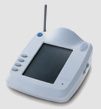 How do you notify people gently about a device alert that doesn't involve an implanted device, but rather a monitoring device developed for the implanted device? Where does a sophisticated implanted defibrillator device end: with the part that's implanted inside a patient or does it include the peripherals that monitor the implanted device, too?
These are the issues that have surfaced with a very recent medical device advisory issued by Boston Scientific on 9 September 2009 in a "Dear Doctor" letter (pdf) I managed to find on their website, and was brought to my attention by an anonymous commenter on this blog:
BackgroundHopefully, all patients with these Communicators have been notified, but how are device clinic nurses and physicians supposed to be notified? I checked with our device clinic nurses and they were unaware of this advisory - is it because we have no patients included in this advisory? (I'm not sure). But what I do know is that the potential to miss clinically important information when we increasingly rely on color-coding of parameters on websites to identify out-of-range parameters is something every doctor and device nurse should be made aware, especially since patients move from one location to another or might not have received notification about their communicator.
Boston Scientific defibrillators include a Daily Measurements feature that conducts several diagnostic tests on a daily basis to monitor the implanted defibrillator and leads. At the next in-clinic visit, test results are displayed on the programmer, with out-of-range results appropriately highlighted.
To supplement in-clinic visits, the LATITUDE Patient Management system enables clinicians to monitor the status of the implanted system remotely between clinic visits. Status information from the implanted defibrillator is transferred by an in-home communicator to the LATITUDE Website according to a schedule set by the clinician. If Daily Measurements are programmed On in the implanted defibrillator (nominally On) and the desired Alerts are configured On in LATITUDE, out-of-range Daily Measurements will generate a corresponding Red or Yellow Alert on the LATITUDE Website.
Description
Boston Scientific has determined that alert conditions for a limited subset of out-of-range Daily Measurements related to leads may not be recognized by Model 6476 (United States) or Model 6468 (Europe) LATITUDE in-home communicators. If a communicator fails to recognize a valid alert situation, notification for this or subsequent alerts for the same test will not be displayed for physician review on the LATITUDE Website. However, Daily Measurement values uploaded from the implanted defibrillator will be available from the ALL PATIENTS page after completion of the next full device interrogation, which occurs during Weekly Device Alert Interrogations and scheduled remote follow-ups.
Although a limited subset of alerts may not display on the LATITUDE Website, it is important to note that all Daily Measurement tests within the implanted defibrillator function normally, and results will be displayed as designed when the defibrillator is interrogated with a programmer.
Rate of Occurrence
We have identified 8 missed Red Alerts and 223 missed Yellow Alerts from approximately 19,000 patients in the United States with implanted Boston Scientific defibrillators followed with a LATITUDE Model 6476 Communicator. One missed Yellow Alert has been identified from approximately 50 patients in Europe followed with a LATITUDE Model 6468 Communicator. However, root cause analysis indicates that both communicators are subject to missed alerts at the same rate of occurrence. The observed rate for a missed Red Alert (highest priority) has been approximately 0.01% per month of monitoring. No patient deaths or injuries have been associated with this communicator behavior.
Whether a targeted letter posted on a company's website is adequate notification to electrophysiology personnel nationwide about this type of advisory, whether it affects our patients directly or not, probably is not adequate either.
After all, we're ultimately responsible to our patients.
-Wes
Tuesday, June 23, 2009
MADIT-CRT Meets Primary Endpoint
From a press release, just released:
This news could not come sooner to the medical device industry, but the fiscal realities before us make me wonder if soon we will dealing with medical device benefits managers, just like we're dealing with pharmaceutical benefits managers.
-Wes
Boston Scientific Corporation (NYSE: BSX) and the University of Rochester Medical Center today announced that the landmark MADIT-CRT trial has met its primary endpoint. Preliminary results show Boston Scientific cardiac resynchronization therapy defibrillators (CRT-Ds) to be associated with a significant 29 percent reduction (p=0.003) in death or heart failure interventions when compared to traditional implantable cardioverter defibrillators (ICDs). High risk(1), asymptomatic or mildly symptomatic, New York Heart Association (NYHA) Class I and II(2) patients were enrolled in MADIT-CRT. The MADIT-CRT Executive Committee expects to present and publish the trial's full results later this year.The MADIT-CRT trial was designed to determine if combined implantable cardiac defibrillator (ICD)-cardiac resynchronization therapy (CRT-D) would reduce the risk of mortality and heart failure (HF) events by approximately 25%, in subjects who were in New York Heart Association (NYHA) functional Class II with non-ischemic or ischemic cardiomyopathy and subjects who are in NYHA functional Class I with ischemic cardiomyopathy, left ventricular dysfunction (ejection fraction [EF] < or = 0.30), and prolonged intraventricular conduction (QRS duration > or = 130 ms). 60% of patients were randomized to CRT-D and 40% to ICD only.
MADIT-CRT, sponsored exclusively by Boston Scientific, demonstrates that early intervention with cardiac resynchronization therapy can slow the progression of heart failure. It is the world's largest randomized NYHA Class I/II CRT-D trial, with more than 1,800 patients enrolled at 110 centers in 14 countries. The trial is being conducted under the leadership of Principal Investigator Arthur J. Moss, M.D., Professor of Medicine at the University of Rochester Medical Center.
This news could not come sooner to the medical device industry, but the fiscal realities before us make me wonder if soon we will dealing with medical device benefits managers, just like we're dealing with pharmaceutical benefits managers.
-Wes
Wednesday, March 25, 2009
Boston Scientific's New ICD's Have Glitch
Barely out of the starting block with their new model of implantable cardiac defibrillators, Boston Scientific issued an advisory (pdf) on their new line of COGNIS CRT-D and TELIGEN implantable cardiac defibrillators. TELIGEN ICD products, model numbers E102, E110, F102, F110 and COGNIS CRT-D products, model number N106, N107, N118, N119, P106, P107 are affected.
This line of ICD's has a sensor that detects the patient's respirations which can be programmed ON or OFF. This advisory only affects the devices with this respiratory sensor programmed ON. It seems at this setting, certain potential right ventricular lead complications such as chronic lead fracture and acute lead connection issues may cause additional oversensing, thereby increasing the probability of the device failing to pace appropriately or giving inappropriate shocks. The company recommends programming the sensor to OFF, thereby correcting the problem.
More information and links to Boston Scientific's physician letter can be obtained from the Heart Rhythm Society's website.
-Wes
This line of ICD's has a sensor that detects the patient's respirations which can be programmed ON or OFF. This advisory only affects the devices with this respiratory sensor programmed ON. It seems at this setting, certain potential right ventricular lead complications such as chronic lead fracture and acute lead connection issues may cause additional oversensing, thereby increasing the probability of the device failing to pace appropriately or giving inappropriate shocks. The company recommends programming the sensor to OFF, thereby correcting the problem.
More information and links to Boston Scientific's physician letter can be obtained from the Heart Rhythm Society's website.
-Wes
Saturday, December 06, 2008
When Technology Fails Technology
When Boston Scientific's SimSuite goes sour, it never ceases to amaze me how the media can still spin the event favorably for the company:
-Wes
The virtual patient, "Simantha," had unexpected technical problems that short-circuited the presentation by SimSuite Medical Simulation Corp. employees.Gosh, I feel the love for Simantha, don't you?
Had Simantha been virtually alive and kicking, staff and physicians would have been able to try their hand at saving her life by performing a virtual cardiac procedure using new technology. Chances were good that she would have died during training in order teach the staff how to handle a crashing patient. None of that was able to happen thanks to intricate technology and its flaws.
SimSuite, the 35-foot bus travels year round and stops at hospitals and medical centers in the hopes of training the staff on the latest treatments for lesions in coronary arteries that are difficult to treat due to their location or size.
"This is a great way for staff to get hands-on training without a real patient on the table," said Chris Mitchelli, field clinical educator. "We can simulate an emergency."
Dr. Karthik Sheka, interventional cardiologist at PMC, was on hand to test out the new technology but never got the chance.
"All of the devices coming out now are much more advanced than before. It is something that you don't want to try out on a patient so this is a great idea to get the practice," he said. "There are always risks and complications with procedures such as this so you are able to play around with your options on a simulated patient.
Medicine changes fast so physicians need to keep their skills up-to-date. When Simantha is working properly, she is there to help."
-Wes
Tuesday, November 11, 2008
Boston Scientific AF Ablation Systems Under Investigation
From Boston Scientific's most recent SEC filing dated 7 Nov 2008:
-Wes
"On October 24, 2008, we received a letter from the U.S. Department of Justice ('DOJ') informing us of an investigation relating to surgical cardiac ablation system devices to treat atrial fibrillation. We intend to cooperate with the investigation."I wonder, might it relate to the same issues that Atricure recently endured?
-Wes
Friday, November 02, 2007
Amish Ingenuity
The Amish are a regilious demonination here in the United States that live the simple life, often without electricity in their home. But they do avail themselves of medical technology on occassion, and to this end, here's a case where technology permitted follow-up of one Amish patient's implantable defibrillator from the countryside, using a telephonic follow-up service from Boston Scientific, called Latitude. (ed. note: Thanks to our local rep, Greg Roth, for providing these images. Please feel free to click them to enlarge).
The patient was a 73 year old Amish man who was implanted in 2003 with a Guidant Ventak Prism II implantable cardiac defibrillator. He traveled 30 miles for his checks from rural Pennsylvania, and then applied his own version of remote follow-up using Boston Scientific's Latitude system:

A view of the countryside.

A view of the countryside from the other angle.
Note the outhouse-style shed.

But is it an outhouse?

A closer look reveals the answer.

Not only is the shed beautifully constructed, using a voltage inverter connected to a car battery, the patient has rigged the Latitude system to a phone line for remote follow-up of his defibrillator. Doctors review the information provided to assure proper functioning of his defibrillator from their office.
Ingenious, indeed.
-Wes
The patient was a 73 year old Amish man who was implanted in 2003 with a Guidant Ventak Prism II implantable cardiac defibrillator. He traveled 30 miles for his checks from rural Pennsylvania, and then applied his own version of remote follow-up using Boston Scientific's Latitude system:


Note the outhouse-style shed.


Ingenious, indeed.
-Wes
Monday, September 03, 2007
Boston Scientific’s Legal Paperwork Payoff
 It’s enough to make you sick. The Attorney Generals from 35 states, seizing on the vulnerable, sue Boston Scientific because they smell blood, pay themselves instead of patients, and feel virtous.
They claim it’s because Boston Scientific didn’t tell their state’s constituents about defective defibrillators. Well, duh. A few doctors brought the story to the New York Times in 2005. Guidant had to fess up. And they had to pay at least $195 million for their sins.
But that wasn’t enough. Especially when your legal department is in need of much-needed cash. And lawyers know a bleeding cash cow when they see it. It seems Illinois was one such money-grubbing state:
As part of the settlement, Illinois Attorney General Lisa Madigan said Boston Scientific subsidiary Guidant Corp. has agreed to put in place safety programs and do first-ever public reporting of problems in the devices Guidant manufacturers.Fact: such a reporting system already exists. Additional monies are not required for this.
The settlement would resolve a lawsuit Madigan filed Thursday in Sangamon County Circuit Court. She has asked Circuit Judge Patrick Londrigan to approve a proposed consent decree.
But it’s interesting to see where Illinois’ share of the $16.75 million payout by Boston Scientific will go:
The $605,000 for Illinois will reimburse the attorney general's office for costs associated with the investigation, said Debbie Hagan, chief of Madigan's consumer-protection division.You don’t say? Not to the patients?
But Hagan said the settlement is most important because it establishes public reporting of defects and other safety measures - including an independent patient-safety advisory board - affecting one of the world's largest makers of implanted defibrillators.But Missouri’s press release tells the real story: that of the $16.75 million paid out to 35 states, only $1 million will go toward helping a few patients with reimbursement costs beyond the already-negotiated $2500 reimbursement amount:
"This is what we think is going to move the market along," she said. "We have brought physicians and the public into watching this process."
Under the settlement with the Attorneys General, the warranty program will be extended for an additional six months, and the states will use up to $1 million from Guidant to reimburse warranty participants for expenses beyond $2,500.So in reality, $15.75 million of Boston Scientific’s payout is for the lawyers’ time for their paperwork to submit the suit – a “pay us or we’ll sue even more” settlement, I guess. And the patients and the public get little in return above what has already been established. Given how little is returned to the patients affected, our legal system should be embarrassed instead of gloating about their achievements in press releases.
But at least our patients can expect higher prices for future defibrillator models to offset these predatory suits.
It seems Illinois’ Ms. Hagan and our Attorneys General are helping themselves and the legal market much more than their constituents or our health care system.
-Wes
Image credit.
Tuesday, August 14, 2007
Eeny, Meeny, Miny, Moe
The take-over rumors are rumbling on Boston Scientific's drop in share price. But if I were Johnson and Johnson (JNJ), who would I want, a stock that has been pummeled and continues w/massive debt, or a company with about the the same market cap that has had a steady record of growth over the past year?
Decisions, decisions.
-Wes
Decisions, decisions.
-Wes
Friday, July 13, 2007
Boston Scientific Settles Defibrillator Suits
And they got off relatively cheap:
-Wes
(WSJ) Boston Scientific Corp. said it agreed to settle all pending federal lawsuits against the company alleging harm from faulty defibrillators and pacemakers for $195 million, well below the sum the company had estimated as its likely liability.This settlement might now breathe some much-needed air into this struggling company, but some good CPR is still needed for the stent market. (Oh, what a line...) But seriously, maybe now they can put most of this mess behind them.
The company acquired liability for the suits through its 2006 acquisition of Guidant Corp., which was forced to recall more than 100,000 cardiac-assist devices in 2005. One of its defibrillator models occasionally failed to deliver lifesaving shocks to the heart when needed.
Several attorneys representing plaintiffs declined to comment, saying they were subject to a judge's order not to speak.
Guidant already has settled some cases brought on behalf of patients who died. The vast majority of pending cases -- about 1,850, covering more than 5,000 individuals -- were brought by patients who had their devices removed because of the Guidant recalls, complaining that the company waited too long before informing them and doctors of the flaw.
The case has been consolidated in U.S. District Court in Minneapolis.
Boston Scientific had estimated the suits would cost it $732 million but hadn't set aside any reserves. Also pending are about 100 state lawsuits that aren't part of the settlement. In addition, a number of state attorneys general have said that they were probing the matter, which could be a source of added liabilities.
-Wes
Monday, July 09, 2007
Negotiating Deals
I wonder if Boston Scientific wants hospital administrators who negotiate contracts with them to know about this. Why on earth do they need a helipad when they're facing mountains of litigation for their Guidant acquisition?
-Wes
-Wes
Wednesday, June 13, 2007
Boston Scientific to Face the Music
Unfortunately, the tune is likely to be a dirge.
Here's what Guidant's "Dear Doctor" letter said:
This ruling makes things more difficult for Boston Scientific, since there is less likelihood that the cases can be dismissed before going to trial on the basis that the claims could be preempted by a federal regulatory scheme (e.g., the FDA cleared our device, so it's not our fault). Further, and perhaps just as importantly, it permits the punitive damages portion of the trials (where big cash judgements to be levied against the device manufacturer) to also be brought forward. Boston Scientific's lawyers might be looking more seriously at settling given this turn of events.
This ruling may also have implications for the other device manufacturers (Medtronic and St. Jude) since now they may also have a hard time keeping their cases from going to trial for similar reasons.
-Wes
Hundreds of patients who then had their Model 1861s (defibrillators) removed are now suing the company for emotional distress and punitive damages and for failing to warn them of the flaw. Three patients died because of the flaw, but the plaintiffs at issue in the ruling didn't experience a malfunction themselves.Was the rate of failure one in 500 (as Guidant told us doctors), or one in 20 (as the plantiff's lawyers contend Guidant reported to the FDA)?
The ruling, by Judge Donovan Frank of the U.S. District Court in Minneapolis, means the cases will proceed to trial. The first case is scheduled to start in July.
Last month, Boston Scientific argued in court that Guidant didn't need to inform doctors because the rate of failure was extremely small -- about one in 500 over a three-year period. Lawyers for the company said it had already informed doctors that the devices were imperfect, and had told the Food and Drug Administration that the rate of failure could be as much as one in 20.
The company argued that patients whose devices weren't faulty shouldn't be able to sue the company for punitive damages. In yesterday's ruling, the court rejected those arguments, stating "the law is not furthered by allowing a manufacturer to escape liability for a defective product simply because a plaintiff elected to remove a medical device."
Here's what Guidant's "Dear Doctor" letter said:
There have been 28 reports of this failure worldwide, in 26,000 devices built prior to the April 2002 change. This includes an event reported in March of 2005 in which a device was returned after a patient death. The device was found to have experienced this failure in conjunction with attempted delivery of at least one high-voltage therapy. To date, no such failures have been observed in theThis would put the failure rate at 28/26000 = 0.1% (or 1 in a 1000 devices). If we double that (to pick up some that might not have failed), then 1 in 500 seems reasonable. But the "one-in-20" incidence, as the plantiff's lawyers contend, seems a bit grandiose given the data...
devices built after the April 2002 change (including the approximately 11,000 devices built after the April 2002 change and before the November 2002 change). Approximately 13,900 devices built before the April 2002 change remain in service in the United States.
This ruling makes things more difficult for Boston Scientific, since there is less likelihood that the cases can be dismissed before going to trial on the basis that the claims could be preempted by a federal regulatory scheme (e.g., the FDA cleared our device, so it's not our fault). Further, and perhaps just as importantly, it permits the punitive damages portion of the trials (where big cash judgements to be levied against the device manufacturer) to also be brought forward. Boston Scientific's lawyers might be looking more seriously at settling given this turn of events.
This ruling may also have implications for the other device manufacturers (Medtronic and St. Jude) since now they may also have a hard time keeping their cases from going to trial for similar reasons.
-Wes
Monday, June 11, 2007
Current Data on Risk Stratification for Sudden Cardiac Death
Some interesting results of an industry-sponsored expert conference on risk stratification of sudden death appeared in this month's American Heart Journal. The experts reviewed left ventricular ejection fraction (LVEF), New York Heart Association Class, the presence of nonsustained ventricular tachycardia, microwave T wave alternans, measures of cardiac autonomic modilation (like heart rate variability), QT interval variability, signal averaged EKG, electrophysiology study, genetic testing, imaging studies and serum markers (like brain naturetic peptide or c-reactive protein).
Their take? Only ejection fraction seems worthy for risk stratification so far.
Here's what they said about ejection fraction:
-Wes
Their take? Only ejection fraction seems worthy for risk stratification so far.
Here's what they said about ejection fraction:
The LVEF has been recognized as a predictor of all-cause mortality in patients with coronary artery disease (CAD) for >30 years. One early study by the Multicenter Postinfarction Research Group showed in 866 post–myocardial infarction (MI) patients that the strongest predictor of 1-year cardiac mortality was the LVEF. This finding has withstood the test of time. In the VALIANT (trial), a randomized comparison of captopril, valsartan, and their combination in post-MI patients (n = 14 609) with left ventricular dysfunction, CHF, or both, LVEF was a strong predictor of SCD or cardiac arrest. The risk of SCD or cardiac arrest increased by 21% for every 5% decrease in LVEF.Participants at the meeting were as follows:
Left ventricular ejection fraction is also a strong predictor of all-cause mortality in patients with nonischemic cardiomyopathy. The MACAS (trial) was a prospective cohort study of 343 patients with nonischemic cardiomyopathy and an LVEF ≤45% who were followed for a mean of 52 months. Left ventricular ejection fraction was the only significant predictor of major arrhythmic events with a relative risk (RR) of 2.3 per 10% decrease in LVEF (95% CI 1.5-3.3, P < .0001) in patients with sinus rhythm and 4.5 per 10% decrease in LVEF (95% CI 1.5-13.2, P = .0008) in patients with atrial fibrillation.
Participants from the Academia: Sana M Al-Khatib, MD, MHS (co-Director), J Thomas Bigger, MD, Alfred Buxton, MD, Robert M Califf, MD, Anne Curtis, MD, Jeptha Curtis, MD, Bernard J. Gersh, MB, ChB, DPhil, Michael R. Gold, MD, PhD, Jeff Goldberger, MD, Stephen C. Hammill, MD, Jeff Healey, MD, MS, Mark Hlatky, MD, Stefan Hohnloser, MD, Raymond J Kim, MD, Kerry Lee, PhD, Daniel Mark, MD, MPH, L. Brent Mitchell, MD, Eric Prystowsky, MD, Gillian Sanders, PhD (co-Director), and Wojciech Zareba, MD, PhDThe conference was funded by AstraZeneca, Bayer, Boston Scientific, Cambridge Heart Inc, Medtronic, Reliant Pharmaceuticals, St Jude Medical.
Participants from the Centers for Medicare and Medicaid Services: Steve Phurrough, MD, MPA
Participants from the US Food and Drug Administration: Norman Stockbridge, MD, PhD, Robert Temple, MD, Bram Zuckerman, MD
Participant from the National Institutes of Health: Robin Boineau, MD, Michael Domanski, MD
Participant from Agency for Healthcare Research and Quality: Elise Berliner, PhD
Participant from the Heart Rhythm Society staff: Joel Harder
Participants from Industry: Mark Carlson, MD, Eric Fain, MD, Ali Haghighi-Mood, PhD, Steve Ketchum, PhD, Steve McQuillan MS, Marcus Mianulli MA, Philip Sager, MD, Dan Schaber, PharmD, Robert Shalwitz, MD, Joseph Smith, MD, PhD, Michael A Stein, MD, David Steinhaus, MD
Coordinating Staff: Marelle Molbert and Cass Finley from the Duke Clinical Research Institute.
-Wes
Thursday, May 17, 2007
Boston Scientific In Talks to Settle Defibrillator Suits
 Boston Scientific, still reeling from the burden of over well over 1000 product laibility suits over its acquired Guidant implantable defibrillator portfolio, has successfully leaked that they are in the process of settling 1,350 of the cases:
...people familiar with the matter said Boston Scientific, of Natick, Mass., is in talks to settle 1,350 product-liability lawsuits it inherited when it purchased Guidant Corp. last year. The suits allege that Guidant negligently sold several models of implantable defibrillators after learning of defects in the devices that caused them to fail.Could Medtronic be next?
In a recent filing with the Securities and Exchange Commission, Boston Scientific reported that it raised the sum it had set aside for potential damages in the case to $732 million, from $485 million at the end of 2006. A spokesman for Boston Scientific said the company was "committed to an aggressive defense."
Previous talks in September between the company and plaintiffs reached no resolution. This week's talks come on the eve of a hearing tomorrow in U.S. District Court in Minneapolis on patients' efforts to seek punitive damages from the company.
-Wes
Monday, April 30, 2007
Defibrillator Lead Report Misleads
It didn't take long for the media to chew up this week's report on the high failure rate of old defibrillator leads published in Circulation from a single center registry from Germany today. What's better than to scare the heck out of patients? I mean, fear sells, doesn't it?
For those of you who haven't seen it yet, doctors from Germany decided to look back at their last 990 consecutive defibrillator lead implants between 1992 and 2005. They found 148 (15%) of defibrillator leads failed during follow-up and required replacement. They found that annual failure rates increased over time, peaking at 20% in 10-year-old leads.
But before you go out an insist that your defibrillator be removed, let's look at a few facts from the very same article:
It is important to note that the Heart Rhythm Society has been aware that these devices can be subject to malfunction on occasion. As such they have recommended that implantable cardiac defibrillators (ICDs) be evaluated every three months by a qualified physician. Further, most of the ICD manufacturers are developing wireless telemetry systems that can check these devices even as often as daily to assure their reliability. Furthermore, companies have migrated away from the form of polyurethane that can degrade when exposed to metal oxides (as occurred in leads manufactured before 1997). The fact that these older leads were included in the analysis serves to make the data more sensational and press-ready.
I would suggest that people evaluate the performance data maintained by each of the companies and published on-line. Boston Scientific's (formerly Guidant) performance data on their devices can be found here, Medtronic's here, St. Jude's here and Biotronik's can be found here. These data suggest current failure rates for most ICD's is approximately 10% after 10 years, fully one-half of that described by the authors in the above article. Certainly, this number is not perfect, but helps keep a reasonable perspective on defibrillator lead reliability, and reflects the world-wide experience of patient's with a particular lead or device system, and may be a more accurate reflection of lead trends across multiple centers and operators.
-Wes
For those of you who haven't seen it yet, doctors from Germany decided to look back at their last 990 consecutive defibrillator lead implants between 1992 and 2005. They found 148 (15%) of defibrillator leads failed during follow-up and required replacement. They found that annual failure rates increased over time, peaking at 20% in 10-year-old leads.
But before you go out an insist that your defibrillator be removed, let's look at a few facts from the very same article:
- 15% of the leads had problems, 85% of them did just fine.
- No patent died as a result of ICD lead failure
- Older lead materials that have since been show to have high failure rates are no longer used, but included in this report
- The authors performed 95% of their implants using a subclavian approach, an approach they freely admit is prone to an unusually high level of lead "crush" as the lead passes between the first rib and clavicle. Like a coat-hanger repetitively bent, leads implanted by this approach are subject to a higher failure rate.
It is important to note that the Heart Rhythm Society has been aware that these devices can be subject to malfunction on occasion. As such they have recommended that implantable cardiac defibrillators (ICDs) be evaluated every three months by a qualified physician. Further, most of the ICD manufacturers are developing wireless telemetry systems that can check these devices even as often as daily to assure their reliability. Furthermore, companies have migrated away from the form of polyurethane that can degrade when exposed to metal oxides (as occurred in leads manufactured before 1997). The fact that these older leads were included in the analysis serves to make the data more sensational and press-ready.
I would suggest that people evaluate the performance data maintained by each of the companies and published on-line. Boston Scientific's (formerly Guidant) performance data on their devices can be found here, Medtronic's here, St. Jude's here and Biotronik's can be found here. These data suggest current failure rates for most ICD's is approximately 10% after 10 years, fully one-half of that described by the authors in the above article. Certainly, this number is not perfect, but helps keep a reasonable perspective on defibrillator lead reliability, and reflects the world-wide experience of patient's with a particular lead or device system, and may be a more accurate reflection of lead trends across multiple centers and operators.
-Wes
Friday, April 20, 2007
Oral Communication in the Wireless Era
I was shooting hoops with my son behind our garage, the other day. He demonstrated how ridiculous and old man can look next to an adolescent with spring-loaded knees and an eagle eye for the basket. It was humbling to say the least.
Our basketball setup is one of those portable units, set up right next to the garage. We were deeply involved in a game of “HORSE” when suddenly, just as I was planning a perfect “swish” from the corner, the electric garage door opened behind me. The sudden unexpected nature of this event startled me and I watched my perfect “swish” transition into an “air ball.” After the brief adrenaline rush subsided, my wife drove up and asked, “How’s it going?” with a big smile on her face – not realizing that her wireless transmission to the garage door mechanics had precipitated, at least in part, my basketball demise at the hands of my son.
It dawned on me that a similar event probably occurs daily in operating rooms and electrophysiology labs around the country with the advent of wireless implantable defibrillators. You see, both Medtronic and Boston Scientific have defibrillators that can communicate wirelessly with their respective programming computers. It’s a handy feature, in many respects.
But today, as I was replacing an older defibrillator with a new wireless model, a subtle, yet significant event occurred.
First, let me say that no one perished as a result of what happened. No one was initially aware that anything had even occurred. But I suddenly realized it.
At first, I became aware of a subtle background sound across the room: * tap * * tap * * tap * * tap *. I kept working and had just replaced an old defibrillator with a new wireless model. * tap * * tap * * tap * * tap * *tap *. And then I looked up at the monitor. Much to my surprise a dramatic change in the EKG characteristic was there. I hadn’t expected that. It seems the person controlling the wireless programmer was testing different parameters on the device quietly in the background and this person was pacing only one lead rather than both leads as part of the device checking process. This programming change dramatically changed how the EKG appeared to this startled surgeon.
Checking these parameters, by the way, is perfectly appropriate. Every device has a series of tests that are performed on the device to assure that it is receiving signals from the leads within the heart correctly, that no lead was damaged during the device change, etc. No, this was not my gripe. That’s what you WANT people doing.
What bothered me was the lack of verbal communication between the person performing those tests and the operating physician. You see, the doctor performing the surgery should know when a programming change is being made to their patient’s device, just in case something is NOT done correctly or if there was a problem discovered. It avoids that startled rush of adrenaline that occurs when the garage door suddenly activates without your knowledge. Doctors don’t like it when things happen they don’t know about while their operating on a patient. Trust me on this.
So if you are a device representative or nurse in a lab or operating room responsible for performing programming of any wireless device, let the doctor know what you’re about to do before you do it. Tell him something like “I’m going to test the threshold of the right ventricular lead now, OK?” and wait for the doctor to acknowledge he is aware that changes are being made. Always, always, always keep the oral communication going when wirelessly communicating with these new medical devices.
Doctors will appreciate it, and patients will certainly benefit.
-Wes
Our basketball setup is one of those portable units, set up right next to the garage. We were deeply involved in a game of “HORSE” when suddenly, just as I was planning a perfect “swish” from the corner, the electric garage door opened behind me. The sudden unexpected nature of this event startled me and I watched my perfect “swish” transition into an “air ball.” After the brief adrenaline rush subsided, my wife drove up and asked, “How’s it going?” with a big smile on her face – not realizing that her wireless transmission to the garage door mechanics had precipitated, at least in part, my basketball demise at the hands of my son.
It dawned on me that a similar event probably occurs daily in operating rooms and electrophysiology labs around the country with the advent of wireless implantable defibrillators. You see, both Medtronic and Boston Scientific have defibrillators that can communicate wirelessly with their respective programming computers. It’s a handy feature, in many respects.
But today, as I was replacing an older defibrillator with a new wireless model, a subtle, yet significant event occurred.
First, let me say that no one perished as a result of what happened. No one was initially aware that anything had even occurred. But I suddenly realized it.
At first, I became aware of a subtle background sound across the room: * tap * * tap * * tap * * tap *. I kept working and had just replaced an old defibrillator with a new wireless model. * tap * * tap * * tap * * tap * *tap *. And then I looked up at the monitor. Much to my surprise a dramatic change in the EKG characteristic was there. I hadn’t expected that. It seems the person controlling the wireless programmer was testing different parameters on the device quietly in the background and this person was pacing only one lead rather than both leads as part of the device checking process. This programming change dramatically changed how the EKG appeared to this startled surgeon.
Checking these parameters, by the way, is perfectly appropriate. Every device has a series of tests that are performed on the device to assure that it is receiving signals from the leads within the heart correctly, that no lead was damaged during the device change, etc. No, this was not my gripe. That’s what you WANT people doing.
What bothered me was the lack of verbal communication between the person performing those tests and the operating physician. You see, the doctor performing the surgery should know when a programming change is being made to their patient’s device, just in case something is NOT done correctly or if there was a problem discovered. It avoids that startled rush of adrenaline that occurs when the garage door suddenly activates without your knowledge. Doctors don’t like it when things happen they don’t know about while their operating on a patient. Trust me on this.
So if you are a device representative or nurse in a lab or operating room responsible for performing programming of any wireless device, let the doctor know what you’re about to do before you do it. Tell him something like “I’m going to test the threshold of the right ventricular lead now, OK?” and wait for the doctor to acknowledge he is aware that changes are being made. Always, always, always keep the oral communication going when wirelessly communicating with these new medical devices.
Doctors will appreciate it, and patients will certainly benefit.
-Wes
Subscribe to:
Posts (Atom)