Showing posts with label atrial fibrillation. Show all posts

Friday, March 14, 2014

Case Study: An Unusual Catheter Course to the Right Atrium

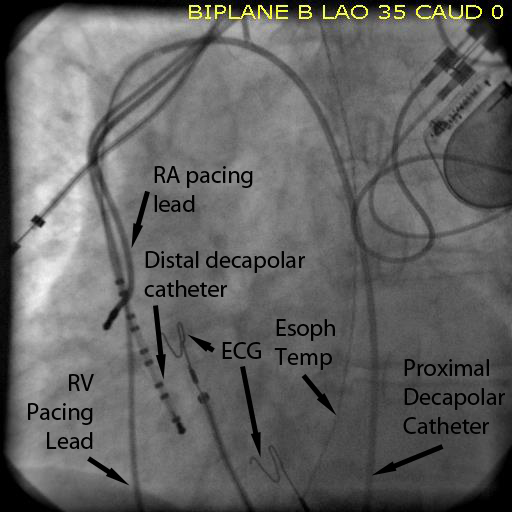
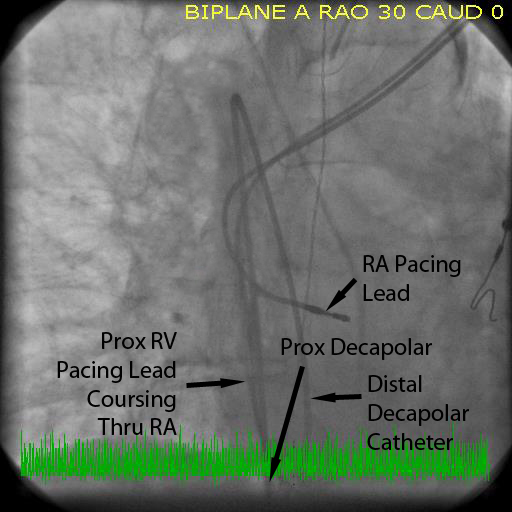
Recently, our laboratory was performing a catheter ablation of paroxysmal atrial fibrillation in a patient with a permanent pacemaker previously implanted from the left axillary venous approach.  The fellow placed a decapolar catheter from the left femoral vein, but it took an unusual course to the right atrium.    Attempts to place the catheter via a more typical course could not be achieved.

Here are the RAO and LAO fluoroscopic images he saw (labeled for your convenience):

RAO Fluoroscopic Image (click to enlarge)

LAO Fluoroscopic Image (click to enlarge)
At first, the fellow thought the catheter was extravascular was the catheter passed behind the heart, but continued advancement resulted in the catheter entering the right atrium.

Here's the LAO Cineangiogram of the finding that helped us identify the cause:


Here's the RAO image of the same shot:


What is this?  What happened next?

-Wes

PS:  If you can't wait, here's a link to a pretty illustration of the anatomy.  Note the hepatic drainage to the right atrium is separate from the drainage of the IVC in this anomaly.  Here's another link to factoids from the radiology literature regarding this interesting finding.

Friday, February 21, 2014

What Is "Non-Valvular" Atrial Fibrillation?

With the recent heavy marketing of the relatively new novel oral anticoagulants dabigatran, rivaroxaban, and apixaban, a new marketing phrase has been born: "non-valvular" atrial fibrillation.

What, exactly, is "non-valvular" atrial fibrillation?

Is it atrial fibrillation without any valvular heart disease like a teeny, tiny bit of functional mitral insufficiency? Or should doctors "ignore" the degree of mitral insufficiency when prescribing these medications? What about mitral valve prolapse patients with severe prolapse?

Is it atrial fibrillation without the presence of any prosthetic heart valve? What about a valve ring placed when a mitral valve is surgically "repaired?"

Is it atrial fibrillation without any rheumatic heart disease? What about mild mitral stenosis compared to moderate or severe mitral stenosis? If there's a difference, what valve area should we use to judge safety of prescribing the novel oral antiocoagulants?

Or is it some combination of one or more of these above patient groups?

For doctors who manage patients with atrial fibrillation and are considering if they should offer a novel oral anticoagulant to a patient in lieu of warfarin, this issue is not a trivial question.

To answer some of these questions, we should turn to the RE-LY, Rocket AF, and Atristotle Trials. But these trials offer only minimal guidance to today's practicing physicians.

For instance, in the RE-LY trial, only patients without "History of heart valve disorder (i.e., prosthetic valve or hemodynamically relevant valve disease)" were studied. What, exactly, do they mean by "hemodynamically relevant heart valve disease?" Does any valve qualify or just the mitral valve?

The Rocket AF trial describes their "non-valvular" heart disease patients a bit better as those with "(1) Hemodynamically significant mitral valve stenosis or a (2) a prosthetic heart valve (annuloplasty with or without prosthetic ring, commissurotomy and/or valvuloplasty WERE permitted)" but were mild mitral stenosis patient's included? What, exactly, defined "hemodynamically-significant" mitral stenosis patients?

The Aristotle trial defined their excluded valvular heart disease as patients as those with "moderate or severe mitral stenosis, or conditions other than atrial fibrillation that required anticoagulation (e.g., a prosthetic heart valve). (The reader must assume that surgically-repaired mitral valves were okay, but were they included or excluded from this trial - we're not sure.)

For doctors on the front line of medicine who might want to prescribe these new drugs to their patients, the term "non-valvular atrial fibrillation" seems to mean different things to different people.

Common sense would dictate that any patient with mitral stenosis (of any severity, in my opinion (be it rheumatic or post-surgical) or patients with prior placement of a prosthetic heart valve (either bioprosthetic or mechanical) should not be considered for these agents. But this is just my wild-ass guess. After all, there is no clear consensus on what really defines "non-valvular" atrial fibrillation, especially when we examine the evidence-based data available to doctors on this issue.

But beyond this, as researchers testing new therapies, we should be careful not to coin confusing new marketing terms to describe a complicated constellation of patients. Otherwise, we might risk injuring those we really are trying to help.

-Wes

Monday, April 22, 2013

To Burn or Freeze During Catheter Ablation of Atrial Fibrillation, That Is the Question

With the deaths that have recently surfaced caused by esophageal perforation following cryoablation procedures for the treatment of atrial fibrillation, Dr. John Mandrola (a fellow colleague and EP-blogger) delves deeper into the incidence, issues, and current recommendations that might improve the safety of the procedure over at theHeart.org today.  It's an excellent review of the current state of the art as he's been able to review it.  Go now and read his piece.

Of course, as Dr. Mandrola points out, although the incidence of this deadly complication is rare, there is still much we don't know about this procedure's long-term safety, especially as newly-engineered cryoballoons  enter the EP community's ablation toolkits.  Careful long-term assessment of this technology's safety and efficacy, as well as its safety compared to more conventional radiofrequency ablation techniques for pulmonary vein isolation, remain unknown.

-Wes

Wednesday, April 17, 2013

With Patient Deaths, the Afib Cryoablation Bloom is Off the Rose

Cryoballoon ablation of atrial fibrillation, once considered a safe means of performing pulmonary vein isolation for the treatment of atrial fibrillation because it was widely believed to be a safer form of ablation, has claimed its first deaths.  Two cases of esophageal perforation, one posted on the FDA Maude database 3/27/213 and another 9/18/2011, has received remarkably little public dissemination as far as I can tell in the EP community.

It has long been recognized that esophageal ulceration can occur with cryoablation balloon catheters, but esophageal perforation has previously not been widely reported.  The challenge for the technology, of course, is the ability to control the depth of lesion during long applications of freezing applications is difficult, especially when the technology is compared with the rapid onset and offset of existing radiofrequency energy applications.

I suspect we'll be hearing more about this soon in the scientific literature (at least I hope), but for now, electrophysiologists should be aware that cryoablation for pulmonary vein isolation in patients with atrial fibrillation, just like radiofrequency ablation, can cause esophageal perforation and should be used with appropriate caution.

-Wes

Addendum: The direct link to the FDA Maude database reporting the patient death from cryoablation.

Another case report in the literature: http://onlinelibrary.wiley.com/doi/10.1111/j.1540-8167.2012.02324.x/abstract;jsessionid=ABE88B7ED0954662425E6946A0633063.d04t02?deniedAccessCustomisedMessage=&userIsAuthenticated=false

Saturday, March 09, 2013

The PREVAIL Flail: A Contrarian View

"The good thing about bad news - it sells."

At first, it seemed like such an embarrassment.  A brand new therapy for treating atrial fibrillation is slated as the day's Late Breaking Clinical Trial at the 2103 Scientific Sessions of the American College of Cardiology meeting.  A "press release" containing the results of the trial is sent to investors at 6:30 AM PST, breaking a pre-specified embargo time of 9:10 AM PST.  In response, the American College of Cardiology pulls the presentation.

And with that, the Twitterverse erupts.  Scandal.  Intrigue.  An heir of deception.  News organizations, some of whom have been on the receiving end of such scandal, snicker and publish accountings of the event, detail by gory detail.  The principle investigator describes his disappointment as "an awful event"  and doctors  who attended the session feel "cheated," "penalized," and found the event "unhelpful."

And then the results (as they are known) appear anyway in the Wall Street Journal, on Forbes, and nearly a hundred other places on the Internet, instantly.

Can it get any better for marketing? 

You see the Watchman device needs some help, especially in the era where at least one novel oral anticoagulant has shown not just equivalency, but a mortality advantage over warfarin, Watchman's trial comparator.

And Watchman has had the difficult time getting FDA approval even though its competitor's device, the Lariat, was (incredibly) already "approved" for sale in the US using the FDA's own 510k exemption. 

So Boston Scientific should feel good about the negative buzz about their trial.  It'll help overcome their sales headwind provided, of course, their device gets approved by the FDA.

-Wes


Thursday, January 03, 2013

To EPs: Happy Coding New Year!

Well, well, well.  It's another year and another chance to enjoy new procedural coding changes for electrophysiologists in 2013!  In case you missed it, the old catheter ablation codes for supraventricular and ventricular tachycardia ablations (93651 and 93652) have been deleted effective 1 Jan 2013.

That's right:  Gone.  Kaput.  Fi-ne. 

In their place we now have five new codes, two of which are specific for atrial fibrillation ablation:

  • 93653 - For use with SVT/WPW/Focal ATach/IVC-Tricuspid annular-dependent flutter ablations - Don't even THINK about coding separately for transseptal catheterization with this one - it's now bundled.  (If 3D mapping is needed, it looks like it's still okay to add 93613 to this code - for now.  Also, for Afib ablations, do NOT use this code, but rather a separate code (See 93656 and 93657 below)). RVU Value: 15.


  • 93654 - For use with Ventricular Tachycardia Ablation - This includes everything from placement of catheters, to the transseptal (if needed), AND the use of 3D mapping, and the ablation of VT.  (Remember: no separate code of transeptal and 3D mapping with this code.) RVU Value: 20.


    • If there is a SECOND arrhythmia focus that is ablated during EITHER SVT or VT ablation codes above, you can use add-on code 93655 but must specify the second arrhythmia targeted.  Total RVU value: 7.5
  • 93656 - For use with Atrial Fibrillation ablations - This includes the placement of catheters, the transseptal, pacing, mapping, giving meds, etc. up to and including isolation of the pulmonary veins.   (It appears 3D mapping (93613) can be billed separately for this code, unlike for the VT ablation)Total RVU value: 20.02.


    • 93657 - Used in addition to the Afib ablation code, 93656, if linear lines are developed in the atria following pulmonary vein isolation procedure. Total RVU value 7.5
Full details on these new codes, how they were developed, and how they should (really) be applied can be found on the Heart Rhythm Society website. (Please take what I say with a grain of salt).

Happy coding!

-Wes


Monday, January 23, 2012

Congressman Mark Kirk Suffers Stroke

From the Chicago Tribune today:
A Kirk spokesperson says the 52-year-old senator checked himself into Lake Forest Hospital. He was transferred to Northwestern, where tests showed he'd suffered a stroke.

A statement from Kirk's office says the surgery was successful and that doctors are "very confident" in his recovery based on his age and health.
My guess: if the surgeons are "very confident" in his recovery, more likely than not the stroke was not hemorrhagic, but embolic. If so, clinically asymptomatic atrial fibrillation is probably the most likely etiology for his stroke.

Our thoughts and prayers are with him and his family.

-Wes

Addendum: Non-dominant hemisphere?

Addendum #2: 12:55 CST: Ischemic etiology reported.

Addendum #3: More detail - Spontaneous R carotid dissection?

Background on this.

Tuesday, October 04, 2011

Sunday, October 02, 2011

The Vagaries of Atrial Fibrillation

I am always amazed at the different ways atrial fibrillation can present: sometimes with rapid heart rates, other times slow; sometimes it's continuous, other times intermittent; sometimes it occurs without symptoms, other times it occurs with major symptoms like palpitations, stroke, or a peripheral embolus.

Atrial fibrillation is a strange, troubling, and often difficult disease to manage.

And so, when a patient with known persistent atrial fibrillation with rapid ventricular rates presents with a funny sense of lightheadedness with exercise once a week or so, you tend to think you know what you're going to find: periods of super-fast heart rate associated with lightheadedness.

At least until you check the patient's heart rhythm with a recording device. Now I'm beginning to think anything's possible.

Here's why.

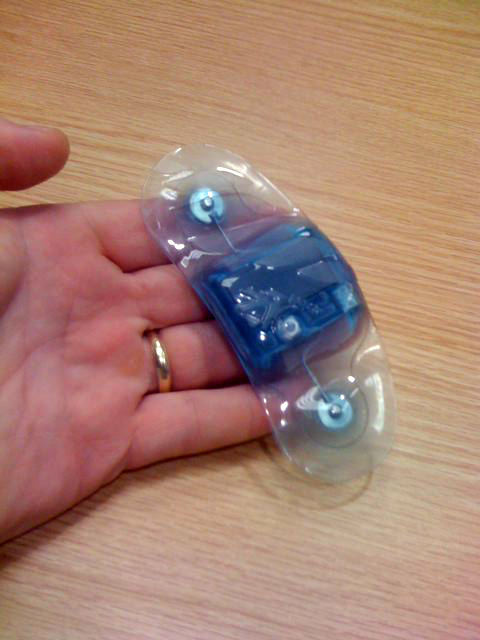
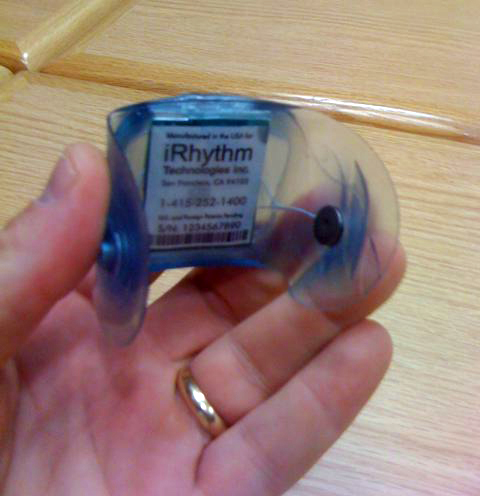
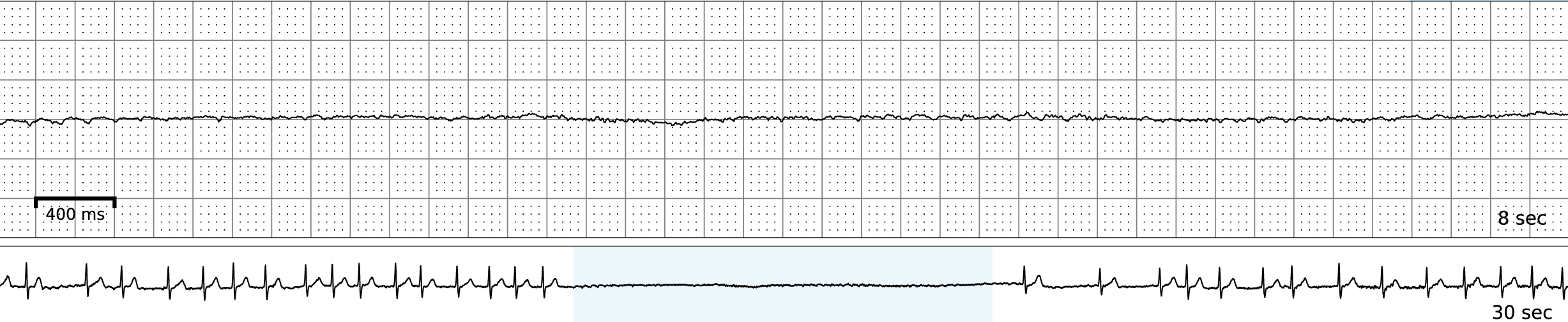
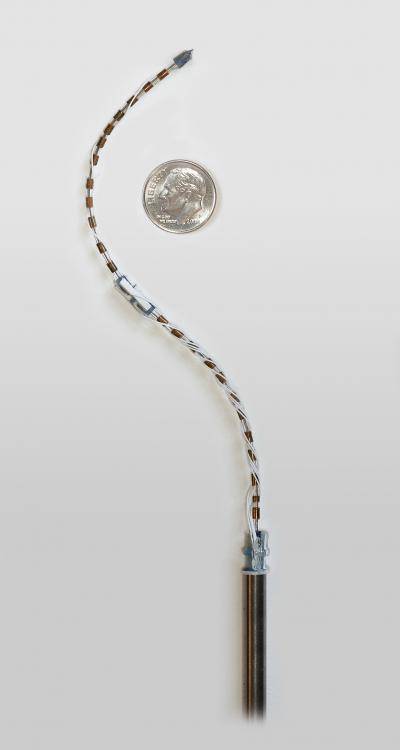
Increasingly, I have been reaching for a newer form of heart monitor that combines continuous monitoring with patient feedback but lasts much longer than our older 24-hour Holter monitors. It is compact, has no dangling wires, and gives a continous single-lead EKG tracing for up to 14 days. It has a button that the patient can press to identify periods when symptoms are occuring. Best of all, it's just a little flexible plastic patch that is applied to the surface of the skin. In that patch is a processor that records the surface EKG (even while in the shower) for the full 14 days. (Exercise has to be avoided to avoid sweat from dislodging the adhesive). After that time, the patient drops the device in the mail (provided the post office stays open!) and sends the device to a processing center where the stored 14-day EKG is processed and pre-categorized by heart rate range, rhythm, tachycardias, pauses, PAC's, PVC's and for the reviewing physician to overread. The data are then plotted and made available for clinical review on the company's website. Here's a few pictures of one of the earlier prototypes of this device (iRhythm - now a St. Jude Medical company) that I took:


So why is this important?

In my view, it's because of what I'm finding the patient doesn't perceive while wearing an event recorder. A more conventional event recorder is different than this patch-monitor because it relies on the patient to push the button when they experience symptoms and then stores the heart rhythm from a a minute or two before and after the button was pressed so it can be uploaded to a monitoring station for interpretation. As a result, asymptomatic arrhythmias can be missed. Historically, since patient symptoms were what we cared about we naively assumed this should be the best way to identify the patient's problem.

That was the "old days."

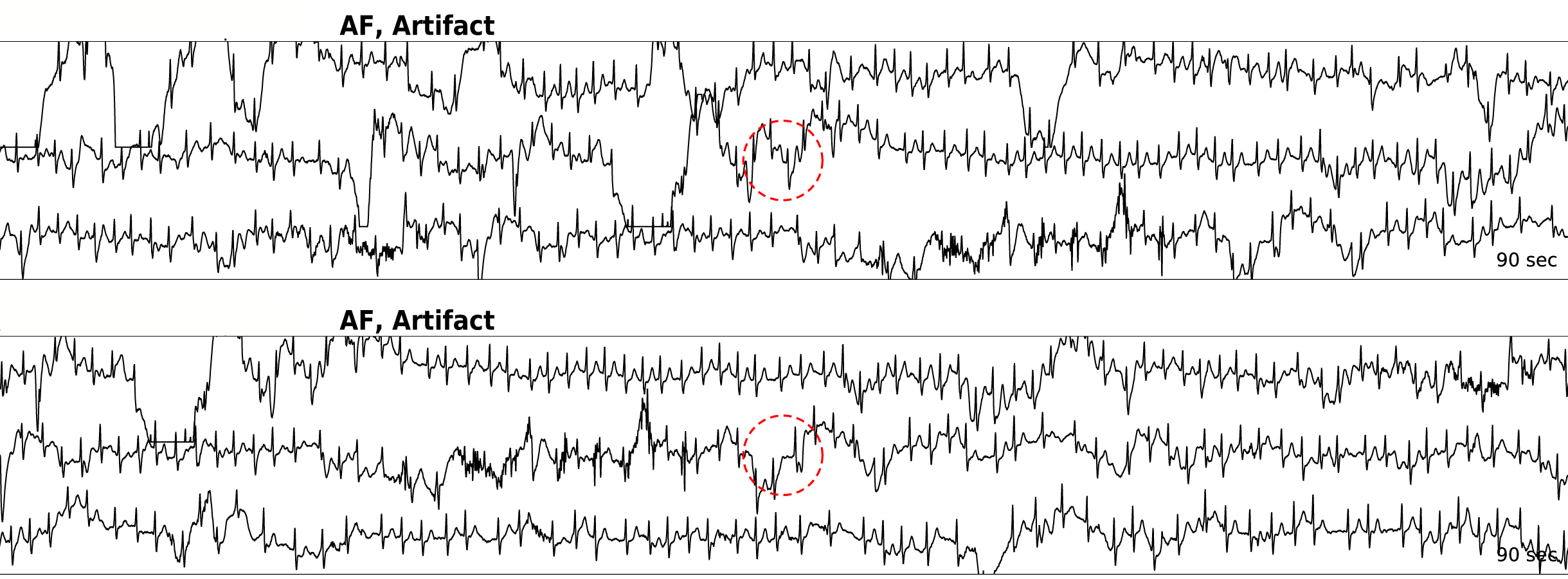
Here's a few representative tracings from the earlier patient when this person pressed the patch's button (denoted by the red circle) at the time of the patient's "symptoms:"

(Click image to enlarge)


As expected: nothing but atrial fibrillation with fairly rapid ventricular response. Certainly there's no real emergent concern with these findings.

But then came the spouses' addition to the patient's history as I called them with the patient's patch-monitor results:
"You know what's been strange? Sometimes at dinner he/she just looks down at the plate for a second and doesn't respond, then asks 'What are you yelling at me for?'"
Here's what the full-disclosure patch-monitor recording from Day 8 from meal time:

(Click image to enlarge)

Needless to say, over nine seconds of asystole is probably the reason the patient failed to respond to their spouse and is the most likely cause of the patient's rarely perceived periods of lightheadedness. Ten other pauses over three seconds had transpired at many times of the day amongst the 14-day recording, yet none were perceived by the patient.

Unusual?

Certainly.

But now I know it's not too unsual for the vagaries of atrial fibrillation.

-Wes

(Disclaimer: I have no commercial interest in the ZioPatch, iRhythm, or St. Jude Medical)

Tuesday, September 13, 2011

For Your Safety: How to Prescribe an Antiarrhythmic Drug

First, read an 8-page treatment guideline.

Next, read the 26-page prescribing information.

Next, read the patient's 3-page medication guide.

Next, fill out a database form for the drug company to add yourself to their new-and-improved database (even though you've already registered with them once before) once again before January 1, 2012.

Next, (and this is important), agree to the following:
  1. That patients initiated or reinitiated on the medication should be admitted for three days and a bunch of other stuff with that,
  2. That you understand that following the treatment initiation and dosing guidelines in the drug's label will decrease the chance of a drug-induced arrhythmia
  3. That you will inform the patients of the risk of arrhythmias
  4. That you will need to see them for an EKG and blood tests every three months
  5. That you will provide a Medication Guide to each patient at the initiation and re-initiation of the drug's therapy and that you will review the contents of the medication guide personally with each patient.
Sign the form and wait for the drug company's approval.

I have no idea where the every "three month" suggested lab testing and EKG requirement came from and have to wonder: if I sign their form, what is the economic burden to patients who must pay for this mandated testing? Who will enforce these requirements? Will following these recommendations absolve a doctor from potential liability with this medication? Do any of these requirements tell us anything about problems with the medication after they are prescribed?

No.

But these requirements make our regulators feel good while ignoring the very real financial and time costs that they impose directly on patients and doctors.

For instance, I called the company and asked if they would provide me their required Medication Guide to give my patients. They politely suggested I take the time to print out the guide from their TikosynREMS.com website for each patient. Or better yet, maybe I could have my staff make copies of the three-page form for my patients!

Gee, thanks.

No doubt we'll soon have PradaxaREMS.com, EliquisREMS.com, SeroquelREMS.com, ViagraREMS.com and hundreds to thousands of other REMS websites, each with their own prescribing guides, patient medication quides and database registrations.

Safety first, remember?

I just wonder when I'll have the time to see all of my other patients.

-Wes

Know What Barry Knows

.. and Get Back in Rhythm with Barry Manilow!

But you should also know this: as a physician who sees patients who already can't afford many of their antiarrhythmic and anticoagulant medications, these advertising and awareness campaigns are enough to make me avoid Sanofi products.

I know of no other way to stop this lunacy.

-Wes

Wednesday, May 25, 2011

Atrial Fibrillation Ablation - Marketing Through Scientific Publications?

Circulation, a major cardiology medical journal, just published an article on atrial fibrillation ablation, complete with extensive video - all available for free online. It's an informative piece, but I found myself wondering why this piece was "unlocked" and available to the public for free when the most of the rest of the journal is locked. In the video, the atrial fibrillation magically disappears - I'm not sure how. Was it by ablation? Or did a cardioversion occur that we didn't see? And where is the discussion of potential complications? Should they be mentioned? The viewer is left to wonder if we're watching a promotional video rather than a truly balanced perspective on the technology. Might industry have supported this publication? Or maybe it was the hospital system's marketing department?

It isn't that the article doesn't have value. I just wonder if a new form of critical scientific review or additional disclaimers are warranted when video supplements are added to journal articles now that print-media is nearly obsolete.

-Wes

Wednesday, February 16, 2011

For Guidelines: Hyperlinks, Please

This week, in response to the approval of Boehringer-Ingelheim's dabigatran (Pradaxa®) by the FDA, guideline writers were relatively quick to issue a 'focused update' (pdf) to the recently-released 2011 guidelines for the management of atrial fibrillation to include the new medication.

With this "focused update" came a new era for doctors.

Now, instead of guidelines for care of a malady being published in a single publication, we are finding guidelines can morph across multiple articles. As such, the size and breadth of guidelines that are increasingly used for mandates for clinical care can stretch over a virtually limitless publication domain.

In this era of electronic, near instantaneous publication with the now-apparently limitless potential to expand to unlimited size, doctors should insist that electronic hyperlinks be established between published guidelines, their addenda, and their associated references.

-Wes

Wednesday, September 22, 2010

Another Robotic Catheter Joining the Afib Ablation Fray

... and according to this press release, this one deflects in a very cool way (video here):
Existing commercial catheters are manually controlled and can only move in two directions. These catheters require doctors to painstakingly manipulate the catheter to control exactly where each individual lesion should be applied.

But the robotic catheter developed by Buckner's team significantly reduce operating times, utilizing "smart materials" to provide significantly better maneuverability. The smart materials act as internal muscles, contracting when an electric current is applied. This allows the catheter to bend left, right, up, down or any combination of those directions. Furthermore, doctors can use a specialized joystick to locate key points on the atrium. A computer program can then trace a curve along those points – essentially connecting the dots – creating a solid line of scar tissue that will block the electric signals causing fibrillation.
A few words of caution about this press release. First, to my knowledge this catheter has not been commercially developed nor tested in humans.

Second, I find catheter manipulation is not "painstaking" but fun (just me, I guess). Further, moving catheters to a location in the heart is the relatively easy part during catheter ablation - holding it at a location and applying an appropriate amount of pressure to the heart so that energy can be applied safely without perforating the heart are even more important engineering prerequisites for any of these robotic catheters to be adopted clinically.

Still, the prototype's flexibility and mobility are impressive and sure would make for some exciting entertainment possibilities at home in the lab, too!

-Wes

Reference: Press release from North Carolina State University

Tuesday, August 31, 2010

The Realities of Comparative Effectiveness Research

If there was one place research should be easy to perform, it’s on a disease that’s incredibly common.

Further, if there are two generally-accepted strategies to treating symptomatic patients with that ailment – one invasive and the other not – it should be pretty easy to compare which is best, right?

Maybe. Maybe not.

Welcome to the real life world of comparative effectiveness research, that politically and pundit-popular means to decide which treatment approach doctors should utilize and which, based on the results of these studies, our government will decide which approach they will fund.

But first, before starting the study, decide which way you’re leaning. Call that your “hypothesis”. Make sure your desired approach is the invasive one (this is very important) - that way, patients feel that at least you are trying to do something.

Good.

Now, be sure there are plenty of articles in the literature supporting your approach, but also discussing the substantial risks that might occur if that option is used and an accident happens.

Then have plenty of articles in the literature that talks about the other non-invasive but potentially dangerous treatment option.

Then go before your Investigational Research Board (IRB). Show them how cool it is and convince them this is the first prospective randomized trial comparing the two forms of treatment for this incredibly common disorder. Have a 15-page all-inclusive consent for the patient describing the good, the bad, and the potentially ugly. No, make it 17 pages just to be sure. (They’ll like that). Get the IRB’s blessing.

Then announce the trial to your colleagues and patients.

Then wait for the patient referrals from your colleagues who do not have the same vested interest in the trial as you, or wait for the Perfect Patient to enter your exam room.

Spend an hour with them telling them about the trial.

Then tell them that you really don’t know which option for therapy is best (and that's why you're doing the study), even though they have come to you in hopes you’ll explain to them which treatment option is best.

Look at their confused faces.

Offer plenty of time for them to decide if they want to be in the trial or not.

When they don’t call back, call them again to remind them about the importance of the trial. Talk to them for two more hours to answer their questions. Try to stay neutral to let them decide.. Hear them looking up things on the internet. Clarify the purpose of the trial to them. Sense their pressure.

Then watch them decline simply because they can’t decide whether to be in the trial or not.

Lather. Rinse. Repeat.

* * *

Sound familiar to others trying to do this work?

Now look at which topic was #1 of the Institute of Medicine’s Top 100 stand-alone topics for the First Quartile in which to perform Comparative Effectiveness Research.

Yep, atrial fibrillation.

Here’s the sad reality: the first comprehensive NIH and industry-sponsored comparative effectiveness trial studying the best approach to treat atrial fibrillation, the CABANA Trial, is having one hell-of-a-time enrolling subjects.

No one knows why.

But I suspect there are several reasons:

1) CER is complicated. Perhaps too much is being asked of these trials and their investigating centers since not only are clinical endpoints being studied, but costs as well.

2) These trials cost more to perform than they are funded. People can only work so long out of the goodness of their hearts until they must turn to some income-producing endeavor to justify their existence. In our current cost-conscious era, resources are limited for any complex, underfunded study.

3) Patients are better informed about their treatment options than ever before. This affects recruitment of subjects in several ways: (a) because of pre-conceived biases favoring one therapy over the other before a patient is even invited in to a trial, (b) a more educated subject population regarding the risks of any proposed therapy.

The real question becomes, can we really expect to put all our health care reform financial eggs in the unrealized promise of comparative effectiveness research trials when it’s so damn hard to enroll patients in these trials?

-Wes
Saturday, July 10, 2010

Atrial Fibrillation: To Ablate or Not Ablate - That Is the Question

I should have referenced this earlier: Dr. John Mandrola, cardiac electrophysiologist from Lousville, KY offers his thoughts on the complexities of trying to decide when atrial fibrillation ablation therapy is appropriate (as opposed to medical therapy) and provides an excellent overview of the varying factors that weigh upon that decision.

I would only like to reinforce his suggestion for patients to consider enrolling in the NIH-sponsored prospective randomized CABANA trial that compares drug versus ablative therapy in symptomatic patients with atrial fibrillation. Only through careful, systematic study of this disorder can we hope to improve our understanding of the best treatment recommendations for atrial fibrillation.

-Wes

h/t: Reminder offered by @HRSOnline via Twitter.
Image courtesy the Dr. John M blog.

Monday, June 28, 2010

Why Did Dick Cheney Develop Heart Failure?

Years ago, when I was indoctrinated as a fellow in to American College of Cardiology, Dick Cheney - then a former secretary of state, was the keynote speaker at our commencement ceremony. His keynote speech reflected on what it was like to watch his father die following a massive heart attack, comforted only by morphine, oxygen, bed rest. By then, Mr. Cheney, already a recipient of two bypass operations, made a point to thank the cardiovascular community for helping him.

Many years later, Mr. Cheney's complicated yet remarkable cardiovascular history reads like a social studies timeline - one with heart attacks, arrhythmias, blood clots, and now, congestive heart failure. (Of course, political spin meisters want to make sure we call it "fluid retention" rather than congestive heart failure, since "failure" is not an option when speaking of all things political).

Congestive heart failure is nothing more than an insufficient pumping of blood to meet the body's needs. As a result, the kidneys detect the decreased perfusion pressure and trigger the release of a cascade of hormones to increase the blood pressure to maintain perfusion of the tissues. Some of the hormones help retain fluid in the vascular space. If this fluid becomes too excessive, the fluid can spill into the lung resulting in a sensation of shortness of breath, usually worse when lying flat. One of the main drugs used to fool the kidneys to release the accumulated fluid are diuretics - the most common being furosemide (Lasix).

There are a number of things that may have contributed to the development of Mr. Cheney's heart failure. Since HIPAA knows no bounds with disclosing Mr. Cheney's heart history, we can use this opportunity to tease apart a few possibilities.

First, dead meat don't beat.

It doesn't help that Mr. Cheney has had many heart attacks in the past. With the progressive loss of healthy muscle cells to to the heavy lifting of contraction, the ejection fraction falls. At first, the heart compensates by recruiting other, non-injured segments of heart muscle to take up the slack, but with each successive heart attack, the reserve heart muscle dwindles. Lose enough muscle and the heart must rely on increasing the rate at which if contracts to increase output, but for hearts already with limited blood flow this might lead to futher shortage of oxygen to the heart muscleto When this happens, the heart rate kicks up just a bit to increase cardiac output. If it kicks up too much, the heart can outstrip it's own oxygen supply, resulting in additional injury to the heart. This is part of the reason medication that slow the heart rate (beta blockers) can be helpful adjuncts to preserving heart muscle function and slowing the progression of worstened heart failure.

Second, Mr. Cheney's atrial fibrillation.

The loss of coordinated pumping of the top chambers (atria) just before the lower pumping chambers (ventricles) can lead to 10-20% drop in effective cardiac output in some patients. The irregularity of the heart's rhythm while in atrial fibrillation also causes a loss of coordinated closing of the normally one-way valves that direct the flow of blood through the heart, further compromising the heart's pumping ability. Rate control of atrial fibrillation or the restoration of normal sinus rhythm in the heart are often important adjuncts to the treatment of atrial fibrillation.

Third, is the presence of Mr. Cheney's defibrillator.

Although we do not know for sure, it would not be surprising if many of Mr. Cheney's heart beats are being supplied by his defibrillator's pacemaker feature. Excessive pacing the right ventricle can cause a dis coordinated beating of the lower pumping chambers, resulting in a subtle, but real, fall in cardiac function during paced heart beats compared to beats that are not paced and normally conducted from the top to bottom heart chambers. At some point in the future, Mr. Cheney might benefit, in appropriate circumstances, by adding extra pacing wire to his existing defibrillator system (so-called biventricular pacing) to re-coordinate the contraction process of his heart chambers above and beyond that which can be achieved with medications alone.

Finally, might he have new portions of heart muscle lacking sufficient oxygen?

Not all coronary arteries that might be partially blocked can be revascularized during surgeries or angioplasties. As a result, some segments of heart muscle might not have enough blood flow to maintain proper function, yet have just enough to survive intact. Many of our medications help lower blood pressure to decrease the work the heart has to perform on a beat-to-beat basis, dilate blood vessels to improve coronary blood flow, and work to decrease the negative affects that excessive adrenaline-like compounds can have on the heart's remaining muscle cells. The very fact that his doctors did not feel further invasive procedures were necessary suggests Mr. Cheney's revacularization options are limited at this point.

So given his current setback, what should we expect regarding his prognosis?

Hard to know. But given what I know about the successful management of heart failure these days, I wouldn't count him out quite yet.

-Wes

Tuesday, June 08, 2010

When Atrial Fibrillation Recurs

... as told this morning in the Washington Post:
"I was amazed at how quiet my heart was," says Currier, a 69-year-old resident of Springfield. But the benefits of the treatment, called catheter ablation, didn't last. Soon her heartbeat became erratic again, forcing her to ask: What should I do?

That's the dilemma facing more than 2.2 million Americans who have atrial fibrillation, the most common heart arrhythmia and one of the most vexing to control. While treatments ranging from medication to surgery are proliferating -- and often are marketed aggressively by hospitals -- no one can say with certainty which will work best for any individual patient. And each treatment has side effects, some of them serious.

"We don't have great evidence to help patients and doctors make a fundamental choice among the treatment options, which differ dramatically," says Steven Pearson, president of the Institute for Clinical and Economic Review, which evaluates medical treatments and is affiliated with Harvard Medical School.

That makes A-fib, as it's commonly called, a top candidate for comparative effectiveness research, say Pearson and other experts. Congress set aside $1.1 billion last year for this type of research, which involves head-to-head testing of drugs and treatments to determine which work best, and for which types of patients. Advocates say such research will improve health care and help get costs under control.

More information about A-fib therapies, for instance, would allow doctors to customize treatment for specific patients, says Harold Sox, a prominent internist who headed an Institute of Medicine committee advising Congress on how to spend the comparative effectiveness research funds. The committee issued a report recommending that atrial fibrillation should be a top candidate for such funding when it is given out by the government in the coming months.
So I found it interesting that while the above article alluded to, but did not mention by name, the multi-center, prospectively randomized pivotal trial ongoing now called the CABANA trial (Catheter ABlation versus ANtiarrhythmic drug therapy for Atrial fibrillation). So far, only 46 patients of nearly 3000 patients needed to complete the study have been enrolled. It is anticipated that over 140 centers around the world will participate.

Yet despite the widespread prevalence of atrial fibrillation, the study has been slow to enroll. We should ask ourselves "why?"

Let me count he ways.

First, is the public and referring doctors are not aware of the study and the pivotal trial is just getting underway. (This morning's article should help a bit.)

But there are other issues...

... like the media and other doctors' pre-conceived understanding of the procedure - "I-hear-that-ablation-stuff-is 90-98% effective, so just go in there and get your afib ablated and you'll be fixed" attitude. Patients have seen the glowing early results of catheter ablation, touted by some early on with "85 percent" success rates (which, quite frankly, are hogwash, unless we count people who continue to take antiarrhythmic drugs following their ablation - hardly a comparison of the two approaches).

But other early trials that only looked only at the time to first afib recurrence have had glowing press coverage as well, potentially biasing recruitment efforts for the CABANA trial.

Finally, there's the complexity of recruiting patients. Patient's usually prefer a "guick-fix" and many might be less inclined to participate in the CABANA trial's five-year duration. Also, gathering the vast quantities of information required for such a comprehensive evaluation of these two widely-disparate treatment approaches involves numerous medication, heart rhythm, and patient evaluations throughout the study's course. When one tries to capture every single warfarin medication adjustment or palpitation on event recorder, the manpower needs and time required to complete such a "comparative effectiveness research" trial in the era of manpower constraints being imposed on hospital systems limits enthusiasm for conducting such large trials. Are we to assume doctors who are already taxed with ever-growing clinical responsibilities can easily pick up the slack? That's why centers with higher research nurse-to-doctor ratios will be the centers most likely to recruit faster.

Which leads other less well-endowed medical centers to wonder if the results of these types of trials will really reflect "real-world" clinical medicine.

Probably not.

But when you don't have much else to go on, and the money for research is increasingly showered on large health care systems, it might be the best we can do as a country. What this might mean to smaller, more rural health care delivery as the government applies the results of this trial across the nation remains to be seen.

-Wes

Disclaimer: I am the principle investigator for CABANA trial at our institution and yes, we have one research nurse dedicated to this trial.

Sunday, March 14, 2010

Basics of Atrial Fibrillation Pharmachologic Management

... nicely reviewed by interventional cardiologist and a fellow physician blogger, Sarah Clarke, MD over at the BCS blog.

-Wes