Showing posts with label heart. Show all posts

Friday, April 13, 2012

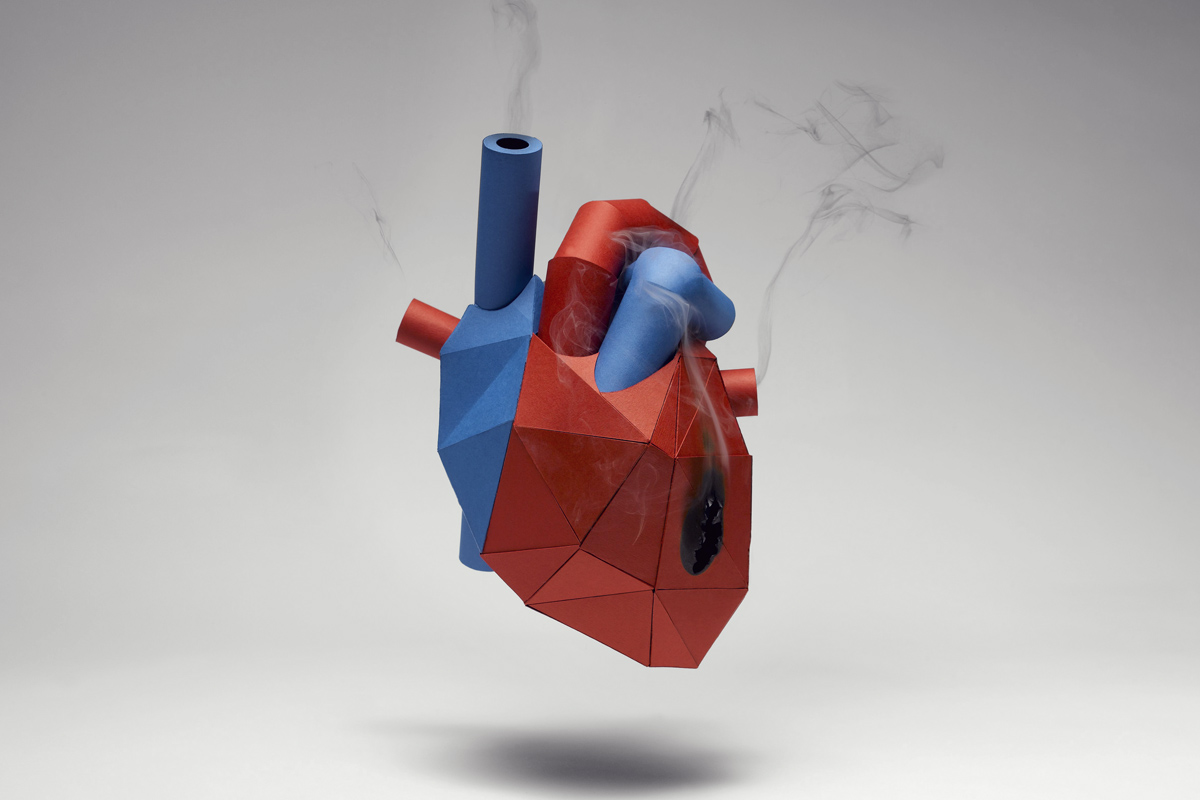
A Heart Attack In Paper

By Kyle Bean:

Click to enlarge
-Wes

h/t: SIXAND5

Saturday, October 01, 2011

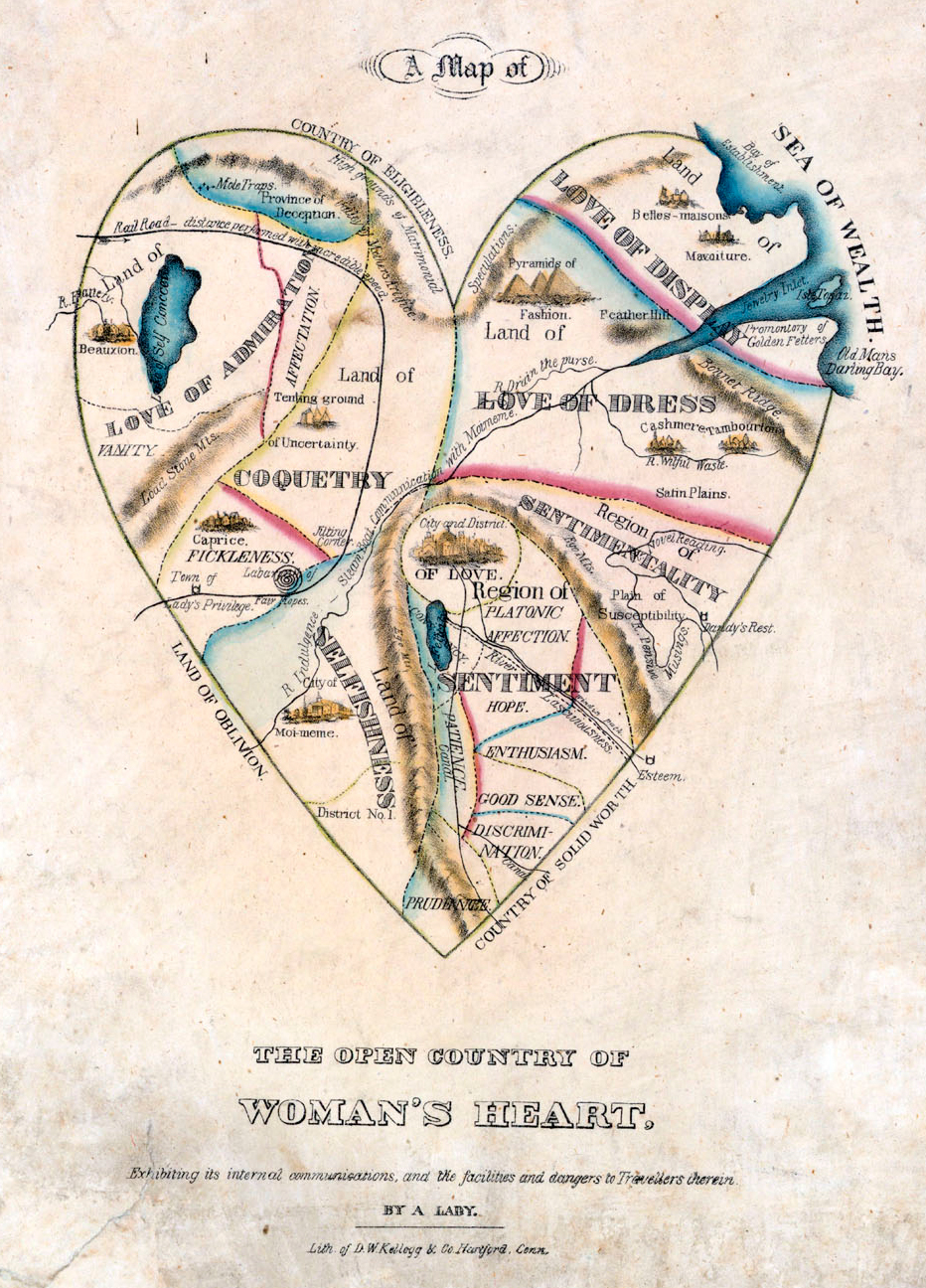
The Open Country of a Woman's Heart

A map from the early 1800's of some very complicated terrain:

Click image to enlarge

-Wes

Monday, February 28, 2011

The Lost Art of Auscultation

From the nice piece just published in the New York Times:
“He told us that one of the things that had surprised him most about being a patient was that every single person he interacted with — be they nurse, resident, senior physician, respiratory tech, physical therapist — it was as though they had a neon sign on their forehead that said either ‘I care’ or ‘I don’t care.’ ”

But what illuminates those neon signs? What are the clues that were so starkly apparent to me, even in second-year medical students?

Perhaps the answer lies in the medical lexicon. Auscultation — listening to heart sounds with a stethoscope — is a required skill.
Read the whole thing.

-Wes

Friday, February 04, 2011

February: Heart Month or Marketing Month?

Heart disease and February. What relationship could be more cozy?

From the scary risks of shoveling snow (yep, you could DIE, so be sure to lift a little at a time!), Mercedes-sponsored red dress parades and government-sponsored National Wear Red Day®, to tips for identifying heart attacks in women (men, you need a different month I guess), February has all the important stories to improve your "awareness."

Such a polite term, "awareness."

But I wonder, now that the internet is upon us and people are seeing their insurance rates and co-pays skyrocket if maybe we're shooting ourselves in the foot with all this heart month marketing hype. People are sick and tired of testing "just to be sure." It's starting to directly cost them a fortune, and people are pissed at having to pay a fortune for health care, let alone heart care.

I know, I know, I should be at the forefront of working with patients to stomp out heart disease. And goodness, people DO need to be attuned to diet, exercise, and weight loss. But the reality is, if we're giving you the ten latest tips on how to detect a heart attack, we're probably a bit too late.

That's the problem with all these press releases: while there's a need to raise "awareness" of heart health, there's also a very real need for people to take us, heart disease professionals, seriously to help cut costs in health care here. The last thing our health care system needs is more frivolous testing. Yet this is exactly what all this marketing does for our health care system: and it helps those with the largest PR budgets most of all.

Of course, there are researchers who depend on a portion of the funds raised to continue their work. After all, research is ridiculously expensive. There really is a need to raise funds for these scientists if we're going to continue our tradition of creative innovations in cardiovascular health care.

Maybe that should be the story line.

Maybe it would be nice to highlight these researchers' work and what that work hopes to bring to people rather than splashing a big feel-good red dress parade all over the media. Maybe we could focus on real life stories and less on the hyperbole. Maybe we could focus on the challenges, rather than the accolades and perfection.

Maybe then we'd have people take us seriously.

-Wes

Friday, October 15, 2010

Look! Up There! It's a Bird... It's a Plane...

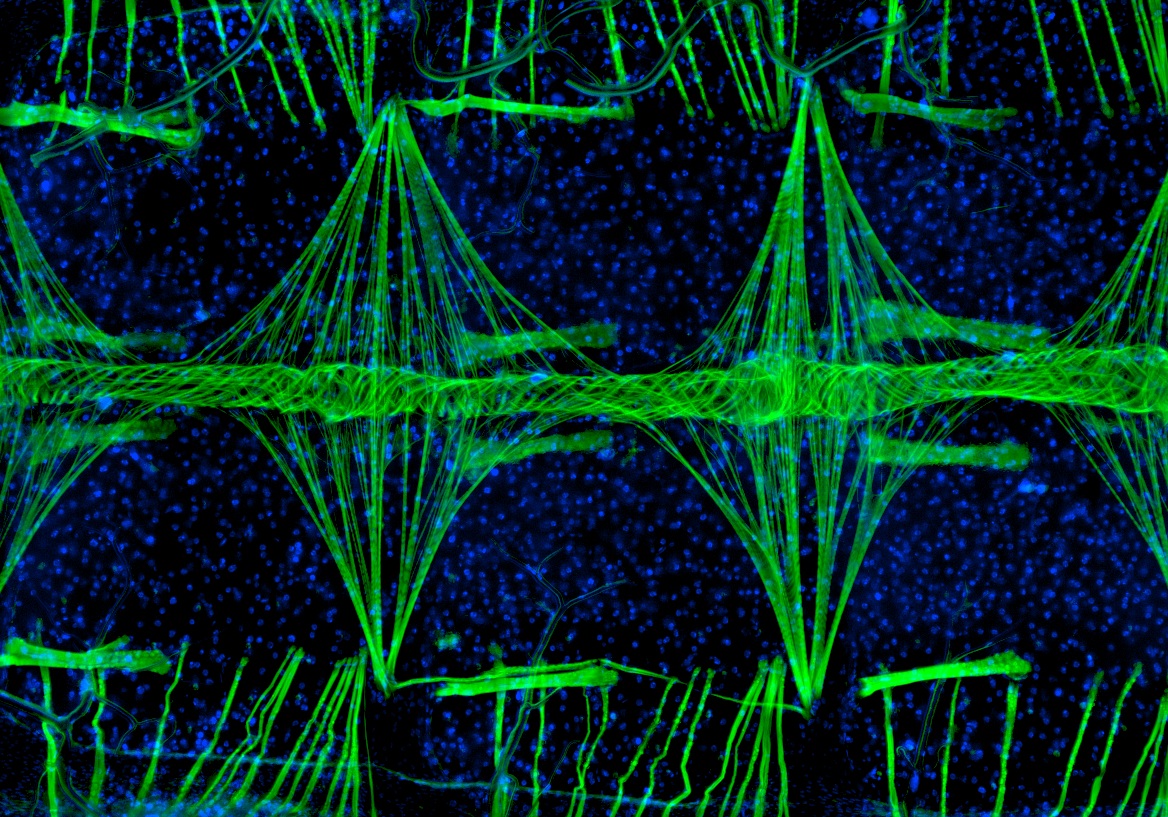
... it's a mosquito heart!

Click image to enlarge

And to think how many times I've crushed this architecture with glee...

-Wes

Saturday, April 24, 2010

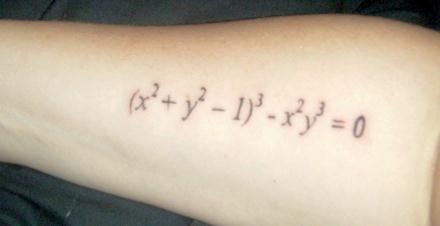
Heart Curves


One very unique, nerdy, and thoughtful tattoo made from a heart-shaped equation.

-Wes

h/t: Dr. Ramona Bates via Twitter.

One Man's Mission

Mr. Ron Murray, a tranplant heart recipient, tells his story:


From the video:
"… if the transplant issue ever comes up for anyone listening, that’s almost the first thing they would think, too. If I had time to think about it over that year, I would have realized, oh my God, I would have apprehension all built up about how I would react to...I mean is it going to change my way of thinking? Is it going to alter my own thoughts? None of that holds up, ultimately.

When I realized that there was going to be, forever, an emotional component, and maybe a spiritual component to this thing that I hadn’t thought about, is when I became – God, I don’t even know if I can tell you about it – that I began to grieve for the donor, that brought be to tears several of those nights.

But they weren’t bad tears, they were were just, like tears you feel when you go to a funeral – someone you know – and I didn’t know Kevin but I did now, is the way I looked at it. And so, the rest of my time in the hospital was an alternating time between listening to music in my head and writing it and making it up, and thinking about Kevin and his family and what all of this really means to my future life.

So, I formulated a plan to try to reach a lot of people for the specific reason that I passed up so many deserving people on the Austin transplant waiting list. There were 12 people ahead of me who had been waiting for a heart, sometimes up to a year, and I had only been on the list three weeks and here I am jumping ahead to get the heart. (By the way, he saved four or five people that night – he was a donor of everything).

So I figured the reason that I jumped ahead of so many people was because there was such a severe shortage of donors, and ultimately that proved to be true. So anyway, my effort now is to reach as many people as possible, and this is part of that effort…”
Remarkable guy. May his message reach millions.

-Wes

Monday, April 19, 2010

Art From the Heart

... at least I think this is what we'd call this:


(I like the mosquito...)

-Wes

Reference: From Droolart on Vimeo.

Friday, April 02, 2010

One Heart Nailed

... and he lived (video) to talk about it:
The man’s heart was pierced as he was nailing boards with a co-worker at a carpentry shop. The shop’s owner said the men were working together, when suddenly, they ran into each other resulting in the nail gun going off.
Oops.

-Wes

Monday, March 15, 2010

Back By Popular Demand: Sex, the Heart, and ED

Today, I proved what I suspected: if you want readership, write or Tweet about sex and the heart.

Needless to say, in a little over 30 minutes, I garnered 30 new Twitter followers by live-tweeting what I learned in the "Sex, the Heart, and Erectile Dysfunction (ED)" session at the American College of Cardiology meeting in Atlanta. For those who might have missed it, I have organized the tweets in chronicalogical order for your enjoyment benefit:
Okay, at Sex/Heart session: Standing room only. Docs, pharma here. Um, will doctors attending please stand up? #acc10

NEWS! Most people with CAD have ED! Up next: Cardiac response to sexual activity... #acc10

10 healthy married couples studied: all kinds of positions and O2 consumption measured. #acc10 orgasm rocks the heart rate up 72%!

Guys on top: MUCH more exertion for men. Who knew? #acc10 Large variability of HR & VO2 - younger men a bit more, um, vigorous.

Man on top: 3.3 Mets, partner on top 2.5 Mets. Uh oh: Topic now not PG-13 rated... #acc10

Extramarital sex: HR 96->150; later same day w/wife: HR 62->92. REAL data. Conclsn: extramarital sex more risky #acc10< In more ways than 1

2 flights of stairs w/o stopping equals one romp in the hay in terms of workout #acc10

Oops, seems 6 Mets of exertion on treadmill tolerated means sex is safe. #acc10 Rock on, folks!

RT @gruntdoc: twitter rank skyrocketing. NEWS! Most people with CAD have ED! Up next: Cardiac response to sexual activity...< heh #acc10

OMG! Lots of therapeutic options if meds don't work: topical, intrcavernosal or intrarethral options; implants too. #acc10 Can I go now?

Remember nitrate warning...wait 48 hrs after stopping nitrate b4 using Viagra or Cialis or Levitra. #acc10 Now if u have CP, don't call me.

RELAX trial: randomized trial (evaluating use of ED drugs) looking at "stiff hearts" (diastolic dysfn) underway. #acc10 Wait, I thought stiff was good.... [kidding]

Revatio 20tid & Adcirca 20 qd used for pulmonary HTN to decrease pulmonary pressures. #acc10 Looks like juicy sex stuff has to wait.

Email inbox full after twittering sex/heart info. #acc10 (well, not quite, but 13 new followers in under 30 min) < Proof that sex sells!

Zzzz. Discussing sildanefil (Viagra) in mice. #acc10 Mice have enough sex, can we move on?

Great! A woman is about to speak! #acc10 Endocrine aspects of sex - awww, talking about male hypogonadism. Sorry ladies...

Yikes! 2000 men with low testosterone had higher mortality in Europe. #acc10 Arnold (Swartzenegger) is safe.

Peak testosterone level in men is age 28! #acc10 I'm dyin'.... [scratch that] I'm dead.

Can we use ED to prevent heart disease? #acc10 ED is assoc w/ incr CV death. ID of pts offers opportunity to steal cases from urologists!

ED is, after all, a VASCULAR disease. #acc10 I've heart of a throbbing heart but... er, never mind. (Urologists beware).

Asking about ED is as good as drawing CRP level in men! #acc10 hey, great way to save $$$$!

We were introduced to a new concept: A cardiac sexologist! #acc10 I'm in!

Q: what about women? A: Women getting Viagra. Women w/pulmonary HTN report greater sexual activity #acc10 honey, you're script's waiting 4u!
So there you have it.

I must admit, that was, by far, the most fun I've ever had attending a scientific session.

-Wes

Wednesday, March 03, 2010

Coffee and the Heart - Good or Bad?

This week, it seems to be good:
“People who are moderate coffee drinkers can be reassured that they are not doing harm because of their coffee drinking,” said Arthur Klatsky, the study’s lead investigator and a cardiologist at Kaiser’s Division of Research.
These "surprising" data are to be presented at the AHA meeting March 5th. (You'll have to wait until then to get the REAL scoop, it seems.)

But a quick Google search on Dr. Klatsky's earlier studies using the same questionaire database shows the problems with using questionaire data to make such sweeping conclusions. Take, for instance, these findings from 1973:
"Coffee drinking is not an established risk factor for myocardial infarction."
And yet a bit later, in 1990, there's a flip flop:
Because of conflicting evidence about the relation of coffee use to coronary artery disease, the authors conducted a new cohort study of hospitalizations among 101,774 white persons and black persons admitted to Kaiser Permanente hospitals in northern California in 1978–1986. In analyses controlled for eight covariates, use of coffee was associated with higher risk of myocardial infarction (p=0.0002). (By the way, British researchers failed to find a similar correlation in instant coffee drinkers)
So what, really, do these data from the Kaiser questionaire data regarding heavy coffee consumption and the heart say?
What they say is:
  1. Questionaire data crunched to suggest correlations are insufficient to mean causation, irrespective of how the media parses it.


  2. Questionaire data are subject to significant sampling and reporting biases.


  3. Rehashing the same old questionaires using the same samples with newer data can dramatically alter prior findings.


  4. Researchers are getting paid way too much to keep rehashing the same data for large health systems.


  5. On the lighter side, college undergrads and medical students should note that they could use these types of questionaire data to justify significant caffeine consumption along with alcohol to protect themselves from developing cirrhosis.
* Sigh *

-Wes

h/t: The Happy Hospitalist for the story idea.

Saturday, February 06, 2010

Anatomically Correct Gifts for Everyone on Valentine's Day

For your ex-, consider this giant bleeding gummy heart candy or maybe some of these chocolate hearts from "Pushin' Daisies."

For your sweetheart, though, it's probably better to stick with this heart locket that opens to reveal the heart's four chambers.

Me? Well, the abstract has appeal and for that, I'm leaning toward getting one of these t-shirts. The only problem is, the shirt's probably better for those interventional cardiology "plumber" types.

-Wes

Saturday, January 16, 2010

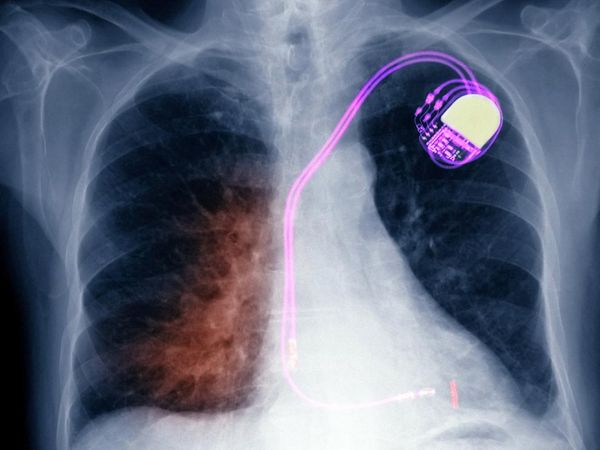
Photo Gallery: The Heart

Click image to enlarge

The above is a retouched photograph of an 82 year old patient's chest x-ray with a pacemaker and pneumonia that hails from the photo gallery from National Geographic.

You can download "wallpaper" sized images from their collection at the link above to adorn your computer monitor's background or the wall of your office or lab.

-Wes

Saturday, January 09, 2010

Guys: Finally Some News You Can Use

I'm not making this up. From the American Journal of Cardiology:
"In multivariate models adjusted for age, covariates, ED (erectile dysfunction), and the Framingham risk score, a low frequency of sexual activity in men (once a month or less vs ≥2 times weekly) was associated with increased risk of cardiovascular disease (CVD) (hazard ratio 1.45, 95% confidence interval 1.04 to 2.01)."
And yes, the lead author was a woman.

Honey, you readin' this?

-Wes

Nevada Supreme Court Denies Insurance to Smoker

Could this be the start of a trend?
The Nevada Supreme Court on Friday upheld a ruling that a Las Vegas police officer was not entitled to coverage for heart disease.

Under state law, a police officer continuously employed for more than five years is entitled to the presumption that any heart disease is work related. Patricia Guesman, however, was denied coverage by both the hearing officer and a district judge.

The Supreme Court noted coverage is not automatic if “after the police officer's annual medical exam, the examining physician ordered her in writing to correct a predisposing condition that was within her ability to correct and the officer failed to do so.”

The three-justice panel of Ron Parraguirre, Michael Douglas and Kris Pickering pointed out that smoking is a predisposing condition to heart disease. Guesman was warned to stop smoking but failed to do so.
So I guess when the Nevada state's finest develops any form of heart disease (i.e., critical aortic stenosis not typically associated with smoking) and treatment is required, the cost burden will shift from the state to the federal government.

Perfect.

Gee, I wonder why they didn't exclude treatments for oral and bladder cancers, too?

-Wes

PS: All this while Nevada works to ease up on its smoking ban.

Tuesday, October 20, 2009

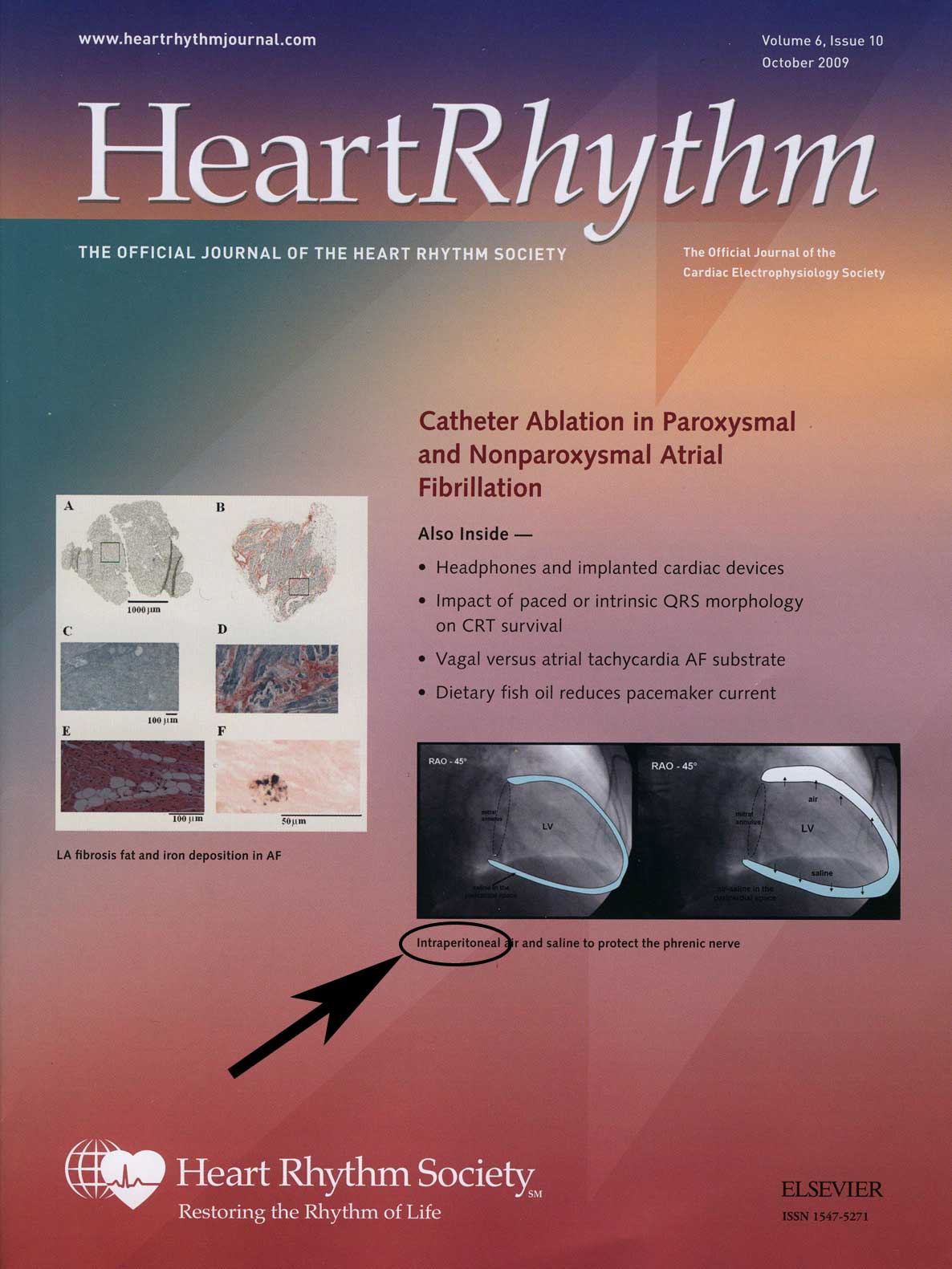
Erratum

Click to enlarge

What's wrong with the cover from this week's Heart Rhythm journal. (Hint: arrow).

This is why I don't think I'd ever like to be a copy editor because some smart a** will point out things like this.

-Wes

h/t: A fellow colleague in crime

Thursday, October 01, 2009

Electricity and the Heart

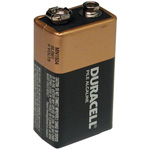
The heart is an amazing organ - incredibly strong as it beats over 31 million times a year while generating enough pressure to eject a column of blood over 5 feet high with each beat, yet incredibly fragile as it can degenerate into a quivering, disorganized lump of muscle with little more than the current from a 9-volt battery.
We've all done it at one time or another: touched a 9-volt battery to our tongue. If that little tingling sensation on the tongue is strong enough, well then, there's probably enough power left in the battery to use it in a smoke detector or transistor radio.

But there is probably enough energy remaining to fibrillate the heart, too. Fortunately for those lingual testers, the not enough energy passes toward the heart as the electrons flow between the closely-approximated poles of the battery as it touches the tongue.

But if there were a wire connected to the heart and the battery passes current to the heart via the wire, ventricular fibrillation ensues as the cells in the heart reach threshold and fire in an uncoordinated fashion, causing the pumping to cease as the wondrous muscle to quiver erratically.

It only takes 1 milliamp of current applied for a sufficiently long period of time (seconds) for the myocardial cells to reach threshold and fire haphazardly, creating ventricular fibrillation. For medical students and residents, the thought of inducing a fatal arrhythmia with something as simple as a 1.5 volt or 9-volt battery seems almost unreal, until they see it in person.

Sometimes in my field there is a need for inducing ventricular fibrillation. Now before people think I've completely lost my senses, realize that cardiac electrophysiologists induce ventricular fibrillation nearly every time they implant a cardiac defibrillator (ICD) to assure the device will properly detect, charge, and restore a patient's heart rhythm in a carefully controlled setting with the patient sedated. This procedure was particularly important in the nascent days of ICDs that were not as efficient at restoring normal rhythm as they are today. Still, it is estimated that a little more than 5% of initially-implanted defibrillator systems will have unacceptably high energy requirements with their initial lead configurations to assure proper cardiac defibrillation. So with proper backup defibrillation capabilities, patient selection and special safety precautions, defibrillator testing (that is, inducing ventricular fibrillation in a controlled setting to confirm that the ICD will function properly) is usually performed at the time of ICD implant. If excessive energies are required to restore the heart rhythm to normal, electrophysiologists reposition or add additional shocking electrodes to achieve acceptable defibrillation energies before the patient leaves the laboratory.

On very rare occasions, however, the conventional means of inducing ventricular fibrillation during ICD testing proves unsuccessful. In those rare cases, electrophysiologists often reach for a 9-volt battery to induce the abnormal heart rhythm to permit defibrillator testing. Suffice it to say, the amount of current required to achieve such a feat is remarkably small and it is almost always successful when other modalities fail. It is no accident that special electrical grounding and isolation circuits are built into all electrophysiology laboratories to avoid even the smallest of current leaks that might cause inadvertant induction of ventricular fibrillation. After all, nowhere are wires touching the heart more than in our laboratories.

People often wonder how electrophysiologists can apply any electrical energy directly to the heart without fibrillating it as we burn (cauterize) tissue during catheter ablation procedures. The answer is by administering a very high frequency of energy: low frequencies permit enough time for the cells to reach threshold, while very high frequencies render the heart effectively "blind" to the energy delivered. This is why electrophysiologists apply alternating current of 500,000 Hertz (500 kHz, or "500 on your AM dial") rather than the much slower frequency of energy (60Hz) that leaves our wall sockets or even the low-energy direct current that leaves a common 9-volt battery.

Finally, no discussion would be complete without describing the defibrillation of the heart (converting the heart back to normal rhythm). To achieve this, ICD's typically apply a very strong 35-joule (830-volt direct current) shock in about a tenth of a second across the fibrillating heart muscle to hyperpolarize all of the cell membranes briefly and disrupt the chaotic activation of the quivering heart muscle. External defibrillators usually apply 10 times that amount of energy (360 Joules) to overcome the resistance of the chest wall and lungs to current flow. If performed soon after the onset of the rhythm, this often results in restoration of normal rhythm and the subsequent resumption of normal cardiac contractions. If not, metabolic derangements make successful defibrillation increasingly difficult. The very short time to defibrillation is probably why ICDs are so effective at restoring rhythms to normal compared to external defibrillators.

-Wes

Monday, September 14, 2009

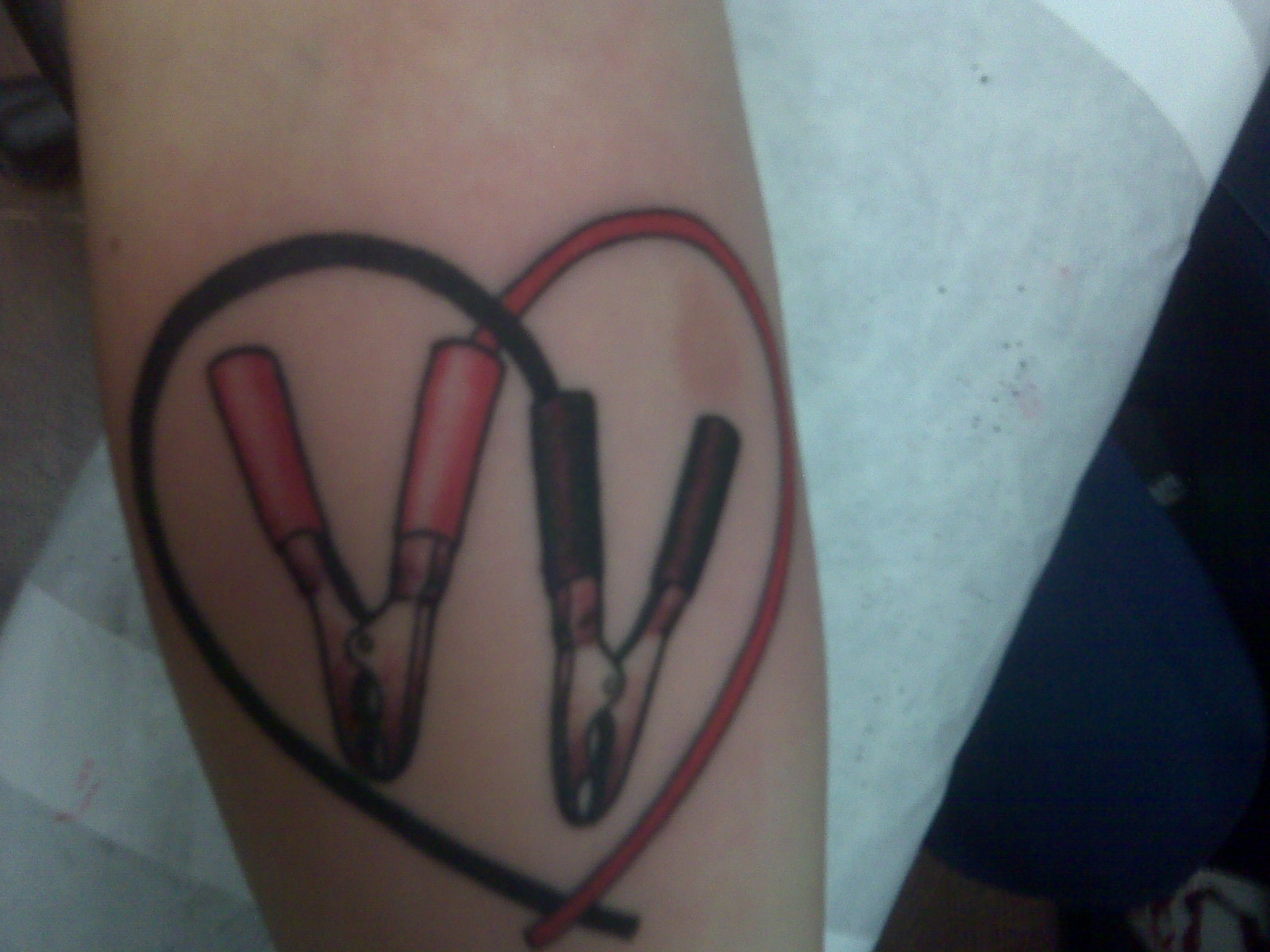
Another Cool ICD Tattoo

A friend of one of our device nurses who has an implantable cardiac defibrillator (ICD) had a truly reflective moment recently when she tried to decide what would be a cool tattoo to don. She saw one of our t-shirts and used it as an inspiration for her tattoo. I must say, I like her design better:


Heh.

-Wes

Monday, August 24, 2009

Wine and Heart Disease

This review from Michael Apstein, MD, a gastroenterologist at Beth Israel Deaconess Medical Center in Boston and an assistant professor of medicine at Harvard Medical School, is one of the better reviews I've seen in a while regarding the associations, and proof, of wine's effects on the heart.

-Wes

Saturday, August 08, 2009

Back to Basics: The Cardiac Cycle

A nice introductory video appeared over at Not Nurse Ratched's blog that is worth sharing on the "plumbing" (blood flow) behind the cardiac cycle. It's worth viewing for anyone puzzled over how the heart pumps blood throughout the body:


How this mechanical pumping action is initiated by the heart's "electrical" system can be viewed on our introductory video about atrial fibrillation.

-Wes