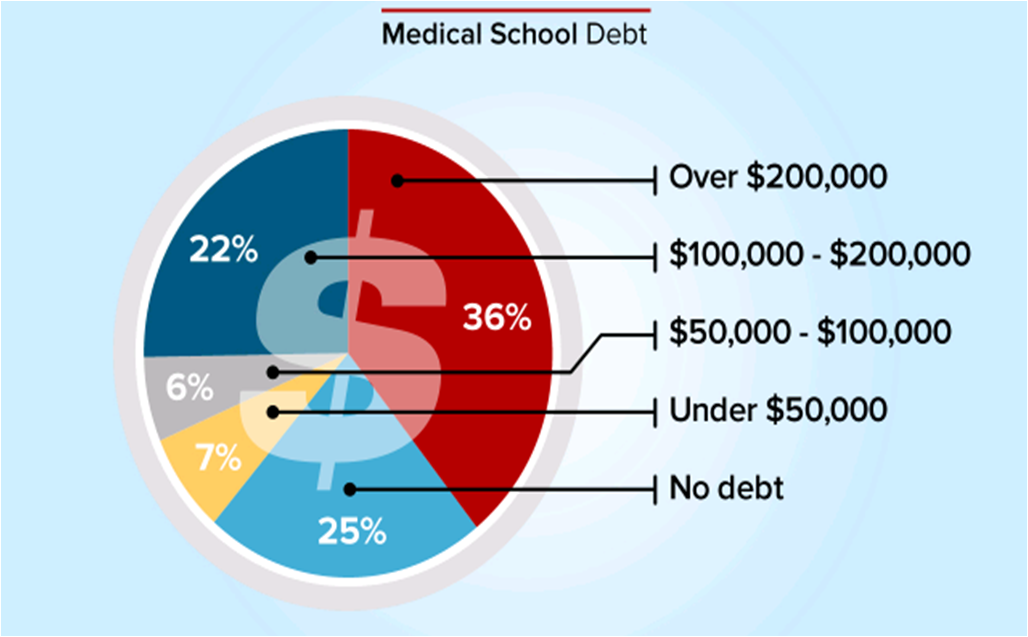
From Medscape:
The same article quotes the average resident salary as $55,300. The actual "take-home"pay for residents is actually much lower and must be calculated for the state in which the doctor practices. For this, I turned to PayCheckCity.com's salary calculator.
Taking the $55,300 salary for a single doctor in Illinois, the weekly pay is $1063.46. From this comes the Federal withholding ($175.36), Social Security withholding ($65.93), Medicare withholding ($15.42), and Illinois witholding ($53.17), leaving $753.58 per week in income ($18.84 / hour for a 40-hour work week).
Now, if we just look at a monthly payment at 4.5% interest on a (conservative) $200,000 thirty-year loan, the monthy payment comes to $836.03. It becomes apparent that medical residents will have to work more than 8 days a month to just paying off their medical school loans.
More cheap money offered to residents in the form of new loans won't help this problem, it will only make things worse.
With the average public medical school tuition exceeding $207,000 and the average private medical school tuition exceeding $270,000, the joy of doctoring will quickly lose its luster for tomorrow's doctors-in-training.
And this crisis promises to only get larger for tomorrow's physicians.
For those planning on medical school, you might want to consider other sources of funding for your education. While the Navy had its drawbacks, at least I left medical school with $0 debt.
-Wes
Showing posts with label residency. Show all posts
Wednesday, August 06, 2014
Wednesday, January 29, 2014
For Medical Students, It Seems Nothing's Changed
It was a very brief 15 minutes but I had arrived early. There they were, sitting in our conference room, waiting to be interviewed for a residency position at our institution. They had come from far and wide: California, New York, Michigan, for instance - all dressed in their nicest suits or business attire - a 50-50 split of bright women and men. I was to give a lecture as part of my monthly series on EKG interpretation that fell at this time of year. So these applicants could see how faculty interact with residents firsthand, I was asked to give my lecture to a crowded room of residents and the applicants together as part of their visit.
Since I had a few minutes, I introduced myself to the applicants and asked them how things were going. They were very complimentary (of course) and seemed eager to want to talk about something besides why they wanted to come to our institution for residency training. So being a bit subversive (of course) I asked what seemed like a little question: "How much does medical school cost these days?"
Heaven to Betsy, every one responded and shook their head. "It's cost me $75,000 in loans so far this year!" one female residency applicant exclaimed in an embarrassed tone. Most agreed that many of them were astonished at the costs, quoting some with debts of $300,000 to $400,000 for some of their classmates." "How did you do it?" they asked. And I mentioned by 26 years in the Navy and how I couldn't believe my roommate in medical school left with $65,000 debt at the time. They all laughed that I thought that was a lot of money, realizing how much more most of them owed in the present day. "I guess none of you are going into primary care, right?" I said. They laughed nervously, yet didn't really answer.
Medical school costs and the costs of educating America's physicians is in its bubble stage, about to pop. Our finest medical students are accruing huge debts and no one cares. After all, these young doctors were the lucky ones, right? Smart, social, good interpersonal skills, hard-working, driven, and most of all, disciplined. Look how lucky they are!
But when these young doctors look at their first salaries, reality will hit hard. They will realize the next mountain they will have to climb (as if medical school wasn't enough). Tough choices will have to be made. Needless to say, the picture for lower-paid specialties in medicine is particularly grim, yet the reality of fewer residency slots also exists. Depression, already a problem, is likely to increase.
In the past five years, the world of medicine has forever changed for everyone, except medical schools it seems. Their costs and expectations for revenue continues to exceed inflation by a large margin. When will it stop? For our newest trained doctors increasingly saddled with nearly insurmountable debt, the lure of medicine is waning. For those already in the pipeline, the reality of what's coming when the loan bills come due is inevitably going to be turning our best new hope for medicine's future away unless the cost problem is fixed soon.
I am not proposing we make medical school free - that would make things worse in my view. Different, more disruptive ideas that reign in costs will be needed - removing tenured professorial positions and limiting medical school building projects would be a good first step, but admittedly difficult with our entrenched old-school teaching model. Unless we really work to change the cost of educating our next generation physicians I fear that medicine's best hope for the future will quickly dwindle away.
-Wes
Since I had a few minutes, I introduced myself to the applicants and asked them how things were going. They were very complimentary (of course) and seemed eager to want to talk about something besides why they wanted to come to our institution for residency training. So being a bit subversive (of course) I asked what seemed like a little question: "How much does medical school cost these days?"
Heaven to Betsy, every one responded and shook their head. "It's cost me $75,000 in loans so far this year!" one female residency applicant exclaimed in an embarrassed tone. Most agreed that many of them were astonished at the costs, quoting some with debts of $300,000 to $400,000 for some of their classmates." "How did you do it?" they asked. And I mentioned by 26 years in the Navy and how I couldn't believe my roommate in medical school left with $65,000 debt at the time. They all laughed that I thought that was a lot of money, realizing how much more most of them owed in the present day. "I guess none of you are going into primary care, right?" I said. They laughed nervously, yet didn't really answer.
Medical school costs and the costs of educating America's physicians is in its bubble stage, about to pop. Our finest medical students are accruing huge debts and no one cares. After all, these young doctors were the lucky ones, right? Smart, social, good interpersonal skills, hard-working, driven, and most of all, disciplined. Look how lucky they are!
But when these young doctors look at their first salaries, reality will hit hard. They will realize the next mountain they will have to climb (as if medical school wasn't enough). Tough choices will have to be made. Needless to say, the picture for lower-paid specialties in medicine is particularly grim, yet the reality of fewer residency slots also exists. Depression, already a problem, is likely to increase.
In the past five years, the world of medicine has forever changed for everyone, except medical schools it seems. Their costs and expectations for revenue continues to exceed inflation by a large margin. When will it stop? For our newest trained doctors increasingly saddled with nearly insurmountable debt, the lure of medicine is waning. For those already in the pipeline, the reality of what's coming when the loan bills come due is inevitably going to be turning our best new hope for medicine's future away unless the cost problem is fixed soon.
I am not proposing we make medical school free - that would make things worse in my view. Different, more disruptive ideas that reign in costs will be needed - removing tenured professorial positions and limiting medical school building projects would be a good first step, but admittedly difficult with our entrenched old-school teaching model. Unless we really work to change the cost of educating our next generation physicians I fear that medicine's best hope for the future will quickly dwindle away.
-Wes
Tuesday, October 01, 2013
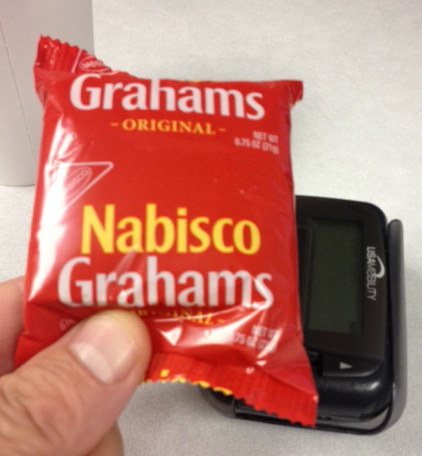
Ten Crackers
Graham crackers.
For years they have been an on-call snack staple for young doctors in training throughout the United States. These little morsels have probably saved more lives than defibrillators after hours, especially if they are topped with a hefty dollop of peanut butter.
Admittedly, these flat brown crispy tastees don't contain much nutritional value. They are probably a dentist's nightmare. But after many late hours on call well after the dining hall closes, you'd be surprised how good these little devils taste, especially when they can be enjoyed in a quiet reflective moment alone or with a colleague in the nutrition room. Graham crackers have a way of bringing you back to earth after you've dealt with a code, had to pronounce someone dead, or worked through a difficult family interaction in the wee hours of the morning.
But times are tough for hospitals now: censuses are down (as are revenues) as the uncertain effects of health care reform descend. Consequently, it makes sense for hospitals to trim budgets where they can. After all, if its between graham crackers or nurses, I'm sure we'd all agree that graham crackers should be trimmed before nursing staff.
But I wonder if supplying an entire ward of fifty patients with only 10 of these little packets a day makes sense for physician and nursing morale. Doctors and nurses, already dealing with reduced incomes and threatened with even more to come, are finding it harder and harder to find the tiny perks that make the late nights and long weekends tolerable. Finding none of these hidden snack treasures on a ward after working 15 hours straight certainly isn't the end of the world, but when people are tired and hungry, it's noticed more than any highly-paid administrative decision-maker who's tucked neatly in bed could ever imagine.
Good leaders listen.
Good leaders know the value of small gestures.
But it's only the best of leaders that appreciate the importance of an ample supply of graham crackers.
-Wes
For years they have been an on-call snack staple for young doctors in training throughout the United States. These little morsels have probably saved more lives than defibrillators after hours, especially if they are topped with a hefty dollop of peanut butter.
Admittedly, these flat brown crispy tastees don't contain much nutritional value. They are probably a dentist's nightmare. But after many late hours on call well after the dining hall closes, you'd be surprised how good these little devils taste, especially when they can be enjoyed in a quiet reflective moment alone or with a colleague in the nutrition room. Graham crackers have a way of bringing you back to earth after you've dealt with a code, had to pronounce someone dead, or worked through a difficult family interaction in the wee hours of the morning.
But times are tough for hospitals now: censuses are down (as are revenues) as the uncertain effects of health care reform descend. Consequently, it makes sense for hospitals to trim budgets where they can. After all, if its between graham crackers or nurses, I'm sure we'd all agree that graham crackers should be trimmed before nursing staff.
But I wonder if supplying an entire ward of fifty patients with only 10 of these little packets a day makes sense for physician and nursing morale. Doctors and nurses, already dealing with reduced incomes and threatened with even more to come, are finding it harder and harder to find the tiny perks that make the late nights and long weekends tolerable. Finding none of these hidden snack treasures on a ward after working 15 hours straight certainly isn't the end of the world, but when people are tired and hungry, it's noticed more than any highly-paid administrative decision-maker who's tucked neatly in bed could ever imagine.
Good leaders listen.
Good leaders know the value of small gestures.
But it's only the best of leaders that appreciate the importance of an ample supply of graham crackers.
-Wes
Saturday, July 13, 2013
The Clash of Cultures
"It looks like you've done very well, Mr. Smith..."
"Thank you, doctor."
He left the patient's room and ambled back to the nurses station, legs tired and ankles somewhat swollen. It had been a long case and now he just had to type his note, send an email message, and review his schedule for the following day. He sat down at the computer and logged in. That's when he looked up briefly and saw them.
They looked so young. Their newly-pressed white coats accentuated the faint glow of the computer screens on their perfect skin. They looked like thoroughbreds, while he the old horse put to pasture, if they had noticed. But they were each staring intently at the electronic screen arranged along the desk countertops, one with his back to the other two. Occasionally the one would turn to ask the other two a question, then return with a blank stare to the screen before him. The new residents had arrived.
"So different," he thought. There they are, seated before a computer looking more like telephone operators rather than doctors. "What were they thinking?" he wondered silently, then pondered how things had changed.
For now he realized that they didn't have to know where the blood or microbiology laboratories were. They didn't have to search for an x-ray. Instead, they had to find which button to click. This day, this moment, was probably their dream come true. For it was the day they had waited and worked so hard for, the day they became a working doctor. Underneath the electronic facade, they were probably excited, eager, wanting to do a good job: excitement and anxiety, all rolled up into one.
But somehow, it was different. The new doctors rarely looked at each other as they stared vacantly into their computer screens. It was as though they were transfixed by medical porn. It looked as though they were being bred into an interchangeable electronic medical documentation team, not a cohesive, personal one equipped with interpersonal skills. After all, they really didn't have to see or listen to each other any more. They could send each other an e-mail, text messages, or chose to stay isolated, listening to the rapid-fire clicking taking place next to them. Emotionally and physically, they could be miles apart or seated together, it really didn't matter any more. It was so efficient, so neat, that their organized orientation to electronic dehumanization required very little movement, very little patient contact.
But young doctors, he realized, were meeting their patients like they've always met new friends on Facebook: electronically first. Was this better? He wasn't sure. Would the initial impressions garnered from the chart skew their ability to look independently and objectively at their patient? Will they be capable of accurate empathy? Will a patient's undocumented concerns be missed? Will new doctors forget to use the subtle signs and symptoms brought forth by the physical exam to head off disaster or just wait for the test results to return before reacting instead? Will they see enough, smell enough, do enough, sweat enough, to learn enough?
He wondered.
But they were young. They could learn. They would learn. They'd adapt.
And they could type faster.
Perhaps. Maybe. We'll see. "I can only hope," he thought, realizing he wasn't getting any younger.
He turned his gaze back to his own screen and clicked the icons slowly, the way he had done hundred of times before, filling his note with voluminous immaterial drivel the government required, then added a single line: "Doing well. Home today." So meaningful, he silently quipped, meaningful indeed.
He rose to say goodbye to the unit clerk, who smiled as she peeled her eyes from her iPhone, "Goodnight, doctor."
"Take care of the new guys, okay?" as he pointed to the people behind her with the new white coats.
"You bet," she said, not turning to see them. Her eyes reset to to her iPhone screen instead.
-Wes
"Thank you, doctor."
He left the patient's room and ambled back to the nurses station, legs tired and ankles somewhat swollen. It had been a long case and now he just had to type his note, send an email message, and review his schedule for the following day. He sat down at the computer and logged in. That's when he looked up briefly and saw them.
They looked so young. Their newly-pressed white coats accentuated the faint glow of the computer screens on their perfect skin. They looked like thoroughbreds, while he the old horse put to pasture, if they had noticed. But they were each staring intently at the electronic screen arranged along the desk countertops, one with his back to the other two. Occasionally the one would turn to ask the other two a question, then return with a blank stare to the screen before him. The new residents had arrived.
"So different," he thought. There they are, seated before a computer looking more like telephone operators rather than doctors. "What were they thinking?" he wondered silently, then pondered how things had changed.
For now he realized that they didn't have to know where the blood or microbiology laboratories were. They didn't have to search for an x-ray. Instead, they had to find which button to click. This day, this moment, was probably their dream come true. For it was the day they had waited and worked so hard for, the day they became a working doctor. Underneath the electronic facade, they were probably excited, eager, wanting to do a good job: excitement and anxiety, all rolled up into one.
But somehow, it was different. The new doctors rarely looked at each other as they stared vacantly into their computer screens. It was as though they were transfixed by medical porn. It looked as though they were being bred into an interchangeable electronic medical documentation team, not a cohesive, personal one equipped with interpersonal skills. After all, they really didn't have to see or listen to each other any more. They could send each other an e-mail, text messages, or chose to stay isolated, listening to the rapid-fire clicking taking place next to them. Emotionally and physically, they could be miles apart or seated together, it really didn't matter any more. It was so efficient, so neat, that their organized orientation to electronic dehumanization required very little movement, very little patient contact.
But young doctors, he realized, were meeting their patients like they've always met new friends on Facebook: electronically first. Was this better? He wasn't sure. Would the initial impressions garnered from the chart skew their ability to look independently and objectively at their patient? Will they be capable of accurate empathy? Will a patient's undocumented concerns be missed? Will new doctors forget to use the subtle signs and symptoms brought forth by the physical exam to head off disaster or just wait for the test results to return before reacting instead? Will they see enough, smell enough, do enough, sweat enough, to learn enough?
He wondered.
But they were young. They could learn. They would learn. They'd adapt.
And they could type faster.
Perhaps. Maybe. We'll see. "I can only hope," he thought, realizing he wasn't getting any younger.
He turned his gaze back to his own screen and clicked the icons slowly, the way he had done hundred of times before, filling his note with voluminous immaterial drivel the government required, then added a single line: "Doing well. Home today." So meaningful, he silently quipped, meaningful indeed.
He rose to say goodbye to the unit clerk, who smiled as she peeled her eyes from her iPhone, "Goodnight, doctor."
"Take care of the new guys, okay?" as he pointed to the people behind her with the new white coats.
"You bet," she said, not turning to see them. Her eyes reset to to her iPhone screen instead.
-Wes
Sunday, July 07, 2013
Physician Pay Redistribution: A False Sophie's Choice
Sophie's Choice is a novel by American author William Styron, whose plot ultimately centers around a tragic decision Sophie was forced to make upon entering the Nazi concentration camp: on the night that she arrived at Auschwitz, a sadistic doctor made her choose which of her two children would die immediately by gassing and which would continue to live, albeit in the camp.
While not of the same gravity, I have seen the discussion by policy wonks about physician payment reform evolving into a smackdown between primary care physicians and specialty physicians for the remaining coins tossed on the health care floor.
James Hamblin MD, The Atlantic magazine's health editor, recently published an article entitled "When the Best Hospitals are the Worst," that assumes prestigious hospitals are the "worst" because they fail to train an adequate number of primary care physicians relative to the federal subsidy they receive for training residents:
To bolster his point, he references another article from the July-Aug 2013 issue of the wonkish Washington Monthly by demographer Phillip Longman entitled "First Teach No Harm." Both Hamblin and Longman claim the following:
While both Hamblin and Longman make excellent points about the work conditions of today's primary care physician's, they veer into dangerous territory when they pile on the assumption that the problem with our nation's health care delivery and cost problem is the distribution of dollars between different types of physician training programs. American's need doctors - all kinds of them - thanks to the ever-growing and aging population. What they don't need is the mushrooming and very costly administrative overhead that plagues physicians today.
Here's a radical thought: all physicians should be paid a respectable and competitive salary commensurate with their years of educational investment and competitive training and receive the quality training they need to do their work.
But rather than acknowledging this fact, Hamblin and Longman want us to make a false Sophie's choice: picking which types of physician training programs should receive federal funds based on the types of physicians they train, rather than working to improve the lot of all physician training programs to assure excellent doctors in the years ahead for our health care system.
Perhaps rather than wondering how to redistribute $13 billion dollars of educational funding for medical residencies that flows to all residency programs, Hamblin and Longman should ask how we should cut the mushrooming and incredibly costly administrative overhead of our system that already stood at $320 billion (and counting) way back in 2003? How much is that overhead expanded thanks to the introduction of over 110 government agencies created by our new health care law? Which bean counter should be fighting with the other bean counters for their share of administrative dollars? Which new data miner, quality coordinator, hospital administrator, database operator, or government agencies that share similar functions (like the PCORI and AHRQ agencies) yet provide no care should be fighting to save themselves?
Maybe rather than peeling the dollars from any doctor's training pocket as he charges down the hallway to see the next patient in his 14-hour day, we should determine how to peel the even larger amount of dollars held in the pockets of the five administrators trailing him.
This is our real health care system cost Sophie's choice.
And doctors of all specialties would be wise to remind Congress and their respective medical associations of this fact.
-Wes
While not of the same gravity, I have seen the discussion by policy wonks about physician payment reform evolving into a smackdown between primary care physicians and specialty physicians for the remaining coins tossed on the health care floor.
James Hamblin MD, The Atlantic magazine's health editor, recently published an article entitled "When the Best Hospitals are the Worst," that assumes prestigious hospitals are the "worst" because they fail to train an adequate number of primary care physicians relative to the federal subsidy they receive for training residents:
But many hospitals aren't using that money to do what the taxpayers most need. 158 of them produce zero graduates that go into primary care. The worst offenders, in terms of the number of primary-care physicians produced, are the hospitals we hold in highest regard.
To bolster his point, he references another article from the July-Aug 2013 issue of the wonkish Washington Monthly by demographer Phillip Longman entitled "First Teach No Harm." Both Hamblin and Longman claim the following:
The nation’s residency programs are producing too many of the wrong kinds of doctors in the wrong places, while not producing enough of the kinds of doctors we most need to sustain the U.S. health care system.
Specifically, the programs turn out too many specialists who go on to practice in places where such doctors are already in oversupply, and where, according to numerous studies, they often inflate health care spending by engaging in massive amounts of unnecessary surgery and other forms of over-treatment.
While both Hamblin and Longman make excellent points about the work conditions of today's primary care physician's, they veer into dangerous territory when they pile on the assumption that the problem with our nation's health care delivery and cost problem is the distribution of dollars between different types of physician training programs. American's need doctors - all kinds of them - thanks to the ever-growing and aging population. What they don't need is the mushrooming and very costly administrative overhead that plagues physicians today.
Here's a radical thought: all physicians should be paid a respectable and competitive salary commensurate with their years of educational investment and competitive training and receive the quality training they need to do their work.
But rather than acknowledging this fact, Hamblin and Longman want us to make a false Sophie's choice: picking which types of physician training programs should receive federal funds based on the types of physicians they train, rather than working to improve the lot of all physician training programs to assure excellent doctors in the years ahead for our health care system.
Perhaps rather than wondering how to redistribute $13 billion dollars of educational funding for medical residencies that flows to all residency programs, Hamblin and Longman should ask how we should cut the mushrooming and incredibly costly administrative overhead of our system that already stood at $320 billion (and counting) way back in 2003? How much is that overhead expanded thanks to the introduction of over 110 government agencies created by our new health care law? Which bean counter should be fighting with the other bean counters for their share of administrative dollars? Which new data miner, quality coordinator, hospital administrator, database operator, or government agencies that share similar functions (like the PCORI and AHRQ agencies) yet provide no care should be fighting to save themselves?
Maybe rather than peeling the dollars from any doctor's training pocket as he charges down the hallway to see the next patient in his 14-hour day, we should determine how to peel the even larger amount of dollars held in the pockets of the five administrators trailing him.
This is our real health care system cost Sophie's choice.
And doctors of all specialties would be wise to remind Congress and their respective medical associations of this fact.
-Wes
Monday, March 04, 2013
Need an Expert? There's an App for That!
"Sally, we need an EP consult on Mr. Smith here. He has some trouble walking now due to pain from his multiple myeloma, but he also has a history of a heart attack, left bundle branch block, some non-sustained VT on his telemetry monitor, and is still a pretty young guy..."
"No problem!" said Sally, reaching for her iPhone. "I think there's a app for that!"
She scoured the apps on her iPhone 5. She clicked on her Heart Rhythm Society Sudden Cardiac Death Primary Prevention Protocol app walked through the algorithms there.
"Hmmm. Looks like I need to order an echo," she thought. * Click click * “Echo ordered! Damn I’m good,” thought Sally.
She continued with her Heart Rhythm Society app. "Says something here NYHA Class? I wonder how I figure that out....Wait! I have a MedCalc app for that, too!" A few taps later, "Looks like NYHA Class II!"
"Let's see, back to the Heart Rhythm Society app..."
A few more clicks and...
"Yipee! Looks like he qualifies for one! But wait, will the government pay for it? Let's check the CMS ICD app!"
A few more clicks and then...
"If we wait ninety days... he might get it paid for... but will I be investigated by the DOJ because I ordered it inappropriately? Hmmm. Oh, wait! There's an app for that, too! I can just use the American College of Cardiology Foundation's Appropriateness Use Criteria (AUC) app© ..." she thought to herself, “After all, it covers 369 clinical scenarios… Wait, looks like there’s an update to the app. This is only Version 1.1… I think I'm going to need Version 1.2…”
She left the "AUC app©" and went to the App Store icon on here phone. She waited a few seconds while the screen refreshed and then:
“There it is: the latest update!. Seems those guys update these scenarios every week. Wouldn’t want to be out of date on this.” She clicked the “Update” button. “I sure like how those clever app developers have all he right data I need right here at my fingertips,” she thought.
After it updated, she went back to the American College of Cardiology Foundation’s "AUC app©" on her iPhone and began entering the patient's scenario...
"Wow," she thought. "This is making it so easy for me! There's nothing to this! Hmm, can't seem to find anything in here about multiple myeloma ... Oh, heck, I'll just click on the 'no' button ... There we go, I got a green box! Looks like we'll still be okay to implant his ICD and stay out of jail." She turned to the resident, beaming.
"Well, did you get that EP consult I asked you to get on Mr. Smith?" the resident asked.
"I didn't need to, it looks like he's good to go!" Sally announced.
"Great!" said the resident, impressed with Sally's performance. "So when does the device go in?"
"I'm not sure. As soon as the next iOS version becomes available I'll check the new software updates." said Sally.
"Awesome. You think his low grade fever will be a problem?"
"Let me check," said Sally, reaching for her iPhone again...
-Wes
"No problem!" said Sally, reaching for her iPhone. "I think there's a app for that!"
She scoured the apps on her iPhone 5. She clicked on her Heart Rhythm Society Sudden Cardiac Death Primary Prevention Protocol app walked through the algorithms there.
"Hmmm. Looks like I need to order an echo," she thought. * Click click * “Echo ordered! Damn I’m good,” thought Sally.
She continued with her Heart Rhythm Society app. "Says something here NYHA Class? I wonder how I figure that out....Wait! I have a MedCalc app for that, too!" A few taps later, "Looks like NYHA Class II!"
"Let's see, back to the Heart Rhythm Society app..."
A few more clicks and...
"Yipee! Looks like he qualifies for one! But wait, will the government pay for it? Let's check the CMS ICD app!"
A few more clicks and then...
"If we wait ninety days... he might get it paid for... but will I be investigated by the DOJ because I ordered it inappropriately? Hmmm. Oh, wait! There's an app for that, too! I can just use the American College of Cardiology Foundation's Appropriateness Use Criteria (AUC) app© ..." she thought to herself, “After all, it covers 369 clinical scenarios… Wait, looks like there’s an update to the app. This is only Version 1.1… I think I'm going to need Version 1.2…”
She left the "AUC app©" and went to the App Store icon on here phone. She waited a few seconds while the screen refreshed and then:
“There it is: the latest update!. Seems those guys update these scenarios every week. Wouldn’t want to be out of date on this.” She clicked the “Update” button. “I sure like how those clever app developers have all he right data I need right here at my fingertips,” she thought.
After it updated, she went back to the American College of Cardiology Foundation’s "AUC app©" on her iPhone and began entering the patient's scenario...
"Wow," she thought. "This is making it so easy for me! There's nothing to this! Hmm, can't seem to find anything in here about multiple myeloma ... Oh, heck, I'll just click on the 'no' button ... There we go, I got a green box! Looks like we'll still be okay to implant his ICD and stay out of jail." She turned to the resident, beaming.
"Well, did you get that EP consult I asked you to get on Mr. Smith?" the resident asked.
"I didn't need to, it looks like he's good to go!" Sally announced.
"Great!" said the resident, impressed with Sally's performance. "So when does the device go in?"
"I'm not sure. As soon as the next iOS version becomes available I'll check the new software updates." said Sally.
"Awesome. You think his low grade fever will be a problem?"
"Let me check," said Sally, reaching for her iPhone again...
-Wes
Sunday, February 24, 2013
How Big Data's Fueling Complacency
"What's the most important finding on this chest x-ray?"
There he was, standing before 5 ICU residents, each peering at a chest film on displayed on the over-sized computer screen.
"Um, the pleural effusion?" whimpered a third-year resident.
"No!" barked the attending.
The others, standing dumbfounded in front of the computer display, searching for another finding but finding none, stood silently.
"Come on, folks! Look!"
And try as they may, no one saw it.
"The name, folks, the name!" the attending said impatiently.
And there it was, a tiny reminder of whose x-ray it was, quietly lurking in tiny print in the upper right corner of the computer screen, unmagnified.
But wait, the name was correct. What the heck was he talking about?
Closer inspection showed another critical piece of information, totally lost on almost everyone standing there: the date of birth of the patient. It was not the same as the patient being discussed. They were looking at the wrong patient's chest x-ray. Never mind that their patient had a chest tube placed on the opposite side that wasn't shown on the displayed chest x-ray. Yet they were already trying to make decisions for care.
***
I recently taught an EKG reading class and had a similar experience to the one above. Since July, I've been teaching the basics of EKG reading at least once a month: rate, rhythm, axis, intervals - you know the drill, right?
But I (once again) asked about the axis of an EKG tracing we were discussing some six months later. A room full of at least twenty residents sat quietly. No one answered.
I kept my composure. I prodded them gently, hoping to hear an answer yet none came. Were they on call? Distracted by their cell phones or pending work? Am I THAT boring?
Still nothing.
So I reviewed how we determine EKG axis, and quickly, a few remembered the concept and gratefully, responded correctly.
But these experiences got me thinking about the effects Big Data is having on our residents today and its tendency to build complacency. Why learn something if you're always spoon-fed it right?
Admittedly, our medical data explosion has prevented us from knowing everything there is to know about anatomy, physiology, pathology, treatment options and the like. There is a role for access to Big Data.
But increasingly the data we feed our residents and medical schools is nothing but printed characters: x-ray reports, EKG interpretations, study results like "ejection fraction:" all limited to the 256 ASCII character set. Residents no longer feel the need to look at the raw image and formulate their own opinion - they'll just look at the printed report. They expect the data to be fed to them in printed format. They expect the reading to be correct. In a way, they're growing up expecting to be spoon fed just the black-and-white answers rather than the brilliant data provided by pictures. Just "google it."
Never mind the computer says "atrial fibrillation" because the original EKG contains noise.
Such an "Big Data-entitled" approach to health care is extremely dangerous, especially if the data upon which decisions are based, are wrong. Residents should never forget two things my father always told me:
"Garbage in, garbage out" and "expect what you inspect."
-Wes
There he was, standing before 5 ICU residents, each peering at a chest film on displayed on the over-sized computer screen.
"Um, the pleural effusion?" whimpered a third-year resident.
"No!" barked the attending.
The others, standing dumbfounded in front of the computer display, searching for another finding but finding none, stood silently.
"Come on, folks! Look!"
And try as they may, no one saw it.
"The name, folks, the name!" the attending said impatiently.
And there it was, a tiny reminder of whose x-ray it was, quietly lurking in tiny print in the upper right corner of the computer screen, unmagnified.
But wait, the name was correct. What the heck was he talking about?
Closer inspection showed another critical piece of information, totally lost on almost everyone standing there: the date of birth of the patient. It was not the same as the patient being discussed. They were looking at the wrong patient's chest x-ray. Never mind that their patient had a chest tube placed on the opposite side that wasn't shown on the displayed chest x-ray. Yet they were already trying to make decisions for care.
***
I recently taught an EKG reading class and had a similar experience to the one above. Since July, I've been teaching the basics of EKG reading at least once a month: rate, rhythm, axis, intervals - you know the drill, right?
But I (once again) asked about the axis of an EKG tracing we were discussing some six months later. A room full of at least twenty residents sat quietly. No one answered.
I kept my composure. I prodded them gently, hoping to hear an answer yet none came. Were they on call? Distracted by their cell phones or pending work? Am I THAT boring?
Still nothing.
So I reviewed how we determine EKG axis, and quickly, a few remembered the concept and gratefully, responded correctly.
But these experiences got me thinking about the effects Big Data is having on our residents today and its tendency to build complacency. Why learn something if you're always spoon-fed it right?
Admittedly, our medical data explosion has prevented us from knowing everything there is to know about anatomy, physiology, pathology, treatment options and the like. There is a role for access to Big Data.
But increasingly the data we feed our residents and medical schools is nothing but printed characters: x-ray reports, EKG interpretations, study results like "ejection fraction:" all limited to the 256 ASCII character set. Residents no longer feel the need to look at the raw image and formulate their own opinion - they'll just look at the printed report. They expect the data to be fed to them in printed format. They expect the reading to be correct. In a way, they're growing up expecting to be spoon fed just the black-and-white answers rather than the brilliant data provided by pictures. Just "google it."
Never mind the computer says "atrial fibrillation" because the original EKG contains noise.
Such an "Big Data-entitled" approach to health care is extremely dangerous, especially if the data upon which decisions are based, are wrong. Residents should never forget two things my father always told me:
"Garbage in, garbage out" and "expect what you inspect."
-Wes
Wednesday, September 12, 2012
The Irony of Why EKG Class Was Cancelled
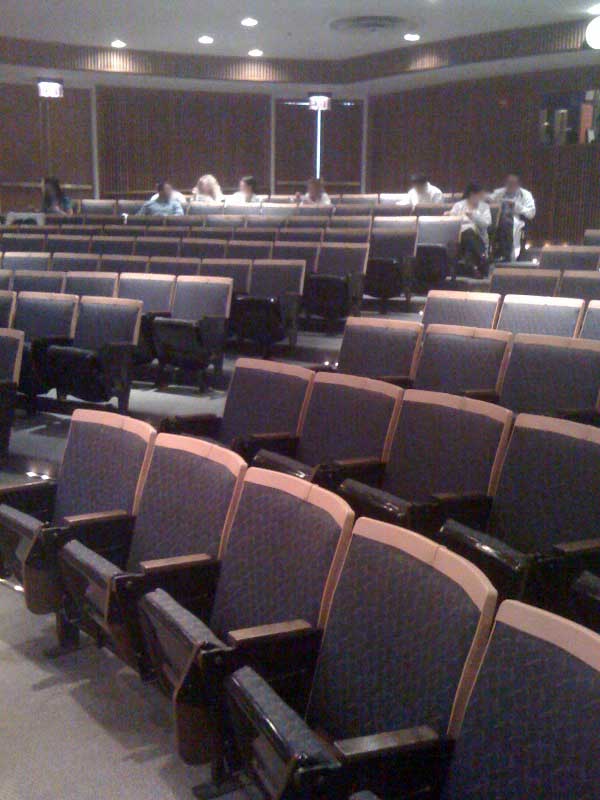
I look forward to teaching our housestaff the basics of EKGs each year. Moments where I can leap from worker-bee clinician to the quiet confines of a lecture hall is rejuvenating. Seeing eyes widen as they grasp basic insights to the wealth of information contained in biologic signals even more so. So I carve some time at the beginning of each year with the chief residents to commit to this endeavor far in advance.
This year, I arrived a little early for my lecture with a stack of EKG’s, ready to bring down the screen, load the Powerpoint presentation, and collect my thoughts. Unlike most lecture days, the lecture hall door was closed when I arrived. I quietly cracked the door and peered in: there, in their new, carefully pressed white coats, was a sea of residents. I was elated, expecting that attendance at this lecture would be especially high since I already had a captive audience.
So I closed the door quietly and paced in the halls waiting for the lecture before mine to conclude.
The nearby secretaries noticed me and politely said hello and I, in turn, smiled and acknowledged their greeting. I grabbed a quick cup of coffee from the coffee pot and sipped the nectar in my quiet moment of reverie before class.
But something was askew. The secretaries seemed a bit uncomfortable.
“Doctor Fisher? Oh, I’m so sorry, the lecture hall is being used today for our annual Transitional Residency program review. Let me see if I can find another lecture hall for you.”
She logged on her computer and scanned the available spaces. She clicked and clicked and clicked.
“Well, there is a room on the fifth floor…. Um, maybe not. I see there’s only 15 chairs in there… Let me keep trying.”
“Thanks so much,” I said.
About this time, the doors from my previously-arranged lecture hall opened and a sea of smiling residents poured out from the room. Some headed to the washroom, others checking their beepers. Others appeared to be heading back to the wards. I was puzzled.
I glanced in the lecture hall to see several well-dressed women sitting before a pile of 3-ring binders full of papers, one of which was opened. They chatted with each other, occasionally giggling, but very professionally so. There behind them was a tray of uneaten donuts and other treats and a coffee dispenser neatly arranged on a tray behind them. Boy, those looked tasty! I smiled as I thought to myself: “No wonder their attendance was so good.”
A few moments later, one of the Chief Residents came to me with his tail between his legs and apologized profusely. “I’m SO sorry, Dr. Fisher, we forgot to call you about this change of schedule!”
The poor guy. Sent with full flak jacket in place to take the hit. But I knew exactly how he felt as he tried to keep all the various clinical and administrative scheduling balls in the air.
“No problem,” I said. “We’ll do this another time.”
But as I walked back to my office, I couldn’t help but wonder what we’re creating as housestaff are corralled before bureaucrats who ask them how their residency is going while their own residency's EKG training was silently sabotaged.
It’s kind of like those uneaten donuts behind those well-dressed ladies: food for thought.
-Wes
This year, I arrived a little early for my lecture with a stack of EKG’s, ready to bring down the screen, load the Powerpoint presentation, and collect my thoughts. Unlike most lecture days, the lecture hall door was closed when I arrived. I quietly cracked the door and peered in: there, in their new, carefully pressed white coats, was a sea of residents. I was elated, expecting that attendance at this lecture would be especially high since I already had a captive audience.
So I closed the door quietly and paced in the halls waiting for the lecture before mine to conclude.
The nearby secretaries noticed me and politely said hello and I, in turn, smiled and acknowledged their greeting. I grabbed a quick cup of coffee from the coffee pot and sipped the nectar in my quiet moment of reverie before class.
But something was askew. The secretaries seemed a bit uncomfortable.
“Doctor Fisher? Oh, I’m so sorry, the lecture hall is being used today for our annual Transitional Residency program review. Let me see if I can find another lecture hall for you.”
She logged on her computer and scanned the available spaces. She clicked and clicked and clicked.
“Well, there is a room on the fifth floor…. Um, maybe not. I see there’s only 15 chairs in there… Let me keep trying.”
“Thanks so much,” I said.
About this time, the doors from my previously-arranged lecture hall opened and a sea of smiling residents poured out from the room. Some headed to the washroom, others checking their beepers. Others appeared to be heading back to the wards. I was puzzled.
I glanced in the lecture hall to see several well-dressed women sitting before a pile of 3-ring binders full of papers, one of which was opened. They chatted with each other, occasionally giggling, but very professionally so. There behind them was a tray of uneaten donuts and other treats and a coffee dispenser neatly arranged on a tray behind them. Boy, those looked tasty! I smiled as I thought to myself: “No wonder their attendance was so good.”
A few moments later, one of the Chief Residents came to me with his tail between his legs and apologized profusely. “I’m SO sorry, Dr. Fisher, we forgot to call you about this change of schedule!”
The poor guy. Sent with full flak jacket in place to take the hit. But I knew exactly how he felt as he tried to keep all the various clinical and administrative scheduling balls in the air.
“No problem,” I said. “We’ll do this another time.”
But as I walked back to my office, I couldn’t help but wonder what we’re creating as housestaff are corralled before bureaucrats who ask them how their residency is going while their own residency's EKG training was silently sabotaged.
It’s kind of like those uneaten donuts behind those well-dressed ladies: food for thought.
-Wes
Monday, June 25, 2012
Day 1
There they were: four nervously-smiling faces in flourescent-white starched lab coats, entering the elevator.
"Which floor?" I asked.
"Two please," one of them answered.
As I stood with them quietly, I thought about my first day of residency: the excitement, the uncertainty, the nervous energy. What a cool time in your career as a doctor. The thought of jumping right in and beginning clinical work was so welcomed after all those months of study, preceptorship, and hand-holding. Finally, a chance to make a difference.
But then I wondered:
"Where are you guys heading?"
"An orientation meeting," they answered.
* sigh *
I hope they see a patient today.
-Wes
"Which floor?" I asked.
"Two please," one of them answered.
As I stood with them quietly, I thought about my first day of residency: the excitement, the uncertainty, the nervous energy. What a cool time in your career as a doctor. The thought of jumping right in and beginning clinical work was so welcomed after all those months of study, preceptorship, and hand-holding. Finally, a chance to make a difference.
But then I wondered:
"Where are you guys heading?"
"An orientation meeting," they answered.
* sigh *
I hope they see a patient today.
-Wes
Friday, June 15, 2012
Medical Education on the Brink: 62 years of Front-Line Observations and Opinions
From an harshly worded editorial published in the Texas Heart Institute Journal by Herbert L Fred, MD, MACP this month entitled "Medical Education on the Brink: 62 Years of Front-line Observations and Opinions*:"
It IS sad to see the deterioration the skills Dr. Fred mentions in our younger doctors. But I find the younger doctors who have completed training are still eager to learn. Educators of today should stop expecting doctors of tomorrow to learn everything in their three or four years of residency training with "unlimited hours." The availability of information online is incredible and I would suggest that medical educators would better serve doctors of tomorrow by teaching (and showing) them how to continuously think critically about their patients and published studies. Even more important they should learn an even more important skill: to learn how NOT to say "I don't know" but rather "I don't know but I'll look it up." Sure we should turn from computers and lean more on our patients as educators- after all they still are, and will continue to be - our very best teachers. But if we use computers as a useful tool rather than a crutch, our patients and students will be better for it in the long run.
-Wes
Reference:
Fred, Herbert L. "Medical Education on the Brink: 62 years of Front-Line Observations and Opinions." Texas Heart Institute Journal Vol 39, No. 3, June 2012, pp 322-329. (Contents here).
*I regret that the publication is not yet online and because of copyright restrictions, I hesitate to publish the entire work here.
"Over the sixty-two years that this report covers, medical education has moved its focus from the patient to the laboratory and now the doctor. As a result, we currently have a training system that is doctor-centered, technology-driven. computer-dependent, algorithm-loving, and Internet-based. And thanks in large part to the ACGME, we are exchanging sleep-deprived, competent healers for a growing number of "wide-awake technicians." Many of these limited-work-hour trained individuals cannot take an adequate history, perform a reliable physical examination, create a sound management plan, or communicate effectively. Therefore, they don't deserve the image of competence that their training certificates convey.Dr. Fred offers the following solutions:
So it all boils down to this: The kind of health care that American medicine is capable of providing and the kind the American people actually receive are worlds apart. Consequently, those of us in medical education have a major obligation and responsibility to close that gap."
"First, we must abolish the ACGME mandate on work hour limits. When discussing the mandate with program directors in medicine and surgery around the country, I hear nothin but dissappointment, dissatisfaction, and disgust - my sentiments exactly. Therefore, given its previously listed drawbacks, coupled with its unproven benefits to patient outcomes despite 9 years of intense evaluation, the time has come for program directors to unite and overthrow the mandate. Getting rid of it, however, will be difficult and will require strong professional leadership and solid support from the public, which at present favors the limited hours.I think Dr. Fred has hit the nail on the head, but while he beautifully articulates what more senior physicians have observed over the past ten to twenty years, I think that unless there are rewards to physicians for their long hours from family, there will be very little going back to the days of old. Doctors of tomorrow have accepted lower wages in exchage for a more balanced life-style. Since payments to physicians are not likely to increase in the years ahead thanks to health care reform, I see no incentive for younger doctors to accept longer residency work hours any longer, even if program directors demand them.
In place of the existing mandate, we could (and should) revert to the unlimited work-hour system that has served all disciplines well for 100 years. Or we could select program directors from each specialty to devise a work-hour system best suited for and limited to their particular discipline. Either move would be a great step in the right direction, because the existing mandate is our biggest obstacle to producing competent physicians."
It IS sad to see the deterioration the skills Dr. Fred mentions in our younger doctors. But I find the younger doctors who have completed training are still eager to learn. Educators of today should stop expecting doctors of tomorrow to learn everything in their three or four years of residency training with "unlimited hours." The availability of information online is incredible and I would suggest that medical educators would better serve doctors of tomorrow by teaching (and showing) them how to continuously think critically about their patients and published studies. Even more important they should learn an even more important skill: to learn how NOT to say "I don't know" but rather "I don't know but I'll look it up." Sure we should turn from computers and lean more on our patients as educators- after all they still are, and will continue to be - our very best teachers. But if we use computers as a useful tool rather than a crutch, our patients and students will be better for it in the long run.
-Wes
Reference:
Fred, Herbert L. "Medical Education on the Brink: 62 years of Front-Line Observations and Opinions." Texas Heart Institute Journal Vol 39, No. 3, June 2012, pp 322-329. (Contents here).
*I regret that the publication is not yet online and because of copyright restrictions, I hesitate to publish the entire work here.
Tuesday, December 27, 2011
Where Medicine and Aviation Meet
From Cory Franklin, MD in today's Chicago Tribune:
-Wes
The tragic tale of Flight 447 should not only be a case study in aviation but also in medicine. Medicine is becoming less of a hands-on science and more dependent on sophisticated tests and high-tech scans. As in aviation, there is an overall benefit; diagnosis and treatment are better than ever. But the same problem bedevils medicine, perhaps more commonly — in difficult situations, inexperienced doctors are often uncertain of how to interpret sophisticated information presented to them, resulting in incorrect diagnoses or inappropriate treatment.Read the whole thing.
-Wes
Friday, September 09, 2011
Handoffs, Passoffs, and Liftoffs
The image of a team of track stars sprinting a 400-meter relay while carrying a little aluminum tube and passing it, effortlessly, without breaking stride is what I think of when I hear the term "handoff." In medicine, a "handoff" is more like sprinting the same race, or at least trying to, and passing a 100-kilogram boulder: there is simply nothing smooth about it.
In earlier times, doctors worked exclusively at one clinic and usually one hospital. There would classically be a "morning report" where attending, medical residents, interns, and a chief resident would assemble to hear the calamities that occurred the night before, discuss and dissect the most interesting cases, perhaps learn a tidbit from the highly respected "chief resident" - the Grand Pubah of all things medical - who had their whopping 1 year of independent clinical experience but plenty of time to assemble a case discussion to point out things you should have known.
The morning report was well-attended. It was, after all, a requirement for graduate medical education and actually a heck of a lot of fun. There was something strangely bonding that occurs when you see your colleague get embarrassed for their lack of understanding just as you had been the day before. It was never punitive (at least not usually), mind you, but rather constructed to make damn sure you never forgot the lapse in judgement you had made the night before.
Late afternoon "check-out" was a different matter. That meeting was never supervised by attendings and served as a "working" meeting between residents where cases were passed to the night call team. Not uncommonly, there were residents who had been there from the preceding night: they got to go first listing their patients' name, a brief problem list, pressing issues that needed to be checked, and so on. No brag, just fact.
And surprisingly, it usually worked.
But why did it work?
I think it worked because we were given responsibility. It was our butt on the line as you worked mano-a-mano with the patients you had to cover. We all knew were going to have to face the music the next morning if things didn't work out so well. The better the night went, the easier morning report was. The better the night went, the better your credibility with the nurses grew. The better the night went, the better the chances of getting selected for a residency slot. The better the night went, the better you slept the next day knowing the patients did well under your care.
Today, things are different. For resident trainees, there are more change of shifts with more handoffs, fewer patients per resident, and fewer hours in which to see the patients you are given from the group before. More dispersion, less ownership. But this is not always the resident's fault. In fact, when a problem arises on one or two patients during an evening call, it is now not uncommon for residents to have to handoff a handoff, having never seen or touched some of the patients they had heard about at their earlier signout. Fortunately, the dedicated (paid) GME physician-instructors are still consistently there at morning reports, but those with day-to-day clinical experience, the attendings and specialists tasked with making their own rounds each day, are at morning reports much less often. That's because they are seeing their growing inpatient populations no longer "covered" by housestaff and working to maintain productivity standards.
Handoffs for attendings themselves are also a growing problem as credentials for doctors are no longer are issued for one hospital, but a system of hospitals. Rarely do attendings meet face-to-face these days: a phone call will have to do since not uncommonly they're at one hospital and clinic one day and a different hospital and clinic the next. That's right, as challenged as handoffs for GME have become, the handoff issues for attending physicians with the consolidation of health care institutions underway isn't even being discussed.
Increasingly, I see the electronic medical record filling the handoff void between attendings. Lists can be assembled, short notes compiled with the patient's name/room number/institution attached to the particulars, leaving the on-call doctor to forage through the electronic chart for details as needed. Messy, lumbering, but it does work, yet (and this is important) it has nothing to do with the "handoff skills" our single-center residents are learning today.
I dream of the day I can text my colleague my signout list from my cell phone without having to worry about the HIPAA police. I dream of the day I can receive an EKG or a chest-xray without being threatened with the concern of litigation. I dream of the day when we can collaborate and work together again, whether virtually or in person, instead of in silos of responsibility.
Imagine: liftoffs rather than passoffs while making a 100-kilogram boulder as light as an aluminum tube.
Well, at least I can still dream, right?
-Wes
In earlier times, doctors worked exclusively at one clinic and usually one hospital. There would classically be a "morning report" where attending, medical residents, interns, and a chief resident would assemble to hear the calamities that occurred the night before, discuss and dissect the most interesting cases, perhaps learn a tidbit from the highly respected "chief resident" - the Grand Pubah of all things medical - who had their whopping 1 year of independent clinical experience but plenty of time to assemble a case discussion to point out things you should have known.
The morning report was well-attended. It was, after all, a requirement for graduate medical education and actually a heck of a lot of fun. There was something strangely bonding that occurs when you see your colleague get embarrassed for their lack of understanding just as you had been the day before. It was never punitive (at least not usually), mind you, but rather constructed to make damn sure you never forgot the lapse in judgement you had made the night before.
Late afternoon "check-out" was a different matter. That meeting was never supervised by attendings and served as a "working" meeting between residents where cases were passed to the night call team. Not uncommonly, there were residents who had been there from the preceding night: they got to go first listing their patients' name, a brief problem list, pressing issues that needed to be checked, and so on. No brag, just fact.
And surprisingly, it usually worked.
But why did it work?
I think it worked because we were given responsibility. It was our butt on the line as you worked mano-a-mano with the patients you had to cover. We all knew were going to have to face the music the next morning if things didn't work out so well. The better the night went, the easier morning report was. The better the night went, the better your credibility with the nurses grew. The better the night went, the better the chances of getting selected for a residency slot. The better the night went, the better you slept the next day knowing the patients did well under your care.
Today, things are different. For resident trainees, there are more change of shifts with more handoffs, fewer patients per resident, and fewer hours in which to see the patients you are given from the group before. More dispersion, less ownership. But this is not always the resident's fault. In fact, when a problem arises on one or two patients during an evening call, it is now not uncommon for residents to have to handoff a handoff, having never seen or touched some of the patients they had heard about at their earlier signout. Fortunately, the dedicated (paid) GME physician-instructors are still consistently there at morning reports, but those with day-to-day clinical experience, the attendings and specialists tasked with making their own rounds each day, are at morning reports much less often. That's because they are seeing their growing inpatient populations no longer "covered" by housestaff and working to maintain productivity standards.
Handoffs for attendings themselves are also a growing problem as credentials for doctors are no longer are issued for one hospital, but a system of hospitals. Rarely do attendings meet face-to-face these days: a phone call will have to do since not uncommonly they're at one hospital and clinic one day and a different hospital and clinic the next. That's right, as challenged as handoffs for GME have become, the handoff issues for attending physicians with the consolidation of health care institutions underway isn't even being discussed.
Increasingly, I see the electronic medical record filling the handoff void between attendings. Lists can be assembled, short notes compiled with the patient's name/room number/institution attached to the particulars, leaving the on-call doctor to forage through the electronic chart for details as needed. Messy, lumbering, but it does work, yet (and this is important) it has nothing to do with the "handoff skills" our single-center residents are learning today.
I dream of the day I can text my colleague my signout list from my cell phone without having to worry about the HIPAA police. I dream of the day I can receive an EKG or a chest-xray without being threatened with the concern of litigation. I dream of the day when we can collaborate and work together again, whether virtually or in person, instead of in silos of responsibility.
Imagine: liftoffs rather than passoffs while making a 100-kilogram boulder as light as an aluminum tube.
Well, at least I can still dream, right?
-Wes
Saturday, May 21, 2011
Health Care Business Terms for Dummies (Like Medical Students)
Since starting this blog I have had the opportunity to stumble across interesting business terms currently in use in health care. As a service to our graduating medical students and residents entering our evolving world of medicine, I thought I'd assemble a reference source of important business terms for their use. This list is by no means complete and I would welcome other definitions readers might add to this ever-expanding list:
Hope this helps!
-Wes
| Term | Translation |
|---|---|
| Accountable Care | Care provided by those who only know how to subtract |
| Health care consumer | Patients - If your patients are alive, they cost the system money |
| KOLs (Key Opinion Leaders) | "Yes" Men and Women for Industry - I was first going to call these individuals "industry whores" but not all of them accept fees from industry for their opinions. The opinions of KOLs, however, uniformly jive with the industry interests they speak about. |
| Lean Six Sigma | Reducing staff-to-patient ratios as low as possible - and substituting kiosks for them instead. |
| Quality Measure | An order you seem to have forgotten that makes people money. |
| Meaningful Use | A measure of one's ability to use a keyboard - To suggest another definition is silly since no one will be paid to deliver care in the future unless they have purchased a very expensive computer system tells you what to type and when to type it. |
| Wellness Initiative | Health Data Collection Opportunity - Remember, "wellness" is not the opposite of illness. |
Hope this helps!
-Wes
Saturday, September 11, 2010
First the Residents, Then the Attendings
Residents have such long work hours! I fully support residents only having to work 56 hours a week:
Then make sure attendings get the same treatment.
After all, we know medical issues only happen during the day. As you can plainly see, as we extrapolate these same workplace restrictions to attending physicians, nurses will risk being in violation of OSHA regulations if they call us after hours!
Perfect!
No, more late night interruptions of my sleep cycles. No more weekend call! Patient's won't suffer a bit! Even they'll get more sleep! See how good this will be for everyone? Especially when we add tens of millions of more people to the health care ranks in 2014 - everyone's going to LOVE the hours!
Really. I'm likin' this!
-Wes
Last week several groups, including Public Citizen and the American Medical Student Association, along with leading medical researchers, petitioned the Occupational Safety and Health Administration to step in and limit the number of hours that physicians-in-training can work. They contend that shorter hours will protect patients as well as the doctors' own health and safety.I say, go for it!
Resident physicians should have work limits to reduce mistakes caused by fatigue, just as the federal government restricts the time spent working for employees in aviation, railroad, maritime and highway transportation jobs, according to the advocates.
The groups want OSHA to require that hospitals record and retain the work schedules of residents and fellows and that the agency conduct surprise inspections, establish confidential whistle-blower procedures and levy fines for violations.
Responsibility for regulating and enforcing work hours for resident physicians now falls to the Chicago-based Accreditation Council for Graduate Medical Education.
Then make sure attendings get the same treatment.
After all, we know medical issues only happen during the day. As you can plainly see, as we extrapolate these same workplace restrictions to attending physicians, nurses will risk being in violation of OSHA regulations if they call us after hours!
Perfect!
No, more late night interruptions of my sleep cycles. No more weekend call! Patient's won't suffer a bit! Even they'll get more sleep! See how good this will be for everyone? Especially when we add tens of millions of more people to the health care ranks in 2014 - everyone's going to LOVE the hours!
Really. I'm likin' this!
-Wes
Wednesday, June 02, 2010
End-of-the-year Lectures
Monday, December 07, 2009
The New American Medical School Challenge
Nature abhors a vacuum.
And no where is this more clear than residency slots in Internal Medicine.
Today, I learned some interesting statistics that should alert medical students applying to residency programs across the country.
-Wes
And no where is this more clear than residency slots in Internal Medicine.
Today, I learned some interesting statistics that should alert medical students applying to residency programs across the country.
- Surprisingly, applicants to our categorical residency program is up 15% this year.
- The number of foreign medical graduate students to this year's applicant pool has increased 50% over last year.
-Wes
Wednesday, September 02, 2009
Divide and Conquer Is "Working"
So what happens when CMS threatens to cut cardiologists' and oncologists' payments by 10-11% and shift money to primary care?
It gets ugly.
As a result, tensions between primary care doctors and specialists might even spill over to training programs:
It gets ugly.
As a result, tensions between primary care doctors and specialists might even spill over to training programs:
Tensions are rising among doctors, said Ted Epperly, 55, president of the American Academy of Family Physicians in Leawood, Kansas, in a telephone interview. Epperly runs a family practice in Boise, Idaho, and teaches at the University of Washington School of Medicine in Seattle.-Wes
Specialist colleagues have implied his support for the Medicare changes may cost his students, he said.
While family-care students typically spend parts of their three-year residencies training with specialists, “What I’ve heard is ‘maybe we just won’t have time any longer to teach your residents,’” Epperly said.
Monday, August 10, 2009
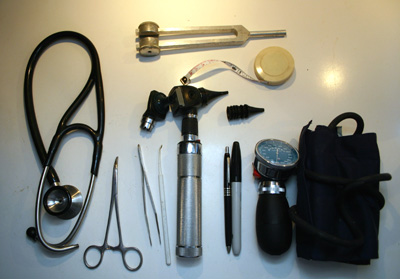
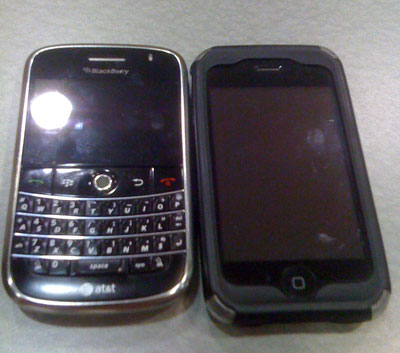
The Med Student's Pockets: Then and Now
Wednesday, July 01, 2009
Goodbye Northwestern. Hello University of Chicago
Today's the day I magically lose my appointment at Northwestern University and transition to the University of Chicago's Pritzker School of Medicine. As of 1 July 2009, NorthShore University HealthSystem changes it's medical school affiliation, so I changed the "About Me" section on my sidebar.
For patients and collegues alike, I really don't expect much change, except for the logos worn by the medical students and residents.
But as we change affiliations, I'd like to thank all the residents from Northwestern with whom I have had the pleasure to work with and learn from over the years. I wish you all the best as you transition to the real world.
Now, Univeristy of Chicago, it's your turn.... (heh, heh).
-Wes
For patients and collegues alike, I really don't expect much change, except for the logos worn by the medical students and residents.
But as we change affiliations, I'd like to thank all the residents from Northwestern with whom I have had the pleasure to work with and learn from over the years. I wish you all the best as you transition to the real world.
Now, Univeristy of Chicago, it's your turn.... (heh, heh).
-Wes
Wednesday, April 30, 2008
Where Have All The Residents Gone?
Last night - a code - complete heart block. I was called it to place a temporary pacing wire in the ICU. Little time. Stress. Need to prepare the field. Gloves, does anyone have gloves? Could we prep the area? You have the central line kit? Could I get another set of hands?
Then I realized something. The residents who had so carefully run the initial code and get the patient to the ICU had vanished. Why? Don't they want to learn how to start a central line, or at least see one placed? Where are they?
After the dust settled, I came to realize what had happened.
So to them and the medical teachers everywhere, I dedicate my parody of Pete Seeger and Joe Hickerson's "Where Have All the Flowers Gone" popularized by Peter, Paul and Mary and Joan Baez:
Where Have All the Residents Gone?
Where have all the residents gone, long time passing?
Where have all the residents gone, long time ago?
Where have all the residents gone?
They’ve gone to the keyboards everyone.
When will they ever learn?
Where have all the keyboards gone, long time passing?
Where have all the keyboards gone, long time ago?
Where have all the keyboards gone?
They’re now in the hospitals everyone.
When will they ever learn?
Where have all the hospitals gone, long time passing?
Where have all the hospitals gone, long time ago?
Where have all the hospitals gone?
They’ve gone to the hospitalists, everyone.
When will they ever learn?
Where have all the hospitalists gone, long time passing?
Where have all the hospitalists gone, long time ago?
Where have all the hospitalists gone?
Consulting the specialists, everyone.
When will they ever learn?
Where have all the specialists gone, long time passing?
Where have all the specialists gone, long time ago.
Where have all the specialists gone?
They’re planning retirement, everyone.
When will they ever learn?
Where have all the retirees gone, long time passing?
Where have all the retirees gone, long time ago?
Where have all the retirees gone?
They’re treated by residents, everyone.
When will they ever learn?
-Wes
Then I realized something. The residents who had so carefully run the initial code and get the patient to the ICU had vanished. Why? Don't they want to learn how to start a central line, or at least see one placed? Where are they?
After the dust settled, I came to realize what had happened.
So to them and the medical teachers everywhere, I dedicate my parody of Pete Seeger and Joe Hickerson's "Where Have All the Flowers Gone" popularized by Peter, Paul and Mary and Joan Baez:
Where have all the residents gone, long time passing?
Where have all the residents gone, long time ago?
Where have all the residents gone?
They’ve gone to the keyboards everyone.
When will they ever learn?
Where have all the keyboards gone, long time passing?
Where have all the keyboards gone, long time ago?
Where have all the keyboards gone?
They’re now in the hospitals everyone.
When will they ever learn?
Where have all the hospitals gone, long time passing?
Where have all the hospitals gone, long time ago?
Where have all the hospitals gone?
They’ve gone to the hospitalists, everyone.
When will they ever learn?
Where have all the hospitalists gone, long time passing?
Where have all the hospitalists gone, long time ago?
Where have all the hospitalists gone?
Consulting the specialists, everyone.
When will they ever learn?
Where have all the specialists gone, long time passing?
Where have all the specialists gone, long time ago.
Where have all the specialists gone?
They’re planning retirement, everyone.
When will they ever learn?
Where have all the retirees gone, long time passing?
Where have all the retirees gone, long time ago?
Where have all the retirees gone?
They’re treated by residents, everyone.
When will they ever learn?
-Wes
Subscribe to:
Comments (Atom)