Monday, June 06, 2011

The Rise of Specialty Hospitalists

It started as just a figment of the hospitalist movement years ago when I saw an ad in Florida advertising for a cardiology hospitalist. Now it seems the trend is continuing to other specialties like neurosurgical, orthopedic, OB-GYN, and ENT hospitalists.

In the new construct of health care reform ahead, will specialists evolve to mere proceduralists?

If so, should we insist our hospitalist colleagues obtain additional specialty training and board certification in their chosen "specialty" fields? Or is a mere "label change" of the hospitalist title enough to assure quality care for our patients?

This trend toward lower-cost, less-trained individuals subsuming titles of "specialists" so hospitals can meet their bottom lines leaves me lukewarm regarding patient care quality. Yet ironically, I suspect that 90% of things we do day to day in my field will be managed fine by this construct.

It's just the other 10% of cases that aren't routine that I remain concerned about. It's like that old Harry Callahan line spoken by Clint Eastwood in the movie Dirty Harry:
I know what you're thinking. "Did he fire six shots or only five?" Well, to tell you the truth, in all this excitement I kind of lost track myself. But being as this is a .44 Magnum, the most powerful handgun in the world, and would blow your head clean off, you've got to ask yourself one question: Do I feel lucky? ... Well, do ya, punk?
-Wes

The Government's Research Double-Standard

If you want to sell a new drug or therapy in America, you must perform a prospective, randomized clinical trial to prove its safety and efficacy. Further, if that trial does not reach one or more pre-specified clinical endpoints, you can't advertise or publish the trends found.

But if you want to limit costs in medicine, it seems the government is intent on looking the other way:
At stake in the Harkonen case is a much broader debate over the standard for drawing clinical conclusions from scientific data. FDA typically requires two forward-looking or prospective trials, in which patients are randomly picked to get either an experimental drug or a placebo. That might be an appropriate standard for FDA approval, but it's an excessive burden for private firms that merely want to share their truthful research conclusions with doctors. The restrictions may also violate the First Amendment; Dr. Harkonen is appealing on those grounds to the Ninth Circuit.

At the same time government is limiting what private companies can legally communicate about their drugs, it has set a much lower standard for federal health agencies. President Obama has created new institutions with the sole mandate of running trials based on softer statistical standards. Retrospective studies will be the core occupation of a new "comparative effectiveness" research agency that has $4.1 billion to conduct government studies on medical products. The results will be used to inform federal treatment guidelines, as well as Medicare's payment policies.

At least $100 million of that $4.1 billion is being spent on promoting research results. The Agency for Healthcare Research and Quality recently paid $26 million to the PR firm Ogilvy to "market and promote the adoption" of the findings.
And it doesn't stop there.

Our clinical treatment "guidelines," now number some 2,766 for physical and psychiatric treatments according to the government's "Guideline Clearing House" (even, ironically, one for "Wandering"). These prescripts for care use a cornucopia of non-scientific methods, including opinions and case studies to formulate their recommendations, stating:
"Research findings and other evidence, such as guidelines and standards from professional organizations, case reports, and expert opinion were critiqued, analyzed, and used as supporting evidence."
So when scientific rigor is given only lip-service by our government regulators, what will happen to the quality of care provided to our patients?

Maybe government recommendations should come with a food-label like disclaimer:


-Wes

Sunday, June 05, 2011

Regulations Gone Wild

We certainly have seen regulations upon regulations appear for health care over the past several years, and this letter to the editor of the Wall Street Journal (1 June 2011) from the Commissioner of the Consumer Product Safety Commission, Nancy A. Nord, should cause us all to pause:
As a commissioner at the U.S. Consumer Product Safety Commission (CPSC), I can attest that no such (regulatory reform) activity is happening at this agency. We certainly have not combed through our regulations to eliminate those that are "out-of-date, unnecessary, [or] excessively burdensome," as he suggests is being done across the government. Instead, we are regulating at an unprecedented pace and have pretty much abandoned any efforts to weigh societal benefits from regulations with the costs imposed on the public.
In health care, we have seen an unprecedented rise in regulations for in-hospital MRSA screening while little data have been forthcoming about its patient benefits. Doctors are under increased administrative burdens to complete Pay for Performance questionnaires without any evidence of their benefit to patients. Burdensome and costly re-credentialing programs have never been shown to improve health care quality. In fact, we're seeing so many regulations on how we provide care foist upon us without any clear indication that patient outcomes have benefited that we have to wonder if, like the CPSC, common-sense regulation will even get a head nod as well.

How doctors will work to free themselves of these administrative burdens while maintaining the clinical care volumes in the years ahead now that they are increasingly beholden to a larger health care management organizations remains to be seen, but I suspect once patients encounter problems with access to their own care, there might be a chance for effective reappraisal of which regulations really are in their best interest.

Until then, with more centralized control of health care, look for more and more regulations heaped on providers to control costs, safety and improve efficiencies "just because."

-Wes

Friday, June 03, 2011

Twitter at Scientific Sessions

Bryan Vartabedian, MD over at 33 Charts has an interesting post on his blog today: Should Twitter be Restricted at Scientific Meetings? I encourage all to read it.

Increasingly, scientific sessions (many of which have heavy corporate sponsorship) have evolved from scientific endeavors to those of marketing and media endeavors. While there are benefits to pharamceutical and medical device representatives gaining "access" to "key opinion leaders" to explore ways to further innovate in medicine, there is also a chance that these interactions will influence and bias.

Doctors know this. So do device and pharmaceutical reps. As do the media.

But at most of the recent Scientific Sessions that I have attended, there is usually a sign at the door of the meeting telling us photographs are prohibited. And yet, without exception, I have seen people snapping pictures of slides and posters and friends, among other things.

Who are we kidding? The ubiquious nature of cell phones capable of snapping a picture and sending it around the world in seconds exists on nearly every attendee at these meetings. Yet somehow I haven't seen anyone wrestled to the ground to surrender their cell phone to authorities to date.

And most of these scientific meeting sponsors have welcomed social media as part of their marketing efforts, publishing updates on sessions underway, not to mention encouraging companies to market their wares at the meeting as well. Should doctors, then be restricted? We're not talking censorship of the scientists are we?

So should we restrict the use of Twitter at scientific sessions?

My thoughts on this: if you've invited the media to cover the event, then by default, you've invited Twitter.

-Wes

Wednesday, June 01, 2011

The Case of the Missing Pager

It happens to every doctor at some time in their busy career: the missing pager. Usually, discovering the locale of the digital disrupter is quite simple: you simply page yourself provided, of course, that the contraption is not on "vibrate" mode.

And so it was with me some time ago.

The scene was a familiar one: rushing off to work, heading out the door while contemplating the upcoming caseload of the day with my mind wandering off to great medical thoughts when, suddenly, I reached to my hip to find that I had forgotten my pager.

Dang.

So back to the house I go and scramble for the telephone. My wife, hearing the door opening calls back from upstairs: "Something wrong, dear?"

"No, just forgot my *@#$&#*& pager. No biggie."

So I called the paging number and waited. (Why it takes so long for electrons to travel to space and back is beyond me.) Some time later I heard in the distance:

* Bleeep, bleeep, bleeep *

"Whew," I thought, "at least it's not on vibrate mode."

I turned and proceeded to the bedroom, ready to corner my prey. I looked and looked and still, no pager.

So I paged it again. Fingers tapping and frustration growing, I wait. Finally:

* Bleeep bleeep bleeep *

"Shoot, it's in the other room," I think. "No wonder." So I proceed to the office accross from my bedroom, sure I'd find the little bugger on the desk beneath some papers. So I move everything in sight. Under here? Nope. How about here? Nope. Oh, COME ON! Where can that stupid thing be. I retrace my steps, check my pockets, my waist band, pull out my car keys just to make sure it's not hiding with them: nothing. So I page again.

* Bleeep bleeep bleeep *

There you go! It's not in the bedroom or the office, it's in the hall! Probably fell off my pants. Or maybe it's in the laundry hamper... Clothes removed, checked, piles quickly scanned: still nothing.

By now I feel my temperature rising. How can I be this thick-headed? Five more pages, fifteen more "bleeeps," and back and forth from room to room, all with the same result.

And then it dawns on me....

Could it be?....

There, right smack dab in the middle of the back of my waistband it hung, well out of way of my usual reach as it dutifully bleeped and projected its sound to the room that was always behind me.

Ugh.

Stupid is as stupid does, I suppose. (I guess it could have been worse.)

-Wes

Tuesday, May 31, 2011

Double Dare Leads to Cardiac Scare

Remember, pointing a pellet gun at your boyfriend's chest and pulling the trigger, even when he dares you to, may not be the smartest thing to do. Fortunately for this guy, he was saved by extensive right coronary artery collaterals and a very capable surgeon:
“He is a miracle case because so many things went in his favor,” said Dr. Nicholas Namias, Jackson Ryder Trauma department director and one of the surgeons who operated on him last week.

Most miraculous was the rare anatomy of Mendigutia’s heart. The bullet caused a blockage in the left anterior descending artery, the heart’s main artery. But because of his heart’s “very rare” anatomy, blood was able to flow through the opposite side of the artery.

Also, in this type of case, the pellet could have affected his aorta, esophagus and/or trachea, said Namias. In this case, it missed all three.

Mendigutia was airlifted to Ryder Trauma at midnight May 23 with cardiac tamponade, which means blood was filling up in the space between the myocardium (heart muscle) and pericardium (outer covering the heart). This prevents the ventricles from expanding and can cause a heart attack.

“Gabriel had a right coronary artery that supplies the left anterior descending distribution. He had a blockage, but rare anatomy allowed blood to flow backwards to area of injury, “said Namias, who doubts any other area hospital would have been able to save his life.
-Wes

Addendum 6 June 2011: The man's post-op picture and follow-up story here.

The Unintended Consequences of Free Medical School

Don't it always seem to go,
That you don't know what you've got 'til it's gone.
They paved paradise,
And put up a parking lot."


- from "Big Yellow Taxi" by Joni Mitchell
An opinion/policy piece appeared two days ago in the New York Times entitled "Why Medical School Should Be Free." Hey, why not? If it's free it's for me!

After all, such a system the rage in many other socialized medical systems.

But rather than focus a critical eye on why medical school has become so exorbitantly expensive, the authors choose to offer a proposal to make it free. By doing so, the authors suggest there is no need for introspection about the antiquated and costly system of medical school education that exists today. There's no need to reconsider the academic tenure system and it's burden to state budgets. There's no need to consider that many university programs are already crumbling under large debt loads and struggling to meet the training and case-load demands of their students, farming them out to private institutions to assure they meet their requisite number of cases.

Heck no. Better to perpetuate the current system and make it free! Students would no longer object to schools that could finally crank their tuition higher! (Trust me, *wink wink,* taxpayers won't know the difference!)

And don't worry about the broad-based specialist shortages that exist today. Heck no. It's all about primary care. Have a hernia and need a surgeon? Or a bypass? Ooops. Not seeing much in this piece to correct our current shortcomings. What's another $50,000+ per year of education for for those employed specialists-to-be making $37,000 per year as residents?

Mere chump change.

For those military and National Health Service Corps recruiters out there, you'd better start thinking of another incentive program to recruit doctors since offering free medical education in return for a few years of service to your country no longer looks like such a good deal.

Beyond these things, we should also ask: has there been a benefit to patients when medical school's compete to attract the best and brightest doctors?

Certainly.

Look, it'd be nice if no one had to pay for medical school. (It would be nice if I didn't have to pay for college education either for that matter.) But let's not forget the real issue here: doctors are losing all autonomy and ability to advocate for their patients' needs above those of their employers, be they public or private. Since someone will now be paying a doctor's tuition, someone else will decide a doctors' work and level of expertise. Someone else will decide their hours and of course, someone else will decide their pay. As a result, will this new medical school curriculum model shun individual ingenuity in favor of health care budgetary imperatives? When a doctor has little monetary skin in the game, how will such a system assure an adequate work ethic from doctors going forward? A suppose time clocks would work.

Bottom line: there never has been and will never be a free lunch for anyone without some very big strings attached.

-Wes

Kevin Pho, MD gives his reasoned take on the same New York Times article from the primary care perspective.

Thursday, May 26, 2011

Could Your Car Detect a Heart Attack?

Should car companies be in the medical business? Well, Ford Motor Company seems to think so. First the bluetooth-enabled glucose meter and now the ECG-enabled bucket seat:
AACHEN, Germany, May 24, 2011 – Ford Motor Company's advanced research engineers have developed a prototype vehicle seat that can monitor a driver's heart activity and could one day reduce the number of accidents and fatalities that occur as a result of motorists having heart attacks behind the wheel.

Engineers from Ford's European Research Centre in Aachen, Germany, working closely with Rheinisch-Westfälische Technische Hochschule, Aachen University, embarked on the project to address an often overlooked traffic safety issue – accidents triggered by drivers who experience heart problems.

The prototype Ford seat employs ECG (electrocardiograph) technology that monitors the heart's electrical impulses and detects signs of irregularity that can provide an early warning that a driver should seek medical advice, because he might be impacted by a heart attack or other cardiovascular issues. Whereas a normal ECG machine in a doctor's office requires metal electrodes to be attached to the skin at various points on the body, the Ford ECG seat has six built-in sensors that can detect heart activity through the driver's clothing.
So I wonder what the car will actually do when it detects a heart attack? Will it pull off to the side of the road and stop? Maybe it'll activate the car's OnStar system? Or maybe a few more electrodes could be applied to the seat that could deliver a corrective defibrillation jolt? (One false positive arrhythmia detection and you can bet that car will never sell, though).

Sheesh.

Next week, look for the pulse-oximeter-enabled steering wheel that drops oxygen masks from the car's ceiling when driver's oxygen level drops too low.

-Wes

New York's Dress Code Proposal for Doctors Doesn't Go Far Enough

From AMA Medical News:
New York physicians may have to take off their neckties, jewelry, wristwatches and long-sleeved white coats when caring for patients if a bill under consideration in the state legislature becomes law.

The bill, proposed in April in the state Senate, calls for a "hygienic dress code council" within the New York Health Dept. to consider advancing a ban on neckties and requiring physicians and other health professionals to adopt a "bare below the elbow" dress code in an effort to slash hospital-acquired infections.
Even though there's no data that this does anything to reduce hospital acquired infections.

But that doesn't matter.

So why stop there? I say, doctors should do the ultimate for their patients: the Full Monty.

-Wes

A Variant of "Where's Waldo?"

For doctors, there's a new game they can play at their next professional society's scientific meeting: "Where's the RFID Scanner?"

See if you can find them in this picture from this year's earlier Heart Rhythm Society Scientific session:

Click to enlarge

-Wes

Wednesday, May 25, 2011

Atrial Fibrillation Ablation - Marketing Through Scientific Publications?

Circulation, a major cardiology medical journal, just published an article on atrial fibrillation ablation, complete with extensive video - all available for free online. It's an informative piece, but I found myself wondering why this piece was "unlocked" and available to the public for free when the most of the rest of the journal is locked. In the video, the atrial fibrillation magically disappears - I'm not sure how. Was it by ablation? Or did a cardioversion occur that we didn't see? And where is the discussion of potential complications? Should they be mentioned? The viewer is left to wonder if we're watching a promotional video rather than a truly balanced perspective on the technology. Might industry have supported this publication? Or maybe it was the hospital system's marketing department?

It isn't that the article doesn't have value. I just wonder if a new form of critical scientific review or additional disclaimers are warranted when video supplements are added to journal articles now that print-media is nearly obsolete.

-Wes

The Offer They Won't Refuse

"Hello, Doctor Johnson, this is Madam Secretary."

"Nice to hear from you Kathy. What can I do for you?"

"I enjoyed our last get-together, Dr. Johnson. May I call you William?"

"Please do."

"Thank you. You know, William, we've appreciated your contributions to our various health care initiatives over the many years and we've reviewed your public policy statements on the cost of Medicare and the waste inherent to the system. Brilliant work, really. Seeing that you're a tenured professor at the University of Greatness with such national prominence we thought we could turn to someone with such an impressive set of credentials and publications. Add to that, your contributions to the President's campaign haven't gone unnoticed."

"Thank you, Madam Secretary."

"William, let me cut to the chase: we're in need of like-minded individuals like you that see the value in preserving Medicare as we know it. Thanks to your efforts in the past, the President and I thought you'd be a perfect candidate to sit on our Independent Payment Advisory Board for the next nine years to help guide us to better health care with lower costs."

"Seriously? Me? Oh. My. Goodness!"

"Yes, William, that's right. And this position, as you and I both know, will make your tenured position at the University of Greatness look like relative chump change. Press releases, life-long consultancies, the works! And your salary? How does a million bucks a year with annual cost-of-living adjustments, coverage of your travel and moving expenses, and guaranteed unrestricted health care for you and your family for the rest of your lives grab you?"

"Seriously, Kathy? I had no idea that the conversation that last cocktail party would come to this! I'm looking forward to shifting our emphasis from providing so many options to people that are so expensive to standardizing care. Like all those drug-eluting stents in cardiology when bare metal ones can do the same job..."

"It'll be your chance to shine, William. And best of all? No. One. Can. Touch. You. No independent or judicial reviews. You won't have to take any more crap from anyone! And Congress? If they fail to act on any of your recommendations, bang-oh, they're enacted. (Snickering now) When was the last time you saw Congress agree on anything? (Laughing together) That, sir, is power personified! We're making this offer to only fifteen people, William, and with all of your impressive credentials, you are one of 'em!"

"But Madam Secretary, to be fair, I don't know anything about most of the other specialty fields out there. I'm just a pediatrician - and one that hasn't been practicing clinical medicine for the past 10 years... What will my colleagues say when I take a position on stents? I mean, I respect doctor Frigamafratz's position on the need for less stent thrombosis..."

"William, don't worry, you can still make them part of a special 'Presidential Advisory Panel.' You know the drill: put 'em on a panel and let him feel all important - like he's part of the solution! But it will still be you making the call! Get it? And as far as the other regular cardiologists out there are concerned, how are they going to compete with your presence next to a podium with an American flag and the symbol of Asclepius emblazoned behind you on TV?"

"Heh. Yeah. I love the way you think, Kath! What was I thinking? Very efficient, really. A fantastic board with national impact almost instantly! Amazing. When can I start?"

-Wes

Monday, May 23, 2011

What Not To Say in a Medical School Interview

Years ago, I was fortunate to have been selected as a medical school representative for our medical school Admissions Committee. As such, I had the opportunity to see, first hand, the admission process and partake in interviews with prospective medical students. Most candidates had already made the MCAT score / grade cutoffs requisite for medical school and were then asked to come for an interview with members of the Admissions Committee. (At the time, the interviews conducted by student representatives were weighted equal to the interviews of more senior members of the admissions committee.)

Reflecting on those days, I recalled two students' responses that prevented them from being a medical student at our school.

First, when responding to the predictable, broad open-ended question "So why do you want to be a doctor?" it's never a good idea to answer with a blank stare, long pause, and then, "Gee, that's a good question!"

Second, no matter how great your MCAT scores and grade point average might be, when asked "Five years from now, what would you like to see yourself doing?" it's probably a good idea not to answer as follows:

"Let's see, it's Wednesday. I guess I'd like to be out on the golf course right about now."

While the response garnered a good chuckle from the Admissions Committee, he never stood a chance.

-Wes

Sunday, May 22, 2011

Our Tenuous Medical Homes

It was just a visit to manage her paroxysmal atrial fibrillation. She was long overdue for the visit. So she arrived as she had so many times before: with little fanfare and folderol. She sat patiently after her weight was obtained, vitals recorded, and medications verified. Clutching her purse, whe sat patiently as the examination door opened.

"Hello, Ms. Smith, how have you been doing?"

"Wonderfully, doctor. I haven't had any more problems with my heart rhythm." She leaned sideways to put down her purse on the floor next to her.

"Any dizziness, lightheadedness, shortness of breath, cough?..."

"No, I'm doing fine, thankfully," her eyes glistening.

I proceeded to complete her history and catch up on a few details with her, then moved on to the physical examination. I watched as she got up on the exam table and noted her moving a bit more slowly than I had recalled.

"Is your strength doing okay?"

"Oh sure. Never better. Just slowing down a bit is all. But I'm not sure how well I'd be doing if it weren't for my daughter."

"How's that?"

"Oh, well, I'm her caregiver. Diabetes, you know. She's blind now, lost a the lower part of her leg... horrible disease, really. But she's my reason to keep going..."

I realized I had been caring for her almost ten years, but had forgotten an important detail: "How old is she now?"

"Fifty-eight."

"Is there anyone else who could help you?"

"Not really. My brother lives quite a ways away. He's been urging me to move, and I'm sure it'd be easier if ithere weren't two stories there, but it's our home! I just don't think I could bear moving ..."

I completed the examination, discussed her management, then refilled her prescriptions. As I completed her final paperwork I had to decide when to see her next.

I paused, not sure of the time interval to propose for her to return.

A month? Three months? Or maybe six? It's hard to decide when you're seeing such a remarkable ninety-one year old.

"Six months would be perfect, doctor," she said. "I hope I can see you then."

-Wes

Saturday, May 21, 2011

Health Care Business Terms for Dummies (Like Medical Students)

Since starting this blog I have had the opportunity to stumble across interesting business terms currently in use in health care. As a service to our graduating medical students and residents entering our evolving world of medicine, I thought I'd assemble a reference source of important business terms for their use. This list is by no means complete and I would welcome other definitions readers might add to this ever-expanding list:

TermTranslation
Accountable CareCare provided by those who only know how to subtract
Health care consumerPatients - If your patients are alive, they cost the system money
KOLs (Key Opinion Leaders)"Yes" Men and Women for Industry - I was first going to call these individuals "industry whores" but not all of them accept fees from industry for their opinions. The opinions of KOLs, however, uniformly jive with the industry interests they speak about.
Lean Six SigmaReducing staff-to-patient ratios as low as possible - and substituting kiosks for them instead.
Quality MeasureAn order you seem to have forgotten that makes people money.
Meaningful UseA measure of one's ability to use a keyboard - To suggest another definition is silly since no one will be paid to deliver care in the future unless they have purchased a very expensive computer system tells you what to type and when to type it.
Wellness InitiativeHealth Data Collection Opportunity - Remember, "wellness" is not the opposite of illness.

Hope this helps!

-Wes

Thursday, May 19, 2011

When Medical Devices Speak to You

Could your implanted medical device soon speak to you?

Perhaps.

Two unlikely corporate partners, Ford Motor Company and Medtronic, are partnering on an interesting new "application" using continuous glucose monitors: a car that "speaks" to you:
The two companies announced Wednesday that they have developed an in-car prototype system that connects Ford’s Sync technology to a Medtronic glucose-monitoring device via Bluetooth—which then displays the driver’s glucose level on the car’s dashboard display. If a driver’s glucose level become too low, an alert sounds or a signal appears on the dashboard display.

Low blood sugar can cause confusion, clumsiness, dizziness, difficulty speaking, and a variety of other side effects that are potentially dangerous to drivers. Those side effects can typically be treated by eating or drinking glucose-rich foods or beverages.

The partnership between the two companies is part of a larger health and wellness initiative that Ford launched that is aimed at helping people with chronic illnesses or medical disorders—including diabetes, asthma, and allergies—manage their condition while on the go.
Very clever! A GPS system for your blood sugar!

Think of the possibilities...

A diabetic patient, equipped with their bluetooth-enabled continuous glucose meter sits behind the wheel and drives for about three miles when, quietly and non-obtrustively, a sultry voice behind the dashboard states:
"Prepare to turn unconscious... in... 0.2 miles..."
Or if a similar technology is developed for patients with implantable cardiac defibrillators:
"Pardon me for disturbing your tranquil drive, but your defibrillator has detected a rhythm disturbance and will begin therapy in approximately 400 ft.... 200 ft ... 50 ft....

*ka-blam!*

Please proceed to your planned route..."
But best of all, once they perfect implantable drug delivery systems we might hear from the dashboard of our cars:
"If your erection lasts over four miles..."
-Wes

Wednesday, May 18, 2011

Stifling Fun in Medicine

I wonder if we're in danger of stifling fun in medicine.

Certainly there are still fun things to do in medicine (ablating a pesky accessory pathway safely, for instance). But as I watch the newly-minted medical school graduates emerge from their long, sheltered educational cocoon, I wonder what their attrition rate will be from medicine once they see our new more-robotic form of health care community.

There is a social camaraderie in medicine when you train. Maybe it's the "misery loves company" syndrome. In medical school you stick together through thick and thin because few others understand what you're going through. You strive for the day when, collectively, you earn the designation of "doctor of medicine." There's a strength in numbers.

But as our work flows become regimented, our geographic coverage areas more dispersed, and our hours more fragmented, I've seen the loss of the collegiality of the doctor's lounge being replaced with the coldness of e-mail blasts. I've seen the loss of summer picnics with my colleagues' families replaced with "Doctor Appreciation Day." After work get-togethers that included our spouses and kids are have long since gone - most of us just want to get back home to re-group for the next day ahead.

As medicine continues on its inevitable cost-contraction course of doing more with less, I hope there continues to be a way to keep the psychological well-being of our health care workforce and their families in mind. Otherwise, the historically long-term career of physicians might become much shorter.

-Wes

Tuesday, May 17, 2011

A Blood-Powered Hydroelectric Turbine?

From IEEE Spectrum:
"The heart produces around 1 or 1.5 watts of hydraulic power, and we want to take maybe one milliwatt," Pfenniger explains. "A pacemaker only needs around 10 microwatts." At the Microtechnologies in Medicine and Biology conference in Lucerne, Switzerland, earlier this month, Pfenniger presented results from a trial in which a tube is designed to mimic the internal thoracic artery, a millimeters-wide vessel that doctors sometimes cannibalize for surgery because it is redundant. The most efficient of the three off-the-shelf turbines he tested produced around 800 microwatts, which could run devices much more power hungry than today’s pacemakers.
Pretty interesting. But the body is a formidable hydroelectric plant; they still have to work out the clotting and hemolysis potential of these devices...

-Wes

What Does Propublica Want?

It's an healthy question to ask after Propublica's recent exposes on the Heart Rhythm Society and SCAI. So I turned to the internet to find this piece published previously in Slate:
What do the Sandlers want for their millions? Perhaps to return us to the days of the partisan press. The couple made their fortune, which Forbes estimates at $1.2 billion, at Golden West Financial Corp. In recent years, they've spent millions on politics. The Federal Election Commission database shows the two of them giving hundreds of thousands of dollars to Democratic Party campaigns. In 2004, Herbert Sandler gave the MoveOn.org Voter Fund $2.5 million, again according to the FEC database. The Center for Responsive Politics Web site reports donations of $8.5 million from Herbert and Marion to the 527 group Citizens for a Strong Senate, in the 2004 cycle. CSS was formed by "a group of strategists with close ties to former North Carolina Sen. John Edwards," writes the washingtonpost.com's Chris Cillizza. American Banker reported in 2005 that Herbert also gave $1 million to the California stem cell initiative and that the pair have also funded the progressive Center for American Progress.
While I do feel there's a need for healthy disclosure of industry ties with physician groups, it's helpful to keep in perspective the origins of the recent investigative reporting. Is it meant to beat down doctors further into submission in the health care debate to make us cogs in the corporate wheel rather than innovators in care?

It's low-hanging fruit to take shots at the sources of funding to doctors' societies. I wonder if Propublica will perform similar reporting for the sources of funding for members of our Judiciary?

-Wes

Monday, May 16, 2011

Humor in the Cardiac Catheterization Laboratory

From patient to porn star, thanks to a "landing strip:"
Just prior to the tap into my right femoral artery at the groin to insert the catheter, a creative prep nurse with razor and wicked sense of humor shaved and left a landing strip where a forest primeval once thrived.
Those nurses are getting creative!

-Wes

What Quality Means Now: Checkboxes

With the news that Wellpoint, one of the largest insurance companies in America, will cut off annual 8% payment increases to about 1,500 hospitals if they fail to "test" high enough on 51 quality measures, they have officially defined "quality" health care as checkboxes.

Yep, checkboxes.

You see how do insurers know if we offer each of our patient's nutritional guidance or exercise counseling?

Well, they check to see of doctors have clicked on a yellow warning box advising we do this. If we have, then not only is that doctor a fine, "quality" doctor, but the hospitals (and it's computer system and scores of administrative staff that compile and submit this data) are real, fine, "quality" hospitals.

That's all there is to it.

Never mind if we don't have time to actually perform the counseling.

* click * * check * * click *

Simple as pie. Efficient, too.

Beautiful bureaucratic quality.

Good luck with that.

-Wes

Friday, May 13, 2011

Skynet is Here

I saw this and could help but wonder how similar technology might be applied to atrial fibrillation ablation some day:


From IEEE Spectrum:
Being able to do this is all about communication, as Professor Nathan Michael discussed today at the IEEE International Conference on Robotics and Automation (ICRA) in Shanghai. As he and fellow researchers Matthew Turpin and Vijay Kumar have discovered, the robots have to not just know exactly where they are, but they also have to broadcast that information to their neighbors to maintain the integrity of the formation. This processing is all done on each individual quadrotor, so there's no all-seeing computer watching everything and telling each robot where to go. The accuracy is impressive: 50 percent of the time the quadrotors are within a mere two centimeters of where they should be.
Well, these robots haven't been miniaturized nor tested in blood so they're not ready for atrial fibrillation ablation yet, but it's still fascinating to see what creative minds can develop.

"Thinking" robots.

Uh, oh.

Then again, maybe I'm just reminded of scrubbing bubbles.

-Wes

Fading or Evolving?

Perhaps its a natural evolution of a blogger on the internet: starting out strong, then fading. Perhaps it's a realization that you've said what you wanted or needed to say and newer content is harder to find. Perhaps it's the changing times or the changing of priorities. Perhaps it's because newer, faster ways have developed for doctors to communicate with the outside world, like Twitter.

Perhaps, it's all of these.

Whatever it is, my blogging frequency has slowed considerably since I started:


Will this trend continue to reach its inevitable asymptote of zero?

I suppose.

But as long as there are things that are interesting, bothersome, unique or funny to share, I'll continue - maybe not as a thoroughbred with as many posts per day, but an old mule who can occasionally give a good ride. (Whether that ride will be rough or smooth remains to be seen...) Still, as long as it remains fun to do, I'll keep her goin' for now. While it's taken a while to garner a faithful following of all six of you, I continue to be amazed at the impact one guy's blog can have. Thanks to all of you who have taught me, scolded me, praised me, and educated me along this wild journey.

A few other reflections at this juncture.

I feel a bit guilty that I cannot always post the comments left here in a timely fashion. I can assure you I read them all and appreciate the perspectives shared. But my day job requires that I perform procedures that happily remove my brain from the internet. I get to them when I can - hence why idle back-and-forth chat will never be my "M.O." And try remember to keep your comments clean, respectful of others, concise, and on message. (Remember, your mother's watching.)

By the way, to those that leave those "love your blog" comments with a link back to your overseas drug distribution, vibrator sales site, or similarly dissociated website: rest assured your comments will continue to be hastily labeled as "spam" for the great gods of Google to feast upon.

So happy Friday-the-13th and thanks for checking in from time to time. It's been a ball.

We'll now return to our regularly (yet less frequently) scheduled programming...

-Wes

Wednesday, May 11, 2011

Agglutination

Today, another large Chicago hospital joined forces with one of the largest remaining local physician groups:
Naperville-based Edward Hospital said Tuesday it has formed a joint venture with the fourth-largest doctors group in the Chicago area.

The venture, which would treat as many as 100,000 patients, initially will focus on health maintenance organization patients of both the 309-bed hospital and Downers Grove-based DuPage Medical Group, which has 320 doctors and revenue of $363 million in 2010, according to Crain's annual ranking of physicians groups.
As the health care law winds its way through the courts, its effects are already profound. Each day we see the consolidation of the health care "market" as doctors groups are swallowed whole by large hospital systems as part of the "Accountable Care" organizational construct mandated by the Affordable Care Act. Now we see the west side of the Chicago suburbs are fortified.

For patients, there's little to notice at the present time since very little immediate change to care delivery will occur. (This was the intention.) But as payment screws tighten to these newly-agglutinated partners and the newly-insured flood the system in the years ahead, there still will be a woeful lack of physicians to absorb the influx of patients. Access to care for patients with insurance will remain challenging - likely more so.

The shortage of specialists continues, too. Our newly-minted specialists from the current training pool are finding it hard to find jobs because of these consolidations. Newly-formed large groups are reluctant to add new hires as they join forces with large health care systems because of concerns they are already joining many other doctors competing for the same pool of patients already. Since their new employment contracts will likely contain productivity clauses, who in their right mind would want to hire now?

So while many are paying attention to primary care shortages, specialist shortages are likely to be even more severe going forward.

But then, specialists cost a lot of money to our health care system, don't they?

And now you know why they call it the "Affordable Care Act."

-Wes

Tuesday, May 10, 2011

How to Optimize Your Care While Hospitalized

It was interesting lunchtime conversation. A lone doctor listening to some highly experienced and capable nurses, reflecting on their work:

"If the patient's nice, it's a lot easier to want to go back in that room with them. Their reputation travels at the nurses station. But if they're mean, well, it's not as easy to go back in there, so I might not stop by as often."

"I agree, it's easier to catch flies with honey than vinegar."

Words to live by.

-Wes

Challenging Times for Health Care Law

The Affordable Care Act (interesting that it's no longer called the Patient Care and Affordable Care Act by the White House) will continue its march toward the Supreme Court this week:
President Obama's healthcare law faces a series of challenges in three appeals courts starting Tuesday as Republican lawyers from 27 states will urge the courts to strike down the law as unconstitutional.

In a sign of the high stakes and the partisan divide, one case will feature a rare courtroom clash between the Obama administration's top appellate lawyer and his counterpart from the George W. Bush administration.

At issue is whether the government can require virtually all Americans to have health insurance by 2014 or pay a small tax penalty. Democrats said the mandate was needed to make sure that all who could afford to do so paid for medical insurance. Otherwise, they said, freeloaders would force hospitals and taxpayers to pay for them if they were badly injured or came down with crippling diseases.

Republicans who opposed the law called the mandate an unprecedented government meddling in private lives. It "would imperil individual liberty" and "sound the death knell" for the Constitution if the government can "compel" people to buy products, Paul D. Clement, the former Bush administration solicitor general, said in a brief last week.
Given the partisan divide, I would anticipate that there will be some cases for, some against, like before. Still, the prequel playing out in Massachusetts warrants heeding challenges ahead if this bill is ultimately upheld:
A new survey released yesterday by the Massachusetts Medical Society reveals that fewer than half of the state's primary care practices are accepting new patients, down from 70% in 2007, before former Governor Mitt Romney's health-care plan came online. The average wait time for a routine checkup with an internist is 48 days. It takes 43 days to secure an appointment with a gastroenterologist for chronic heartburn, up from 36 last year, and 41 days to see an OB/GYN, up from 34 last year.
-Wes

Sunday, May 08, 2011

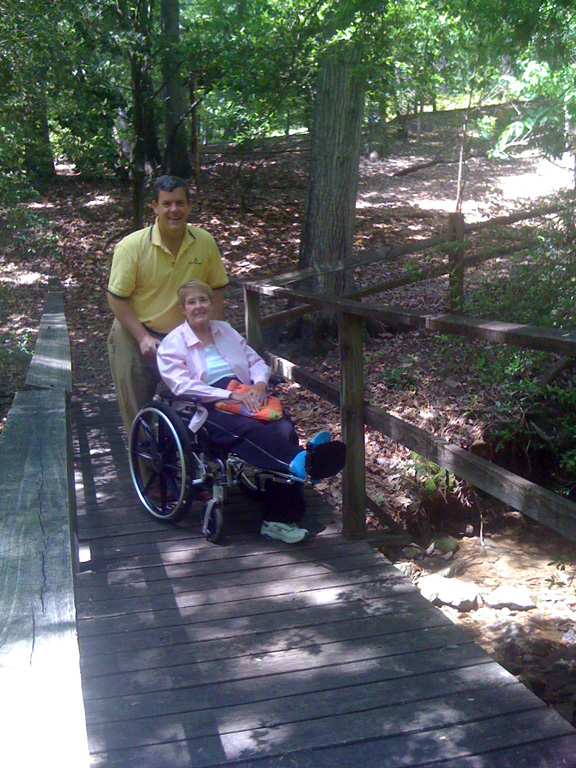
The Power of a Wheelchair

Touring the Birmingham (Alabama) Botanical Gardens


I noticed something magical about a wheelchair this past week.

First, getting a loved one out of a chair or bed away from four dark walls does wonders for their psychological well-being and self-confidence.

Second, without exception, every person my mother and I encountered while roaming the streets and parks in this chariot could not have been more generous, thoughtful, patient and kind.

No longer forward nor behind
I look in hope and fear;
But grateful take the good I find,
The best of now and here.

- John G. Whittier
Happy Mother's Day!

-Wes

Friday, May 06, 2011

Will Doctors Have to Take Out Loans to Pay for (Re-)Certification?

I have recently realized that if I want to remain board certified in cardiovascular disease and cardiac electrophysiology, I must begin the lengthy process to re-certify now. No longer are doctors board certified for life; the process must be repeated very ten years. For me, it won't be long before I'm taking the tests for the third time and I carry two board certifications that are subject to this every-10-year requirement.

But while preparing for this gauntlet again, I was struck by the fees I must pay just for prep-courses and registration fees: well over $10,000.


CV Board Review Course$998.00
EP Board Review Course$1420.00
Maintenance of Certification (MOC) Fee - CV Disease$1810.00
MOC Fee - EP (with 2nd MOC discount)$760.00
Board Certification Fee - EP$2785.00
Board Certification Fee - CV Disease$2165.00
Test Center Fee - Board Cert$500.00
Test Center Fee - MOC$500.00
TOTAL:$10,938.00

Realize these costs don't include transporation and housing costs that might be required, not to mention the costs incurred from time off from work.

I realize that it's expensive to prepare, review, monitor and regulate this testing, but these costs are growing at a ridiculous rate - I hate to think what new doctors saddled with significant educational loans must endure just to get started.

Hey, I think I have a new idea for a business: a loan company that funds doctors to help doctors pay for their certification fees!

Oh wait: it already exists.

-Wes

Addendum 5/9/2011 08:45 AM CST - I received this follow-up e-mail from Lori B. Slass, VP for Communications at the ABIM, with the following clarification of their fees for dual-boarded individuals like myself:
"As the VP for Communications at ABIM I did want to clarify some of the fees you presented today.

As someone who is already board certified in CV and EP, your costs to recertify would be $1,810 + $760 for the 2nd (EP) exam. Total cost is $2,570 – good for ten years.

So it is about $250 a year to maintain certification for someone like yourself who is dual certified. I agree this is not an insignificant amount, and many physicians take review courses to prepare and that does add to the costs, but it is much less than you highlighted in your post. The test center fees you note are only for international candidates.

It is also worth noting that the fee includes all the modules you need for both certifications, and over the course of ten years, even after you complete the MOC requirements you can complete modules for CME credit at no extra cost.

The ABIM Board of Directors are very careful in establishing fees. We are a non profit and to a great extent, the key determinant of the fee for MOC is the direct cost of developing and administering the program. Costs associated with the examination have also risen with the introduction of Computer Testing Centers. We have found, and our candidates confirm, that computer based testing has important advantages over the older method of testing. Hope this is helpful."
I have provided links to the published ABIM fees in my post. It states clearly that the examination fee (alone) for EP is $2,795. I have asked for additional clarification.

Addendum #2 9 May 2011 09:43AM CST: Additional clarification is now provided:
"We will try to make it clearer on our website, but you do not have to repay certification fees once you are certified. Only the MOC fees – total cost for you $2570 for Card and EP (covering two exams) and you correctly noted that you do not have to maintain IM, only those certifications relevant to your practice.(emphasis mine) We also like to think the free CME for 10 years is a nice addition."

Thursday, May 05, 2011

Heart Rhythm Society Responds to Scrutiny Over Industry Ties

Tomorrow professional medical societies will be looking long and hard at how they disclose industry ties in response to an article published this evening by ProPublica (and co-published in USA Today) entitled: "Financial Ties Bind Medical Societies To Drug and Device Makers." The investigative reporting by Charles Ornstein and Tracy Weber examines the medical conference trade and the associated funding sources, focusing on the Heart Rhythm Society 2011 meeting underway in San Francisco. The report includes an interactive graphic, and slideshow of "promotional opportunities" available for purchase from the Heart Rhythm Society. The authors also organized the responses of 33 other prominent medical societies to an inquiry of Senator Charles Grassley's regarding funds they receive from the pharmaceutical and medical device industries. There is much for the public to learn here.

But what should not go un-noticed, however, is the Heart Rhythm Society's willingness to "bear all" about their practices. In fact, they answered, head-on, questions posed to them by the ProPublica reporters. In this respect, they should be commended for pulling back the curtain on the sources of funding for these scientific sessions and their operations.

It will be interesting to see if other medical societies are as forthcoming as the Heart Rhythm Society has been. What is clear is that as dollars get tighter and tighter for health care, the scrutiny of these practices and their potential to influence doctors will only continue to intensify.

-Wes

Irony: Aetna Asks People to Sit and Use Computer Game to Obtain "Wellness"

“Considering that Americans are spending over $200 billion a year on healthy living products and services, but the rates of chronic health conditions and obesity continue to rise, the time is right for a new approach to engaging people in achieving better overall health,” said Kyra Bobinet, MD, medical director of health and wellness innovation at Aetna. “We think the Mindbloom Life Game will provide a fun, rewarding and effective way for Aetna’s members to make lasting improvements in their physical and emotional well-being.”
Yeah, you filthy Americans! What do you think you're doing? Look at you! $200 billion just so you can get fatter and sicker!

Here, we have the answer to America's obesity problem. The "time is right" for us to "engage" you. Sit down, play this online computer game while we collect some important information on you and you'll be guaranteed to obtain the ever-elusive concept, "wellness."

Oh, how much did this cute game cost to develop?

Look, we're trying to look after your best interests. Don't bother us with such trivialities!

By the way, have you paid your insurance premium yet?

-Wes

h/t: The Medical Quack

Wednesday, May 04, 2011

World's Smallest Medical Camera


From FastCompany.com:
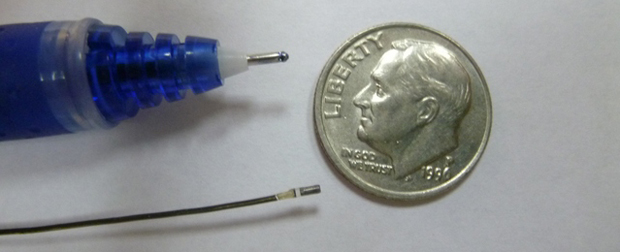
The world's smallest medical camera was unveiled this week by Israel-based biotechnology firm Medigus. The camera is .99 millimeters wide and boasts a resolution of 45,000 pixels--not high resolution by any means, but a shocking degree of clarity from a camera of that size. Because the camera is disposable, it will significantly cuts down on prep time for surgeries and endoscopic procedures thanks to being pre-sterilized. Even more importantly, the camera will significantly lower the cost of endoscopic diagnostic procedures. Reusable medical cameras require highly specialized, expensive sterilization procedures whose cost is often figured into patients' and insurance providers' bills.
Cool.

-Wes

Buttons

Buttons are threatening health care.

A moderate number of years ago, a new innovation came to my field: radiofrequency energy delivery to burn (ablate) tiny areas of the heart. The lesions created with this form of energy were more uniform and controllable compared to the direct current energy we had used before. As a result, doctors quickly migrated to this form of energy to perform their heart procedures. In turn, manufacturers of the machines to deliver radiofrequency energy rushed to develop sophisticated devices that measured power, impedance, and the temperature achieved at the catheter tip within the heart. All of these measurements were used to assure safety of the procedure and with these machines came buttons, knobs, dials, digital displays, and analog displays galore.

It was an engineer's playground, but a technician's nightmare.

But as the years went by, I noticed something interesting. The device that ultimately gained the largest market share was the one with the fewest buttons. It was easy.

And also, safe.

Lately, I have notice a disturbing trend in the development of our electronic medical records: there's no more room for buttons (or menus) on our computer screens. Increasingly, I find I have to scroll up and down or find buttons in drop-down menus as I care for patients. Buttons and more buttons, many of which I don't use.

* Click Click Click *

* Scroll *

* Click Click * "Damn, where is it?"

Before people think this post will devolve into a screed against the electronic medical record (EMR), relax. I am not a non-believer.

But I am a realist.

One only has to look at the complexity of today's TV remote controls to understand the problem.

Electronic medical records are rapidly being developed to replicate exactly what we are currently doing to medicine to make sure the entire team of health care providers (doctors, nurses, technicians, secretaries, scheduling personnel, supply officers - EVERYBODY) do things in it a certain, pre-defined (and regimented) way as we care for patients. As they get more intricate, we see the integration, and the associated complexity, and are awed.

But as I step back and look at these systems from 50,000 feet, the engineer-doctor in me becomes concerned. That's because of several very human realities that we must accept:
  1. First is the shear number and volume of information we are asking our staff to enter for procedures. Electronic medical records are morphing from the classic written chart to supply systems, safety systems, billing systems and care systems incorporating every governmenal regulation known. Patient here? Entered. Timeout? Entered. By whom? Entered. Surgical sight? Entered. Groin prep? Entered. Type of prep agent? Entered. Duration of prep? Entered.

    Buttons. Buttons. Buttons.

    As more and more eyes are glued on the computer screen, fewer and fewer eyes are directed toward our patients.
  2. Second and perhaps more concerning, buttons are static. Because they are hard-wired, buttons replicate the status quo and deter innovation. What happens, for instance, when a new button is needed because of a new development in medicine? Will systems be able to be easily adapted by end-users or will a programming change (and the ripple effects to other programs) be required, debugged, and tested before they can be safely implemented? What about the risks to safety as more and more hospitals want to implement other button changes system-wide? Will programmers be reluctant to make changes because of the impact (and re-training costs) required? What if a simpler way is found to deliver care that removes the need and cost of all these tedious checks and balances, will we be able to change?
  3. Third, there will never be enough buttons to account for every variable seen in medicine. Free text will still be needed in data fields. Button-ology has limits.
  4. Finally, buttons are getting expensive. There are so many buttons now that scribes are increasingly being employed for data entry as doctors struggle to free themselves from their burden. For every person hired for data entry, the reliance upon (and cost of) our button-filled systems mounts. Might these additional personnel soon be requirements for successful EMR implemenation?
Our new EMR reality is this: programming developers better be careful.

Otherwise doctors and administrators might find the most cost-efficient way to perform data entry might evolve back to pen and paper.

-Wes

Tuesday, May 03, 2011

Bristol-Myers Squibb Issues 5 mg Coumadin Tablet Recall

From the FDA today:
Bristol-Myers Squibb initiated a voluntary recall of one lot of 1,000-count bottles of Coumadin (warfarin sodium) Crystalline 5 mg tablets. Company testing of tablets from a returned bottle found a tablet to be higher in potency than expected. The lot number affected in the U.S. is 9H49374A with an expiry date of September 30, 2012. A decrease of active ingredient may increase the risk of clots which could lead to heart attack or stroke, and if there is too much active ingredient, there is an increased risk of bleeding.
So what should patients who take 5 mg tablets of Coumadin do?

Here's the FDA's recommendation from the same notice:
Patients who may have 5 mg tablets should not interrupt their therapy but should seek advice from their pharmacist to see if they have tablets originating from the affected lot and if so, should consult their physician for appropriate medical advice.
In short: call your pharmacist first. If the pharmacist where you picked up your 5 mg Coumadin tablets did not fill your prescription from the affected lot, no change in management is required.

But this is where this FDA advisory stops short. What are doctors going to recommend to patients who are taking 5mg Coumadin tablets from this lot?

If it were me, I would probably advise my patients to exchange tablets at their pharmacy for tablets from a non-affected lot and have a blood thinning level (prothrombin time or INR) checked to make sure their blood is not excessively thinned.

But, hey, that's just me.

-Wes

Monday, May 02, 2011

In Pakistan: Cardiologists Threaten Suicide

As America awakened to news of Osama Bin Laden's death in Pakistan, conditions for cardiolists in Pakistan sound dire:
Dr Zaheeruddin, while talking to The Express Tribune said, “After waiting for so long, for our salaries and to get our services regularised, we have been left with no other option but to protest and commit suicide along with our families.”
The reach of social media was exemplified by the inadvertant live-tweeting of the attack on Bin Laden. I wonder if these cardiologists have considered using social media to amplify their message before resorting to suicide.

-Wes

Saturday, April 30, 2011

In Comparing Hospitals, What If They're All the Same?

Quality measures. Patient satisfaction surveys. With our new health care reform law, these "performance measures" are the new black in health care.

Hospitals are currently spending, conservatively, tens of millions of dollars to bolster these "performance measures" in hopes of securing a refund of a mere 1% of payments that CMS will soon withhold from them in the name of "assuring" quality improvement.

But what if, nationwide, there wasn't a big difference in these measures between hospitals? What happens then? Might payments then be made on political grounds?

Performance measures have been collected for some time now in anticipation of this new payment initiative by the government, so data exist to evaluate. In fact, Kaiser Health News was nice enough to aggregate the findings from our government's Hospital Compare website for my review.

So I calculated the mean, median and standard deviation of the results of all of this data collected across 50 states and 2 territories and found very little difference in measures collected between states:

MEASURENurses Always Communicated WellDocs Always Communicated WellAlways Got Help When NeededPain Always Well-controlledStaff Always Explained Medications
Median76%80%65%70%61%
Mean76.06%80.31%64.42%69.29%60.71%
Std Dev2.99%2.84%4.85%2.19%2.89%

MEASURERoom & Bathroom Always CleanAlways Quiet at NightGiven Info for RecoveryHospital Rated 9 or 10Definitely Recommend Hospital
Median72%58%82%67%69%
Mean71.44%57.67%82.00%66.85%69.25%
Std Dev3.86%6.14%2.95%4.38%3.78%

Perhaps most remarkable is the fact that none of these data are skewed (means are virtually identical to the medians) and that there is very little variability (2-6%) between the data sets.

The fact that these data are so similar across states is a testament to the nationwide health care quality that US citizens can currently expect in America.

But these data also lead to a disturbing question: if the data are so similar across every state or territory, will similar findings hold true between hospitals? How is the average Joe or Sally (or Joe or Sally government worker) going to see a meaningful difference in performance measures between states OR hospitals when they show performance differences of as little as ±3%?

The realistic answer?

They can't.

-Wes

Friday, April 29, 2011

ACC Responds (Again) to Why They Track Their Membership

I appreciate the American College of Cardiology responding to my concerns regarding the finding of RFID tags in our name badges at the recent ACC.11 & i2 Summit Scientific Conferences and expanding upon their earlier explanation. I encourage all readers of this blog to read it.

Now for a bit of a respectful rebuttal.

I admit: I missed the need to "opt-out" of this tracking when I registered for their meeting. But I really didn't realize that registering for a scientific meeting also required signing (checking?) a contract to not permit tracking when I registered at the time. Who knew?

Now more than ever, I believe the use of our personal data should be on the basis of an “opt-in” policy rather than an “opt-out” policy. Requiring someone the check a box to NOT have something is a pernicious way to illicit approval for an activity. I get that we could “opt-out,” but why should I HAVE to? My privacy (and that of all of the ACC’s membership) should be kept confidential first and foremost, marketing efforts should come second.

The ACC states that they use the RFID data for “two main functions,” (1) meeting planning and (2) to collect “rent” for the use of RFID data by exhibitors:
Exhibitors were able to rent RFID readers from the vendor. They are able to use the data in much the same way as the ACC – to evaluate how effectively their work stations are structured and to improve their offerings to attendees….ACC’s intention was not to create a revenue source by offering attendee data to exhibitors (in fact, only five out of more than 300 exhibiting companies decided to invest in RFID in their booths), but rather to provide exhibitors another resource by which to understand the traffic flow in their booths and to better align their displays with attendees’ needs.
They suggest that the ACC’s “intent” was not to create a revenue source by offering attendee data to exhibitors because only 5 vendors opted to pay for the rental. If so, why not offer the data for free? While the data given was reportedly “the same information that was available on meeting attendees badges in print (name/city/state/institution). No contact information is provided” we really see that other data were also derived from this meeting, and hence distributable:
The attendee then goes to a session on appropriate use of PCI, followed by a session on imaging because he or she is interested in new advances in the intersection of imaging and intervention. Let’s also say that several other people in these sessions followed a similar track. In this scenario, the ACC would receive a report of aggregated data, showing a significant level of physician interest in both imaging and interventional sessions.
If the ACC collected and controlled the data themselves, then the ACC could assure the data’s privacy, but they did not. The ACC contracted with an outside vendor, Alliance Tech, to collect the tracking data and, as such, they have the ultimate control over it. By supplying our demographic information to Alliance Tech, the ACC makes the tracking data useful to vendors and others. What assurance do members have that Alliance Tech has the same good intentions with the data as the ACC? Realize that this same tactic was used by the American Medical Association to provide our prescribing information to Heath Information Organizations with the same "opt-out" requirement.

This is not to say the ACC does not need the revenue. Putting on these meetings is expensive. But we must not lose sight of the real purpose of these meetings, education. Many doctors I know shook their head when the opening plenary session started with a light show and red carpet walk. Is funding of these “shows” why they need to see our personal data? Like it or not, we have to wonder.

Also, RFID data are easily hacked. One only needs to watch the short video of Adam Savage from the popular TV show Mythbusters at the 2010 Hackers Conference to see why the Discovery Channel opted not to air their show on RFID technology to understand how important this data is to businesses.

No doubt the ACC need to find ways to raise funds as pressure mounts on all of us to cut costs in health care. These scientific meetings are a major source of revenue for their organization and they do perform an important advocacy role for cardiologists in Washington. But there is a need to remember why they exist in the first place: to advocate for their physician members while respecting their practice of medicine, not sell us (and our personal data) short to other industry interests.

-Wes

Tuesday, April 26, 2011

Monitoring Patients in the "Cloud" Is for the Birds

... because when a "cloud-based" system like Amazon's goes down, patients lives are at risk and your company is at the mercy of ...

... gee, I'm not sure.

-Wes

Update: The thread linked could be a hoax (see last comment) but Amazon's "cloud" outage was not.

Social Media as Research Tool

With overregulation of the clinical research arena, the whole area is ripe for disruption, especially for research performed on rare disorders. Today, it appears that a new mode of assessing efficacy of novel therapies using social media might just be the perfect disruptor:
The new study, published online in the journal Nature Biotechnology, represents an early example of how social networking could play a role in clinical trials, an area of medical science with strict procedures that many would consider especially difficult to apply in the online world.

"The approach has tremendous potential,'' said Lee Hartwell, a Nobel Prize-winning scientist now at Arizona State University, and formerly president of the Fred Hutchinson Cancer Research Center. Standard clinical trials play a central role in the research enterprise of both of those institutions.

Dr. Hartwell, who wasn't involved in the study, said social-network trials aren't likely to replace conventional randomized, double-blinded, placebo-controlled trials, the gold-standard for generating medical evidence. But such trials have become so complicated and time-consuming that new models are needed, he said.
It's about to be a whole new world...

-Wes

Reference:
Wicks P, Vaughan TE, Massagli MP, Heywood J.
Accelerated clinical discovery using self-reported patient data collected online and a patient-matching algorithm Nature Biotechnology 24 April 2011 | doi:10.1038/nbt.1837

Sunday, April 24, 2011

The Implications of Physician Tag and Release

Not everything that counts can be measured.
Not everything that can be measured counts.

-Albert Einstein
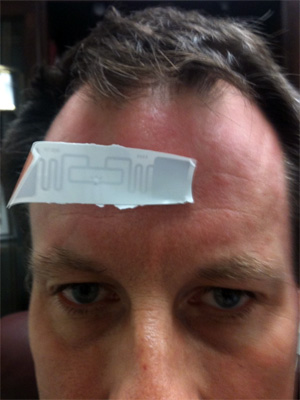
Recently, a disturbing trend of monitoring physician quality and accountability has taken another ominous turn: tracking physician's movements at scientific conferences (so called "tag and release") using RFID tags imbedded in attendees name badges at national scientific sessions. Having had personal experience with the recent American College of Cardiology meeting, this technology will also be imbedded in the name badges for attendees at the upcoming Heart Rhythm Society meeting to be held in San Francisco in May.

On first blush, it shouldn't be such a big deal, right? It was all just a great way for companies to obtain, for a fee, the names and institutions of people who visited their display booths and for the conference organizers to track the movements of attendees. (Heck, maybe they can partner with an industry sponsor to pick up our traffic tolls on the way to the conference hall or arrange other exciting activities for us! [Said tongue-in-cheek, of course])

Instead of "opting in" for tracking at scientific meetings, doctors must "opt out" from the use of tracking technology when registering for scientific meetings. At the upcoming Heart Rhythm Society meeting for instance, doctors had to "opt out" from the use of RFID technology tracking by checking a box that says:
Badge scanning technology will be utilized at this event in order to better understand attendee/delegate interests and preferences. The information collected will be used to improve future events to better address your preferences. No personal information is stored in the RFID badge, only an ID number. We encourage all participants to take part in this process to ensure the most accurate data is obtained. You may check this box to opt-out of the RFID data collection.
There's full disclosure, doctor.

But to me, the default tracking of doctors is disturbing on several levels.

First, tracking was approved by our professional society organizers upon their own members. It is no secret that these societies make a significant portion of their operating revenues from industry sponsors at these meetings. By instituting tracking, the value of their membership's privacy has taken a back seat to the income generated from tracking revenues. By NOT checking a box, we have implicitly "agreed" to this tracking. (Realize we MUST wear our badge to attend these conferences where we gain our REQUIRED continuing education credits.) Because we have "agreed" in this manner, the tracking data are now legally "discoverable." At the risk of sounding like a conspiracy theorist, it is not too hard to imagine one's credentials being called into question in court because a doctor did not demonstrate enough time in CME activities at the scientific sessions to quality for credit or because these data implicate a doctor in a purchasing agreement between a vendor and hospital system simply because a doctor visited a display booth.

Doctors have seen this sort of activity before when "only" our license and demographic information was sold by the American Medical Association (AMA). The AMA currently "licenses" physician state medical license numbers and demographic information to health care information organizations (HIOs), HIOs then collect and compile this information with prescribing data that contains the doctors' license numbers (no names, mind you) and then sell the lists to pharmaceutical companies. The AMA tells its members it does "not collect, license, sell or have access to physician prescribing data" and this is true. But the AMA facilitates an intermediary's ability to pair doctors' license information to a their prescribing habits via a third party. One can only speculate how out prescribing and practice profiles are being developed by other similar health information companies with the use of our RFID tracking data.

Behind all of this is a bigger issue: doctors are frustrated by the increasing intrusion into our day-to-day practice of medicine to measure things. Take, as one example, our "quality performance measures" that have done little to facilitate patients office visits, but rather add burdonsome documentation requirements in the interest of government payments. A number of hospital administrators have confided in me that it costs more to collect this data than they make in government payments. In fact, whether these programs are ultimately are found to be cost-effective or improve the quality of care has been brought into question in our literature. Yet we continue to collect these measures and expand them. We are now dispatching legions of people to collect and compile data to "prove" that Electronic Medical Records are used in a "meaningful" way. But an honest appraisal of this policy discloses the reality: these measures permit health care systems to collect another $40,000 per doctor from the government because they are using computers, not because it improves patients' care in any "meaningful" way. As proof of the overburdensome nature of all this data collection for the physician, doctors (or their health care systems) are increasingly employing "scribes" to relieve them of the data-entry burdens in the name of "efficiency." How much, exactly, do these scribes cost our health care system? Few dare to ask the question since no one wants to deny themselves of that juicy $40,000 pot of gold being paid per doctor.

Adding insult to injury, all doctors will soon be required to disclose if we receive anything over $100 from industry representatives. Like the public, most of us recognize the pernicious nature of industry influence upon our profession. Yet we now find we are being used. Should our professional organizations be any less forthright with their industry dealings and the use of our demographic data at national scientific sessions? How much is at stake?

Finally, we see more and more onerous licensure requirements and fees paid to the same tag-and-release operatives at considerable cost to ourselves. We now spend thousands of dollars to remain "credentialed." We wonder how much the RFID "return on investment" to industry sponsors adds to our annual membership fees. Could it reduces them? Who knows? Maybe, like other IT models, we should insist our membership fees be waived if we agree to being RFID tagged and released because most of us realize someone's making money on this deal.

In summary, doctors increasingly find the imperative to guard the privacy of our patients without regard to our own personal and professional privacy with the very same patients disturbing. Everything about doctors is being measured these days and it's taking its toll on patient care. We are frustrated with the governmental bureaucratic standards that threaten our time with patients. But time with patients does not pay bills. Meeting data-collection milestones do. Our government and employers have lost sight of the main issue here: improving and expanding our contact with (and the ability to do good for) our patients.

But as long as there is money to be made with our personal information, it is clear that there will be those that will try to capitalize upon it, whether we realize it or not. Only by demanding constant accountability and transparency from the collectors of this information be they government bureaucrats or our professional society appointees, can we hope to maintain any modicum of professionalism in our tenuous doctor-patient relationships of the future.

-Wes

Wednesday, April 20, 2011

ACC Explains the Use of RFID Tags on Attendee's Name Badges

In response to my earlier post on the use of RFID tags at the ACC's Scientific Sessions, I left a message on the ACC's blog to inquire about this practice. My comment was not initially published, but today I noticed that traffic came from their blog and that my comment and a response to my inquiry was published on the 12th of April. Here's what they said:
Hi Dr. Fisher,

Thanks for your question and your feedback on the meeting. RFID is used by many large meetings -- the technology allows us to track which sessions an attendee attends, and also to track flow -- this will help us a lot to plan the education program next year, as we will be able to use data to determine co-location of pathways etc. to make for an ever better attendee experience on show site. Info that the ACC collected at ACC.11/i2 will help us better plan meeting rooms and expo entrances, adjust our conference programming & expo hall floor plan, and quantify to exhibitor prospects the value of investing in our event, among other things. We are not using the RFID to award CME.

Thank you again for your feedback. Please know we will certainly take your concerns into consideration as we plan for 2012.

All the best,

Sue Sears Hamilton
Associate Vice President, Annual Scientific Session
American College of Cardiology
First, this was very nice of them to respond. I am concerned, however, that this company that tracks these RFID tags can identify the individual and their associated institution in real-time at these meetings (see their promotional video). As Calvin Powers from IBM notes on his blog:
Is it OK for the ACC to give the names, demographic information, contact info, etc of every individual that visited the booth?

At this point in the continuum we have moved into the realm of identified tracking and I suspect most people would feel like their privacy had been invaded if their individual movements were tracked and this level of detail was sold to the exhibitors. When the tracking becomes identifiable down to the individual, privacy practices regarding transparency, opt in/out policies, etf become very important.
We do not know if this practice occurred, but we do know that the capability was there.

My bet: there will be one heck on an "opt in" clause for this technology going forward for future meetings.

At least I hope so.

-Wes

It's Your Chance to Help Out

If you've got a minute, shoot on over to Shrink Rap's blog to take part in their Attitudes Towards Psychiatry survey. They're looking to get as many peoples' opinions as possible.

Thanks-

-Wes

How Clinical Guidelines Are Mirroring the Tax Code


The above graph from the Cato Institute demonstrates the growing complexity of the U.S. tax code over the years. After doing my taxes recently and trying to track the ins and outs of the law for my wife's private practice, I can attest to the graph's accuracy.

But then I was reading an interesting editorial in Circulation: Arrhythmia and Electrophysiology by N.A. Mark Estes III, MD and Jonathan Weinstock, MD that reviewed an article by Roos, et al in the same journal that found only 27 of 698 guideline recommendations from the European Society of Cardiology (median 1.2% per guideline [IQR 0.95% to 3.7%]) were correctly referenced as Class I or III Level of Evidence A recommendations, calling into question the accuracy of guideline recommendations. In their editorial, Estes and Weinstock defended the guideline process but also mentioned the following shocking statistic:
There have been 2413 guidelines published by 267 organizations over the last 2 decades.
To bolster their point, they referenced the government's own website designed to tract these guidelines.

So I checked the number of guidelines so far just for cardiovascular diseases: 457 and counting.

Given this, one thing is becoming abundantly clear:

... doctors will soon be behaving less like doctors and more like tax accountants.

-Wes

References:
Estes NA M, Weinstock J. Guidelines for Cardiac Arrhythmias
Practice Makes Progress
Circulation: Arrhythmia and Electrophysiology. 2011; 4: 119-122.

Roos M, Brodbeck J, Sarkozy A, Chierchia GB, De Asmundis C, Brugada P. Critical Analysis of the Scientific Evidence Behind International Guidelines Related to Cardiac Arrhythmias Circulation: Arrhythmia and Electrophysiology. 2011; 4: 202-210.

Saturday, April 16, 2011

Friday, April 15, 2011

Doctors' Not-So-Social Social Media

As doctors increasingly become employees of large health systems, restrictions are being placed on what they can say in social media. Take, for instance, this public social media policy of Kaiser Permanente regarding proprietary information:
Employees may not disclose any confidential or proprietary information of or about Kaiser Permanente, its affiliates, vendors, or suppliers, including but not limited to business and financial information, represent that they are communicating the views of Kaiser Permanente, or do anything that might reasonably create the impression that they are communicating on behalf of or as a representative of Kaiser Permanente.
So doctors, be mindful and don't talk about any of those contract dealings that might conflict with your patients' best interests, okay?

Unless, of course, you like unemployment.

-Wes

Thursday, April 14, 2011

Should Authors Write Editorials About Their Own Paper?

In January, 2011, an article authored by Sana M Al-Khatib, MD and others appeared in the Journal of the American Medical Association (JAMA) entitled "Non-Evidence-Based ICD Implantations in the United States." The resultant headlines were widespread, appearing in theheart.org, the Wall Street Journal, ABC News and many, many more news outlets and blogs. So widespread was the story that even the Heart Rhythm Society had to make a statement about this study.

Now, to be fair, the study brought to light the fact that many ICD's were not implanted according to "guidelines." Most of us in the business acknowledge that fact. But there are many many shortcomings to the original article, the least of which were that new guidelines were published in 2008 in response to new data about ICD's, but because CMS still uses outdated 2005 "guidelines," the authors stuck to their original story line.

* sigh *

No matter: the specter that perhaps only 77.5% of America's doctors were implanting ICD's appropriately was just too juicy for mainstream media to ignore.

Fast forward to March, 2011.

A follow-up article by the same group was published more quietly in Circulation: Cardiovascular Quality and Outcomes entitled "Extent of and Reasons for Nonuse of Implantable Cardioverter Defibrillator Devices in Clinical Practice Among Eligible Patients With Left Ventricular Systolic Dysfunction" with Sana M Al-Khatib as second author. In that paper, they looked at just one institution's data for only seven months to find:
Of the 542 potentially eligible patients identified, 224 (41%) did not have an ICD. In the initial adjusted analysis, female sex (odds ratio 1.90; 95% CI, 1.28 to 2.81) and increasing age (odds ratio 1.07; 95% CI, 1.04 to 1.11) were associated with a higher likelihood of not having an ICD. After detailed chart review, of the 224 patients without an ICD, 117 (52%) were ineligible for the device and 38 (17%) patients refused the device, resulting in only 69 (13%) patients eligible for an ICD who failed to receive one.
Realize that this was a retrospective chart review study: not a single patient or doctor was contacted. Further, a tiny sliver of data was evaluated: 7 months of data from one center (we must assume it was the authors' institution since the study was approved by their institutional review board). But even with such a small sampling of data, the authors acknowledge a myriad of reasons patients did NOT get ICD's and only "13 percent" of patients didn't get ICDs who should have.

Interesting... if you can believe the results from such a poor data sample.

But this was not the best part of this story, not by a long shot.

In the same journal, Al-Khatib writes an editorial about their group's work and extols the virtues of their study by stating:
"The authors (ed's note: me included) should be commended for taking on this onerous task. Detailed review of hundreds of charts requires substantial resources. Their research is important because administrative and other national registries have limited clinical information and may not capture vital information, such as contraindications to a particular therapy, patient refusals of recommended interventions, and long-term follow-up."

And if that is not enough, continues, "this study was conducted at one of the premier institutions in this country."

And finally... "this study by Allen LaPointe (ed note: and me, Al-Khatib) is a good addition to the literature because it highlights the importance of verifying findings derived from registries through chart reviews."
Oh, goodness gracious. Can't we at least be the tiniest bit critical of our own work and demonstrate a modicum of humility?

And how much "quality" can we attribute to the editorial efforts of Circulation: Cardiovascular Quality and Outcomes when authors write their own editorials?

Then again, maybe the media spotlight has gone to all of their heads.

-Wes

REFERENCES:

Al-Khatib SM, Hellkamp A, Curtis J, et al., Non-Evidence-Based ICD Implantations in the United States. JAMA 2011 305(1): 43-49.

Allen LaPointe NM, Al-Khatib SM, Piccini JM, et al. 'Extent of and Reasons for Nonuse of Implantable Cardioverter Defibrillator Devices in Clinical Practice Among Eligible Patients With Left Ventricular Systolic Dysfunction' Circulation: Cardiovascular Quality and Outcomes
2011, 4: 146-151.

Al-Khatib SM. 'Toward More Optimal Use of Primary Prevention Implantable Cardioverter-Defibrillators How Do We Get There?' Circulation: Cardiovascular Quality and Outcomes 2011, 4: 140-142.