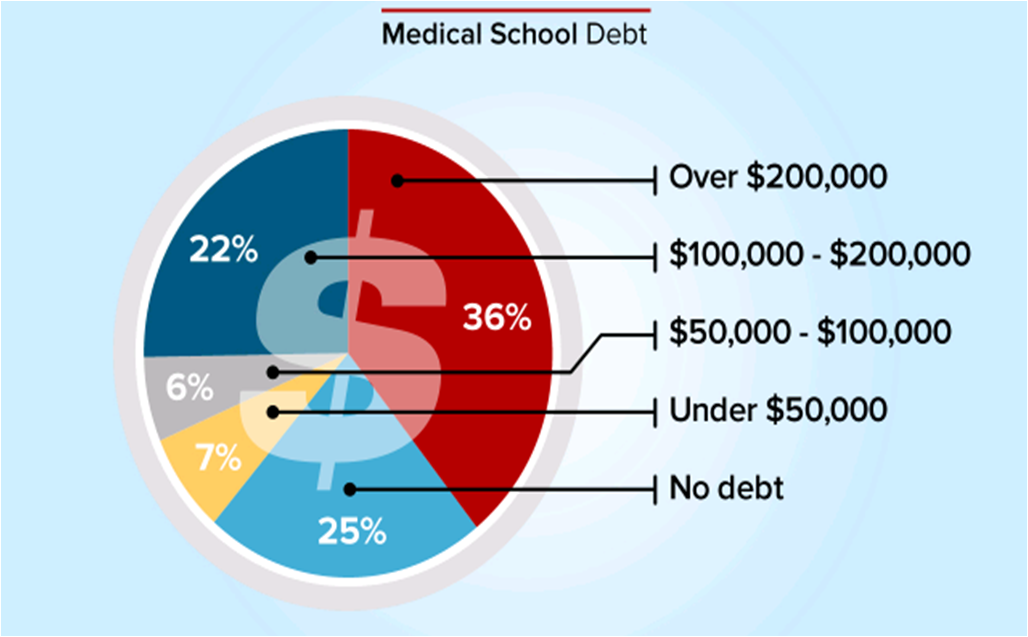
From Medscape:
The same article quotes the average resident salary as $55,300. The actual "take-home"pay for residents is actually much lower and must be calculated for the state in which the doctor practices. For this, I turned to PayCheckCity.com's salary calculator.
Taking the $55,300 salary for a single doctor in Illinois, the weekly pay is $1063.46. From this comes the Federal withholding ($175.36), Social Security withholding ($65.93), Medicare withholding ($15.42), and Illinois witholding ($53.17), leaving $753.58 per week in income ($18.84 / hour for a 40-hour work week).
Now, if we just look at a monthly payment at 4.5% interest on a (conservative) $200,000 thirty-year loan, the monthy payment comes to $836.03. It becomes apparent that medical residents will have to work more than 8 days a month to just paying off their medical school loans.
More cheap money offered to residents in the form of new loans won't help this problem, it will only make things worse.
With the average public medical school tuition exceeding $207,000 and the average private medical school tuition exceeding $270,000, the joy of doctoring will quickly lose its luster for tomorrow's doctors-in-training.
And this crisis promises to only get larger for tomorrow's physicians.
For those planning on medical school, you might want to consider other sources of funding for your education. While the Navy had its drawbacks, at least I left medical school with $0 debt.
-Wes
Showing posts with label medical school. Show all posts
Wednesday, August 06, 2014
Thursday, December 19, 2013
The Matrix
"As a third year medical student, I would also argue that this is creating a generation of dumb doctors. My school (average US MD school in the Midwest) has almost abandoned teaching physiology and understanding. We have the virtues of guidelines shoved down our throats instead. Recognize a pattern, apply the appropriate guideline. That's medical school these days...."-Anonymous commenter
Dr. Wes blog
Dear current medical students,
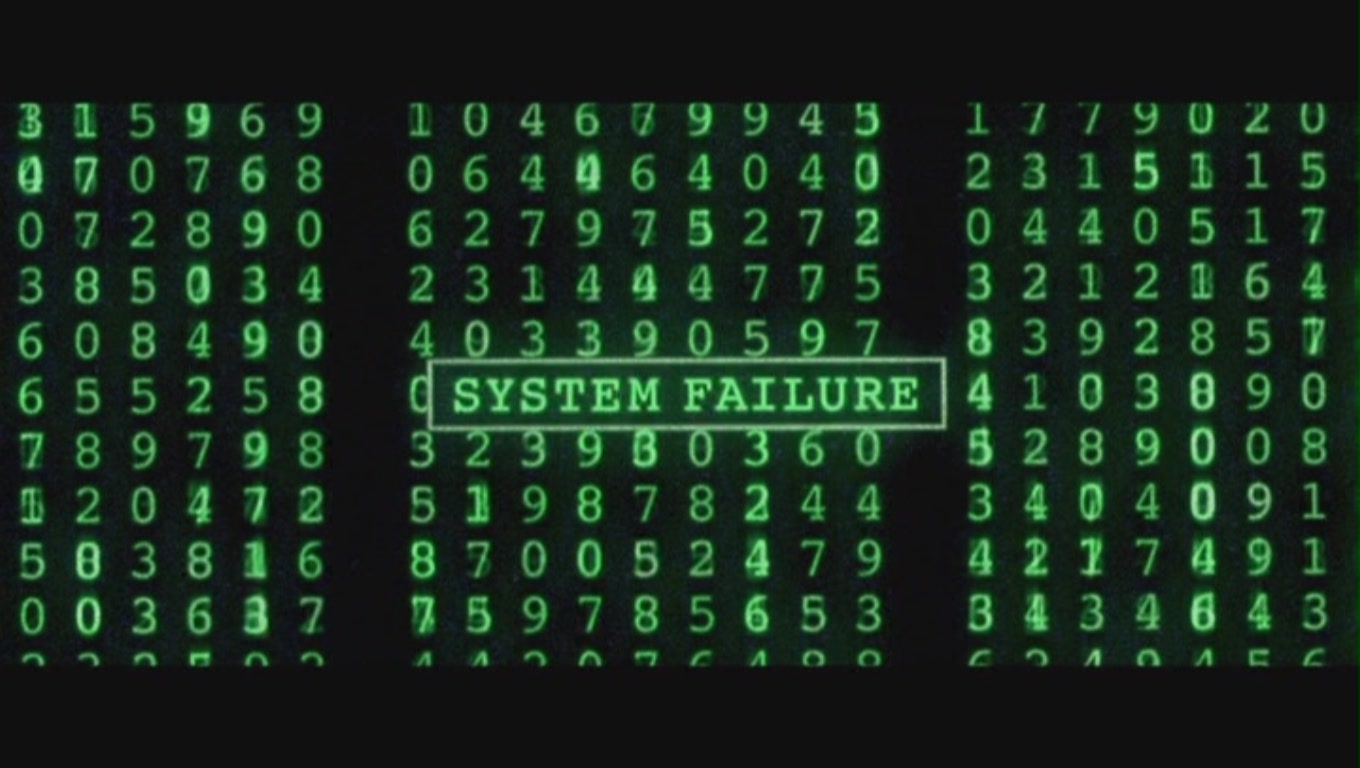
Welcome to The Matrix.
-Wes
Friday, October 04, 2013
How to Solve the Doctor Burn-out Problem
A piece recently appeared in the New York Times entitled "Who Will Heal the Doctors?" The piece is written by Donald Borstein and I encourage all to read it. Mr. Bornstein offers a solution to the doctor burnout problem in health care, a course called The Healers Art, now being promoted in US medical schools that uses "mindfulness" as his means of creating compassionate, caring doctors as a way forward.
I should say at the outset, that I do not disagree with the concept that doctors should not be more attuned to the circumstances for which they are being trained. But the overall argument that such "mindfulness" practices can repair his so called "McDonaldization of Medicine" is somewhat disingenuous concept. It skirts the very real challenges doctors have today when caring for patients and the many layers of bureaucracy and paperwork, both electronic and manual, along with the hidden costs that their patients are subject to as a result of doctor orders entered on a computer as they try to follow certain care "standards." Blind-siding one's patients doesn't make for the best of relations. Still, as bad as these realities are, they are probably not the reason most doctors are turning away from medicine. I think there's another issue that is even bigger.
I believe the overriding reason doctors leave medicine is because there is a growing hostile dependency patients have toward their doctors.
I have mentioned this concept of hostile dependency before. The theme is like an adolescent who realizes his parents have feet of clay. In adolescence, he comes out of his childhood bubble and realizes his parents have failures and limitations because they are human beings. This results in the adolescent feeling unsafe, unprotected and vulnerable. Since this is not a pleasant feeling, narcissistic rage is triggered toward the people he needs and depends on the most. Yet (and this is important) none of this occurs at a conscious level. Most of us understand this behavior simply as "adolescent rebellion," not understanding the powerful issues at play. So when we spotlight doctor burnout, or, say, the lack of patient safety in hospitals without acknowledging the realities health care workers face like looming staffing shortages and pay cuts, we risk fanning the flames of narcissistic rage against the very caregivers whom we depend on the most - the very caregivers who are striving to do more with less, check boxes while still looking in the patient's eyes, meet productivity ratios, all while working in a highly litigious environment.
A comment from "Victor Edwards" posted after Mr. Bornstein's article demonstrates this growing hostile dependency toward doctors perfectly:
Yet this is what we're creating with our increasingly consolidated "McDonaldization" of medicine. Given where things are heading, I'm not sure this will be an easy fix as doctors are shoved farther away from the patients. But let me be perfectly clear: if you want to keep doctors from getting burned out quickly in medicine, it is this growing hostile dependency that patients have toward their doctors that must be addressed head-on.
-Wes
I should say at the outset, that I do not disagree with the concept that doctors should not be more attuned to the circumstances for which they are being trained. But the overall argument that such "mindfulness" practices can repair his so called "McDonaldization of Medicine" is somewhat disingenuous concept. It skirts the very real challenges doctors have today when caring for patients and the many layers of bureaucracy and paperwork, both electronic and manual, along with the hidden costs that their patients are subject to as a result of doctor orders entered on a computer as they try to follow certain care "standards." Blind-siding one's patients doesn't make for the best of relations. Still, as bad as these realities are, they are probably not the reason most doctors are turning away from medicine. I think there's another issue that is even bigger.
I believe the overriding reason doctors leave medicine is because there is a growing hostile dependency patients have toward their doctors.
I have mentioned this concept of hostile dependency before. The theme is like an adolescent who realizes his parents have feet of clay. In adolescence, he comes out of his childhood bubble and realizes his parents have failures and limitations because they are human beings. This results in the adolescent feeling unsafe, unprotected and vulnerable. Since this is not a pleasant feeling, narcissistic rage is triggered toward the people he needs and depends on the most. Yet (and this is important) none of this occurs at a conscious level. Most of us understand this behavior simply as "adolescent rebellion," not understanding the powerful issues at play. So when we spotlight doctor burnout, or, say, the lack of patient safety in hospitals without acknowledging the realities health care workers face like looming staffing shortages and pay cuts, we risk fanning the flames of narcissistic rage against the very caregivers whom we depend on the most - the very caregivers who are striving to do more with less, check boxes while still looking in the patient's eyes, meet productivity ratios, all while working in a highly litigious environment.
A comment from "Victor Edwards" posted after Mr. Bornstein's article demonstrates this growing hostile dependency toward doctors perfectly:
Doctors? I no longer afford that kind of respect: I call them "medical services providers." They and their families and the medical cabal created this mess when they got control of med schools so that the wealth of a nation would remain in the hands of a few medical elites and their families. The very notion that doctors are smarter, more productive, more anything than others is ludicrous. They are among the worst sluff-offs of our society, yet the richest at the same time. It is an unreal world they have created themselves and they are now watching the natural outcome of such a false system.How do we fix this attitude toward doctors? Who would want to work in an environment where patients perceive their doctors so?
Yet this is what we're creating with our increasingly consolidated "McDonaldization" of medicine. Given where things are heading, I'm not sure this will be an easy fix as doctors are shoved farther away from the patients. But let me be perfectly clear: if you want to keep doctors from getting burned out quickly in medicine, it is this growing hostile dependency that patients have toward their doctors that must be addressed head-on.
-Wes
Tuesday, October 01, 2013
Ten Crackers
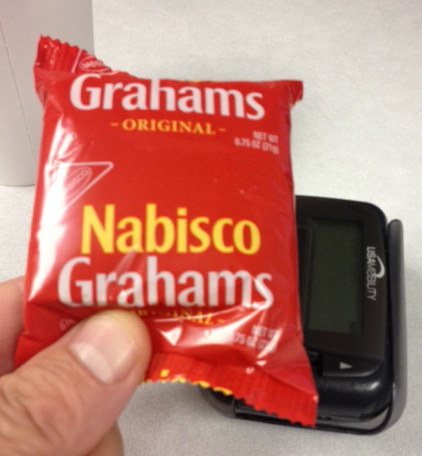
Graham crackers.
For years they have been an on-call snack staple for young doctors in training throughout the United States. These little morsels have probably saved more lives than defibrillators after hours, especially if they are topped with a hefty dollop of peanut butter.
Admittedly, these flat brown crispy tastees don't contain much nutritional value. They are probably a dentist's nightmare. But after many late hours on call well after the dining hall closes, you'd be surprised how good these little devils taste, especially when they can be enjoyed in a quiet reflective moment alone or with a colleague in the nutrition room. Graham crackers have a way of bringing you back to earth after you've dealt with a code, had to pronounce someone dead, or worked through a difficult family interaction in the wee hours of the morning.
But times are tough for hospitals now: censuses are down (as are revenues) as the uncertain effects of health care reform descend. Consequently, it makes sense for hospitals to trim budgets where they can. After all, if its between graham crackers or nurses, I'm sure we'd all agree that graham crackers should be trimmed before nursing staff.
But I wonder if supplying an entire ward of fifty patients with only 10 of these little packets a day makes sense for physician and nursing morale. Doctors and nurses, already dealing with reduced incomes and threatened with even more to come, are finding it harder and harder to find the tiny perks that make the late nights and long weekends tolerable. Finding none of these hidden snack treasures on a ward after working 15 hours straight certainly isn't the end of the world, but when people are tired and hungry, it's noticed more than any highly-paid administrative decision-maker who's tucked neatly in bed could ever imagine.
Good leaders listen.
Good leaders know the value of small gestures.
But it's only the best of leaders that appreciate the importance of an ample supply of graham crackers.
-Wes
For years they have been an on-call snack staple for young doctors in training throughout the United States. These little morsels have probably saved more lives than defibrillators after hours, especially if they are topped with a hefty dollop of peanut butter.
Admittedly, these flat brown crispy tastees don't contain much nutritional value. They are probably a dentist's nightmare. But after many late hours on call well after the dining hall closes, you'd be surprised how good these little devils taste, especially when they can be enjoyed in a quiet reflective moment alone or with a colleague in the nutrition room. Graham crackers have a way of bringing you back to earth after you've dealt with a code, had to pronounce someone dead, or worked through a difficult family interaction in the wee hours of the morning.
But times are tough for hospitals now: censuses are down (as are revenues) as the uncertain effects of health care reform descend. Consequently, it makes sense for hospitals to trim budgets where they can. After all, if its between graham crackers or nurses, I'm sure we'd all agree that graham crackers should be trimmed before nursing staff.
But I wonder if supplying an entire ward of fifty patients with only 10 of these little packets a day makes sense for physician and nursing morale. Doctors and nurses, already dealing with reduced incomes and threatened with even more to come, are finding it harder and harder to find the tiny perks that make the late nights and long weekends tolerable. Finding none of these hidden snack treasures on a ward after working 15 hours straight certainly isn't the end of the world, but when people are tired and hungry, it's noticed more than any highly-paid administrative decision-maker who's tucked neatly in bed could ever imagine.
Good leaders listen.
Good leaders know the value of small gestures.
But it's only the best of leaders that appreciate the importance of an ample supply of graham crackers.
-Wes
Saturday, February 23, 2013
Study Maybe
Zdogg MD has some competition from the University of Maryland School of Medicine Class of 2015:
Heh.
Thanks to a cool $10 million dollar grant available from he AMA, perhaps (music) video production will become the next new prerequisite for medical school.
-Wes
Heh.
Thanks to a cool $10 million dollar grant available from he AMA, perhaps (music) video production will become the next new prerequisite for medical school.
-Wes
Sunday, April 15, 2012
Shaping Doctors for Health Care That Won’t Exist
This morning’s New York Times examines the Association of American Medical Colleges’ (AAMC) answer to restoring the “heart and soul” of medicine by adding social sciences pre-requisites to the Medical College Admission Test (MCAT).
“Yes, we’ve fallen in love with technology, and patients are crying out, saying, ‘Sit down and listen to me,’ ” said Dr. Charles Hatem, a professor atand an expert in medical education. Harvard Medical School
While I’m the first one to support a patient-centric approach to health care, why would the AAMC prepare their medical students for a health care world that will not exist? Are we not pretending and misleading our future physicians with such a pre-requisite for medical school admission?
The AAMC’s has a responsibility to prepare their students for the realities of today’s physician. Developing selection criteria for medical school based on social and humanitarian coursework without addressing the reality of today’s increasingly computer-screen-focused medical practice is whistling in the dark. As it is developing today, they would be more effective by preparing their students with typing lessons and pre-selecting them for unflagging conformity and rule-following skills.
In my experience, most medical students and fellows today have no idea of the looming threat that exists to practicing medicine in the way they imagine it. If the AAMC is truly concerned about patient-centric medicine, they would promote student activism to participate in policy changes that insist on more patient contact. But as it stands now, the idea that the inclusion of these social science pre-requisites to the MCAT is like dancing while Rome burns.
-Wes
Tuesday, December 27, 2011
Where Medicine and Aviation Meet
From Cory Franklin, MD in today's Chicago Tribune:
-Wes
The tragic tale of Flight 447 should not only be a case study in aviation but also in medicine. Medicine is becoming less of a hands-on science and more dependent on sophisticated tests and high-tech scans. As in aviation, there is an overall benefit; diagnosis and treatment are better than ever. But the same problem bedevils medicine, perhaps more commonly — in difficult situations, inexperienced doctors are often uncertain of how to interpret sophisticated information presented to them, resulting in incorrect diagnoses or inappropriate treatment.Read the whole thing.
-Wes
Monday, December 05, 2011
A Little Medical Crystal Ball
I heard this over the weekend:
And yet, when I started medical school, there were no iPhones. In fact, there weren't even cell phones. My first cellphone was acquired while I was in fellowship training and came with a shoulder bag to hold the battery pack. (Man, was I cool to have one!) When I started as an intern, if I wanted to see a patient's chest x-ray I headed down to the file room to check out the patient's xray folder containing all of the films performed on the patient at that hospital and physically removed the particular film of interest from the folder and placed on a lightbox to review. Gosh, we even still had had and used manual blood pressure cuffs.
Things sure have changed. The pace of innovation in medicine has been staggering. Who would have thought you'd need to have typing proficiency to become a doctor? Electrophysiologists, once the boring antiarrhythmic testers of ischemic ventricular tachycardia, don't just test arrhtyhmias, but now routinely ablate them permanently. Stents, unheard of just 20 years ago, are now commonplace. And percutaneous aortic valve replacements and mitral valve repairs? You've got to be kidding me! Congestive heart failure too, once a pre-morbid condition, is now become chronic disease Public Enemy #1 (never mind the dirty truth that it's the innovative drugs and devices that keep people alive and have cost our health care system so dearly). As a result, "readmissions" for heart failure, the inevitable end run of all heart disease, have become a cardinal sin for hospitals thanks to our new health care reform law, punishable by non-payment.
Think practice patterns will change and senior "rehab centers" will benefit as a result? (Does a bear poop in the woods?)
Which leads me to contemplate where things will end up ten or twenty years from now under continued governmental belt-tightening. Will our medical students be better served to learn more medicine, or will should they be shifting their focus to business in an effort to forward themselves? Who will doctors find themselves serving more, their patients or their employers? Will the greatest challenge in health care be promoting life or will it be to promote a death with dignity and without expensive end-of-life care? How will doctors be paid: by salary? By specialty? Or maybe by an obscure, non-transparent concocted "work unit" that an outside hospital consultant group creates?
Even the the grand plan of hospitals called "build it and they will come" is crumbling. Like independent doctors' offices, many smaller hospitals, previously flush with cash and good credit lines, are suddenly finding it harder to stay afloat independently thanks to cuts to Medicare payments. Consolidation continues in health care where only the strongest richest and most politically-connected will survive. Young doctors need to understand these things, lest they work in an environment that might not have their best patient-care interests at heart and their workplace is sold to other larger hospital group intent on cost-saving and 'efficiencies.'
Like it or not, the medical world is rapidly morphing into a business-oriented world. Everything will have a cost and a benefit. It's the "to whom" that will be where doctors' influence will come in: the financial benefit to a hospital system will not always be in the patient's best personal interest. Strattling this divide will be doctors' greatest challenge for all doctors going forward.
But new medical students should not lament: there will still be tons of opportunities for them. Rather, they should accept that right now, this minute, they can have no idea where their current priorities and technical, clinical, and social skills will take them. But they should know this: they'll really need to stay flexible.
Because the only thing unchanging in medicine right now is change itself.
-Wes
"The students of today are training for a field that doesn't currently exist."Seems hard to believe, right?
And yet, when I started medical school, there were no iPhones. In fact, there weren't even cell phones. My first cellphone was acquired while I was in fellowship training and came with a shoulder bag to hold the battery pack. (Man, was I cool to have one!) When I started as an intern, if I wanted to see a patient's chest x-ray I headed down to the file room to check out the patient's xray folder containing all of the films performed on the patient at that hospital and physically removed the particular film of interest from the folder and placed on a lightbox to review. Gosh, we even still had had and used manual blood pressure cuffs.
Things sure have changed. The pace of innovation in medicine has been staggering. Who would have thought you'd need to have typing proficiency to become a doctor? Electrophysiologists, once the boring antiarrhythmic testers of ischemic ventricular tachycardia, don't just test arrhtyhmias, but now routinely ablate them permanently. Stents, unheard of just 20 years ago, are now commonplace. And percutaneous aortic valve replacements and mitral valve repairs? You've got to be kidding me! Congestive heart failure too, once a pre-morbid condition, is now become chronic disease Public Enemy #1 (never mind the dirty truth that it's the innovative drugs and devices that keep people alive and have cost our health care system so dearly). As a result, "readmissions" for heart failure, the inevitable end run of all heart disease, have become a cardinal sin for hospitals thanks to our new health care reform law, punishable by non-payment.
Think practice patterns will change and senior "rehab centers" will benefit as a result? (Does a bear poop in the woods?)
Which leads me to contemplate where things will end up ten or twenty years from now under continued governmental belt-tightening. Will our medical students be better served to learn more medicine, or will should they be shifting their focus to business in an effort to forward themselves? Who will doctors find themselves serving more, their patients or their employers? Will the greatest challenge in health care be promoting life or will it be to promote a death with dignity and without expensive end-of-life care? How will doctors be paid: by salary? By specialty? Or maybe by an obscure, non-transparent concocted "work unit" that an outside hospital consultant group creates?
Even the the grand plan of hospitals called "build it and they will come" is crumbling. Like independent doctors' offices, many smaller hospitals, previously flush with cash and good credit lines, are suddenly finding it harder to stay afloat independently thanks to cuts to Medicare payments. Consolidation continues in health care where only the strongest richest and most politically-connected will survive. Young doctors need to understand these things, lest they work in an environment that might not have their best patient-care interests at heart and their workplace is sold to other larger hospital group intent on cost-saving and 'efficiencies.'
Like it or not, the medical world is rapidly morphing into a business-oriented world. Everything will have a cost and a benefit. It's the "to whom" that will be where doctors' influence will come in: the financial benefit to a hospital system will not always be in the patient's best personal interest. Strattling this divide will be doctors' greatest challenge for all doctors going forward.
But new medical students should not lament: there will still be tons of opportunities for them. Rather, they should accept that right now, this minute, they can have no idea where their current priorities and technical, clinical, and social skills will take them. But they should know this: they'll really need to stay flexible.
Because the only thing unchanging in medicine right now is change itself.
-Wes
Tuesday, July 26, 2011
Don't Just Do Something, Stand There!
It's the hardest thing in the world for a doctor to do.
After all, doctors are do-ers. That is how they have managed to achieve their degrees: hard work, discipline, perseverence. Who else would be willing to memorize all those organic chemistry equations long enough to vomit them back on paper? Who else would tolerate long nights and weekends on a constant basis? But they do it because it's the right thing to do. They do it because someone has to. People don't get sick nine to five. They get sick at 2 am. And so, by it's very nature over the years, medical education becomes a sort of natural selection: only the strong survive.
Historically, doctors endure the system because they know that there are rewards for this hard work personally, professionally, socially, and financially. So throughout their training, doctors learn to perfect the art of doing. That's what people come to expect. Oh my God, doctor, he's choking: do something! He's turning blue: do something! But he fainted, doctor! Do something!
One of the best parts of medical school is learning the answers to these mysteries of medicine and how to fix them. In the past, this gave doctors a aura of deity: they could be trusted to fix just about any ailment that befell man. It was awesome. With time, a sense of invincibility and omnipotence set in.
And like flies to a flame, we bought it. Lock. Stock. Barrel.
In fact, our entire Greater Medical Complex has grown to support and promote the mystique. Doctors are the omnipotent, the all powerful, the experts, the purveyors of a great Center of Excellence, the Great and Powerful Oz's centered in the Crystal City. We have read the great CheckList Manifesto and installed the Electronic Medical Record. We believe! How much does that cost? Who cares! Just DO SOMETHING!
So imagine when a doctor says that doing nothing is the right thing to do. Man, what a Debbie Downer. There is no checkbox for nothing.
Everyone gets upset.
The patient is confused. The administration gets upset. And yes, even the doctor gets upset. But the doctor gets upset for reasons that most don't think of. The doctor gets upset because there is little incentive to do nothing. That's how he's paid. He must do something or people might sue him. It's not okay to do nothing in medicine any longer. Just like it's not okay to stop working at Walmart. We must stay busy little beavers. That's the way it is.
See Jane run. Work, Dick, work! No tickey, no laundry.
That's because doing nothing doesn't pay the bills and ancillary staff, or turn on the lights, or pay the cleaning crew, or groundskeepers. Doing nothing isn't acceptable when millions more need health care.
So imagine this scenario: a patient presents to you after a sudden self-limited, but nonetheless significant stroke. A million-dollar workup shows nothing after a week in the hospital with a normal EKG, ultrasounds, CT scans and full cardiovascular workup except an abnormal MRI that looks for all the world like a blood vessel was plugged in her brain for a period of time. She mentioned to the doctors, though, that she was told she once had atrial fibrillation so she's placed on anticoagulants and discharged. Several weeks later, she walks blissfully into her primary care doctor's office feeling fine but is noted to have an irregular pulse and EKG confirms atrial fibrillation which she didn't feel at all.
Quick doctor! Do something!
So she is sent to me to do something. I look, listen, poke, prod, review, then review some more. The patient is asymptomatic, has rate-controlled atrial fibrillation, is on an appropriate anticoagulant and medical therapy, yet there they sit, expectantly.
It would be easy to do something. If fact, it's hard not to. After all, they're not a 100 years old. They lead productive lives. We are trained to help. We are paid to do stuff. To order. There simply is no tangible incentive to do otherwise.
And yet, sometimes, despite the powers that be, the best thing to do is nothing. Just stand there. Take the medicine. Breath deep. Move on. No need for more studies or repeat studies. No need for catheter ablation or additional medications to control the rhythm. Really.
But you'd better be damn good at explaining why, lest the legal world come back to bite you where it hurts. So minutes upon un-billable minutes are spent explaining the options and the reasons why, all for a small "thank you for taking the time." They seem grateful leaving, but you wonder, are they? Or will they seek the answer they want to hear somewhere else?
I wonder.
Truth be known, in our system is is always easier and more lucrative to do something, but the best doctors I know are the ones who are willing when it's appropriate to place their necks on the line to say enough is enough.
-Wes
After all, doctors are do-ers. That is how they have managed to achieve their degrees: hard work, discipline, perseverence. Who else would be willing to memorize all those organic chemistry equations long enough to vomit them back on paper? Who else would tolerate long nights and weekends on a constant basis? But they do it because it's the right thing to do. They do it because someone has to. People don't get sick nine to five. They get sick at 2 am. And so, by it's very nature over the years, medical education becomes a sort of natural selection: only the strong survive.
Historically, doctors endure the system because they know that there are rewards for this hard work personally, professionally, socially, and financially. So throughout their training, doctors learn to perfect the art of doing. That's what people come to expect. Oh my God, doctor, he's choking: do something! He's turning blue: do something! But he fainted, doctor! Do something!
One of the best parts of medical school is learning the answers to these mysteries of medicine and how to fix them. In the past, this gave doctors a aura of deity: they could be trusted to fix just about any ailment that befell man. It was awesome. With time, a sense of invincibility and omnipotence set in.
And like flies to a flame, we bought it. Lock. Stock. Barrel.
In fact, our entire Greater Medical Complex has grown to support and promote the mystique. Doctors are the omnipotent, the all powerful, the experts, the purveyors of a great Center of Excellence, the Great and Powerful Oz's centered in the Crystal City. We have read the great CheckList Manifesto and installed the Electronic Medical Record. We believe! How much does that cost? Who cares! Just DO SOMETHING!
So imagine when a doctor says that doing nothing is the right thing to do. Man, what a Debbie Downer. There is no checkbox for nothing.
Everyone gets upset.
The patient is confused. The administration gets upset. And yes, even the doctor gets upset. But the doctor gets upset for reasons that most don't think of. The doctor gets upset because there is little incentive to do nothing. That's how he's paid. He must do something or people might sue him. It's not okay to do nothing in medicine any longer. Just like it's not okay to stop working at Walmart. We must stay busy little beavers. That's the way it is.
See Jane run. Work, Dick, work! No tickey, no laundry.
That's because doing nothing doesn't pay the bills and ancillary staff, or turn on the lights, or pay the cleaning crew, or groundskeepers. Doing nothing isn't acceptable when millions more need health care.
So imagine this scenario: a patient presents to you after a sudden self-limited, but nonetheless significant stroke. A million-dollar workup shows nothing after a week in the hospital with a normal EKG, ultrasounds, CT scans and full cardiovascular workup except an abnormal MRI that looks for all the world like a blood vessel was plugged in her brain for a period of time. She mentioned to the doctors, though, that she was told she once had atrial fibrillation so she's placed on anticoagulants and discharged. Several weeks later, she walks blissfully into her primary care doctor's office feeling fine but is noted to have an irregular pulse and EKG confirms atrial fibrillation which she didn't feel at all.
Quick doctor! Do something!
So she is sent to me to do something. I look, listen, poke, prod, review, then review some more. The patient is asymptomatic, has rate-controlled atrial fibrillation, is on an appropriate anticoagulant and medical therapy, yet there they sit, expectantly.
It would be easy to do something. If fact, it's hard not to. After all, they're not a 100 years old. They lead productive lives. We are trained to help. We are paid to do stuff. To order. There simply is no tangible incentive to do otherwise.
And yet, sometimes, despite the powers that be, the best thing to do is nothing. Just stand there. Take the medicine. Breath deep. Move on. No need for more studies or repeat studies. No need for catheter ablation or additional medications to control the rhythm. Really.
But you'd better be damn good at explaining why, lest the legal world come back to bite you where it hurts. So minutes upon un-billable minutes are spent explaining the options and the reasons why, all for a small "thank you for taking the time." They seem grateful leaving, but you wonder, are they? Or will they seek the answer they want to hear somewhere else?
I wonder.
Truth be known, in our system is is always easier and more lucrative to do something, but the best doctors I know are the ones who are willing when it's appropriate to place their necks on the line to say enough is enough.
-Wes
Monday, May 23, 2011
What Not To Say in a Medical School Interview
Years ago, I was fortunate to have been selected as a medical school representative for our medical school Admissions Committee. As such, I had the opportunity to see, first hand, the admission process and partake in interviews with prospective medical students. Most candidates had already made the MCAT score / grade cutoffs requisite for medical school and were then asked to come for an interview with members of the Admissions Committee. (At the time, the interviews conducted by student representatives were weighted equal to the interviews of more senior members of the admissions committee.)
Reflecting on those days, I recalled two students' responses that prevented them from being a medical student at our school.
First, when responding to the predictable, broad open-ended question "So why do you want to be a doctor?" it's never a good idea to answer with a blank stare, long pause, and then, "Gee, that's a good question!"
Second, no matter how great your MCAT scores and grade point average might be, when asked "Five years from now, what would you like to see yourself doing?" it's probably a good idea not to answer as follows:
"Let's see, it's Wednesday. I guess I'd like to be out on the golf course right about now."
While the response garnered a good chuckle from the Admissions Committee, he never stood a chance.
-Wes
Reflecting on those days, I recalled two students' responses that prevented them from being a medical student at our school.
First, when responding to the predictable, broad open-ended question "So why do you want to be a doctor?" it's never a good idea to answer with a blank stare, long pause, and then, "Gee, that's a good question!"
Second, no matter how great your MCAT scores and grade point average might be, when asked "Five years from now, what would you like to see yourself doing?" it's probably a good idea not to answer as follows:
"Let's see, it's Wednesday. I guess I'd like to be out on the golf course right about now."
While the response garnered a good chuckle from the Admissions Committee, he never stood a chance.
-Wes
Wednesday, May 18, 2011
Stifling Fun in Medicine
I wonder if we're in danger of stifling fun in medicine.
Certainly there are still fun things to do in medicine (ablating a pesky accessory pathway safely, for instance). But as I watch the newly-minted medical school graduates emerge from their long, sheltered educational cocoon, I wonder what their attrition rate will be from medicine once they see our new more-robotic form of health care community.
There is a social camaraderie in medicine when you train. Maybe it's the "misery loves company" syndrome. In medical school you stick together through thick and thin because few others understand what you're going through. You strive for the day when, collectively, you earn the designation of "doctor of medicine." There's a strength in numbers.
But as our work flows become regimented, our geographic coverage areas more dispersed, and our hours more fragmented, I've seen the loss of the collegiality of the doctor's lounge being replaced with the coldness of e-mail blasts. I've seen the loss of summer picnics with my colleagues' families replaced with "Doctor Appreciation Day." After work get-togethers that included our spouses and kids are have long since gone - most of us just want to get back home to re-group for the next day ahead.
As medicine continues on its inevitable cost-contraction course of doing more with less, I hope there continues to be a way to keep the psychological well-being of our health care workforce and their families in mind. Otherwise, the historically long-term career of physicians might become much shorter.
-Wes
Certainly there are still fun things to do in medicine (ablating a pesky accessory pathway safely, for instance). But as I watch the newly-minted medical school graduates emerge from their long, sheltered educational cocoon, I wonder what their attrition rate will be from medicine once they see our new more-robotic form of health care community.
There is a social camaraderie in medicine when you train. Maybe it's the "misery loves company" syndrome. In medical school you stick together through thick and thin because few others understand what you're going through. You strive for the day when, collectively, you earn the designation of "doctor of medicine." There's a strength in numbers.
But as our work flows become regimented, our geographic coverage areas more dispersed, and our hours more fragmented, I've seen the loss of the collegiality of the doctor's lounge being replaced with the coldness of e-mail blasts. I've seen the loss of summer picnics with my colleagues' families replaced with "Doctor Appreciation Day." After work get-togethers that included our spouses and kids are have long since gone - most of us just want to get back home to re-group for the next day ahead.
As medicine continues on its inevitable cost-contraction course of doing more with less, I hope there continues to be a way to keep the psychological well-being of our health care workforce and their families in mind. Otherwise, the historically long-term career of physicians might become much shorter.
-Wes
Tuesday, April 05, 2011
Lessons
It was one of those lectures you never forget.
Years ago, in my first year of medical school, we took our first of many amazing classes: human anatomy. There you were, day 1, all bright-eyed and bushy-tailed, walking to the basement of the hospital with your assigned fellow-students after a rousing introductory lecture into the anatomy lab.
There, in a huge well-lit room, stood a sea of steel tables covered in thick plastic bags with their most unusual contents: human cadavers.
Your first job?
To remove the bag as a team.
No one can forget that day, or that semester for that matter, as a medical student. The smell of formaldehyde that pierces your nostrils and permeates every pore of your hands while seemingly flavoring your lunchtime meals. The smell was your identifier as you stood in the lunch line: you were a first-year.
It would be easy to write about those days in the lab, but this is a story outside the lab that stuck with me through all of these years in the every-Friday lecture called “Clinical Correlations.” In that lecture we would apply the anatomy we had learned from our careful dissections earlier in the week to other clinical scenarios. The class was conducted by a brilliant radiologist. He shared his vast library of carefully-categorized radiographs with us in class and pointed to a spot on the radiographs while asking: “What’s this?” Or as we learned more disease processes that affected anatomy: “What disease might cause this?”
Very cool.
One Friday late in the year after we had completed the laborious task of dissecting the entire abdominal contents, he brought in a series of “unknown” radiographs. He would have us compete to see who could answer correctly first: winner got a trinket; losers (incorrect answers) got public humiliation and laughs from their peers. It was always a very lively class.
Little did we know what he had in store for us.
Up went the first radiograph, a pause, then: “The kid swallowed a penny!” someone would shout. “No, a quarter,” he would answer, “… but close enough.”
Then another. People stared for a while, couldn’t recognize what it was but we all knew it was something mechanical, there, in the projection of the ascending colon. Um, could it be? Yes, another foreign body that had migrated there with the switch turned on. We call cringed, amazed that he had seen such a thing. (We were young).
Then finally, as if we had not had enough, a final flat plate of the abdomen. I think I saw it first, and started laughing. He looked at me with eyes that could have pierced the thick hide of a water buffalo. He didn’t crack a smile at all. Suddenly, another female classmate blurted out, “Oh my goodness, is that a lightbulb?”
He replied to our amusement, “Yes it is: a 60-watt bulb, wide end first, in a 40-watt rectum.” By now the entire class was howling while simultaneously turning to each other and cringing. But he looked serious.
“I’d like to say something to you as future physicians,” he said above the din of laughter. Things quieted a bit as he spoke. “You will see things in your careers that are far stranger than this,” he continued, “and you must forever remember that you are dealing with a real person in real need.” Silence. “This was a situation that required the utmost discretion to manage: can you imagine what would happen to that patient if the bulb broke?” We considered the horrible consequences. “How would you handle this?”
Suddenly, the entire class felt impotent, struggling to imagine themselves in such a scenario. We quickly realized the joke was on us. We were clueless as our minds whirled to find a solution. No one could.
In the end he described the general anesthesia, the delivery forceps, and the team approach required to manage such a challenging situation and closed with these words:
“Guys, no matter how weird, how repulsive, how funny, or how crazy a situation might seem, when you see that person you MUST speak with them as though it’s the fifth case like that you’ve seen that day and respect the person’s dignity no matter what. Don’t ever forget that.”
I never have.
-Wes
Years ago, in my first year of medical school, we took our first of many amazing classes: human anatomy. There you were, day 1, all bright-eyed and bushy-tailed, walking to the basement of the hospital with your assigned fellow-students after a rousing introductory lecture into the anatomy lab.
There, in a huge well-lit room, stood a sea of steel tables covered in thick plastic bags with their most unusual contents: human cadavers.
Your first job?
To remove the bag as a team.
No one can forget that day, or that semester for that matter, as a medical student. The smell of formaldehyde that pierces your nostrils and permeates every pore of your hands while seemingly flavoring your lunchtime meals. The smell was your identifier as you stood in the lunch line: you were a first-year.
It would be easy to write about those days in the lab, but this is a story outside the lab that stuck with me through all of these years in the every-Friday lecture called “Clinical Correlations.” In that lecture we would apply the anatomy we had learned from our careful dissections earlier in the week to other clinical scenarios. The class was conducted by a brilliant radiologist. He shared his vast library of carefully-categorized radiographs with us in class and pointed to a spot on the radiographs while asking: “What’s this?” Or as we learned more disease processes that affected anatomy: “What disease might cause this?”
Very cool.
One Friday late in the year after we had completed the laborious task of dissecting the entire abdominal contents, he brought in a series of “unknown” radiographs. He would have us compete to see who could answer correctly first: winner got a trinket; losers (incorrect answers) got public humiliation and laughs from their peers. It was always a very lively class.
Little did we know what he had in store for us.
Up went the first radiograph, a pause, then: “The kid swallowed a penny!” someone would shout. “No, a quarter,” he would answer, “… but close enough.”
Then another. People stared for a while, couldn’t recognize what it was but we all knew it was something mechanical, there, in the projection of the ascending colon. Um, could it be? Yes, another foreign body that had migrated there with the switch turned on. We call cringed, amazed that he had seen such a thing. (We were young).
Then finally, as if we had not had enough, a final flat plate of the abdomen. I think I saw it first, and started laughing. He looked at me with eyes that could have pierced the thick hide of a water buffalo. He didn’t crack a smile at all. Suddenly, another female classmate blurted out, “Oh my goodness, is that a lightbulb?”
He replied to our amusement, “Yes it is: a 60-watt bulb, wide end first, in a 40-watt rectum.” By now the entire class was howling while simultaneously turning to each other and cringing. But he looked serious.
“I’d like to say something to you as future physicians,” he said above the din of laughter. Things quieted a bit as he spoke. “You will see things in your careers that are far stranger than this,” he continued, “and you must forever remember that you are dealing with a real person in real need.” Silence. “This was a situation that required the utmost discretion to manage: can you imagine what would happen to that patient if the bulb broke?” We considered the horrible consequences. “How would you handle this?”
Suddenly, the entire class felt impotent, struggling to imagine themselves in such a scenario. We quickly realized the joke was on us. We were clueless as our minds whirled to find a solution. No one could.
In the end he described the general anesthesia, the delivery forceps, and the team approach required to manage such a challenging situation and closed with these words:
“Guys, no matter how weird, how repulsive, how funny, or how crazy a situation might seem, when you see that person you MUST speak with them as though it’s the fifth case like that you’ve seen that day and respect the person’s dignity no matter what. Don’t ever forget that.”
I never have.
-Wes
Sunday, January 16, 2011
First Diagnosis
They lived in a high-rise apartment complex - five stories - maybe 40 apartments in all. It was neatly kept, had a functional elevator, but was hardly a place you'd want to bring your mother to view. Probably the best word for it: functional. But he didn't care - he was a first year medical student. One bedroom, bath, kitchenette, 5th floor. "Penthouse suite," he'd call it.
He rarely interacted with his neighbors, except to exchange a courteous "Good morning" with them as he closed his door to attend the morning's lecture or perhaps an occasional "'night" as he unlocked his door upon returning home. But she lived three doors down - a charmer, frail, maybe eighty, wearing galoshes, and a hint of a flowered skirt beneath her undersized long winter coat. "Nice to have a 'doctor' on the floor," she beamed as she fumbled for her keys.
"Not quite yet," he'd say in return, but she never heard him. Hearing aides, schmearing aides. Damned if she'd ever wear them.
And so it went: a rare exchange of pleasantries, but not much more. Human anatomy, cytology, and human physiology were really what mattered to him at the moment. School was all consuming and he was doing well this first semester. The formula he had imagined to become a doctor was founded on an unswerving work ethic that he'd learned though college and studying for the MCAT's: read, memorize, regurgitate. Read, memorize, regurgitate.
Nothing to it.
Lather, rinse, repeat.
To her, she was focused on her son. He was moving in with her. "He needs a place to stay," she'd tell him. "Lost his job." And so, the groceries in her pull cart were unusually heavy this day as the student arrived home. She asked for help, and he obliged.
Her apartment was like his, but filled with pictures - some adorning the wall, some of the hall table, most on the refrigerator. A black and white with a young couple at the wedding. "Was that your husband?" "Yes," she replied, "... died of cancer of the stomach." He wished he knew more about cancer of the stomach, but said "I'm sorry" instead. And there, on the refrigerator was the picture of a massive man hugging to her frail body. "That's Tommy, my son," as she pointed to the picture. "He's all I've got now. It'll be good to have him home from the hospital."
"Hospital?"
"Well, not really a hospital, rehab. He's got's lots of problems, but his biggest one is drinking. He's had a tough go. Diabetes. Sleep apnea. You know." He really didn't know, but they made short work of emptying the grocery bags. "Thanks so much for your help."
He returned to his apartment down the hall and was glad he still had time to study for there seemed to be no end to the things he didn't know about. "How am I going to learn about all of this?" he wondered.
Weeks passed and the student caught glimpses of the large man. Simply put, he was huge, particularly when you compared him to her. But he was seen helping her with the even larger load of groceries and soft drinks on more than one occasion. The hallway was always the place for pleasantries, after all. Only later, behind closed doors, did he occasionally hear the shouting: "You've got to get help!" she'd plea. "I'm not giving you more money, dammit." Another expletive, a slammed door, then the elevator arriving to usher someone downstairs. A few hours later: pounding on the door, "I'm sorry, Ma. You gotta let me in." The door would creak open, then close.
And so it went. Her game face would be on each time she saw her 'doctor' in the hall. A gentle smile, a tacit signal that she was okay. He was too shy, too ignorant, too embarrassed to inquire about how it was going. He knew. "Good night," he'd say.
Until the day the medical student made his first diagnosis.
The early morning pounding at the door, the panicked face, the tears, the "Please come, quick!", the terror, "I've called 911," were not there in his textbooks.
Nor was the pallid face, the glassy half-opened eyes staring up, the crimson under-surface of his shirtless chest.
"My God! He'd been out most of the night, " she explained. "Just laid on the floor in the back hall and said he was exhausted. Wanted some breakfast. Didn't think about it... I kept cooking. The stove fan. I never heard him. We were out of eggs, so I went to get some. I came back and I called to him, he didn't answer."
She stopped and turned to the young doctor-to-be, searching his face, tears flowing, "Is he.... is he... ", her voice cracked, "... dead?"
He didn't have the heart to tell her he'd never seen someone dead before. How do you do this? Breathing? None. He sure looks dead. He went to his side and checked for a pulse. That cool, unmistakable almost gray-white skin had none and highlighted the coal-black widely dilated pupils that didn't move. He remembered the term "livor mortis" and returned to her quivering frame. An ambulance could be heard in the distance coming closer. Time stopped for a minute and he cupped her head gently against his shoulder as he whispered in her ear.
"Yes."
She knew, but she needed to hear it from someone else. She looked up from his shoulder at her son as she regained her composure and used her bent fingers to wipe away the tears from her cheek.
"Maybe now Tommy can rest in peace. Thank you, doctor."
-Wes
He rarely interacted with his neighbors, except to exchange a courteous "Good morning" with them as he closed his door to attend the morning's lecture or perhaps an occasional "'night" as he unlocked his door upon returning home. But she lived three doors down - a charmer, frail, maybe eighty, wearing galoshes, and a hint of a flowered skirt beneath her undersized long winter coat. "Nice to have a 'doctor' on the floor," she beamed as she fumbled for her keys.
"Not quite yet," he'd say in return, but she never heard him. Hearing aides, schmearing aides. Damned if she'd ever wear them.
And so it went: a rare exchange of pleasantries, but not much more. Human anatomy, cytology, and human physiology were really what mattered to him at the moment. School was all consuming and he was doing well this first semester. The formula he had imagined to become a doctor was founded on an unswerving work ethic that he'd learned though college and studying for the MCAT's: read, memorize, regurgitate. Read, memorize, regurgitate.
Nothing to it.
Lather, rinse, repeat.
To her, she was focused on her son. He was moving in with her. "He needs a place to stay," she'd tell him. "Lost his job." And so, the groceries in her pull cart were unusually heavy this day as the student arrived home. She asked for help, and he obliged.
Her apartment was like his, but filled with pictures - some adorning the wall, some of the hall table, most on the refrigerator. A black and white with a young couple at the wedding. "Was that your husband?" "Yes," she replied, "... died of cancer of the stomach." He wished he knew more about cancer of the stomach, but said "I'm sorry" instead. And there, on the refrigerator was the picture of a massive man hugging to her frail body. "That's Tommy, my son," as she pointed to the picture. "He's all I've got now. It'll be good to have him home from the hospital."
"Hospital?"
"Well, not really a hospital, rehab. He's got's lots of problems, but his biggest one is drinking. He's had a tough go. Diabetes. Sleep apnea. You know." He really didn't know, but they made short work of emptying the grocery bags. "Thanks so much for your help."
He returned to his apartment down the hall and was glad he still had time to study for there seemed to be no end to the things he didn't know about. "How am I going to learn about all of this?" he wondered.
Weeks passed and the student caught glimpses of the large man. Simply put, he was huge, particularly when you compared him to her. But he was seen helping her with the even larger load of groceries and soft drinks on more than one occasion. The hallway was always the place for pleasantries, after all. Only later, behind closed doors, did he occasionally hear the shouting: "You've got to get help!" she'd plea. "I'm not giving you more money, dammit." Another expletive, a slammed door, then the elevator arriving to usher someone downstairs. A few hours later: pounding on the door, "I'm sorry, Ma. You gotta let me in." The door would creak open, then close.
And so it went. Her game face would be on each time she saw her 'doctor' in the hall. A gentle smile, a tacit signal that she was okay. He was too shy, too ignorant, too embarrassed to inquire about how it was going. He knew. "Good night," he'd say.
Until the day the medical student made his first diagnosis.
The early morning pounding at the door, the panicked face, the tears, the "Please come, quick!", the terror, "I've called 911," were not there in his textbooks.
Nor was the pallid face, the glassy half-opened eyes staring up, the crimson under-surface of his shirtless chest.
"My God! He'd been out most of the night, " she explained. "Just laid on the floor in the back hall and said he was exhausted. Wanted some breakfast. Didn't think about it... I kept cooking. The stove fan. I never heard him. We were out of eggs, so I went to get some. I came back and I called to him, he didn't answer."
She stopped and turned to the young doctor-to-be, searching his face, tears flowing, "Is he.... is he... ", her voice cracked, "... dead?"
He didn't have the heart to tell her he'd never seen someone dead before. How do you do this? Breathing? None. He sure looks dead. He went to his side and checked for a pulse. That cool, unmistakable almost gray-white skin had none and highlighted the coal-black widely dilated pupils that didn't move. He remembered the term "livor mortis" and returned to her quivering frame. An ambulance could be heard in the distance coming closer. Time stopped for a minute and he cupped her head gently against his shoulder as he whispered in her ear.
"Yes."
She knew, but she needed to hear it from someone else. She looked up from his shoulder at her son as she regained her composure and used her bent fingers to wipe away the tears from her cheek.
"Maybe now Tommy can rest in peace. Thank you, doctor."
-Wes
Thursday, August 05, 2010
The Toughest Route to Becoming a Doctor
... occurs after a liver, heart, lung, and kidney transplant:
-Wes
Allison John, 32, made medical history in 2006 after she received her fourth organ transplant -- a kidney from her father, 61-year-old David John, to add to her previous heart, lung and liver transplants.Wow.
A life plagued by illness and frequent hospital visits has not deterred John from her dream of becoming a doctor, however. After 14 years of interrupted study, she finally received her medical degree from Cardiff University last month, according to the U.K. press.
-Wes
Monday, December 07, 2009
The New American Medical School Challenge
Nature abhors a vacuum.
And no where is this more clear than residency slots in Internal Medicine.
Today, I learned some interesting statistics that should alert medical students applying to residency programs across the country.
-Wes
And no where is this more clear than residency slots in Internal Medicine.
Today, I learned some interesting statistics that should alert medical students applying to residency programs across the country.
- Surprisingly, applicants to our categorical residency program is up 15% this year.
- The number of foreign medical graduate students to this year's applicant pool has increased 50% over last year.
-Wes
Monday, August 10, 2009
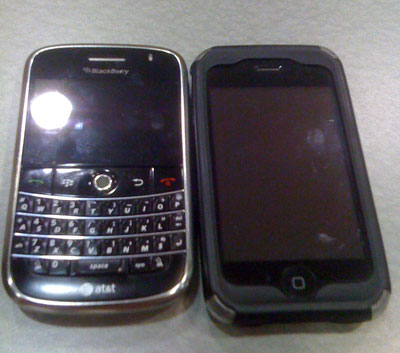
The Med Student's Pockets: Then and Now
Monday, April 27, 2009
Wednesday, February 04, 2009
The Academic Surgical Model Strained
It seems the requirement for surgeons to be part of academia (and therefore, have to contribute to a medical school's "dean's tax" for the priviledge of their academic title), caused surgeons to bail in West Virginia:
-Wes
“The construct of this relationship historically has dictated that all of the surgeons in the program had to be academic full-time faculty in the School of Medicine. So, I think one could argue, and it was certainly Mon General’s perspective that by only having one model under which cardiac surgeons could work in this market constrained the recruitment process,” McClymonds said.These days, money talks. Declining Medicare payments coupled with declines in the surgical workforce are permitting many academic surgeons to rethink classic payment models.
-Wes
Friday, September 12, 2008
Boys vs. Girls in Junior High
I'm proud of my wife for her efforts to better understand the gender disparity in performance that has developed in boys compared to girls in our local Illinois public schools. She worked with Peg Tyre, author of "The Trouble With Boys: A Surprising Report Card" and a team of other concerned parents to actually measure what many has suspected: boys are not faring as well here as girls in school:
It is interesting to ponder if this might affect our medical school applicant pool in the future.
-Wes
After a four-month review of items such as grades, test scores, and teacher attitudes, they produced a more than 100-page report showing that while there was no difference in intelligence between Wilmette's boys and girls, the boys trailed girls by almost every academic measure. Specifically:They were recently featured in this month's Chicago Magazine (though her name was misspelled).
- In grades 5 through 8, girls had higher grades across all four core subjects: reading, writing, science, and math.
- Boys were more likely to get grades of C or lower, and girls were 30 to 35 percent more likely to receive an A.
- For the previous four years at every level of junior high school math, girls outperformed boys.
It is interesting to ponder if this might affect our medical school applicant pool in the future.
-Wes
Monday, July 28, 2008
Making 'Em Look Good
It’s the beginning of the academic medical school year, and a new flock of energetic medical students has arrived. It is evident as they eagerly call the attending to “notify” them of a sick case that was “coming to the ward” having never seen the patient.
It was no biggie, this time. Things were handled. But it was clear during the late-night phone conversation that the medical student hadn’t seen the patient, wasn’t aware of the entire medical history, and was sent as the “messenger.”
Well, we don’t shoot the messenger.
But there’s also an important principle that should be followed when communicating with different members of the medical team involved in a patient’s care:
Make ‘em look good.
If you are a medical student, make your resident look good on rounds. Know the history, medications, lab results, and the patient’s chief complaint that day. If you do, he’ll make sure you look good.
If you’re a resident, make your fellow look good on rounds. Teach the students. Check the patient yourself if needed. Give the fellow the pertinent items to be addressed that day, and make sure they happen. If you do, your fellow will make you look good.
If you’re a fellow, make your attending look good on rounds. Guide the resident. Come prepared, having communicated with the team, understand the next plan of action, and implement it. If you do, your attending will make you look good.
If you’re an attending, make sure the nurse looks good. Point out the good things he or she did overnight, guide them on the items that need attention, and listen to their concerns. If you do, your nurse will make you look good.
If you’re a nurse, make sure the patient looks good. Respond to their calls, check the medications not once but twice, ask why the dinner tray arrived late, and help brush the patient's hair and teeth. If you do, the patient will make sure the whole hospital looks good.
Simple, effective.
That’s the way it works.
Best of luck to all of you.
-Wes
It was no biggie, this time. Things were handled. But it was clear during the late-night phone conversation that the medical student hadn’t seen the patient, wasn’t aware of the entire medical history, and was sent as the “messenger.”
Well, we don’t shoot the messenger.
But there’s also an important principle that should be followed when communicating with different members of the medical team involved in a patient’s care:
Make ‘em look good.
If you are a medical student, make your resident look good on rounds. Know the history, medications, lab results, and the patient’s chief complaint that day. If you do, he’ll make sure you look good.
If you’re a resident, make your fellow look good on rounds. Teach the students. Check the patient yourself if needed. Give the fellow the pertinent items to be addressed that day, and make sure they happen. If you do, your fellow will make you look good.
If you’re a fellow, make your attending look good on rounds. Guide the resident. Come prepared, having communicated with the team, understand the next plan of action, and implement it. If you do, your attending will make you look good.
If you’re an attending, make sure the nurse looks good. Point out the good things he or she did overnight, guide them on the items that need attention, and listen to their concerns. If you do, your nurse will make you look good.
If you’re a nurse, make sure the patient looks good. Respond to their calls, check the medications not once but twice, ask why the dinner tray arrived late, and help brush the patient's hair and teeth. If you do, the patient will make sure the whole hospital looks good.
Simple, effective.
That’s the way it works.
Best of luck to all of you.
-Wes
Subscribe to:
Comments (Atom)