Sunday, March 05, 2017

MOCA-Peds and Its Conflicts of Interest

The pediatric Maintenance of Certification (MOC) propaganda machine rolls on - this week in the JAMA Pediatrics.

Lewis R. First, MD, MS, David A Gremse, MD, and Joseph W. St. Geme, III, MD join forces to publish their opinion piece entitled "Maintenance of Certification - A Prescription for Improved Child Health" in JAMA Pediatrics on 27 Feb 2017. The only conflicts of interests they disclose to the public are their various associations with their institutions and various professional medical organizations with which they have been affiliated with over the years. As is typical for many of the JAMA publications published by the American Medical Association (AMA), they failed to disclose their ties to the pharmaceutical industry or the fact that annual Maintenance of Certification (MOC) revenues almost matches that of initial certification for the American Board of Pediatrics (ABP) every year.

Lewis R. First, MD, MS advertises himself as restricting this practice to inpatients only on his University of Vermont website.  Such a practice is hardly representative to the vast majority of pediatricians in the U.S. who primarily care for outpatients. It would not be surprising, then, that the hours required to participate in MOC would seem trivial to one who works in a sheltered inpatient workshop.  He never mentions that he "won" the Joseph St. Geme Jr. Leadership award created in the honor of the father of his co-author, Joseph St. Geme III, MD, by the Academic Pediatric Association, American Academy of Pediatrics, American Pediatric Society, the Association of Medical School Pediatric Department Chairs (AMSPDC), the Association of Pediatric Program Chairs and the Society for Pediatric Research.  To his credit, Dr. First does disclose the fact that the is chair of the AMSPDC Education Committee, member of the ABP Research Advisory Committee, member of the AMSPDC Planning Committee, editor of Pediatrics, and past chair of the National Board of Medical Examiners, so his enthusiasm for lifelong repeated testing of physicians is at least understandable as part of the vast network of Accreditation Council of Graduate Medical Education (ACGME) certification member organizations' fixation with lifelong testing and revenue generation.

David A Gremse, MD disclosed that he is chair of the department of pediatrics at South Alabama University, chair-elect of the ABP, member of the AMSPDC Planning Committee, and past member of the AMSDPC Board of Directors. He failed to mention that he was secretary-treasurer of the ABP and a pediatric gastroenterologist.

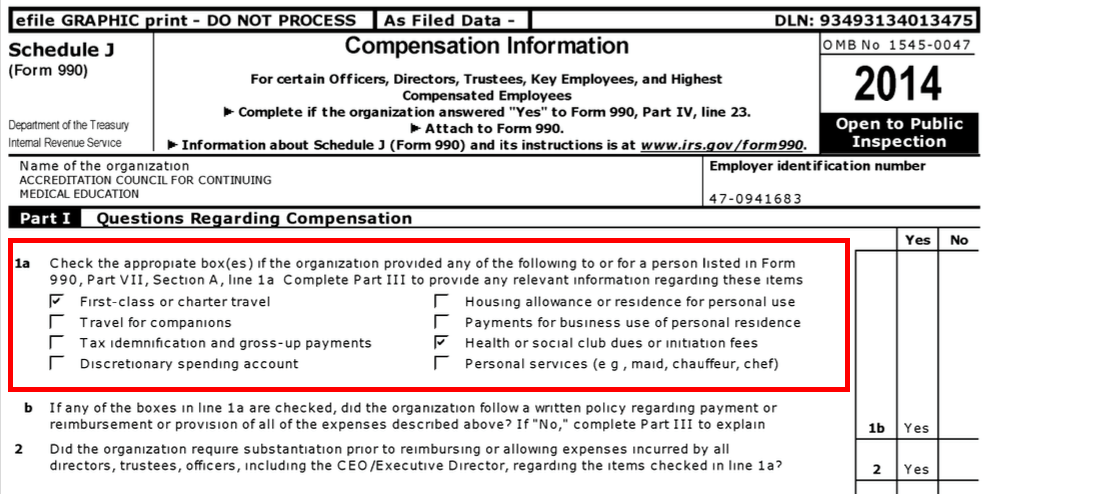
Finally Joseph W. St. Geme III, MD discloses he is chair of the department of pediatrics at the Children's Hospital of Philadelphia and the University of Pennsylvania, associate chair of the AMSPDC Research Committee, immediate past chair of the ABP (often with first class travel from the ABP) and Dr. St. Geme failed to mention his advisory role with PureTech Health, a "cross-disciplinary biopharmaceutical company."

Why mention these conflicts? Because their article is filled with misinformation.

First, board certification for pediatricians in America is no longer "voluntary"as these authors claim. It is disingenuous for them to claim board certification is "voluntary" when the next sentence they note "Hospitals increasingly require board certification for medical staff privileges credentialing bodies and payers often require board certification for participation in provider networks and for reimbursement."

Two "Quality Improvement" projects  are mentioned by the authors that they claim can be used to  justify Maintenance of Certification to all general pediatricians in the United States. These studies were less than robust and filled with uncontrolled endpoints.  For instance, one involved a QI project with the "ImproveCareNow Collaborative" funded by many pharmaceutical companies and the American Board of Pediatrics Foundation that actually admitted in their paper:
'Third, improvements in outcome occurring over time could have taken place independent of changes in care delivery as part of the network. No external comparator group was available to help with this determination. However, not all centers showed improvement, and the improvement we observed took place over a relatively short period of time during which no new therapies were introduced into routine clinical practice. Finally, the processes we measured may not be directly responsible for the observed improvement in remission."
In fiscal year 2015 (from the 2014 IRS Form 990) - the latest tax form the public can review - the American Board of Pediatrics earned $10,644,504 from the Maintenance of Certification program while their senior executives enjoyed first class airfare and paid spousal travel fees. They paid their former President and CEO who worked only 8 hours per week, James Stockman, III, MD,  $793,991  - more money than their current highest paid employees, Executive Vice President of Credentialing and Exam Administration ($675,055) and President and CEO ($624.001). By comparison, one source cites the current median pediatrician salary in the US in 2017 as  $187,376. Might these facts be more important to explain the authors' enthusiasm for promoting MOC than the flawed studies they cite regarding MOC's importance to patient care?

These authors need to understand the days of pulling the wool over working physicians' eyes by publishing opinion pieces in journals sponsored by the AMA that has refused to end MOC despite recommendations made by their own House of Delegates are over. These continued efforts to justify MOC without acknowledging the programs many flaws and financial conflicts of interest must end. While physicians who chose to continue to work have little choice but to participate in MOC  currently, efforts are underway across the nation to end MOC for all subspecialties on the basis of its discriminatory practice against younger physicians and because its adverse effects on physicians and their patients have never been studied (or even acknowledged) by these organizations that profit from the program without legitimate independent oversight.

-Wes


Saturday, March 04, 2017

TeamHealth: Medicine's "Big Short"

Remember Bob Wachter, MD, America's Most Influential Physician Executive in 2015?

Remember how he played Elvis and sang "Your Hospitalist Song" at Mandalay Casino while serving on the board of  IPC The Hospitalist Company in 2014?

Remember how Dr Wachter pivoted to "love" as a quality measure in the New York Times after leaving the American Board of Internal Medicine (ABIM) and after he quietly earned $210,586 in income, stock, and options with IPC Hospitalist Company in 2014, a portion of which was shared with his institution?

Remember how IPC Hospitalist was being investigated by the DOJ for Medicare fraud?

Remember how IPC Hospitalist Company was acquired by TeamHealth for a hefty profit anyway?

The DOJ's investigation completed and TeamHealth had a $60M judgement levied against it.

I went to look what happened to TeamHealth's stock price at the time of that announcement, but was surprised to see that TeamHealth had disappeared from the New York Stock Exchange.

It seems TeamHealth had been purchased by The Blackstone Group and became a private company just before the judgement was handed down.

* poof *

IPC Hospitalist Company. TeamHealth. All gone. All forgotten.

Welcome to US Medicine's mini-version of "The Big Short."

-Wes

More here: http://fortune.com/2016/10/31/blackstone-teamhealth-merger/

Friday, February 24, 2017

Bringing the ABMS MOC Program Before the FTC

Looks like the new Federal Trade Commission Chairwoman Maureen K. Ohlhausen might take an interest in the onerous and costly American Board of Medical Specialties' Maintenance of Certification (MOC) program:
Testifying on behalf of the FTC before the Subcommittee on Antitrust, Competition Policy and Consumer Rights, Commissioner Maureen K. Ohlhausen noted that while occupational licensing can help protect consumers from health and safety risks and support other valuable public policy goals, unwarranted restrictions can harm competition, leaving consumers with higher-priced, lower-quality, and less convenient services.

“From, a competition standpoint, occupational regulation can be especially worrisome when regulatory authority is delegated to a board composed of members of the occupation it regulates,” Commissioner Ohlhausen said.

According to the testimony, this type of board may make regulatory decisions that serve the private economic interests of its members and not the policies of the state (emphasis mine). Such decisions could result in occupational restrictions that discourage new entrants; deter competition among licensees and from providers in related fields; and suppress truthful, nondeceptive advertising, and innovative products or services that could challenge the status quo.

The testimony notes that while the principles of federalism embodied in the state action doctrine limit the reach of federal antitrust laws when a restraint on competition is imposed by a state, this does not mean that all state regulators are exempt from antitrust scrutiny. Through its enforcement and advocacy work, the Commission has helped to define the contours of the state action doctrine for actions taken by state boards composed of private actors – culminating in last year’s decision by the Supreme Court in North Carolina State Board of Dental Examiners v. FTC.
-Wes

Tuesday, February 14, 2017

Why Didn't I Think of This?

What the public REALLY needs: a credentialer of the credentialers, based in Washington, DC!

These guys have it all: An Editorial Committee, an International Task Force, an External Stakeholder Development Task Force,  Public Member Development Task Force, Credentialing Careers Task Force, and Emerging Leaders Task Force - oh, and don't forget the Legal Action Fund to pay for hefty strongman tactics!

Sounds like the playbook for the American Board of Medical Specialties Maintenance of Certification (MOC) Program and the Accreditation Council for Graduate Medical Education, doesn't it?

Pure genius.

I feel so much safer now, don't you?

-Wes

Monday, February 06, 2017

PPA Requests Congressional Hearing, IRS Investigation of MOC Program

The Library of Congress is a beautiful building in Washington DC. On the North wall of the Library of Congress Member's Room is a beautiful mosaic representing law:


It was the perfect setting to deliver the Practicing Physicians of America's debut message to Congress regarding the ABMS Maintenance of Certification program (pdf of slides) last Thursday:


-Wes


Additional information: 

My earlier rebuttal to Richard Baron, MD, President and CEO of the American Board of Internal Medicine's, defense of MOC previously published in Medical Economics.

Anyone interested in downloading the Powerpoint of my presentation to use for educational or advocacy efforts can download the presentation here.

Practicing Physicians of America website.

Wednesday, February 01, 2017

Practicing Physicians of America: Taking the Stick


Shuzan, a Buddhist monk of the tenth century, once held up a bamboo stick before his disciples. "Call this a stick," he bellowed, "and you assert; call this not a stick, and you negate. Now, do not assert or negate, what would you call this stick? Speak! Speak!"

From out the ranks, a young monk ventured forth, grabbed the bamboo, and, breaking it in two, exclaimed to Shuzan, "What is this?"*

Wonder where I've been for the past several weeks?

Welcome to Practicing Physicians of America.

Thanks to everyone who has collaborated to make this dream become a reality in a remarkably short 12 days. We hope the momentum continues to grow. We have strong advisors and are commited to ending unproven bureaucratic intrusions that threaten our ability to practice our trade. There is still plenty to do as we work to create a new 501(c)(3) by practicing physicians for practicing physicians. This is a voluntary, grassroots effort.

There is strength in numbers and we're in Washington DC to kick it all off tomorrow (press release here). I hope EVERY practicing physician, irrespective of political loyalty, will join us in the work to end the bureaucratic intrusions that are threatening our ability to care for patients.  Please join us in this David vs Goliath fight.

We will have more in the coming days.

-Wes

* From: An Introduction to Zen Buddhism, by D.T. Suzuki (Grove Press, 1964).

Sunday, January 22, 2017

Asking the Fox to Watch the Hen House

Why are we asking the fox to watch the ABIM/ABMS henhouse?

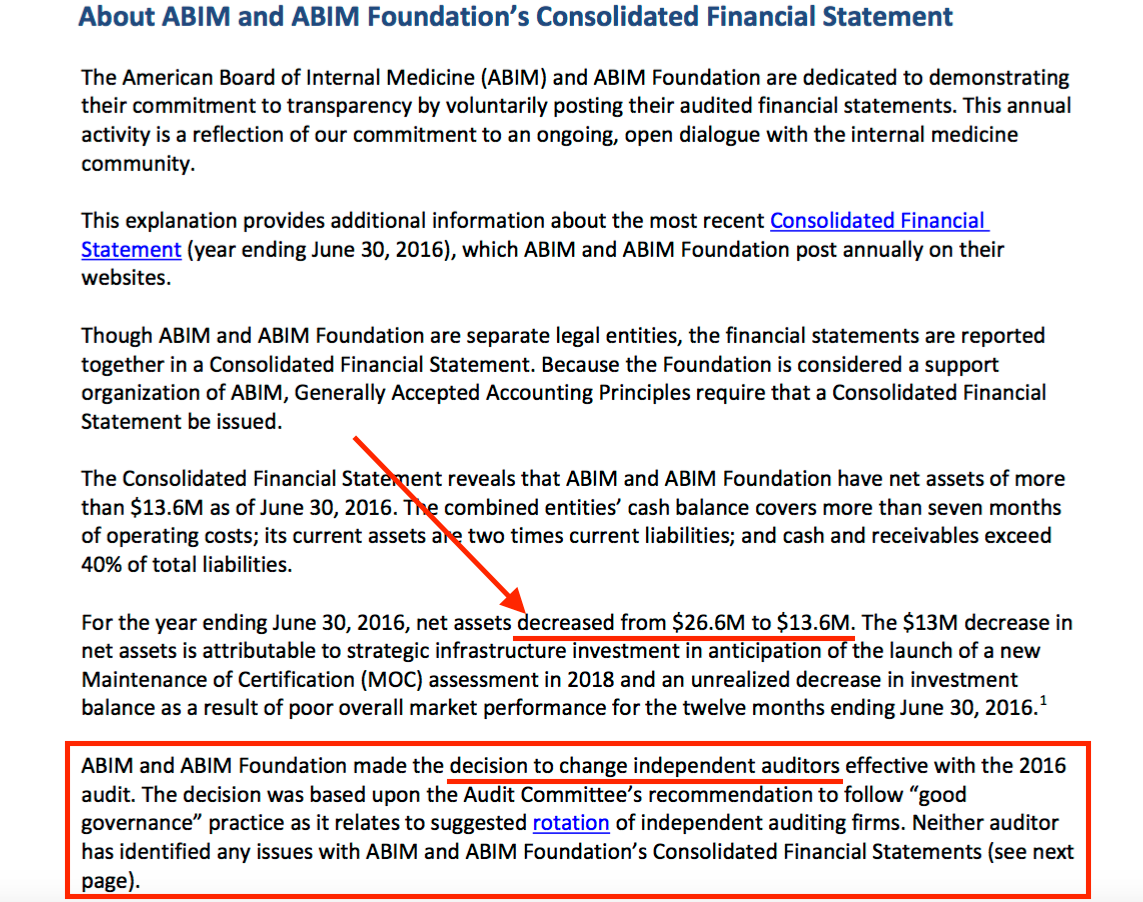
In November 2016, practicing physicians passed a resolution 607 at the AMA House of Delegates meeting requesting an independent audit of the ABIM.  As my prior post disclosed, the AMA is heavily vested in the ABMS MOC program as a member organization of the ACGME.

The response from the ABIM's corporate communications department was entirely predictable: see the ABIM website.

This is not an independent audit.

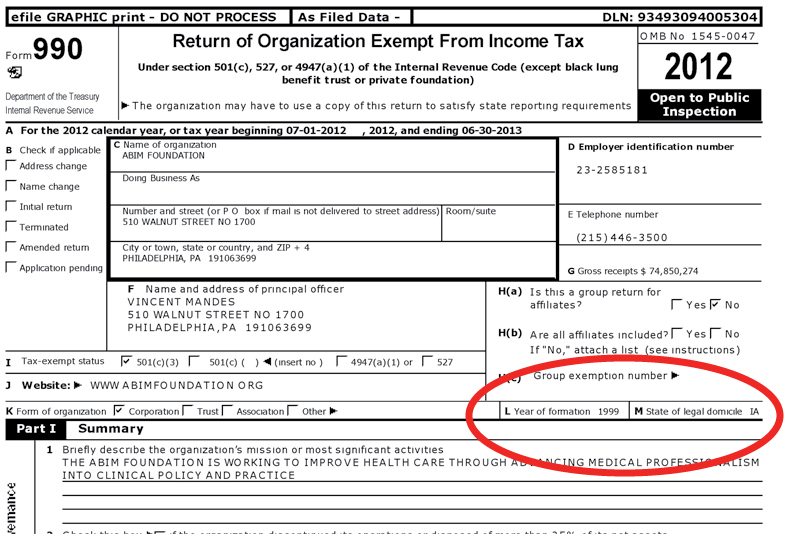
Would the ABIM like to explain why they changed auditors? We want to know for ourselves why there is a $13M shortfall this year. Might their investments in the Caymans have fallen short? Did they move those assets offshore to avoid potential tax consequences? Might they have made a few not-so-tiny errors on their behelf, like covering up the existence of the ABIM Foundation for 10 years and using $76M of our testing fees to create the ABIM Foundation by falsifying tax records?

There are a lot of questions to be answered. Why did the ABIM remove their website from the internet archive in 2014 if they were not trying to cover up their activities? Why wouldn't they release their tax forms to main stream media outlets when asked in 2013-2014, and why was the request for those documents only made available via the PA governor's press secretary?

No, the AMA can't bury this one.  Either they will hire an independent auditor approved by practicing physicians in America to review tax records from 1990 through the present, or we will be sure to ask the IRS and DOJ to join the investigation on our behalf.

Practicing physicians in America want the truth. All of it. And we will not rest until the activities performed by the ABIM with our finances withstand independent public scrutiny.

-Wes

Friday, January 20, 2017

ABIM Stationary Sidebars: MOC and UCSF

I attended the University of California, San Francisco's (UCSF) electrophysiology program from 1993-1994. As I continue to explore the myriad of conflicts of interest inherent to the American Board of Medical Specialties (ABMS) Maintenance of Certification (MOC) program, it has come as quite a surprise to me that so many members of my alma mater (and the institution itself) were either passive or active participants in  the strongman tactics used by the American Board of Internal Medicine (ABIM) as a "message and deterrent" (as explained by former President and CEO of the ABIM, Christine Cassel, MD) to control the ABIM/ABMS monopoly on continuing medical education in the United States.

Let me explain.

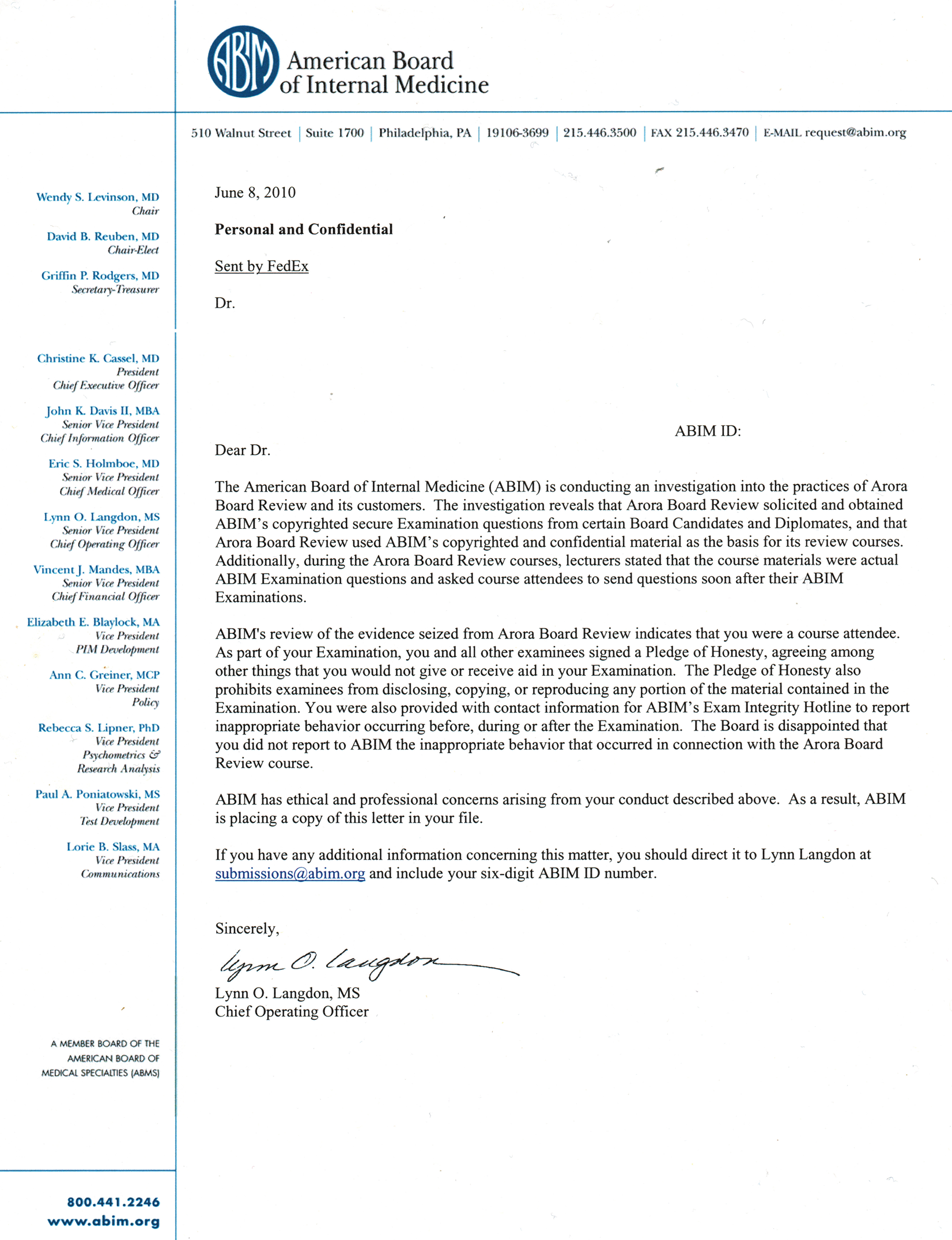
In a retaliatory letter dated May 8, 2012, authored by Ms. Lynn Landon, the non-physician Chief Operating Officer of the ABIM at the time, Jaime Salas-Rushford, MD was accused of forwarding, prior to ever taking the ABIM Board certification exam, board review questions to the ABIM-certified instructor of the CME-accredited Arora Board Review course. About three years after the fact and after 139 others had already been sued or sanctioned for attending the same course (or at the very least, like a flashback to the McCarthy era, had warning letters "added to their file") this retaliatory letter declared that ABIM imposed an immediate, unlimited revocation of Board certification of Dr. Sala-Rushford and to "notify the Medical Board in every jurisdiction in which you are licensed" without due process.

On the stationary sidebar of that letter appear the names of the officers of the ABIM and it’s board members at the time: Chair Catherine R Lucey, MD, Chair-Elect Robert M Wachter, MD, Secretary-Treasurer Talmadge E King, MD, and President and CEO Christine Cassel, MD among others. Were these leaders listed in the sidebar mere figureheads of the ABIM when this occurred or were they ultimately responsible for the organizations' actions as their positions suggest?

It is remarkable that three of the above senior ABIM leaders were on staff at UCSF at the time. These same individuals now hold significant leadership positions at the USCF medical school. Dr. King serves as Dean of the UCSF Medical School since 26 May 2015, Dr. Lucey as the Vice Dean for Education, and Dr. Wachter serves as Professor and Chair of the Department of Medicine. In addition to their current academic positions at UCSF, these same individuals hold leadership in other organizations within the Accreditation Council for Graduate Medical Education (ACGME):
  • Dr. Lucey serves as an at-large board member of the American Board of Medical Specialties 2016-2017 and on the Board of Directors of the of the Association of American Medical Colleges (AAMC).

  • Dr. King has a long history of serving on the Board of Directors of the National Committee for Quality Assurance (NCQA) from 2010-2017 as an unpaid board member and currently works alongside the organization’s founder and President, Ms. Margaret E. O’Kane. Remember that NCQA, under Ms. O'Kane's direction, developed, maintained, and expanded the Healthcare Effectiveness Data and Information Set (HEDIS), the nation's most widely used quality measurement tool and has grown to a $50 million company with almost 300 employees. NCQA is also the main accreditor of recognized medical homes and one of two accrediting organizations permitted by federal law to accredit plans in the new health insurance exchange marketplaces that came online October 1, 2010, under the Affordable Care Act (ACA). Because the NCQA also credentials insurance providers as part of the ACA, one insurer quality metric they created requires physicians to "maintain" their certification via ABMS MOC programs if they want to receive payments from those insurers. Furthermore, the NCQA and the ABMS will continue to directly benefit from "quality" rules that they have put into place and lobbied Congress to enact laws such as the Medicare Access and CHIP Reauthorization Act of 2015 (MACRA). MACRA's Merit-based Incentive Performance is MOC on steroids (see comments to the final rule). While NCQA maintains the quality measurement tool that is used in MACRA to determine US physician pay based on their notion of care "value," much of the NCQA's own IRS 2015 Form 990 is redacted. Who is protecting our patients' interests when even the IRS allows this to occur?

  • Dr. Wachter has his own financial conflicts with MOC that also benefitted the UCSF. According to IRS Form 990's, in 2012 when the above sanction letter was issued, Dr. Wachter served as 'Director-Chair" of the ABIM earning $38,888 from the ABIM and $6,626 from the ABIM Foundation.

    While serving as "Director-Chair" of the ABIM and Director of the ABIM Foundation, Dr. Wachter was also simultaneously serving as Director of the IPC The Hospitalist Company, Inc, reportedly running a “leadership development course (at UCSF) for their practice group leaders.” Dr. Wachter's financial haul from his relationship with IPC was significant. He pocketed 1,355 shares of IPC stock valued at $50.68 on 1 Aug 2013 and another 2650 shares of stock valued at $58.50 on 2 January 2014. According to SEC filings, he earned $210,586 in 2014 ($ 108,000 as cash, $ 55,000 in stock and $ 47,526 in options). USCF benefitted from a fellowship grant with IPC brokered by Dr. Wachter that began sometime in 2010 or 2011 (Dr. Wachter's description of the program was published on his blog 18 November 2011.) On 17 June 2014, the Department of Justice filed suit against IPC Hospitalist Company alleging the company overbilled federal health insurance systems for physician evaluation and services. Nonetheless, it appears Dr. Wachter still received a stock option award of 2186 shares of IPC on 2 Jan 2015. Undeterred by the DOJ suit (or perhaps because of it), TeamHealth acquired IPC Hospitalist Company for hefty $80.25 per share on 23 Nov 2015, again profiting Dr. Wachter and UCSF (with whom he had a publicly-disclosed sharing agreement where he kept 80% and UCSF received 20% of this relationship). As of 17 Jan 2017, it appears a settlement agreement in the DOJ's suit against IPC The Hospitalist Company will be reached soon. In retrospect, watching Dr. Wachter doing an Elvis impersonation at Mandalay Casino in Las Vegas on behalf of corporate medicine at patients' expense with the tacit approval of the Dean of the UCSF Medical School reflects poorly on the University. These activities also serve to erode any remaining trust practicing physicians have on the unproven ABMS MOC program to serve in our patients' best interest.
It is remarkably coincidental that on 27 December 2012, an article appeared in the New England Journal of Medicine by one of Wachter’s colleagues at UCSF, Robert B. Baron, MD written in conjunction with John Iglehart, a “national correspondent” for the New England Journal of Medicine, explaining the controversy surrounding MOC and reinforcing the need for it. Dr. Robert Baron (no relation to Richard Baron, MD of the ABIM) never disclosed his simultaneous collegial associations with so many in leadership positions of the ABIM at the time, nor did either author mention the fact that the "NEJM Group" would be announced in March, 2013 to profit the Massachusetts Medical Society that included the launch of their Knowledge+ Maintenance of Certification “state-of-the-art adaptive learning” educational product April 16, 2014.

Who wouldn't want to join such a financial and reputational party bestowed upon these former ABIM leadership physicians? What medical center wouldn't like to benefit from the ABMS MOC system so many from UCSF have? How many other institutions are? Given what we now know about these colluding private organizations and their ethical and financial tactics, why haven't these respected leaders come forward to denounce the activities of the ABIM for which they served? Perhaps these leaders are fearful UCSF would lose their ACGME accreditation as a teaching institution eligible for additional Medicare training funds if they did. Or perhaps these individuals saw little risk of collateral damage to their professional reputation if ABIM used its strongman tactics against a small number of vulnerable, less prominent physician colleagues.

The irony of the ABIM requiring doctor clients of Arora Board Review subject to the sting operation organized by an undisclosed convicted felon to participate in “ethics” courses and pay additional fees to the ABIM before their board certification credential could be reinstated should be lost on no one.

According to USCF's own Faculty Code of Conduct: "The integrity of the faculty-student relationship is the foundation of the University’s educational mission. This relationship vests considerable trust in the faculty member, who, in turn, bears authority and accountability as mentor, educator, and evaluator. The unequal institutional power inherent in this relationship heightens the vulnerability of the student and the potential for coercion. The pedagogical relationship between faculty member and student must be protected from influences or activities that can interfere with learning consistent with the goals and ideals of the University." I would argue that the unequal institutional power carried by the ABIM (and other ABMS member boards) that can revoke a physician's ability to practice or earn a living on the basis of an unproven repeated testing is even larger and warrants even greater scrutiny.

It is clear that the complex financial interrelations of many tax-exempt private organizations that require the ABMS MOC credential have developed over the years to monopolize the physician continuing education process. In my opinion, it is far too coincidental that all of these physicians a single institution just happened to hold unelected leadership positions in so many of these interrelated private entities that financially benefit from MOC at the same time. I also believe the fact that another physician from the same institution published a manuscript in the New England Journal of Medicine while his colleagues stood to benefit politically and financially from their positions gives the appearance of collusion. I believe the UC Board of Regents, Attorney General of California, and/or even the Governor of California have a responsibility to investigate the use of public monies and academic positions to benefit these many non-governmental private entities that act outside of University responsibilities and act, as one independent journalist described them, "more akin to a protection racquet."

The ABMS Maintenance of Certification controversy and those culpable for its strongman tactics extends far further than just the ABIM. When respected leaders of the academic community fail to speak out about the irresponsible activities that occurred during their tenure with the organization, I believe they passively condone them. I suspect this is why we have heard little from other members of the academic community since the collusion extends to current board members of the NCQA, AAMC, ABMS, the New England Journal of Medicine, and other prominent academic institutions like UCSF.

Practicing US physicians voted to end the ABMS MOC program before the AMA House of Delegates meeting in June 2016 because of the unexplained financial dealings and the strongman tactics employed by the organization, yet it continues, even now. This no longer surprises us since the AMA is a member organization of the ACGME, too.

How high do the conflicts go in the US medical education system?

It is now clear they go all the way to the top. It is also clear why.

It's time for the AMA to shut the ABMS MOC program down as practicing US physicians have voted because it's doing more harm than good, not only to reputable practicing US physicians nationwide, but to their patients and academic institutions (like my alma mater) that purport to train and educate physicians to become ethical, hard-working, trustworthy doctors without fear of reprisal for educating themselves any way they choose.

-Wes

Disclaimer: I serve as an expert witness on behalf of Jaime Salas-Rushford, MD.

Wednesday, January 04, 2017

Will Fraud Investigators Read the New England Journal of Medicine?

The Office of the Inspector General of the Department of Health and Human Services took great pride in publishing a video at the end of 2016 heralding all their accomplishments for the year.

We might 2017 bring?

The OIG of HHS should consider reviewing the comments section (pdf of comments here) in response to the American Board of Internal Medicine (ABIM) promotional article by Richard Baron, MD and Clarence H. Braddock,  III, MD in the New England Journal of Medicine to start their year off with a bang when seeking to root out sources of waste, fraud, and abuse in the US healthcare system.

There should also be a full investigation of the research protocols and informed consent used by the ABIM to conduct research on physicians "to improve US healthcare" and the security measures employed to protect the integrity of the data they collected on physicians.  Sending survey results over a non-secure website link (http://survey.abim.org) hardly satisfies even the most minimal data security requirements to protect the information submitted on physicians!

Physicians want (and deserve) answers about this corrupt program and they want it to end, not modified or "improved." Until the ACGME, NCQA, AMA, AAMC, and each of the 24-member boards of the ABMS understands this and takes meaningful action to end this monopoly on our continuing educational system, pressure by practicing physicians to force an end to MOC will continue.

-Wes


Saturday, December 17, 2016

Physician Burnout and MOC: Treating the Cause, Not the Symptoms

This brilliant essay appeared in Practical Neurology Nov/Dec 2016 issue by Paul G. Mathew, MD, FAAN, FAHS. Dr. Mathew is on staff in the Department of Neurology and is Director of Continuing Medical Education at the Brigham and Women’s Hospital, John R. Graham Headache Center, and staff neurologist at Harvard Vanguard Medical Associates and the Cambridge Health Alliance. He  also serves as the neurology representative on the volunteer advisory board of the National Board of Physicians and Surgeons. 

Here's a brief example:

WHAT DO PRIVATE PAYERS GAIN FROM REQUIRING MOC?

As a volunteer board member of NBPAS (no compensation or honorarium as opposed to the salaries of ABMS board members, which can range from $300,000 to greater than $800,000), I have often wondered why private payers require MOC when Medicare does not require board certification or MOC. The answer is quite disturbing. Private payers actually participate in certification, which is issued by the National Committee of Quality Assurance (NCQA). Margaret E. O’Kane is the founder and president of the NCQA, and she is also a member of the ABMS Board of Directors. The NCQA requires private payers to require physicians to participate in MOC in order to be NCQA certified. Thus, anyone contracting with a private payer will require MOC. In the conflicted case of Ms. O’Kane, she profits from the NCQA requiring private payers to require physicians to participate in MOC, and then she profits again from her ABMS position when said physicians must pay to comply with MOC requirements.

Read the whole thing.

Dr. Mathew will be giving Neurology Grand Rounds at Michigan State University/Sparrow entitled "Maintenance of Certification: Reform or Reboot?" on 13 Jan 2017 from 07:30-08:30 AM EST. All are welcome to attend.

-Wes

Friday, December 16, 2016

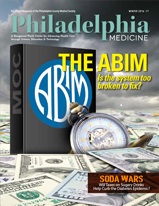
Philadelphia Medicine Magazine's ABIM Issue


An entire issue of Philadelphia Medicine magazine devoted to the American Board of Internal Medicine (ABIM), (pdf  here) and the ABIM wouldn't respond other than to say:
"We do not feel that this format appropriately presents the variety of viewpoints about MOC."

The magazine attempted to invite Richard Baron, MD to give the ABIM's side of the story but he declined. This speaks volumes.

-Wes

Wednesday, December 14, 2016

ABMS/ABIM MOC Controversy: 2016 Year-in-Review

It's hard to believe that another year has come and gone since my 2015 update on the ABMS/ABIM Maintenanence of Certification controversy. I thought it would be important to maintain this chronological annual review of the ABIM and their conspiring organizations to keep physicians and the public apprised of the situation unfolding. Here is the timeline of the major developments regarding the ABIM MOC controversy for the past year so far:*

  • 12 Jan 2016 - All ABIM archived webpages published after 1 Jan 2014 are removed from the internet archive Wayback Machine at http://www.archive.org

  • 13 Jan 2016 - More evidence for improper research practices used at ABIM surface on the ABIM website as physicians are asked to "update their profile" so the ABIM can research ways to "improve health care." ABIM diplomates are not informed on the research being conducted nor have they been given informed consent about the research activities being conducted.

  • 21 Jan 2016 - ABIM Foundation publicly discloses for the first time $56 million in transfers (unverified) from ABIM since 1990.

  • 26 January 2016 - Robert Wachter, MD, former Chairman of the Board of the ABIM and its Foundation, publishes a New York Times opinion piece entitled "How Measurement Fails Doctors and Teachers" and suggests "the secret of quality is love." With the article, Wachter  fails to disclose his own conflicts with the "measurement industry" at the ABIM and ABIM Foundation and the stock earnings he received from IPC Hospitalist Company (later acquired by TeamHealth) that is under federal investigation for overbilling Medicare.

  • 16 Feb 2016 - The website DoctorsJustice.com goes live to support the legal defense and countersuit of Jamie Salas-Rushford, MD, a Puerto Rican physician sanctioned and then sued by the ABIM in 2012 for allegedly disclosing ABIM test questions to Rajender Arora, MD, the creator of the now defunct ACGME-accreditied Arora Board Review courses as he studied for his certification examination. Numerous sanction letters and court documents against Dr. Salas Rushford appear online.

  • 8 March 2016 - The peer-reviewed journal article, "Medical Specialty Certification in the US - A False Idol?" is published.

  • 11 March 2016 - Like the practicing physicians' anti-MOC activities underway, medical students push back against another unneccessary and expensive testing requirement: the National Board of Medical Examiners' Step 2 CS requirement.

  • 12 March 2016 - The sworn testimony of Rajender Arora, MD of the ABIM's raid on his home by Federal Marshals appears online and offers remarkable details of the operation ABIM used to gain access to hundreds of review course attendees' personal information and email accounts.

  • 1 April 2016 - Robert Wachter's industry-sponsored blog, Wachter's World, disappears from the internet. Recall that Wachter's company, IPC The Hospitalist Company, for which he served as director and received 3,995 shares of stock valued between $50.68 and $58.50 per share, was sued by the Department of Justice for was overbilling federal insurance providers. The company was later acquired by TeamHealth 23 Nov 2015 for $80.25 a share, netting him and his University, the University of California, San Francisco (with whom he had a sharing agreement with), a comfortable profit.

  • 26 April 2016 - Oklahoma passes comprehensive anti-ABMS MOC legislation and ABMS responds.

  • 10 May 2016 - More changes to the ABIM MOC program to be implemented 1 Jan 2018 that includes more frequent testing are announced.

  • 12 May 2016 - Public disclosure of American College of Physician's Executive Vice President Steven E. Weinberger, MD's upcoming retirement appears.

  • 13 May 2016 - ABIM posts June 30, 2015 Form 990s. ABIM Foundation reports correct year and state of incorporation after six years of inaccurate reporting.

  • 20 May 2016 - The ABIM Foundation moves $6.5 million of diplomate testing fees offshore to the Cayman Islands in fiscal year 2015.

  • 9 June 2016 - The dark story of ABIM's felonious "Director of Investigations" and the strongman tactics used by the organization against economically vulnerable physicians is reported.

  • 14 June 2016 - Scott Shapiro, MD, Bonnie Weiner, MD, Charles Cutler, MD, myself, and Mr. Charles P. Kroll appear before the AMA House of Delegates meeting in Chicago to deliver our evidence supporting financial and professional mismanagement at the ABIM that culminated in the Pennsylvania Medical Society issuing a formal "vote of no confidence" against the ABIM.

  • 16 June 2016 - The AMA membership presses for an immediate end to MOC.

  • 2 July 2016 - Expanding investigations of other member boards of the American Board of Pediatrics reveals retired President and CEO of the American Board of Pediatrics, James A. Stockman, III, MD earned $793,438 working just eight hours a work-week as an "advisor."

  • 10 July 2016 - ABIM Foundation sells its controversial luxury downtown Philaelphia condominium at an estimated $1.2 million loss.

  • 21 July 2016 - The untold story of three ABIM-sanctioned physicians appears that chronicals the humiliation, ethics course requirements, and a $5000 check one of them had to pay ABIM to reinstate their certification.

  • 2 August 2016 - Several doctors of osteopathy file a class action lawsuit against the American Osteopathic Association seeking to recover millions of dollars in annual membership fees that the doctors allege they have been forced to pay for years to the organization to maintain their certification.

  • 4 August 2016 - ABIM Foundation shifts from defining and promoting "medical professionalism" to "co-creating" health care.

  • 5 August 2016 - Medical Economics publishes MOC promotional piece by Richard Baron, MD, President and CEO of the ABIM, then asks for a physician rebuttal via its Twitter feed. After writing the rebuttal at their request, Medical Economics refuses to publish it. The rebuttal is published on these pages and received over 10,000 page views within 48 hours.

  • 24 September 2016 - Retirement plan and change in audit firm disclosed publicly for the first time: value of ABIM's 100% employer funded Retirement Plan now exceeds combined value of ABIM and Foundation accumulated since 1936 (ABIM) and 1989 (Foundation).

  • 28 September 2016 - My 22-minute talk on "Why MOC is Broken and How to Fix It,  delivered at the AAPS meeting in Oklahoma City, appears (video).

  • 16 October 2016 - How the major medical journals, including JAMA and the New England Journal of Medicine, shield ABMS authors' conflicts of interest via IRS Form 990 tax filings and do not report these conflicts (and their own conflicts with the program) in their journals.

  • 16 October 2016 - The California Medial Society holds a debate between Lois Margaret Nora, MD, JD, CEO of the American Board of Medical Specialties and Paul Teirstein, MD, the unpaid President and CEO of the National Board of Physician and Surgeons. Attempts to shorten Teirstein's talk by the moderators are shouted down and Teirstein delivers his 14-minute talk and then receives a standing ovation (video).

  • 27 October 2016 - Press release announcing the retirement of ABMS President and CEO, Margaret Lois Nora, MD, JD appears.

  • 28 October 2016 - Mayo Clinic Proceedings publishes a survey on MOC with editorial commentary by James C. Puffer, MD, the President of the American Board of Family Medicine (ABFM), yet fails to disclose the ABFM's financial conflicts with MOC that includes running ABFM Realty, LLC, a firm that manages a $4.2 million office building purchased with ABFM diplomate testing fees in 2012.

  • 11 November 2016 - ABIM certification scoring methods that changed pass rate cut-offs are disclosed.

  • 14 November 2016 - Resolution 607 re: request for independent ABIM audit, passes in AMA House of Delegates.

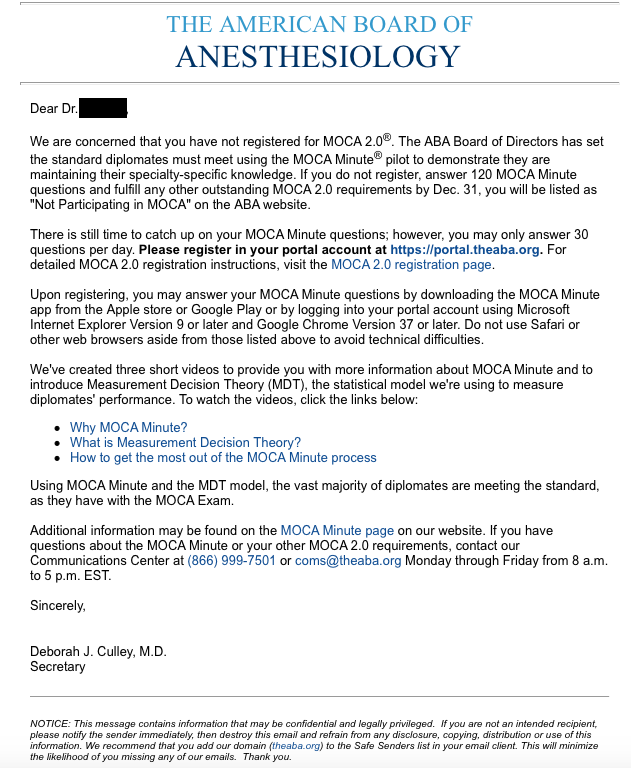
  • 21 November 2016 - Letter from the American Board of Anesthesia threatening to report a physicians' certification status as "Not Participating in MOCA" if he does not pay for and complete their MOCA-Minute program by 21 December 2016 appears. (The impact on the physicians' ability to receive payment from insurers if this occurs is not mentioned).

  • 1 December 2016 - New England Journal of Medicine publishes "Knowing What We Don't Know - Improving Maintenance of Certification" by Richard Baron, MD and Clarence H. Braddock, III, MD, MPH, both employees of the American Board of Internal Medicine, and fails to allow comments or rebuttal, and (once again) fails to disclose the Journal's conflict of interest with the program.

  • 2 Deceember 2016 - The American College of Cardiology sends an email to all of its members announcing their collaboration with Part IV of MOC program and their approval as a Portfolio Program Sponsor by ABMS.

  • 16 Deceember 2016 - Philadelphia Medicine magazine publishes issue dedicated to ABIM. ABIM declines to contribute, stating "We do not feel that this format appropriately presents the variety of viewpoints about MOC." (PDF of entire issue available here.)

-Wes

*Additional updates to this timeline with be made for the remainder of December as needed or if other newsworthy events were missed.

Saturday, December 03, 2016

Chicago's Cold December Game Plan

In June 2016, "Chicago" had a problem. A small renegade group of doctors had uncovered some dirty secrets about the Chicago-based American Medical Association's (AMA) subordinate organizations, the Philadelphia-based American Board of Internal Medicine (ABIM) and its Chicago-based mothership, the American Board of Medical Specialties (ABMS). Action was needed. It would have to be invisible to the lay public. It would take a slick, well-coordinated game plan. It would also take some money. People don't mess with The Chicago Machine.

The major players assembled in the room to get some background on the problem. They'd have to understand the depth and breadth of what was known before they could structure a counter-offensive using every option at their disposal: ties to leadership at medical journals, public relations groups, finely-tuned email lists, and buy-in from like-minded medical societies who needed the AMA's political clout on Capital Hill - the works.

There they were, all the major players in one room, looking less than happy to be there to hear me (of all people) and my colleagues who were rattled to our core at what had transpired in the bureaucratic House of Medicine for all these years.


The room took a while to fill at first, but as time for the presentations approached, they were standing room only. The early attendees looked a bit worried. Those arriving later appeared less concerned for time and money were on their side. Many of the dignitaries were introduced to me by Charles Cutler, MD, from the Pennsylvania Medical Society who had invited a few of us to attend: the President of the Board of the American Medical Association (AMA), the Executive Vice President of the American College of Physicians (ACP), members of some of the medical national medical societies. All in one room to hear me and Mr. Charles Kroll, a certified public account, give our little talks (seen here and here).

They listened intently. They asked no questions. They needed to think. Poor Lois Margaret Nora, MD tried to come to the microphone to defend her actions feebly. It was clear to them she was a liability. More senior veterans at this game would have to step in.

It was a time to marshall the considerable resources of Chicago's medical establishment's senior spin experts: the American Medical Association and their collaborators at the Accreditation Council of Graduate Medical Education. They knew they could do this. After all, it had been done before when Thomas Brem, MD testified before Congress 30 April 1969 after he was paid from "Special Account No. 4" maintained by tobacco lobbyists. (See US District Court for the District of Columbia, United States of America v. Phillip Morris USA, Inc, et al., Case 1:99-cv-02496-GK Filed 8/17/06. Page 174 of 1683. Available at: https://www.gpo.gov/fdsys/pkg/USCOURTS-dcd-1_99-cv-02496/pdf/USCOURTS-dcd-1_99-cv-02496-4.pdf ) We are beginning to see telltale signs of a similar well-coordinated plan to forward a separate, non-patient care agenda against the practicing physicians who had grown restless.

First, the leadership recognized that change was needed. Dr. Steve Weinberger, Executive Vice President of the PhiladelphiaChicago-based ACP had heard enough and wisely wanted out. He could see the writing on the wall and had given plenty of time, energy and effort to the ACP. He announced his retirement. Lois Margaret Nora, MD, JD wanted to stay on but knew she couldn't. She, too, announced her retirement but was asked to stay on until the end of 2017 to help "smooth" the transition. Or to be a fall guy. (This is Chicago, remember.)

Second, a "go live" date had to be set. 1 December 2016, just before the new US President took office, would be perfect.

Third, an article would have to appear in the New England Journal of Medicine without an accompanying rebuttal article reaffirming the importance of MOC and how hard the ABIM are working to modify it. This article would serve as the "starting gun" for all that was to occur next. In turn, Richard Baron, MD would serve, once again, as sacrificial lamb and receive a "special fee" above and beyond $800,000-a-year ABIM salary in return for "publishing" the article (see the article's disclosures). Perhaps this was because Dr. Baron and Braddock didn't write a substantial part of the it, we can't be sure. Practicing physicians would be appalled by the piece containing many non-scientific assertions. It didn't matter. They liked the use of the example where anyone can become an ordained minister online to justify ABIM's unproven maintenance of certification program as a "solid," and "valuable" standard. No one would dare comment that the ABIM's secret, black-box antiquated questions (held secret behind a thin veil of threats of prosecution for leaking those "secrets") were any more "solid" or "valuable" than those "internet based" ministry credentials. Especially if the New England Journal of Medicine didn't allow comments. Furthermore, Baron and Braddock's must make board certification sound as though it was "always" supposed to be time-limited. No one must know that Walter Bierring, MD, the unpaid organizer and first officer of the ABIM never intended the test to become a mark of adequacy to practice medicine rather than an optional sign of excellence. (See: Bierring WL. The American Board of Internal Medicine. Ann Intern Med 1937 10(12):1746-1751.) Denis M. O’Day, MD and Mary R. Ladden, BA's peer-reviewed article on the history of board certification, published the criteria of the American Board of Medical Specialties member boards that stated their voluntary nature and the requirement their tests and programs NOT be tied to the ability of a physician to practice. And practicing physicians certainly should not know about the first recertification test, taken by internists on 26 October 1974,  recommended that "no one should lose their primary certification as a result of the examination."(Meskaukas JA and Webster JD, The American Board of Internal Medicine Recertification Examination: Process and Results. Ann Intern Med 1975 82: 577-581). To provide cover to these facts, Drs. Baron and Braddock must use ABIM's usual strongman tactics and threaten "escalating consequences for unsatisfactory performance over time" in their piece. And so it was.

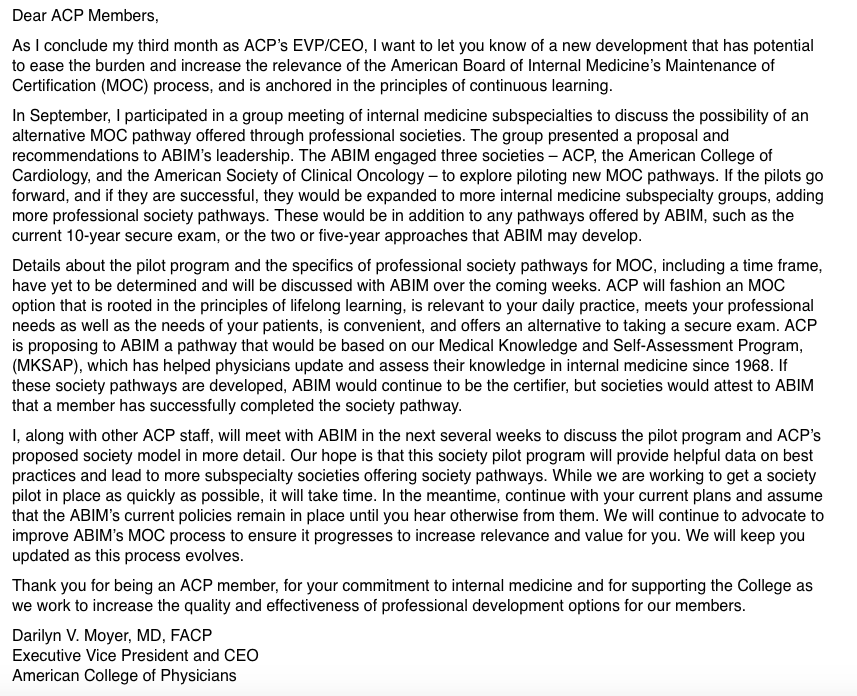
Fourth, that evening after the New England Journal of Medicine article appears and people have a chance to digest it, a mass email must be sent to all members of the American College of Physicians announcing their "new pilot MOC program" in coordination with the American College of Cardiology (ACC) and the ABIM that promised to "ease the burden and increase the relevance" of the ABIM MOC process. Specific details like time frame, cost, and methods must not be disclosed, however.

Fifth, more pressure must be applied. The AMA and the Committee of Medical Subspecialty Societies (based in Chicago) will coordinate with the American College of Cardiology to use the ACC's considerable financial and political clout to re-introduce the previously-suspended Part IV "Practice Improvement and Safety Modules" via an email to its members the following day. After all, it took a lot of lobbying to assure Part IV of the ABIM MOC program was woven into the new physician "value-based" payment scheme called the Medicare Access and CHIP Reauthorization Act of 2015 (MACRA). For their help, the ACC should be granted "Program Sponsor" status of the ABMS Multi-Specialty Portfolio Approval Program. The message to lowly physicians MUST be: "Participate in MOC or don't get paid, sucker!"

It all seemed like such a good idea at the time. Those pitiful physicians wouldn't stand a chance. The Chicago Machine was in charge. It would be easy to roll over those quiet, unassuming doctors with this plan once and for all!

And then the unimaginable happened. An unanticipated Presidential candidate won the election. Like BREXIT, the medical political establishment were caught completely off guard. None of them could imagine it happening. And even though larger and larger numbers of doctors weren't buying the propaganda of the Affordable Care Act (ACA) and MOC any longer, the AMA, heavily invested in the ACA construct, stuck to their plan to strong-arm physicians with these MOC "modifications" anyway.

Practicing doctors and their patients have been waking up to what the medical establishment have done to the middle class and the practice of medicine in America. We've been slow to catch on thanks to the realities and time required for this thing called patient care, but the reality is profound.

Thanks to Maintenance of Certification, practicing doctors are not so easily fooled any longer and with a new sheriff in town, the Machine might just have to go to an alternate Plan B in January 2017 or face some serious consequences.

-Wes

Thursday, December 01, 2016

Knowing What We Don't Know

This week, Richard Baron, MD and Clarence H. Braddock, III, MD, MPH, both paid staff of the independent and unaccountable American Board of Internal Medicine (ABIM), received more (free?) advertising space in the New England Journal of Medicine to publish their perspective piece entitled "Knowing What We Don't Know - Improving Maintenance of Certification." While my readers are welcome to read the piece, rest assured there is nothing new there except more unsubstantiated excuses to prop up this expensive, wasteful, and corrupt enterprise.

I believe these authors should be very clear that physicians are quite aware of "Knowing What They Don't Know" about Maintenance of Certification (MOC), the ABIM, their collaborators at the American Board of Medical Specialties.

Here's what we don't know:

1) Who wants Maintenance of Certification so badly that Drs Baron and Braddock are allowed to publish their promotional piece in the New England Journal of Medicine after US physicians have overwhelmingly voted to end MOC immediately in the June 2016 AMA House of Delegates meeting? We can hypothesize many possibilities:

  • The New England Journal of Medicine itself, who stands to profit from their Knowledge+ educational product for MOC preparation.

  • The ACGME and its many members like the ABMS member boards, the AMA, the American Hospital Association (AHA), and Association of American Medical Colleges (AAMC) who stand to profit directly from the program and or by the anticompetitive practices it creates.

  • The multibillion dollar physician testing industry (Pearson, Prometric, etc.)

  • The major players in the US medical insurance industry (Blue Cross Blue Shield, Unitedhealthcare, Aetna, Cigna, etc.) who want to reduce their costs for expensive experienced physicians in lieu of physicians extenders, using the "National Committee on Quality Assurance" as their scapegoat?

  • Or perhaps, it's all of the above?

2) Why did the ABIM feel it could funnel $55 million of diplomate testing fees from 1989 to 1999 to fund its secretly-created (and undisclosed until 1999) ABIM Foundation?

3) Why has the IRS not investigated the repeated ABIM Foundation Form 990 tax fraud regarding the date and state of its Foundation's origin and the non-disclosed lobbying activities?

4) Why has the ABIM Foundation moved over $6.5 million of diplomate test fees offshore to the Cayman Islands in 2014?

5) Why were lawyers from ABIM's legal team, Ballard Spahr, and Ariel Benjamin Mannes (their two-time convicted felonious "Director of Investigations") allowed to accompany Federal Marshals during a home raid of two physicians homes that had developed an ACGME-accredited board review course? What agreement (monetary or otherwise) exists between the Dr. Rajender Arora (the director of the course) and the ABIM?

6) Why has the antitrust case filed by the Association of American Physicians and Surgeons against the ABIM, originally filed in New Jersey and then moved to the United States District Court for the Northern District of Illinois (Docket No. 1:14-CV-2705) on 4/23/2013, languished unaddressed in the Northern Illinois court docket since 7 Jan 2015?


These are just a few of the things practicing US physicians "Know What We Don't Know."

Rest assured, we won't rest until we find out and bring the corrupt MOC program to an end.

-Wes

Tuesday, November 29, 2016

On Pediatricians' Golden Pond

Satellite view of the
American Board of Pediatrics' 2.8-acre Pond
Pediatricians in the United States can thank the American Board of Pediatrics (ABP) and their time-limited "Maintenance of Certification" (MOC) program for the purchase of their very own "Golden Pond."

Surely, US pediatricians need a 2.8 acre pond. Where else would they be able to sit and contemplate their past careers as academics as the sun sets slowly over the horizon? Everyone knows that when properly maintained, ponds provide a peaceful venue for a leisurely stroll or for the opportunity to toss a hook and bobber in search of a bluegill or large-mouth bass. No doubt these activities are critical pediatric health care quality and safety skills.  Thanks to the leadership and "medical professionalism" portrayed by the ABP leadership over the past 30 years or so, all US pediatricians can feel proud to know that every bit of their $1200 "continuous MOC" fee is going to the support of this worthy landmark.

Surely pediatricians worldwide know about the pond they purchased, don't they?

Perhaps not.

Ponds, you see, don't typically make the internet websites of the American Board of Medical Specialties member boards or IRS Form 990 tax forms (except as "land and buildings"). Few would think of lands and buildings as including a pond, but for the American Board of Pediatrics, it does. In fact, their pond (picture) rests on a consortium of properties adjacent to 111 Silver Cedar Ct, Chapel Hill, NC that span over 9.3 acres and comprises two separate buildings (201 Silver Cedar Ct is also owned by the ABP). Unfortunately, it's hard to imagine how a pond adds to the safety or quality of pediatric care in the United States. Instead, we can only surmise that a pond is an important asset to the American Board of Pediatrics because it improves their property value and provides important tax revenues and political influence to the state of North Carolina and beyond.

And who better to pay for that pond and annual taxes than unsuspecting US pediatricians increasingly forced to comply with Maintenance of Certification?

No one was supposed to know that the first recorded deed of these properties coincided in time with the creation of Maintenance of Certification, 1986, according to North Carolina real estate records. No one was supposed to know that as President and Advisor to the American Board of Pediatrics, James A. Stockman, III, MD, earned $1,307,415 in Fiscal year 2012 before his retirement package of another $2.4 million kicked in the next year, either.

And let's not forget the many cars that pediatric diplomates helped Dr. Stockman purchase during his tenure at the ABP.

Here are Dr. Stockman's own words, published in Pediatric Annals:
Dr. Shulman: If you had not chosen medicine, which field would you have chosen?

Dr. Stockman: I’d be a car salesman.

Dr. Shulman: I suppose that’s not a surprise. You are quite the collector of classic cars. Your wife once told me that during a 5-year period in Chicago you bought and sold 40 or 50 separate autos. And that was before eBay!

Dr. Stockman: Yes, my collection is very diverse. Among them are a ’56 Cadillac, a Sting Ray, a Triumph, and a twin turbo engine Porsche 911. I love driving them on all the country back roads here in North Carolina. There is life beyond academe!…
Life beyond academe indeed.

Especially when one considers that Maintenance of Certification (MOC) was Stockman's "most far-reaching  achievement" of his 20-year career with the American Board of Pediatrics (according to the well-funded Illinois-based American Academy of Pediatrics that has an extensive lobbying presence on Capitol Hill).

-Wes

Monday, November 28, 2016

Staying Prepared at Christmas

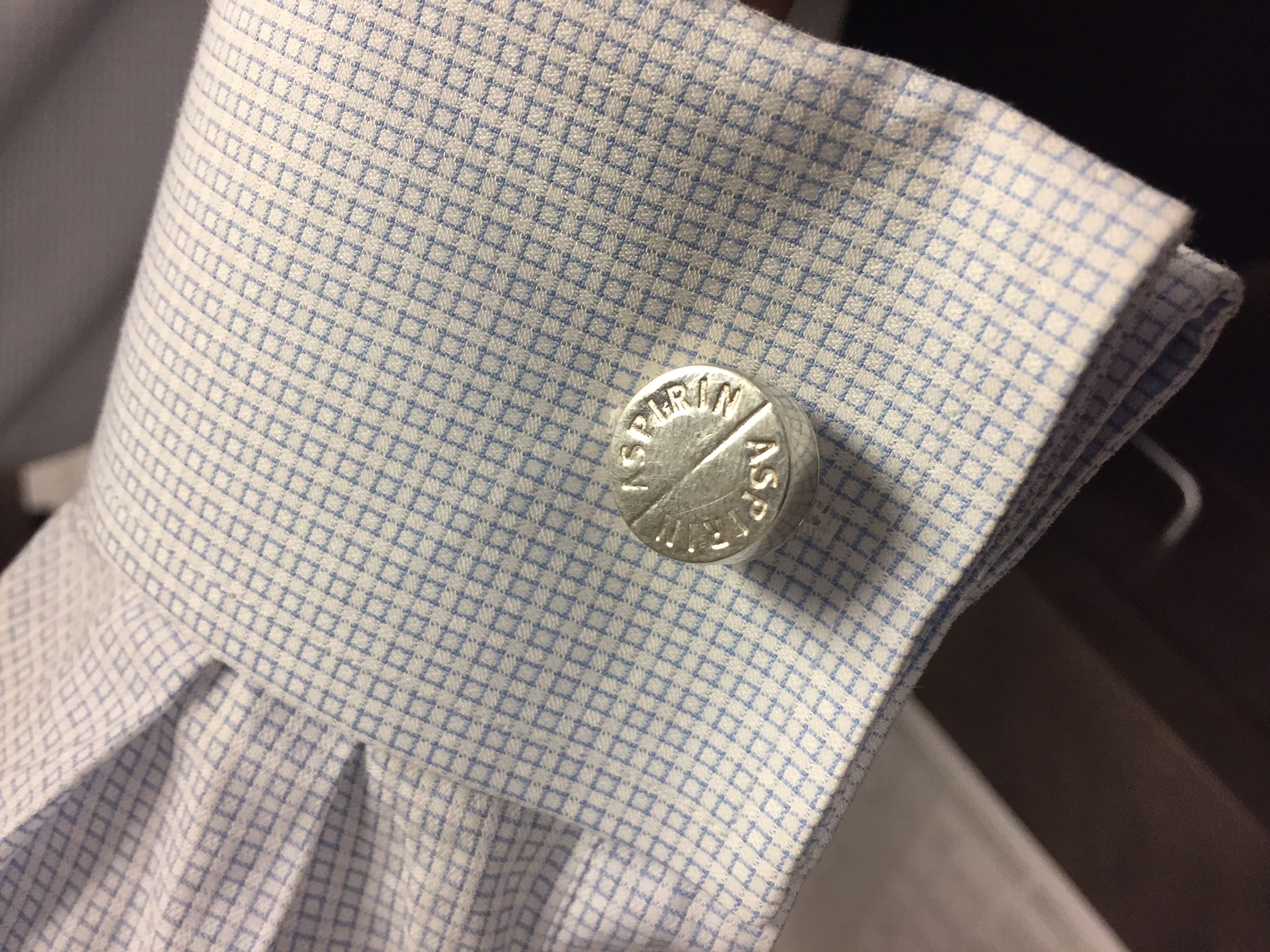
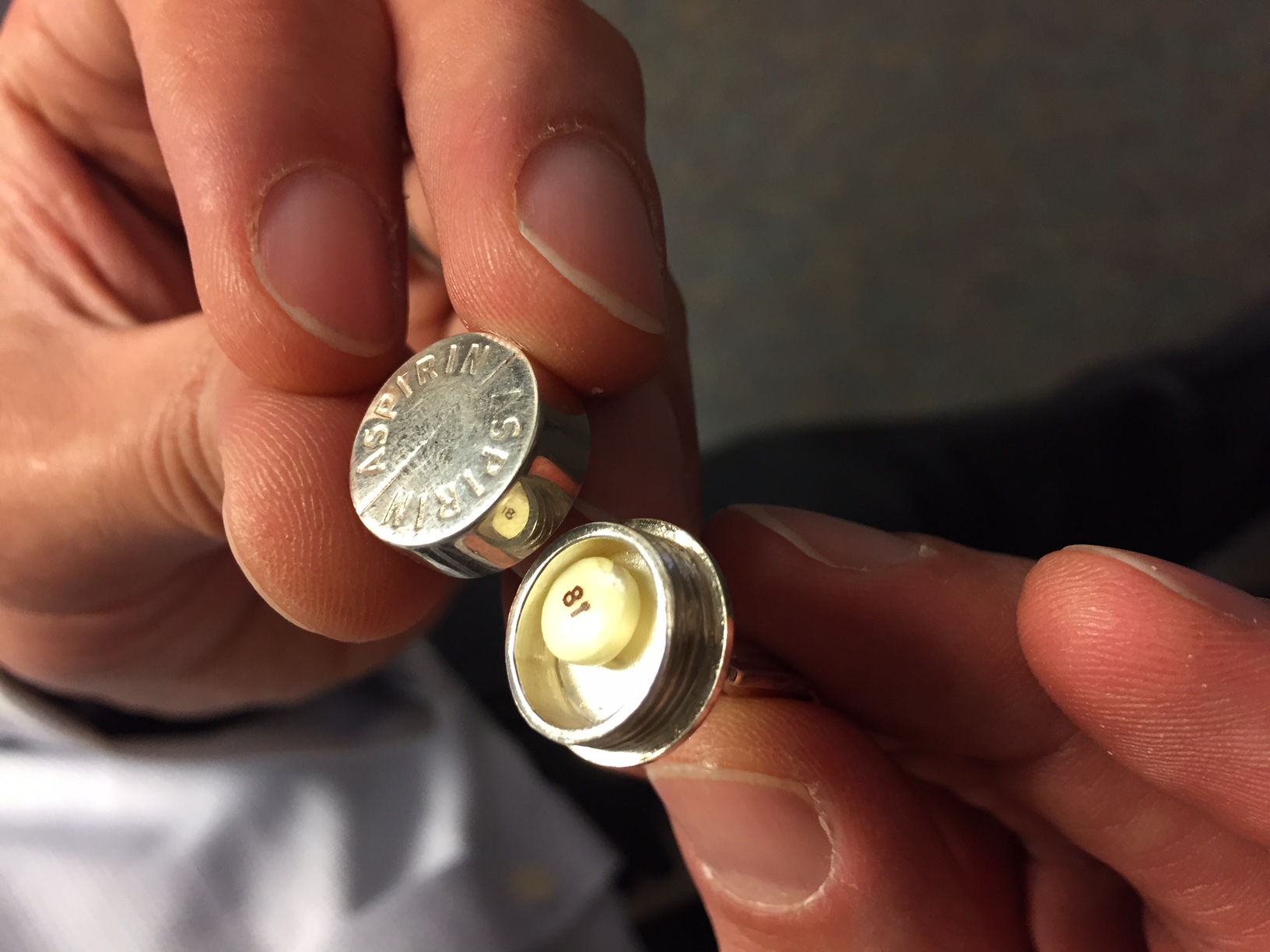
Good Samaritan cardiologists never know when they (or someone else) might need 81 mg of aspirin  this holiday season.  Here are some fancy cufflinks (seen in clinic today) that every cardiologist should consider:


-Wes

PS: I have no commercial interest in this gift idea. :)

Monday, November 21, 2016

Nickle and Dimed

The American Board of Anesthesia's heavily-promoted "MOCA Minute" had some not-too-flattering details exposed recently.

First, was this letter sent to a diplomate who had not purchased their MOC offering:


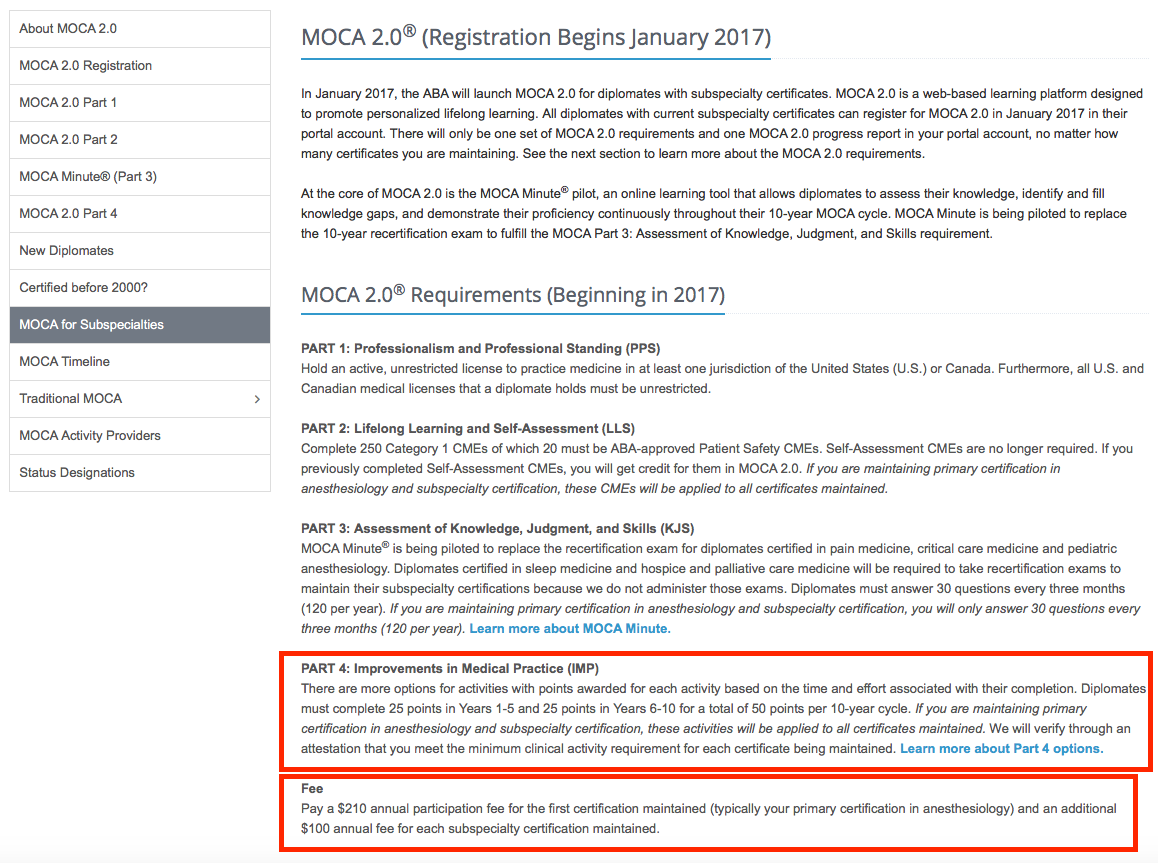
Second, was the cost and the requirement to renewed requirement for physicians to participate in previously-suspended Part IV of the ABMS MOC program:


Here's the math: $210 per anesthesia diplomate annually x 20,000 anesthesiology diplomates = $4.2 million EVERY YEAR.

That's $42 Million every 10 years.

That's $42 million to the ABA for a program that threatens to compromise an anesthesiologist's ability to practice.

That's $42 million to the ABA for a program that threatens an anesthesiologist's ability to earn revenues from insurance companies.

It doesn't matter if doctors pay one lump sum every 10 years (as internists can do), or break their fees into bits. Forcing them to pay to keep practicing is the problem. Such a program in the egalitarian United States will never fly. Why, then, do the American specialty boards continue to insist that physicians participate when there are simply no proof it adds value to patient care or safety?

Because we're letting them get away with this.

It's time for all practicing physicians to stop supporting the ABMS MOC program, especially when there's at least one better option.

-Wes

Friday, November 11, 2016

More Insights to ABIM Board Certification Tests and Scoring

From a recent early-career physician who failed their certification board examination and is trying to understand why:*

Dr. Fisher,

I contacted ABIM today asking many questions about the initial certification exam and the scoring. 

As I've seen you mention, they claim to use the (modified) Angoff Method to set the cut score for passing. It involves a bunch of "experts" reading questions and estimating what percentage of "minimally competent" test-takers would answer correctly. They then average all experts' percentages for each question, and average the percentage for all questions, to achieve the minimum passing score. Apparently. No info on who the experts are. Also no definition of what a "minimally competent" test taker is.

That's a weird system, but it wasn't what I found most egregious. Without going into too much detail, there are 240 questions on test. By my answer report, based on number of missed questions, I got 74% correct. They have interviews with their president and examples online stating you need to get about 65% correct to pass. I blew that away and still failed. So, I called them. To start, they told me that at least 35 questions are "test questions" that end up being thrown out and neither count for or against you. So we are paying to be research subjects. And paying handsomely. Even if you throw out 35 questions, I still got 70% correct, so I asked how I could've failed if I was still well above the 65% threshold. They told me that not all tests are equivalent and essentially I may have had an easier version and needed to get more correct. So apparently someone could've missed more than I did but still passed if their test was arbitrarily deemed more difficult? 

I asked many questions about how this could even be considered an equitable way to grade a high stakes test, but got little response. They did offer to have a psychometric statistician call me. In 7-14 days.

Thanks for your time and for reading. What an arbitrary process. Also, they will not let me see my test or answers, nor can they show me what questions were thrown out. This being clouded in such secrecy just adds to the mistrust from physicians. How can we trust a test that's so arbitrary? Also, if I continue to fail (or am failed, depending on how you look at it), is the ABIM going to pay off my student loans? I've proven competence in residency and now fellowship training. I would argue I've proven competence on this very test too.
A few notes about this physician's observations.

ABIM has published several "abstracts" on their webpage about methods of psychometric testing. The first abstract, published in February 2011 an co-authored with a representative from the computerized testing firm PearsonVue, discusses "transitioning the board from linear computer-based test to an adaptive, multistage testlet-based examination" and their "experience 'selling' this change to leadership." In other words, it appears the method of scoring ABIM examinations made a change before February 2011 to IRT scoring. Secondly, it appears a member of PearsonVue and an ABIM non-physician helped "convince" the ABIM leadership why they should change methods. (On a side note for those interested, here's a not-so-"simple guide" to Item Response Theory.) The second abstract, published in April 2011, discusses a "transition from classical test theory (CTT) to item response theory (IRT) scoring." What prompted the change in scoring technique is uncertain, but it appears the method for scoring examinations for ABIM board examinations changed before early 2011. Importantly with this new technique, the pass rate cut-off appears to be determined AFTER the test is taken and may vary from individual to individual, as the doctor suggests in the email above.

For those interested, the 2005-2015 pass rates for initial ABIM board certification were as follows: 92% (2005), 91% (2006), 94% (2007), 91% (2008), 88% (2009), 87% (2010), 84% (2011), 85% (2012), 86% (2013), 87% (2014), 89% (2015). (source: the Internet archive and ABIM websites).

Was this change in examination methods responsible for the declining pass rates of physicians taking the ABIM certification examination noticed by program directors across the country in 2013? Or was this the way PearsonVue required the test be scored if PearsonVue's computerized test centers from  were used for scoring (making it a "win-win" for both organizations)? We are left to wonder. The  falling pass rate hypotheses considered even included the possibility that study methods of millennial physicians were less rigorous.  The New England Journal of Medicine's summary of the controversy tried to quell the outcry from millennials who were quick to respond. Even the American Board of Family Medicine's leadership felt compelled to explain their falling pass rates about the same time.

Isn't it interesting that no one ever entertained the possibility that a change in scoring method at the ABIM had occurred that might have caused the drop in pass rates? If true, the process of passing a physician's initial board certification is inconsistent between test takers since tests contain questions that are "weighted" differently for each diplomat and the process of determining pass rate cut-offs remain shrouded in secrecy.

It's time for the ABIM to stop hiding their "secret sauce" of test development, changes in test scoring, and test "security" processes and address this young physician's questions directly and honestly. Test scoring and the setting of pass rate cut-offs should be transparent and reproducible for any high stakes examination administered to US physicians, especially when this self-proclaimed "voluntary" testing and re-testing now affects all US physicians' ability to gain (and retain) employment.

Or is that too much to ask of folks that use physicians as research subjects without their consent, engage in illegal lobbying of Congress and "stakeholders" for their benefit, and delight in moving our testing fees offshore to the Caymans for their own benefit?

-Wes

* Portions of the letter were edited to protect the physician's anonymity.

Monday, November 07, 2016

Friday, November 04, 2016

Teirstein vs. Nora

Lois Margaret Nora, MD, JD of the American Board of Medical Specialties vs. Paul Teirstein, MD of the National Board of Medical Specialties debate at the California Medical Association meeting 16 October 2016:

Nora was given  20 minutes to speak.

Teirstein was given 10 minutes (but California Medical Association members booed until he got another 5 minutes).

Definitely worth a 14-minute viewing for it shows the revolving door of non-profit interests that maintain the MOC monopoly as only Paul Teirstein, MD can:


-Wes

Dr. Teirstein's slides can be downloaded here or a a pdf of his slides can be viewed here.

Friday, October 28, 2016

The Canary in the American Board of Family Medicine's MOC Gold Mine

In an editorial in the Mayo Clinic Proceedings this month entitled "The Evolution of Physician Certification and the Canary in the Coal Mine," James C. Puffer, MD, President and CEO of the American Board of Family Medicine (ABFM), reviewed a recently published survey on Physician Attitudes About Maintenance of Certification (MOC) by Cook, et al. that appears in the same issue. To his credit,  he acknowledged the following:
"Physicians today are overburdened with the vagaries of their electronic health records, endless reporting requirements, and the demands of multiple payors. The amount of time that they are spending with patients continues to dwindle, and the last thing that they want to do is spend additional time, meeting yet another set of requirements that they find burdensome.
Unfortunately, Dr. Puffer couldn't bring himself to admit that the costs for MOC are excessive, both in fees paid and the time required to perform this unproven exercise, and he failed to call for an complete moratorium on the unnecessary MOC requirement for the many family medicine diplomates his organization certifies.  Instead, he glowingly reviews the survey's "methodological approach," "meticulous design" and "rigorous analysis of the data," despite the survey being designed by an American Board of Medical Specialties (ABMS) employee and reviewed by a mysterious "anonymous external reviewer" (see Acknowledgements). As a result of the survey findings, he calls on "modifications" to MOC because the results of the survey represent the "canary in the coal mine" of how physicians will accept the current iteration of the MOC physician re-certification "quality" metric going forward.

But by merely disclosing that he is an employee of the American Board of Family Medicine (ABFM) in the Mayo Clinic Proceedings editorial, Dr. Puffer carries his own canary into the hallowed financial walls of the ABFM's MOC gold mine. It should come as no surprise for readers of this blog that MOC has opened all sorts of wondrous financial opportunities for the ABFM (and all of the member boards of the ABMS) at practicing physicians' expense.

For instance, while the public only has access to the ABFM's tax forms to disclose the financial dealings of the organization, we quickly see that MOC continues to be a windfall for the ABFM. In fact, in 2014 MC-FM fees (the ABFM's MOC program equivalent) contributed 46.4% ($12,776,905) of their $27,525,430 annual haul from ABFM diplomates. These fees helped support Dr. Puffer's $803,687 annual compensation and the organizations' $3,521,629 "donations" made to their "ABFM Foundation" and "Pisacano Leadership Foundation."  (In 2012 and 2013 these "donations" were even larger: $6,147,376 and $7,878,535 respectively). MOC also helped fund the ABFM Executive's first class and companion air travel and their Directors' first class air travel and a  $1,449,525 retirement package with $435,000 in post-retirement medical benefits. No wonder MOC is such a great deal and needs to continue!

The ABFM is a tax-exempt 501(c)(6) tax-exempt organization that has accumulated a remarkable $130,082,516 in assets on the backs of working physicians that is offset by "liabilities" that fund the salaries of 75 people and other "projects" in the amount of $45,838,832 yeilding a net asset balance of $84,243,684 at the end of 2014. Rather than offset the fees that diplomates have to pay the ABFM for MOC, these fund transfers show the ABFM would rather continue to plow this money into itself (rather than defraying costs to its members) by growing its supporting "Foundations."

But careful review of the ABFM Foundation's tax forms shows it carries many similarities to the infamous ABIM Foundation that gained considerable notoriety after its condominium purchase (complete with a chaueffer-driven town car) was disclosed on these pages and elsewhere.

According to the ABFM Foundation's most recent IRS Form 990, it exists for the "Fostering of Education and Scholarly Analysis or Research in Family Medicine." Like the ABIM Foundation, it seems that "scholarly analysis and research in family medicine" actually involves (in part) managing potentially lucrative real estate investments for themselves.

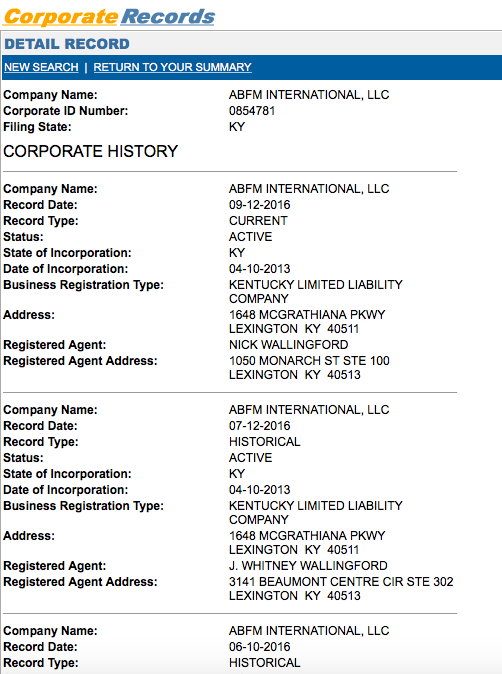
The ABFM Foundation is the controlling entity of ABFM Realty LLC (created in 2010) and ABFM International LLC (created in 2013), both based at the ABFM's office in Lexington, KY and lead by Dr. Puffer.

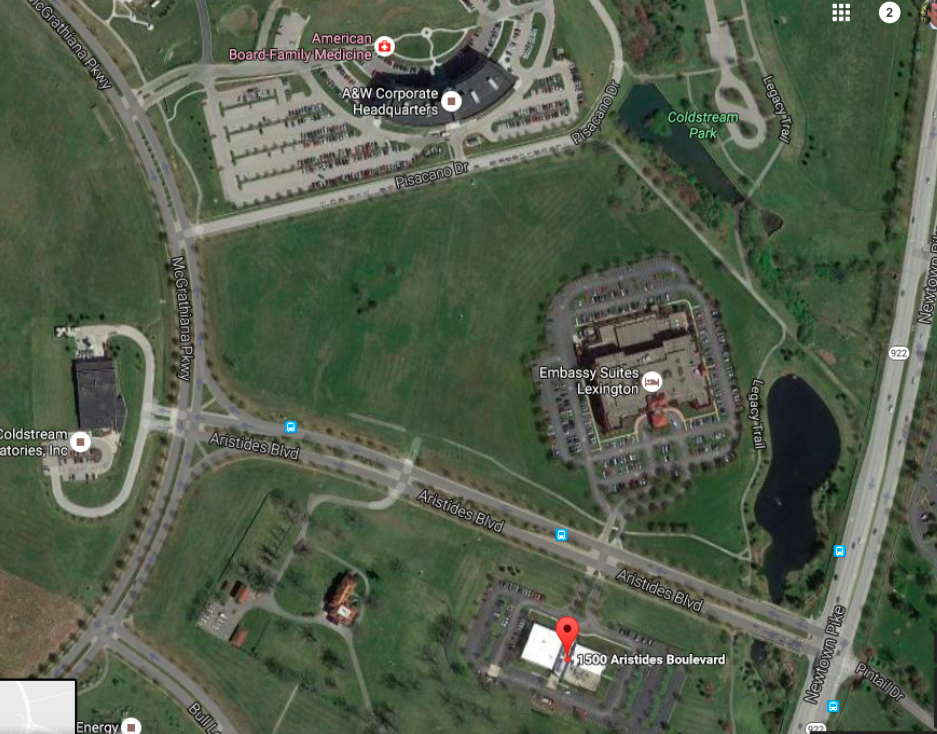
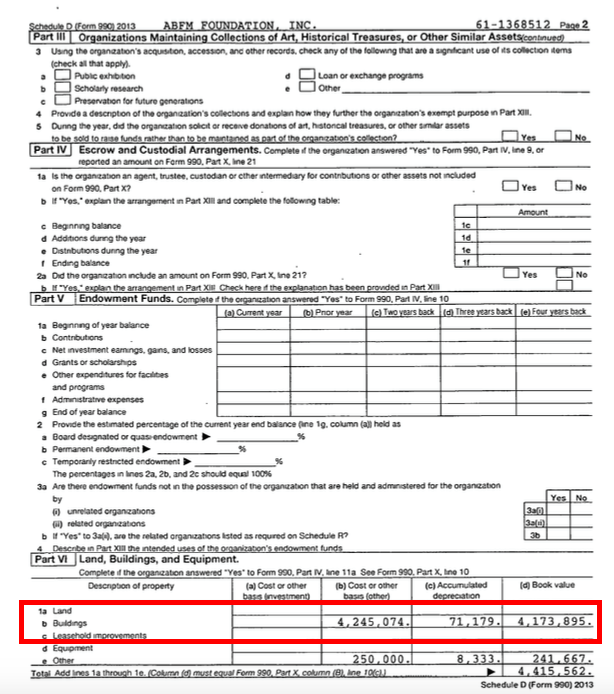
According to tax records, ABFM Realty LLC purchased a 22,793 square-foot office building (pictured here and whose location relative to the ABFM corporate headquarters is pictured here) at 1500 Aristides Blvd in Lexington, KY for $4,245,074 on June 26, 2012 from the $6,147,376 (page 11, Line 24a) of  diplomate fees "donated" by the ABFM to its Foundation that year. It appears this transaction happened about the time a large law firm, Bingham McCutchen planned to move hundreds of its employees to Lexington, KY the same year. The deal was consumated by a promise of $6.5 million in tax breaks from the Kentucky governor and anticipated revenues of $22.5 million over 10 years in rent and building improvements. Unfortunately, it seems Bingham was struggling financially and was "absorbed" just two years later by Philadelphia's Morgan Lewis and Bockius LLP law firm. Google's street view still shows Bingham's Global Services Center sign outside the ABFM's building as late as December, 2015. What this loss meant to the ABFM (and its many diplomates) is unclear, in part because to the best of my knowledge and belief this transaction was never been disclosed to ABFM's practicing physicians. Roger Bean, the Chief operating officer for ABFM at the time, "couldn't be reached for comment" either.

Here we are in late 2016 and the 2015 tax forms for the ABFM and the ABFM Foundation still have yet to be disclosed publicly.  Perhaps their recent real estate snafu explains why these forms aren't available and why the ABMS still feels compelled to continue the highly conflicted ABMS MOC program publicly in the Mayo Clinic Proceedings.

Or maybe Dr. Puffer is positioning himself as the heir apparent to the ABMS now that Lois Margaret Nora, MD JD has announced the end of her tenure at the organization.

One thing's for sure: with his editorial Dr. Puffer's own canary in the ABFM's MOC gold mine just died and many more US family physicians are now officially on notice.

-Wes


Tuesday, October 25, 2016

Are Hospitals Hurting Their Physicians?

It's becoming a near daily event for my email in-basket: receipt of another real-life story describing how the American Board of Medical Specialties (ABMS) and US hospitals are joining forces against capable doctors:
I am trying to find physicians in FL who have unfairly lost ABMS certification and as a result have been unable to find reasonable positions in Medicine.

I am a radiologist certified by ABR in 2002, the first year to require 10th year (re)certification. I lost my contract with a hospital in 2010 and took locums positions as I could find them after that. I have passed the recertification exam, for which I paid $2000, but because of short term locum positions, was not able to complete PQI requirements and consequently lost my certification. Now, unless I sign a promise to never sue the board (emphasis mine), I cannot even sign into my page on the ABR website to see my status. Since losing the certification the only work I have been able to find is a bottom-feeding imaging center where I earn less in a year than the MRI and CT technicians, while working 55-hour work week with no more than 3 unpaid weeks of vacation per year.

I am certified by the National Board of Physicians and Surgeons thru March of 2017 but this is not recognized by most locations. I was turned away at the door when I drove to NC after being invited to interview for a position. The reason -- the certification I had was not recognized except for by a handful of places.
What is going on?

It appears the ABMS Maintenance of Certification (MOC) recertification requirement is creating the situation where capable, experienced physicians are losing their job on the basis of this unproven "quality" metric.

I am sure similar stories are occurring elsewhere. There are only about 809,845 US physicians active in patient care nationwide. Many of these board-certified physicians, formerly a lifetime credential, are now receiving letters from their hospital credential committees insisting they recertify thanks to a unilateral rule change implemented in 1990 by the ABIM strictly for their financial benefit.

Why would hospitals (who need physicians to staff their hospitals) do this?

As usual, I believe it's about the money.

Many physicians are employed by hospitals that help train medical school graduates in their specialty. To do so, their post-graduate training program must be accredited and approved by the Accreditation Council on Graduate Medical Education (ACGME). Hospitals that are not ACGME "approved" cannot receive additional Medicare revenue for training these residents in medicine. The ACGME (and Joint Commission) accreditation process requires program directors to be ABMS board certified. And wouldn't you know: both the ABMS and JCAHO are member boards of the ACGME.

Appropriately experienced and trained physicians should have the right to work without having to pay into a corrupt system that funnels their money toward non-clinical executives' lavish salaries, luxury condos with chauffeurs, first class airfare, health club fees, and other delightful creature comforts, including world travel. I believe hospitals would be wise to side with their practicing physician staff on this issue. Don't hospitals need these experienced physicians to staff their clinics and to do the necessary work of training residents and caring for patients? Or do they just plan to hire less experienced (but cheaper) program directors instead? What would such a move mean to tomorrow's caliber of physicians?

How long before the growing frustration of residency training program directors swells to the point that they refuse to participate or just retire early?

I would hope that the leadership in the American Hospital Association (AHA - another member board of the ACGME) is considering these issues. Physicians unjustly targeted should come forward and join the AAPS anti-trust suit already filed against the ABMS. And currently employed physicians who have not yet had to endure this hassle should work with their Medical Executive Committees to incorporate alternatives to the ABMS MOC program in their hospital bylaws now.

-Wes


Friday, October 21, 2016

It Just Takes One

A physician pushes for reform in Maryland to make ABMS Maintenance of Certification (MOC) voluntary:
I have just got off the phone with Mary Beth Carozza, my State Delegate. Following in the wake of legal actions against MOC in OK, MI, Florida, and others, I expressed to her that I wish to have her champion legislation ending compulsory MOC in Maryland. The bill I’d offer basically says, if you wish to participate in Maintenance of Certification efforts, you are welcome to, if you do NOT, no employer, payer, etc. can use your board certification status to hire, fire, pay, not pay, promote, demote, etc. you. It makes MOC voluntary.

If you love MOC, truly believe that it’s improved the quality of your patient care, made you a better doctor, and that it’s completely worth the time, effort, and $$ you’ve invested, and you care not one bit how your board has used that tremendous surge in their income, then I apologize for having bothered you with this, feel free to delete without reading further.

If you disagree with the essentially obligatory nature of MOC, then the time has come for you to do something. ...
Read the rest here.

Each state can do this, and it just takes one dedicated physician at a time to move the needle. Kudos to Dr. Fernley.

-Wes