“Firms’ Health Clinics Cut Costs”
- Wall Street Journal, 9 Apr 2008As a business person interested in improving your bottom line, wouldn’t you want to read this? Such a catchy concept, isn’t it? Especially if you get to build a six million dollar facility to “cut costs.”
"On-site clinics have undergone a huge transformation," said Marne Bell, a senior consultant at Watson Wyatt. "There's much more emphasis on prevention."
Gone are the days when on-site clinics were the sole preserve of manufacturing companies that founded facilities to treat employees' work-related injuries. Some three in 10 large employers -- from financial firms to hair-care companies -- have on-site clinics, offering everything from primary care to travel medicine, pregnancy support and nutrition counseling. Walt Disney Co. just broke ground on a $6 million, 15,000-square-foot health-and-wellness center for employees at Walt Disney World.
Those consultants at Watson Wyatt are so clever. I’m seeing the savings, aren’t you?
I mean, more lunchtime walks and taking the stairs instead of the elevator really makes a difference. Just think, you might burn five more calories taking the stairs rather than an elevator and this
surely has been correlated with more days on the job, right? Or maybe the cost savings is because they never have to build any more elevators? (No, the disabilities folks won’t allow that.) And talk about savings, look at what most of these clinics do:
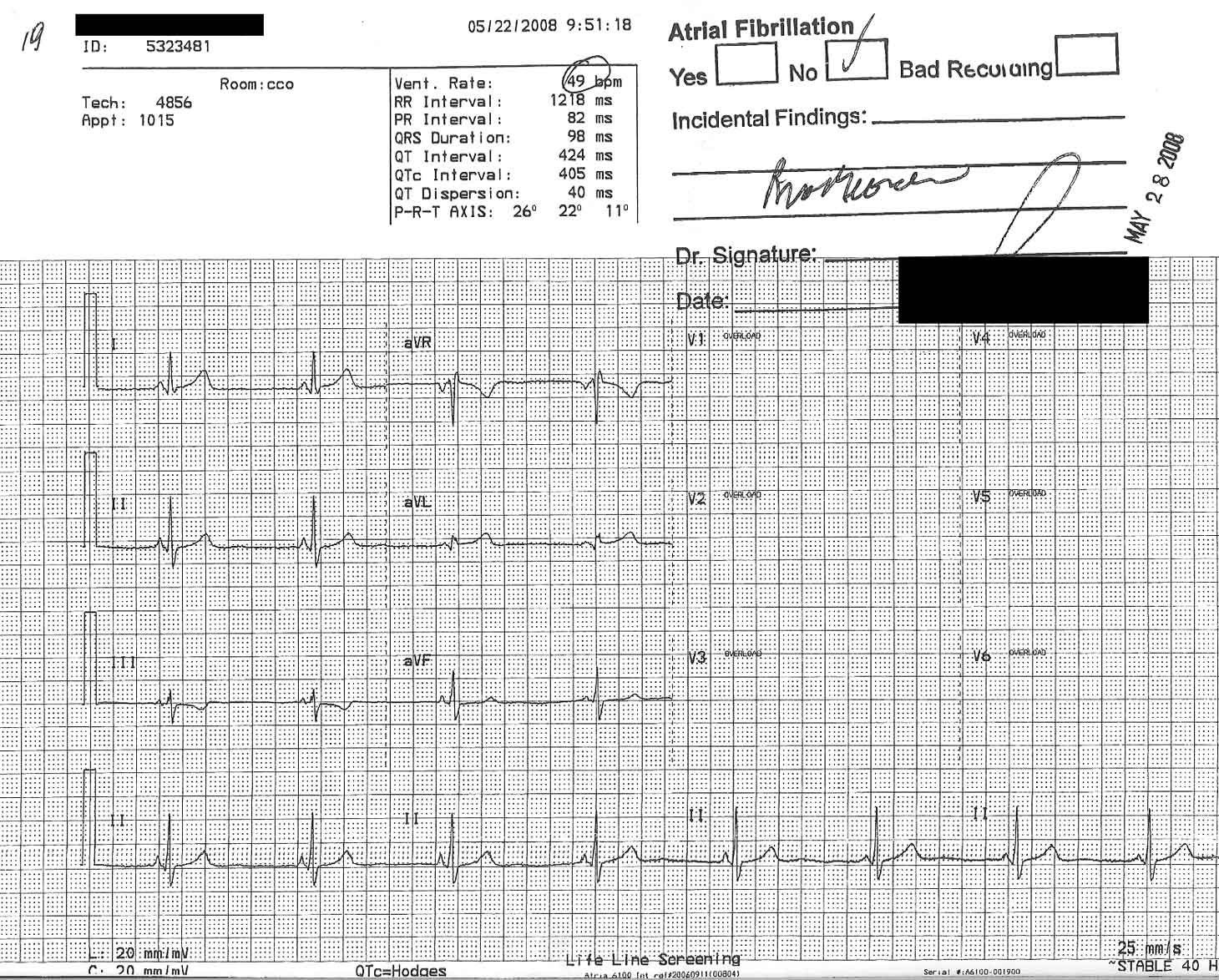
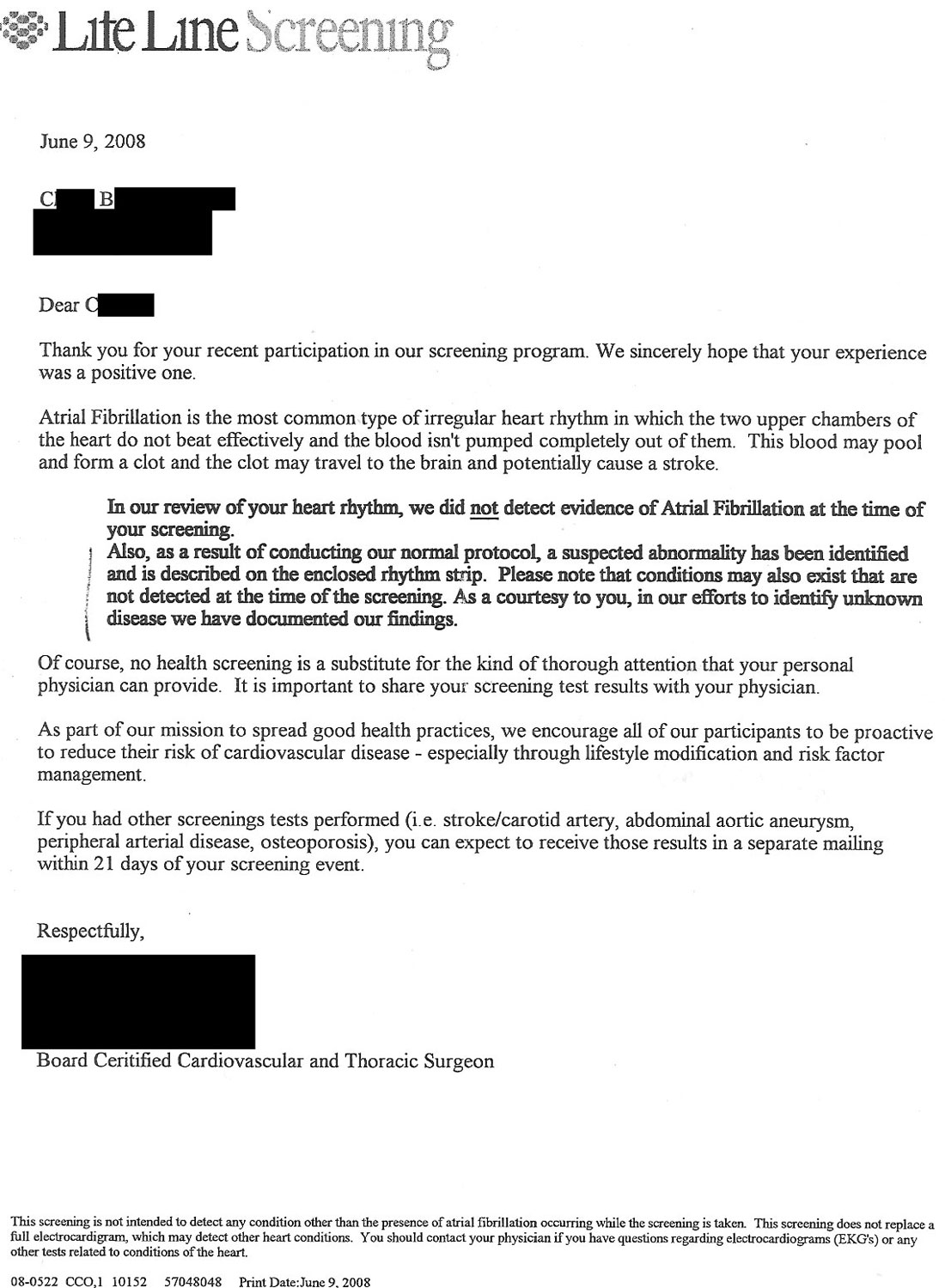
Preventive services, such as health screenings and immunizations, are the most common type at the latest wave of clinics, according to a recent survey by Watson Wyatt and the National Business Group on Health (WWBNGH).
Wow. Thanks for the info, WWBNGH! Screenings. Immunizations. I stand in awe. But I don’t know, don’t screenings require the worker to
leave work to get screened? And how much money is saved on those immunizations? I mean, I’ve HAD all of my immunizations when I was a child, and now I just need an annual flu shot or maybe an occasional tetanus shot, so how many immunizations would I need to get in those clinics to break even on the construction costs for one of those six-million-dollar clinics?
Or maybe, just maybe, there’s an ulterior motive at play:
Four in 10 clinics offer pharmacy services, making it easier for those taking medications to fill their prescriptions.
Because of employees' concerns about privacy, clinics typically are run by outside parties. For example, Pepsi Bottling Group Inc. has contracted with Johns Hopkins University School of Medicine to operate clinics at its plants. CHD Meridian Healthcare LLC and Whole Health Management, which recently were purchased by Walgreen Co., and Marathon Health are among the vendors that specialize in providing work-site clinics. Depending on the scope of services, clinics can be staffed by physicians, nurse practitioners, registered nurses in isolation or in teams that can also include specialists, such as nutritionists.
There we go. The money. It’s all in finding the disease, isn’t it? Testing. Testing. Testing. Testing. We’ve gotta be SURE folks don’t get sick, right? And pharmacy services? Oh, baby, now we’re talkin’ dough!
And it needn't stop there.
"We recognized that there was going to come a point where we couldn't pass on the additional cost of providing health care to employees," said Jeff Shovlin, vice president of benefits at Harrah's. "We concluded that the only way to control costs was by helping employees to get and stay healthy."
The clinic, which is open to employees and their family members enrolled in Harrah's medical plan, has extended weekday opening hours and is open half-days on Saturdays. Patients get faster medical attention and longer appointments, for which they pay $10 copays.
A major focus is to delve deeper into patients' medical issues, educate them about healthful lifestyles and direct them to wellness programs.
Ooops.
Mr. Shovlin slipped. He actually
said it: “We couldn’t just pass the additional cost of providing health care to employees.”
Oh, sure you can, Mr. Shovlin! Here’s how: by shovin' the concept of your “major focus” to “delve deeper into patient’s medical issues” to your employees! Just find those sick ones so you can remove them from your insurance pool or give them a higher premium! What a deal! You see, that’s how business works, Mr. Shovlin! You scratch my back and I’ll scratch yours. That’s right, Mr. Shovlin, if you find the sick patient’s for your insurer, we’ll give you a lower price on your policy with them.
Money, money, money.
Oh, baby, you gotta
love "
wellness" and those 12,000-square-foot gyms!
So here's the question: when a patient gets cancer, how exactly does your clinic and gym cut costs?
-Wes