The public wasn't supposed to know.
Neither was the Internal Revenue Service (IRS).
According to the American Board of Internal Medicine's (ABIM) most recent tax forms, they never participated in lobbying, nor spent money to do so.
Yet, according to public record, it appears the ABIM most certainly did lobby Congress as a 501(c)(3) organization and has repeatedly failed to disclose this reality to the IRS.
The ABIM's Lobbying Disclosures
Here's the information the ABIM filed with the IRS on their most recent "audited" 2013 Form 990 which includes expenses paid from 1 July 2013 to 30 June 2014 as a 501(c)(3) organization:
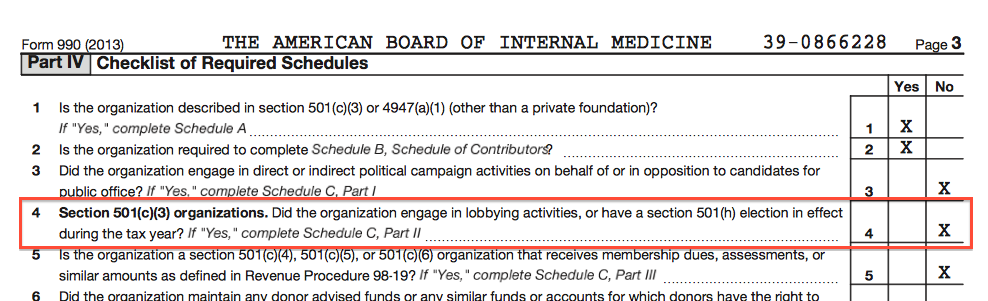 |
| ABIM 2013 Form 990 Lobbying Disclosure (Click image to enlarge) |
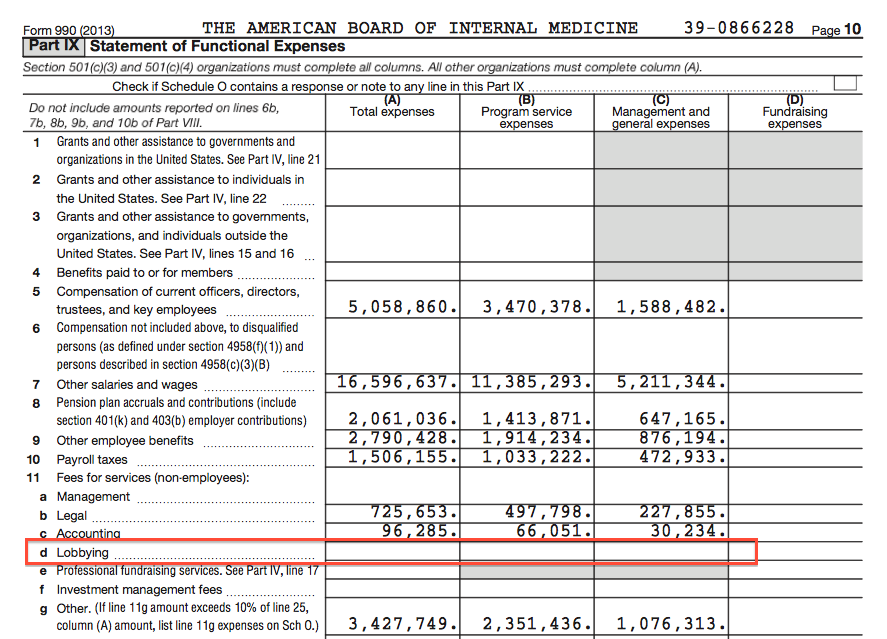 |
| ABIM 2013 Form 990 Itemized Lobbying Expenses (Click image to Enlarge) |
The ABIM's History of Lobbying
But searching OpenSecrets.org, a website dedicated to transparent government spending, it seems the ABIM spent quite handsomely on lobbying during its fiscal year 2014:
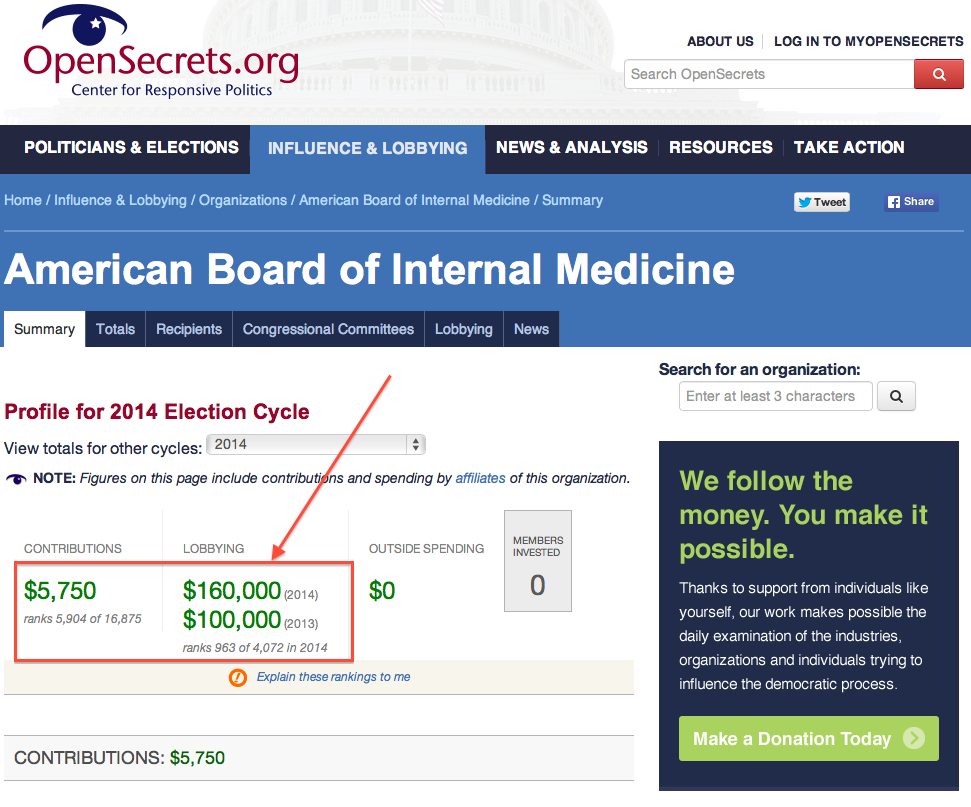 |
| ABIM Lobbying Expenditures for 2014 Election Cycle (Click image to enlarge) |
In fact, the ABIM has been lobbying for years (and continues to do so):
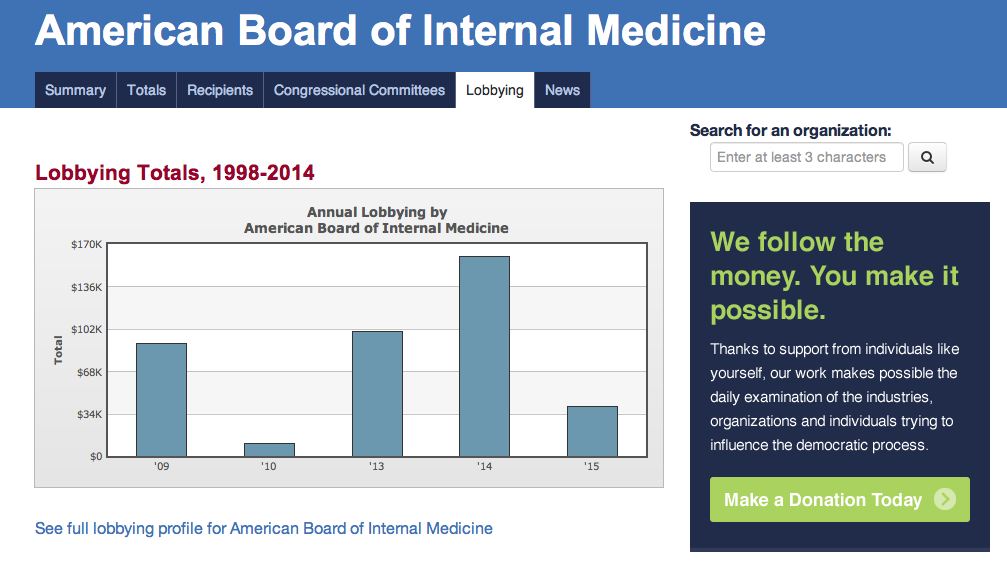 |
| ABIM's History of Lobbying since at least 2009 |
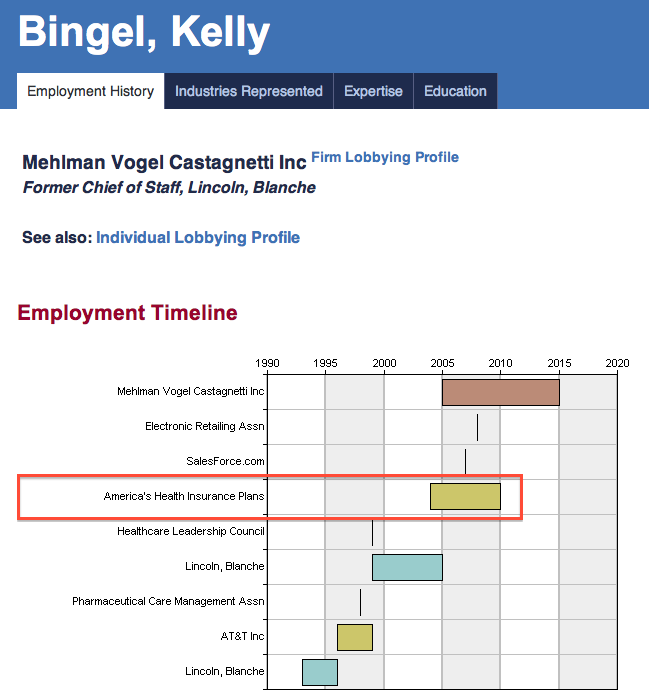
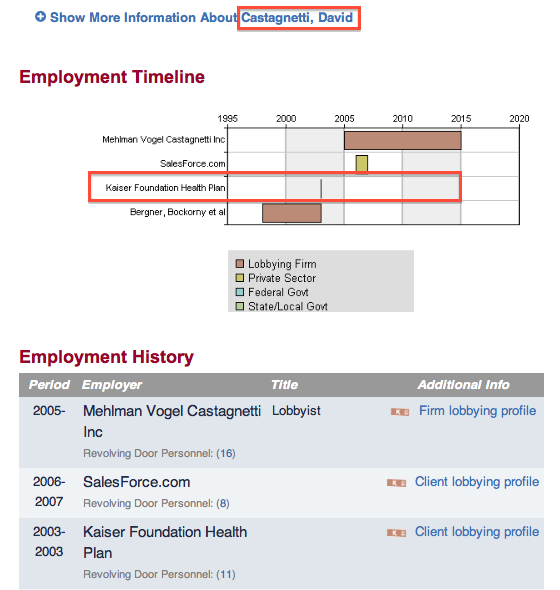
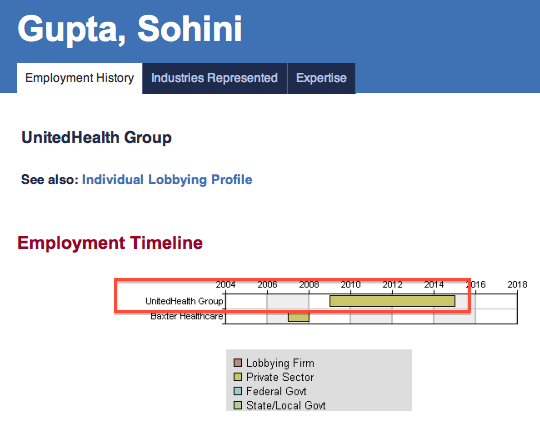
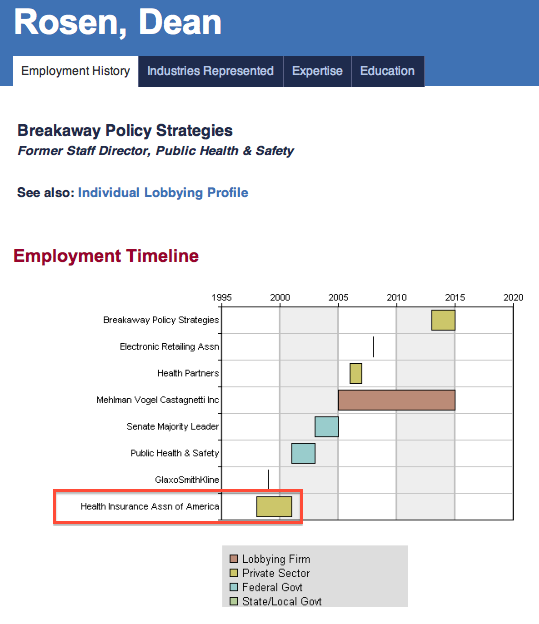
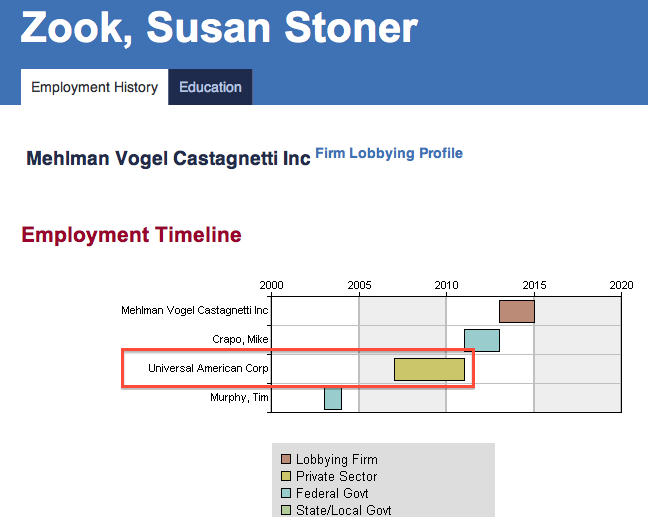
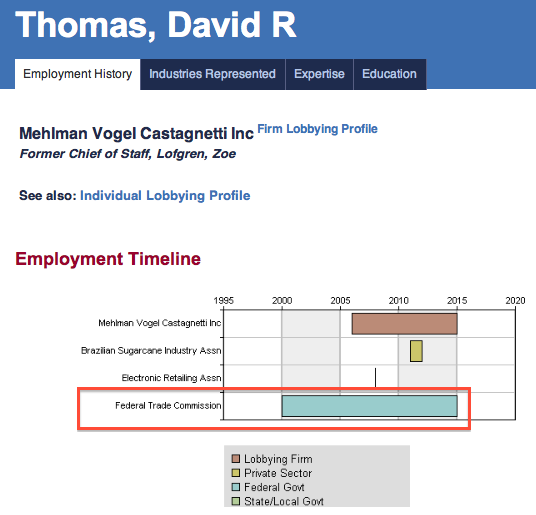
When we delve into who the ABIM paid for these lobbying efforts, we find even more interesting information. In 2014, the lobbying firm used was Mehlman Vogel Castegnetti, Inc. (Vogel later spun off in 2014 to create his own lobbying firm and the new firm is now called Mehlman Castegnatti Rosen Bingel and Thomas) and used the following list of lobbyists:
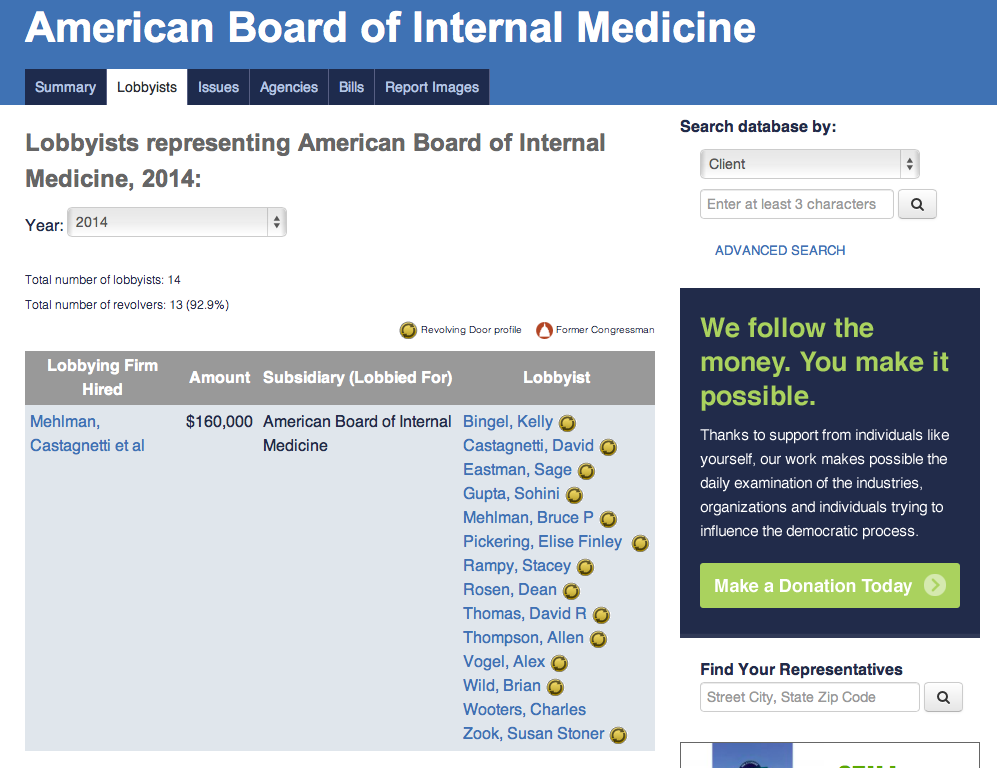 |
| ABIM Lobbying Firm in 2014 (Click to enlarge) |
These revelations are important. Recall that the American Board of Medical Specialties (of which the ABIM is but one of 24 "member boards") was magically inserted into Social Security Act 1848 (k)(4) that deals with physician payment with passage of the Affordable Care Act in 2010. More recently in January of 2014 changes made to the ABIM's Maintenance of Certification (MOC) program that force doctors to pay them to remain "board certified" in good standing so they can remain credentialed to practice medicine with their employing hospital system and to receive insurance payments.
On January 1, 2014, the Organization revised the nature of the MOC program. The MOC program is now a continuous program based on a calendar year. Upon entering the MOC program, a diplomate must actively maintain their certification by completing certain requirements. These requirements are expected to be completed every two, five and ten years. Candidates choose to pay annually or to prepay for ten years for access to the program.At the same time, CMS offered a payment incentive to physicians for participation in MOC. Given the lobbying efforts uncovered here, no longer is the collusion between the ABIM 's MOC program and influential government personnel or agencies just a theory, it now appears (based on public record) to be a very real possibility. The ABIM's long-standing unreported lobbying history raises the very real possibility that the more recent leadership of the ABIM has been more concerned about creating a financial monopoly for itself (and trying to hide it) rather than truly improving patient care.
Further Questions Regarding the ABIM's Auditor
The auditing firm McGladrey, LLC, appears to have audited he most recent financials for the ABIM. Their "responsibility statement" in the ABIM's financials states:
Our responsibility is to express an opinion on these financial statements based on our audits. We conducted our audits in accordance with auditing standards generally accepted in the United States of America. Those standards require that we plan and perform the audit to obtain reasonable assurance about whether the financial statements are free from material misstatement.Now I'm just a practicing cardiac electrophysiologist here in the United States, not an auditor and I have no idea what "opinion" was actually "expressed" to the ABIM board members by McGladrey's auditors. But if I can find these financial and tax filing discrepancies (among others) thanks to the wonders of the internet, I think the ABIM and the ABIM Foundation needs a new auditor...
… like maybe the IRS or the Office of the Inspector General of the Department of Health and Human Services.
-Wes
Addendum: On 6/30/2015, a Lobbying Report was filed by the ABIM in accordance with the Lobbying Disclosure Act of 1995 (Section 5) terminating the ABIM's relationship with their lobbying firm Mehlman Castagnetti Rosen Bingel & Thomas, Inc.