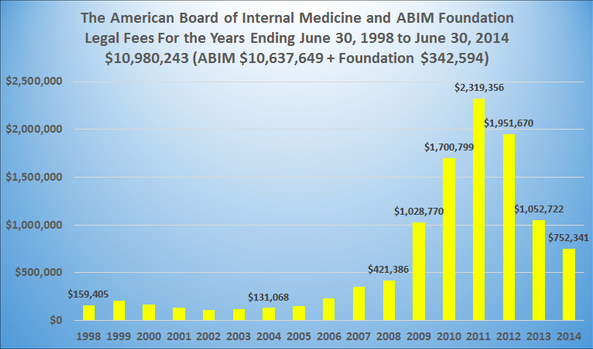
Physicians' best approach to collapse the current ABMS monopoly on credentialing standards remains mass non-compliance.
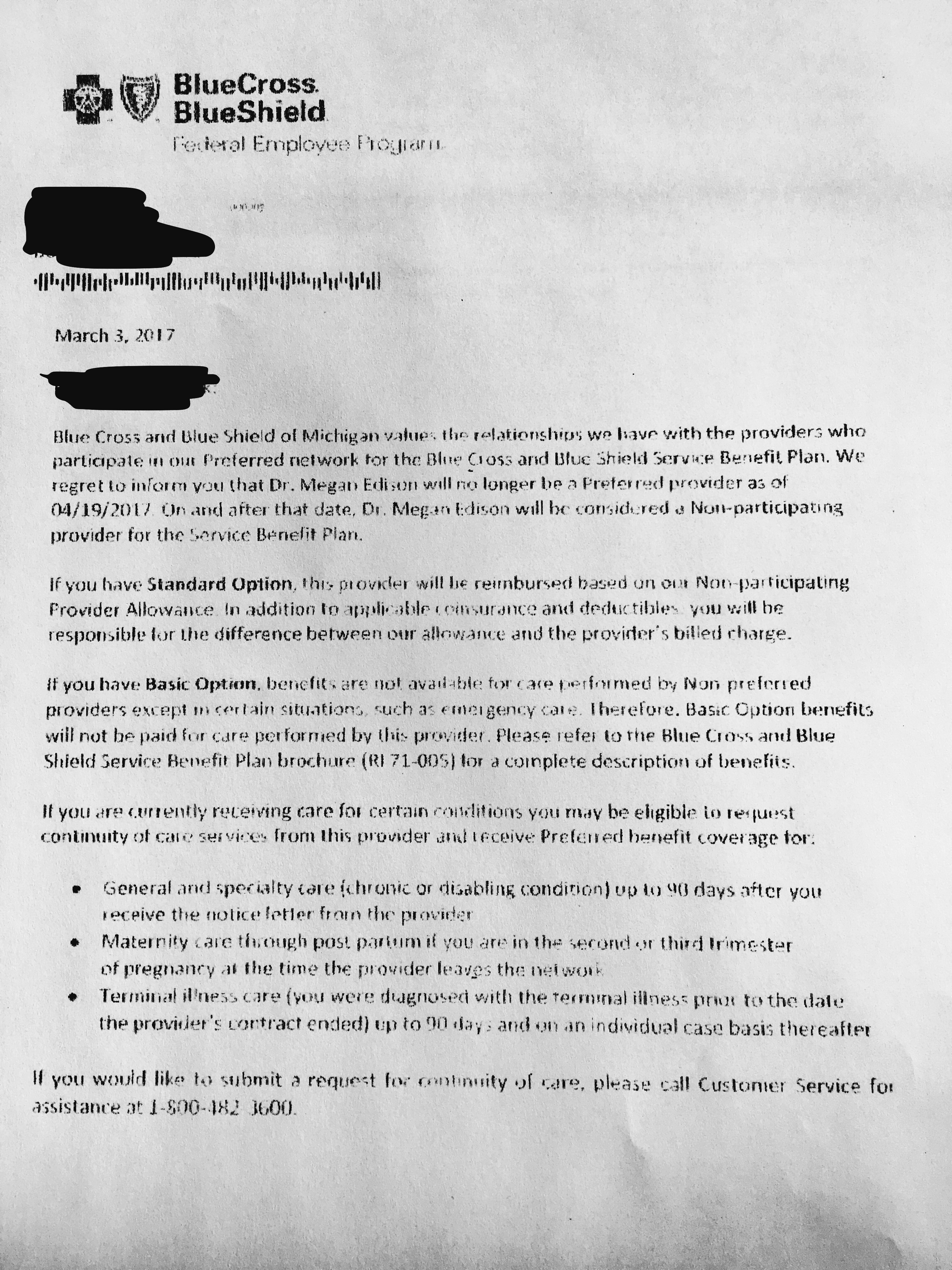
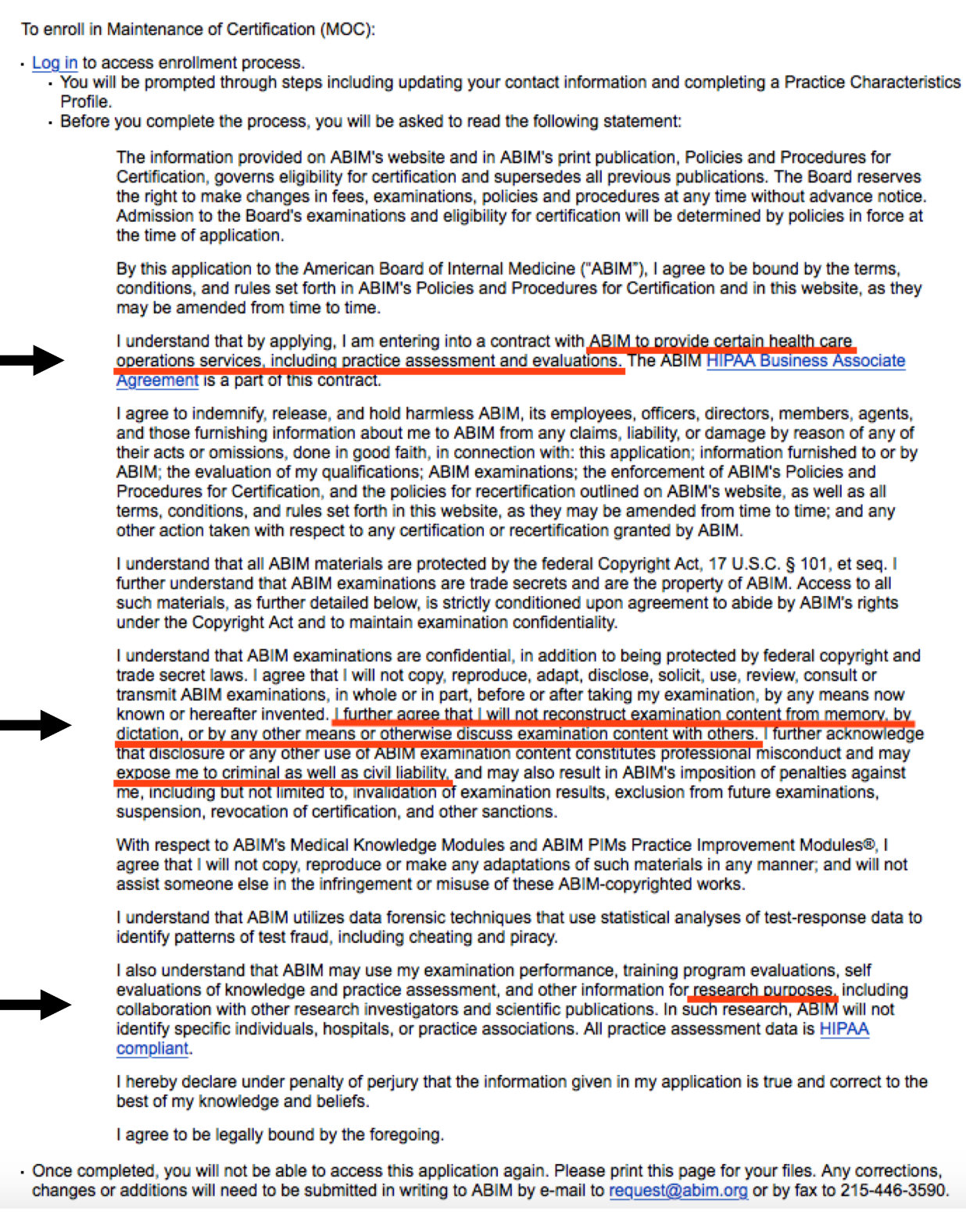
Employed physicians (like myself) are finding noncompliance impossible without jeopardizing their employment, since many hospitals require their physicians to be "board certified" in their specialty. Since ABMS no longer "recognizes" lifetime certification as a valid credential (except for older "grandfathered" physicians who obtained their board certification before 1990), younger (more economically vulnerable) physicians risk the loss of employment if they do not participate in MOC and agree to the ABMS's "HIPAA Business Associate Agreement," becoming little more than data entry clerks for the lucrative insurance, pharmaceutical, and hospital industries.
Is this really what our patient's want?
I don't think so. Most patients I know would like to see their doctor look them in the eye rather than at a computer screen. Most want to be viewed as humans rather than a data profit center. And all of them want to spend more than 8 minutes with their physician.
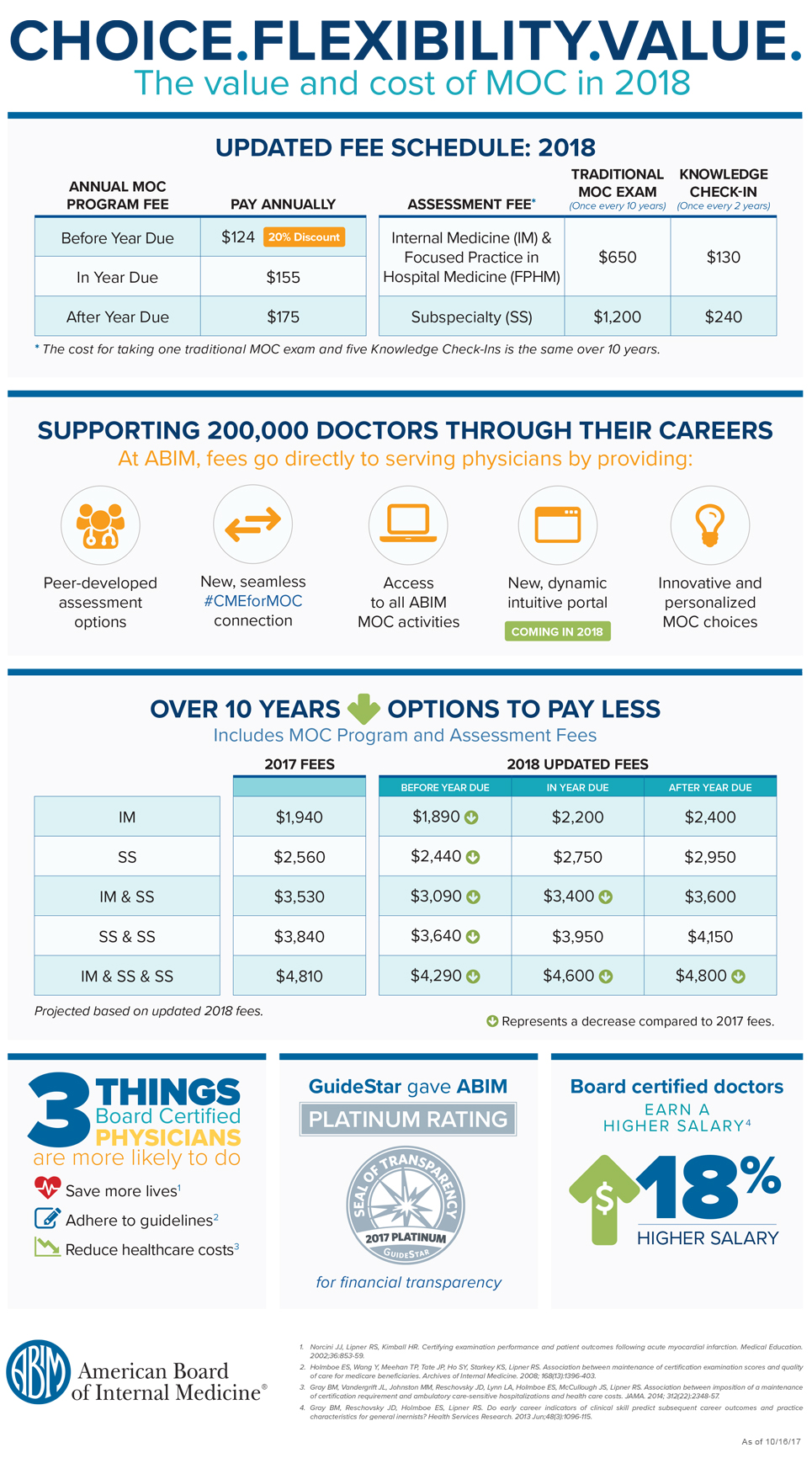
So how do physicians combat MOC? How do we preserve our ability to work without having to make extortion payments to the ABMS and their member boards just for their political and personal benefit?
The fight against MOC continues on many levels, but it is a long, difficult, and expensive David-vs.-Goliath battle:
- The development of an alternate certification board that is affordable and does not require physicians to comply with the ABMS/ABIM HIPAA Business Associate Agreement and comprised of highly-respected unpaid members of the physician community who understad the conflicts of interest inherent to the ABMS member board construct and is gaining acceptance hy hospitals accross the country.
- State-by-state legislation efforts outlawing the use of MOC as a condition of insurance panel participation, hospital privileges, or state licensure.
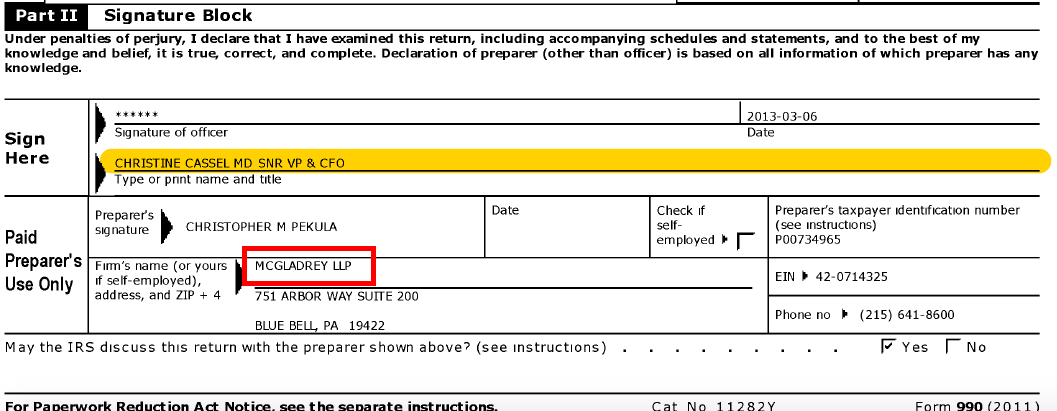
- Persuing other legal avenues, including anti-trust and class action suits against members organizations of the Accreditation Council for Graduate Medical Education, among others.
I would encourage employed physicians who are given a professional stipend from their hosptial systems for professional society memberships to seriously consider using some of those fees to join Practicing Physicians of America in lieu of other conflicted professional and subspecialty organizations as we continue to push back against the MOC mandate (an example of to testimony and evidence provided the Ohio Health Committee here). Other areas to contribute include becoming certified by NBPAS or contributing to their advocacy efforts. It costs nothing to join the Facebook group Physicians Working Together, too. That group offers lots of productive ideas on how we can work collectively to restore the integrity of our profession.
It is only through a corrodinated effort from a large portion of the working physician community that our freedom to truly work in our patient's best interest without unnecessary and unproven third party interference can be restored.
-Wes





.png)
.jpg)