Thursday, May 02, 2019

Physician Plaintiffs Counter ABIM's Motion to Dismiss

Following the Dec 6 2018 filing of a class action antitrust lawsuit against the American Board of Internal Medicine (ABIM) by four internal medicine physicians (that was later amended to include fraud, RICO and unjust enrichment claims), the ABIM filed a motion to dismiss the physicians' Complaint. Much of their argument hinged on the ABIM's supposition that
"... plaintiffs cannot establish that initial certification and MOC are two separate products capable of being tied; plaintiffs’ own allegations demonstrate that initial certification and MOC comprise complementary, continuous components of ABIM’s certification. They are not separate products. For that reason as well, plaintiffs’ claims that ABIM has unlawfully created and maintained monopoly power in violation of Section 2 of the Sherman Act fails. Because they have not met their burden of plausibly alleging the tying of two products, they cannot point to any unlawful (i.e., anticompetitive) conduct.
In defense of their argument, the ABIM attorneys attempted to use two franchise analogies citing Krehl v. Baskin-Robbins Ice Cream Co. and the rejection of a tying claim brought by a Subway franchisee to plead the case that initial certification and MOC are not separate products, but rather one product.

On 30 April 2019, the plaintiffs' opposition to ABIM's Motion to Dismiss was filed. The plaintiffs' attorneys wasted no time countering ABIM's motion to dismiss (starting on page 2 with references removed):
"ABIM relies mostly on franchise cases to argue MOC is not a separate product. Putting aside for the moment that all of the cases it cites were decided on a fully developed factual record at summary judgment or after trial, ABIM’s franchise analogy misses the mark. Physician care is not Baskins Robbins ice cream, and patient treatment is not a Subway sandwich. Hence, the notion that ABIM can force MOC on internists in service of an illusory nationwide standard unilaterally imposed by ABIM offends the free market principles that are the hallmark of medical care in this country. Plain and simple, MOC is a failed and extremely costly product that ABIM, using its undisputed market power, forces internists to buy. Its exploitation of internists is further aggravated because while ABIM deceptively wraps itself in the mantle of self-regulation, it has no legislative, regulatory, or administrative authority at all and answers to no one, and certainly not to the internist community it misleadingly claims to be self-regulating."
Read the whole rebuttal.

-Wes

P.S.: Unless you feel your medical practice is  just a fast food franchise, please support the physician-plaintiffs in this important legal effort to end MOC nationwide for all subspecialties. 

Sunday, April 14, 2019

The Powerful Counterrevolutionaries

There's an amazing thread developing on Doug Farango's Authentic Medicine blog post titled "The AAFP Loves the ABFM and Sleeps Right Alone Side Them." It started with Elizabeth Baxley's "Fact Check" comment suggesting the Family Medicine Certification Longitudinal Assessment (FMCLA) program was not another version of Maintenance of Certification (MOC). Dr. Baxley failed to disclose she served on the American Board of Family Medicine Board of Directors from 2013-2018. Here's the comment from "Steve O'" in response:
April 13, 2019 at 11:04 pm

C’mon. You got to compliment someone for running a shakedown racket, and they got pigeons to pluck who are easily intimidated and got a lot to lose. I like Dr. Baxley’s protest that FMCLA is a different word salad than MOC. She distracts us with irrelevant trivia about the differences.

Here’s what the big picture is. Doctors are worse than nuisances in the new industrial medical chain. They use their accumulated experience and independent principles to decide what to do for the patient. This is – counterrevolutionary behavior. Industrial Pharma makes it, Corporate Pharma distributes it, the Insurance/CME cabal creates the algorithms for every possible treatment. Doctors are the ISIS, the al Qaida of the system. They’ve got to be cleared out at any cost.

Making them memorize the rules and vomit them out on command is what doctors are for. And they should be paid like store clerks. In fact, once the FDA has blessed algorithmic prescribing, Doctor Watson, the driverless car of medicine, will be rolled out. Driverless cars crash. Algorithmically-driven planes have a serious gravity problem. No-brain prescribing will cause countless deaths. But since it’s computers, no more “human error,” right?

You ought to watch the timeline of the Chernobyl disaster. It shows some quite intelligent, experienced and insightful engineers bending to the rules, to avoid getting fired and sent off to Siberia. Only two went to prison for breaking the rules, and a few died. Not a bad outcome, eh? There were at least a dozen times when an engineer couldn’t hold it anymore, and said, “We have to stop this or the plant will blow up!” They were easily shut down by bullying and intimidation. Who can say which possible outcome is better – sticking with the system, or acting like a loose cannon? Mistakes were made – but mistakes happen. Sorry.

That’s the kind of doctors that the machine wants to install in American medicine. Thanks Betsy and Shawn. When the lid comes off, you can always run around like squirrels and say, “Why didn’t anyone let us know?” “It’s not my fault, my support personnel lied to me!” “We were only trying to do the absolute best for patients!” Thanks, comrades.
MOC, FMCLA, CMP, MOCA. The Machine's lucrative alphabet soup.

The physician counterrevolution is growing.

-Wes

Friday, April 12, 2019

Physicians Are Eagles Who Believe They Are Chickens

Chicken or Eagle?
Image by Wes Fisher MD
(Click to enlarge)
There are 800,000 physicians in America and more than 80% believe the Maintenance of Certification process, known as MOC, has no clinical value for patients. For the first time in the history of our profession, physicians have a fighting chance to topple a Goliath-esque organization, the American Board of Medical Specialties (ABMS).

In a 2018 survey conducted by Merritt-Hawkins, 78 percent of physicians said they experience some symptoms of professional burnout. Physician burnout is a public health crisis which threatens the health and well-being of all patients.

A burned-out physician reminds us of the fable about an eagle who believed he was a chicken.

When the eagle was small, he fell from his nest. A chicken farmer found the eagle, brought him to his farm, and raised him in the chicken coop with his chickens. The eagle grew up living like a chicken, doing what chickens do, and believing he was, indeed, a chicken.

One day, a visitor came to the farm and was surprised to see an eagle --considered the king of the sky-- strutting around the chicken coop, pecking at the ground, and acting like a chicken. The farmer explained that this bird was no longer an eagle, instead he was a chicken because he was trained to be a chicken. The man knew there was more to this great bird than “pretending” to be a chicken. He was born an eagle and had the heart of an eagle, and nothing could change that. The man lifted the eagle onto the fence surrounding the chicken coop and said, “Thou art an eagle. Stretch thy wings and fly.” The eagle looked at the man and glanced down at his home among the chickens in the chicken coop where he was comfortable. He jumped down off the fence and did what chickens do.

The farmer shrugged and said, “I told you he is a chicken.” The visitor returned the following day and tried again to convince the farmer and the eagle that he was not a chicken. He took the eagle to the top of the farmhouse and said: “Thou art an eagle. You belong to the sky and not to the earth. Stretch your wings and fly.” The large bird looked at the man and then glanced down at the chicken coop. He jumped onto the roof of the farmhouse and returned to the place where he felt safest.

The visitor asked the farmer to let him try one last time.

The next morning, the visitor returned and took the eagle and the farmer to the foot of a high mountain. They could not see the farm nor the chicken coop from this new place. The man held the eagle on his arm and pointed into the sky where the bright sun beckoned and said: “Thou art an eagle! You belong to the sky and not to the earth. Stretch your wings and fly.” This time the eagle stared skyward into the bright sun, straightened his body, and stretched his powerful wings. His wings moved, slowly at first, then surely and confidently. With the mighty screech of an eagle, he flew.

Because he was an eagle.

This past December 2018, four brave internal medicine physicians --recognizing they are eagles-- filed a lawsuit against the American Board of Internal Medicine, the largest ABMS member board, for harm they endured from the Maintenance of Certification process. Practicing Physicians of America has set up a fund to support our colleagues who are fighting this battle and need the support of fellow physicians.

Merely 1324 physicians, out of 800,000 in the US, have contributed to the legal fight against the onerous MOC process, despite the fact that it is reviled by the majority of doctors. Physicians members of the American Board of Radiology and the American Board of Physical Medicine and Rehabilitation have filed lawsuits of their own regarding violation of anti-trust laws.

Why are so few of our fellow physicians standing up when given the chance?

Unfortunately, physicians often choose consistency over happiness. If you’re used to being abused, ignored, or exploited, it’s strangely comforting to remain in the chicken coop and peck at the ground. These physicians are just like the eagle who believed he was a chicken.

Maybe physicians prefer the devil they know to the devil they don’t know. Maybe physicians are terribly uncomfortable at the prospect of failure. Maybe physicians believe it is better to control failure than be blindsided by it. Physicians are standing on the mountain and being asked to spread their wings and fly. What is stopping us?

The possibilities for the future of our profession are endless if we can win against the American Board of Internal Medicine. If there were ever a time to join the fight, it is now. Surely $100, $200 or even $500 is not too much to contribute to support our talented physician colleagues who have been harmed by MOC.

Now we are asking every physician in America, are you a chicken or are you an eagle?

- Niran Al-Agba, MD and Westby G. Fisher, MD

Drs Niran and Fisher and unpaid board members of Practicing Physicians of America.

Wednesday, April 10, 2019

Schulman: End This Maddening Waste of Time for Rhode Island Doctors

From an opinion piece published earlier by internist Howard Schulman, MD in the Rhode Island Providence Journal:
"I am writing to give the physicians’ perspective on bill H5247/S301 that gives physicians a choice, by medical staff vote, on “maintenance of certification.” (MOC) The organization that sells this certification says it is voluntary, but in fact, for most physicians, is mandatory. Maybe 100 years ago, when this testing began and there was absolutely no supervision of physicians, this “certification” served a purpose.

But that is not the case today. We have the Department of Health, Department of Medical Licensure, malpractice attorneys, the health-insurance companies, the newspapers, social media and the Internet, and hospital credentialing and specialty departments waiting to pounce on any mistake or misstatement we make, never mind ever more informed and empowered patients and families.

Until recently, physicians tolerated the initial certification as just another traditional “hoop” to jump through, but this recent attempt at “maintenance” of certification went overboard. Being a doctor is much more than filling in the dots on a computer screen. We find the huge number of hours of read-a-paragraph and fill-in-the-dot testing a huge waste of time. Physician burn out is already a problem, and this testing is just one more straw on the camel’s back.

* * *

I urge fellow physicians to contact their legislators and the Rhode Island Medical Society to tell them to vote in favor of bill H5247/S0301. I also urge our legislators to talk with their own physicians to understand the negative impact this required maintenance of certification testing has had."
Rhode Island physicians can also help by supporting the litigants who filed a class action lawsuit against the American Board of Internal Medicine because of MOC.

-Wes

Tuesday, April 02, 2019

What Do Working Cardiologists Really Think About the ACC's CMP Pathway?

What do US cardiologists and electrophysiologists REALLY think about the American College of Cardiology's (ACC) heavily-promoted collaboration with the American Board of Internal Medicine (ABIM) to create their "Continuous Maintenance Pathway" (CMP) for continually maintaining their ABIM board certification?

That's a question I wanted to know, so I helped create a quick 5-minute survey on the matter open to US cardiac electrophysiologists, cardiologists, and heart failure specialists.

I hope to have the results compiled by the Heart Rhythm Society in May, 2019.

I look forward to your responses and thoughts. Additional comments regarding the CMP program not covered in the survey can be left in the comments on this blog post.

Thanks-

-Wes

Monday, April 01, 2019

From MOC to CC: Neurosurgeons Fed Hopium

Even the physicians who we trust to do brain surgery can't be trusted to determine their own education or the skills they need to dive into a patient's skull. Instead, the AANS Neurosurgeon says they need is a "paradigm shift" to pay the American Board of Neurological Surgery (ABNS) much higher fees and do meaningless bureaucratic busywork annually:
"Obviously, by moving from a 10-year process to an annual process, there will be increased costs to diplomates in order to comply with the new ABMS directives; however, neurosurgery, as a smaller specialty, benefits from having a Board that is revenue neutral, thrives on volunteerism and has worked hard to keep costs as low as possible. These newborn costs are hopefully offset by the CME credits gained and the increased benefit to our patients gained by maintaining best practice standards."
The Maintenance of Certification (MOC) to Continuous Certification (CC) sleight of hand is being sold to neurosurgeons as "hopium." Thousands of dollars in fees must be paid the the ABNS so that neurosurgeons can "hopefully" offset their costs by the CME credits they receive and feel good those dollars benefit their patients.

Unreal.

Welcome to the fight, neurosurgeons.

-Wes

Wednesday, March 27, 2019

Physician's Week

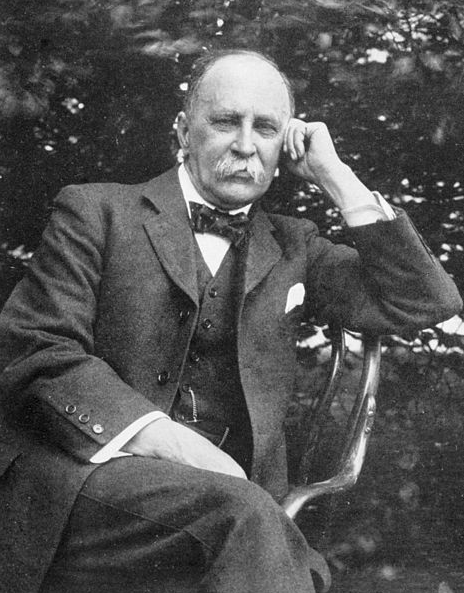
William Osler

"When schemes are laid in advance, it is surprising how often the circumstances fit in with them."

"To study the phenomenon of disease without books is to sail an uncharted sea, while to study books without patients is not to go to sea at all."

"The philosophies of one age have become the absurdities of the next, and the foolishness of yesterday has become the wisdom of tomorrow."

"Common sense in matters medical is rare, and is usually in inverse ratio to the degree of education."

- William Osler
"Physicians Week" has begun but you might not have known it. I suspect most physicians were busy seeing patients and many didn't stop for lunch, or ate what they brought to work while staring into a computer screen, trying to catch up on patient and staff messages, wiping a bleary-eyed tear from the corner of their post-call eyes, and clicking on hundreds of electronic orders placed by others on their behalf. Such is medicine now: an isolating, mind-numbing, depersonalizing series of clicks. It's hard to get excited about a week devoted to you when you can't get all the finger work done. How far we have traveled from the days of Osler's teachings!

Officially, March 30th marks "National Doctor’s Day" in the United States. National Doctor’s Day was started by Eudora Brown Almond in 1933. The date was chosen to mark the date that Dr. Crawford Long, in 1842, first used ether to anesthetize a patient and painlessly excised a tumor from his neck. Mrs. Almond, the wife of a doctor, wanted to create a day to recognize physicians. She did so by mailing greeting cards to doctors and placing flowers on the graves of deceased doctors. The day was later expanded to "Physicians Week" in March 2017 by Drs. Marion Mass, Kimberly Jackson, and Christina Lang who applied to officially have "Doctor's Day" changed to "Physicians Week."

Healthcare today is more complex than ever before. Our role as working physicians is critical to families, individuals, and their loved ones. It is an incredible privilege and responsibility. Yet, we are faced with new and growing challenges, many caused by greed and "the foolishness of yesterday." Much of the last five years of mine has been spent educating other physicians about this issue on this blog's pages.

Despite these efforts, the American Board of Medical Specialties (ABMS) Maintenance of certification (“MOC™”) requirements and costs continue to grow. They sap our time and resources, making us less available to our patients as we increasingly must "study books without patients." Meanwhile, the organizations behind MOC™ and their substantial resources remain unchecked.

The American Board of Internal Medicine (ABIM), the largest ABMS member board, has recently filed a motion to dismiss the case challenging MOC™ and similar motions are expected in the cases against the American Board of Radiology (ABR) and the American Board of Psychiatry and Neurology (ABPN) in the next month or two. The boards have legions of attorneys lined up to defend their conduct and millions of dollars with which to pay them. Your contributions, thus, remain critical in our fight.

So take a moment and really reflect on Osler's words above.

In honor of National Physicians Week (and National Doctor's Day), I ask you to help me by donating now to get us to the next stage of the lawsuits against MOC™. If you have already given, please consider giving again, as I have done. And please promote our cause to your friends and colleagues. If each one of us can invite just two or three new donors to read about our fight and contribute, we could reach our latest goal, which is to have 1,000 new donors contribute $200 each. These contributions will go directly to continuing our legal fight against MOC™. 100% of your contribution goes toward funding the lawsuits (less third-party credit card processing fees).

Many have had concerns of repercussions to themselves should they contribute. If you wish to keep your participation private, you can designate your contribution as anonymous too. As before, you also have the option to add a “tip” to help GoFundMe maintain its platform. Any “tip” is entirely voluntary, goes directly to GoFundMe, and will not be applied to our goal.

For those wanting to send a check in lieu of using the GoFundMe page, please earmark your check for "Legal Fund" and send it to:

Practicing Physicians of America, Inc.
876 Loop 337, Building 101
New Braunfels, TX 78130

We could not have reached this point without you, and I hope you will continue to help in the fight to take down MOC™ -- for your own benefit and the benefit of your patients.

-Wes

(aka, Westby G. Fisher, MD
Member, Executive Board
Practicing Physicians of America, Inc.)

Sunday, March 24, 2019

Suddenly, Some Specialty Societies Might Be Listening

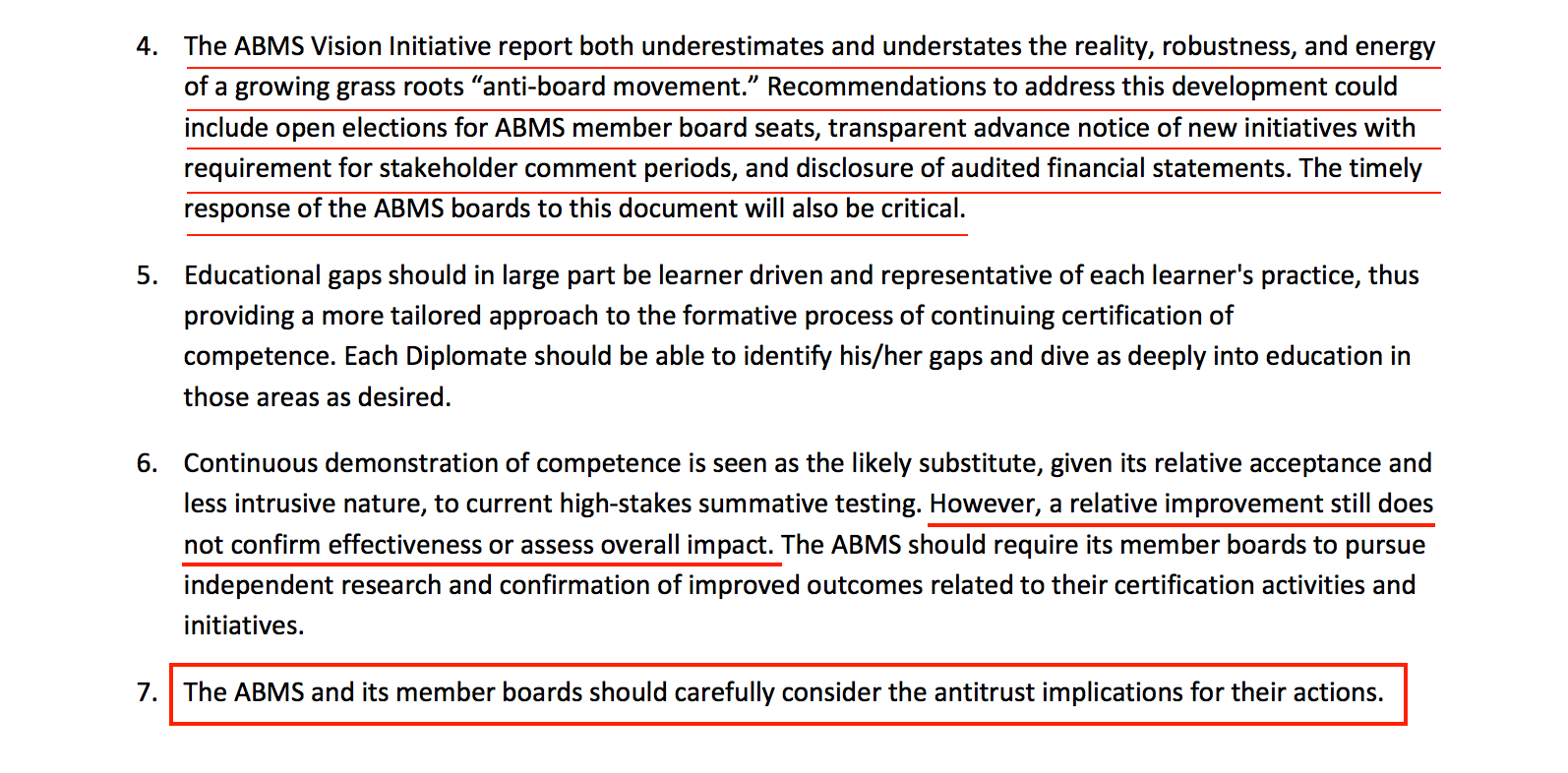
From the American College of Radiology blog:
"In response to a recent request from the American Board of Medical Specialties (ABMS), the (American College of Radiology) ACR created a work group to comment on a report on the status of (Maintenance of Certification) MOC® across all specialties. That group worked tirelessly over the winter holidays to prepare a detailed comment letter (ed. note: a portion of which is highlighted here):"

(Click to enlarge)
The blog post continues:
"The ACR also signed on to a letter from the Council of Medical Subspecialty Societies (CMSS), which represents approximately 800,000 physicians from 43 medical subspecialty societies.

Both the ACR and CMSS letters call for an immediate moratorium on MOC® until many programmatic deficiencies are corrected.
. . .

These important ACR member issues have recently been amplified by the backdrop of various ABMS member boards coming under intense scrutiny and even legal actions for financial practices, lack of transparency, non-democratically elected leadership, high-stakes non-validated psychometric testing and concerns about monopolistic behavior. The American Board of Radiology (ABR) was named as a defendant in one class action suit and a “co-conspirator” in another.

Our Task Force is studying these issues and preparing to make recommendations to the BOC and CSC at both the ACR 2019 and ACR 2020 annual meetings."
Mind you, these cases have not been brought before the court yet, but there now appears to be a serious level of introspection and concern at the highest level of some specialty societies as to what transpired to get us where we are with "continuous" ABMS Board certification.

Colleagues, now is not the time to back off our funding campaign to support the litigants in this anti-trust battle. In fact, we need more physicians from ALL specialties frustrated with the current MOC® status quo to join us to keep the pressure on ALL of the ABMS member boards.

-Wes

Thursday, March 21, 2019

The Astronomical 10-year Cost of ACC's Continuous Maintenance Pathway

Since the inception of Maintenance of Certification (MOC®) by the American Board of Internal Medicine (ABIM) tied to our initial board certification credential in 1990, the costs of "maintaining" initial certification through "continuous certification" have steadily climbed by way of the threat of invalidating our initial certification credential.

Nothing is different with the new "Continuous Maintenance Pathway" proposed 15 Mar 2019 by the American College of Cardiology (ACC). In fact, the monetary demands are an order of magnitude greater for working heart specialists and cloaked in smooth propaganda published in the Journal of the American College of Cardiology.

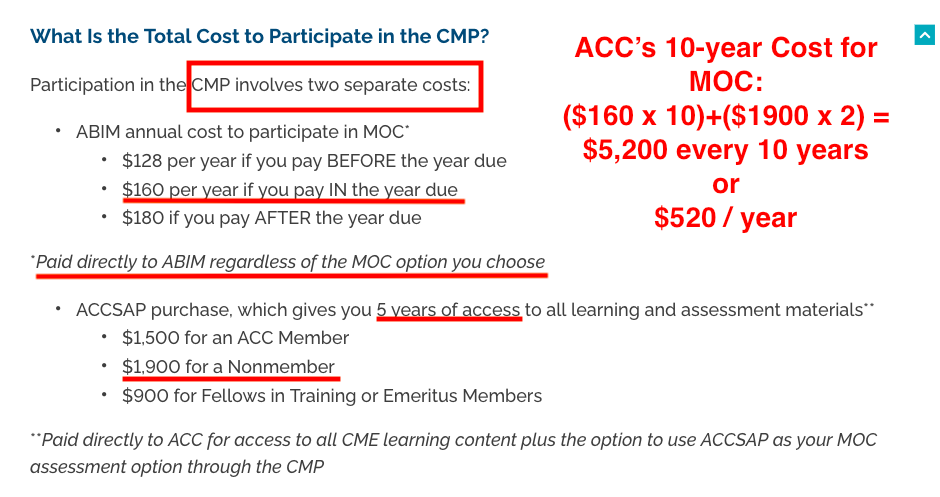
To compare apples to apples, it is important to compare 10-year out-of-pocket costs required from physicians participating in MOC®. By way of background, the cost for "Maintenance of Certification" from the ABIM in 2000 was $795 every 10 years.

Here is a breakdown of the costs cardiologists and cardiac electrophysiologists will incur by participating in the "Continuous Maintenance Pathway" proposed by the ACC and the ABIM:

(Click to enlarge)


If you are an ACC member, you get to pay even more to the ACC, despite what their website says.

Here's the breakdown for ACC members:
  • $795 initial ACC membership fee + $150 admin fee x 10 years LESS $400 credit on CMP program every 5 years x 2 = $1495
  • PLUS $1500 every 5 years to ACC for CMP x 2 = $3000
  • PLUS $160 per year to ABIM x 10 years = $1600
  • GRAND TOTAL = $6095 every 10 years of MOC/CMP (or $609.50 / year)
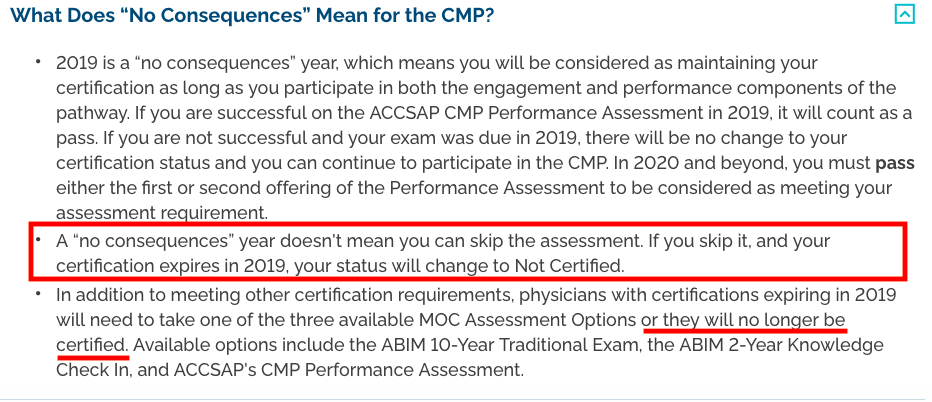
And let's not forget this VERY important adhesion condition for these fees:
(Click to enlarge)
In summary, the ACC's new Continuous Maintenance Pathway is one of the most shameful money grabs from US cardiologists and cardiac electrophysiologists imaginable and represents a remarkable 654% increase in fee payments for MOC® since 2000 for non-ACC members and an incredible $766% increase in fees for ACC members for MOC® since 2000. More importantly, the ACC leverages (ties) CMP to the threat to a physician's ABIM board certification status (and therefore their right to work) and I believe represents a restriction of trade and is in violation of US anti-trust and racketeering laws.

It is truly unbelievable that the ACC and the Heart Rhythm Society would do this to their own membership, but then again, given their prolific financial balance sheets, maybe it's not so unbelievable after all.

-Wes

PS: Please help support the federal antitrust class action lawsuit against the American Board of Internal Medicine by contributing here.

Wednesday, March 20, 2019

ABIM Gives First Public Legal Response to Lawsuit

On 18 March 2019, the American Board of Internal Medicine responded for the first time in opposition to the federal class action lawsuit filed against it by four internists in early December 2018. The 39-page memorandum accompanying their proposed motion to dismiss is re-published here without comment for physicians to read themselves.

Physicians wishing to contribute to the support of the four internists involved in this case are encouraged to donate to this GoFundMe page.

-Wes

Monday, March 18, 2019

The Big Easy: The ACC, HRS, and the ABIM


This weekend, at the American College of Cardiology (ACC) Scientific Sessions in New Orleans, the ACC and the Heart Rhythm Society (HRS) announced their commitment to the American Board of Internal Medicine's (ABIM) continuous certification financial shakedown of US cardiologists and cardiac electrophysiologists. Taking a playbook from the American Medical Association, their leadership has realized the financial milk and honey for their business rests squarely alongside the business interests of US hospitals and the powerful device industry, not the physicians for whom they pretend to advocate.

So they have reached out to their academic colleagues, many of whom are medicine's leading industry thought leaders, teachers, and spokespersons, to create yet another Maintenance of Certification (MOC) testing "pathway" (called the "Continuous Maintenance Pathway" (CMP)). This "pathway" requires purchase of the ACC Self-Assessment Program (ACCSAP) to extract cash from their own colleagues and more vulnerable, younger cardiologists. As always, failure to participate some way with "continuous certification" will always be met with the threat of pulling a cardiologist's credentials to practice medicine if they don't comply. The CMP will only be valid if physicians continuously purchase the ACCSAP study materials. How much will that cost? Well, the ACCSAP used to cost a cool $400 per year and the 2019/2020 prices have yet to be announced, but was promised to be "less than $500 annually").

And why not?

With its Harry Houdini-like balance sheet where over $25 million in assets exactly matches its expenses, we see the value of numbers to the ACC. We also see, like the ABIM, the "value" of a Foundation.

The ACC Foundation has $113,934,622 revenue (and $231,442,569 in assets), over one third of which funds the organization's salaries. The ACC Foundation has also created the ACC Political Action Committee (the ACC-PAC) under the umbrella of the Foundation, "as part of a multi-pronged approach to expand its advocacy program to support incumbent and prospective candidates who are supportive of patient access to care and promotion of quality cardiovascular care."

You are reading that correctly. Leveraged MOC dollars and the fees paid for physician education materials will now be used, in part, for the ACC's support of political candidates.

But if that's not enough, there's this little gem.
In 2018, the Accreditation Council on Graduate Medical Education (ACGME) published a revision of program requirements for accredited internal medicine residency programs. At the same time, the Internal Medicine Board had decided to revisit the procedural requirements for graduating residents, presenting a timely opportunity to make changes to these requirements.
With the announcement yesterday of the CMP physicians will be required to perform two tests, one given by ACC and one given by ABIM EVERY YEAR and much of it for their political gain.

If this new collaboration between the ACC , HRS, and the ABIM sounds problematic to you, you might want to join our effort to end this shakedown of your dollars for political purposes.

-Wes

Saturday, March 16, 2019

ABMS Board of Directors Accepts ABMS Vision Commission's Recommendations

ABMS Board of Directors Accepts "Independent"
ABMS-funded ABMS Vision Commission's Recommendations
Enough said. 

-Wes

P.S.: Please donate.


Wednesday, March 06, 2019

MOC Legal Battle Broadens to ABPN

Today in the Federal District Court of Northern Illinois, another class action lawsuit on behalf of over 25,000 psychiatrists and neurologists was filed against the American Board of Psychiatry and Neurology (ABPN) by two psychiatrists.

In a script we have seen before, the Plaintiffs brought the action pursuant to the Clayton Antitrust Act, 15 U.S.C. §§ 15 and 26 to recover treble damages, injunctive relief, costs of the suit, and reasonable attorney’s fees arising from violations of Sections 1 and 2 of the Sherman Act (28 U.S.C. §§ 1 and 2). The suit alleges that there is illegal tying of the ABIM’s initial board certification product to its maintenance of certification® (MOC®) product in violation of Section 1 of the Sherman Act and illegal monopolization and monopoly maintenance in violation of Section 2 of the Sherman Act. In addition, the suit alleges that ABPN's conduct has caused it be be unjustly enriched at the expense of the Plaintiffs and the other Class members.

The Complaint details the alleged harms experienced by the Plaintiffs and the numerous changes to ABPN MOC® the Plaintiffs and Class members endured since its implementation. In addition, the Complaint alleges:
"Between 2004 and 2017, after the advent of ABPN MOC, ABPN’s “Program service revenue” account exceeded its “Program service expenses” account by a yearly average of $8,777,319, as reported in its Forms 990 for those years. During that same period of time, ABPN’s “Net assets or fund balances” account skyrocketed 730%, from $16,508,407 to $120,727,606. In other words, at year-end 2017, as ABPN MOC revenue continued to grow, ABPN net assets (assets less liabilities) more than septupled, which included, according to its 2017 Form 990, almost $102 million in cash, savings, and securities."
The Complaint also details allegations of unjust enrichment by the President and CEO of the ABPN, Larry R. Faulkner, MD:
In 2007, he was paid total compensation of $500,726 as Executive Vice President. Dr. Faulkner became ABPN President and CEO in 2009. In 2017, the last year for which data could be located, his total compensation as President and CEO was $2,872,861, including a bonus of $1,884,920.
This lawsuit follows on the heels of two other class action antitrust lawsuits filed against the American Board of Internal Medicine and the American Board of Radiology.

As I've said before, it is critical working physicians see the legal battle against MOC® for what it is: not a campaign against continuing medical education, but rather a campaign against the massive runaway train of economic exploitation, self-enrichment, and micro-management of our professional lives that are now the hallmark of ABMS and its member boards.

I encourage all working physicians donate to our GoFundMe page to help support the next phase of the litigation as ABIM, ABR, and ABPN prepare their responses to the lawsuits.

-Wes

Saturday, March 02, 2019

Maryland Board of Physicians Rejects NBPAS


In November 30, 2018, the National Board of Physicians and Surgeons (NBPAS) and the National Board of Osteopathic Physicians and Surgeons (“NBOPAS”) requested the Maryland Board of Physicians ("Board") formally recognize them as a specialty certification board for continuing certification. Armed with a 17-page letter from the DOJ, they were hopeful, but the outcome of their request they just received from the "Board" was almost predictable:
As a policy matter, board certification or re-certification is not a requirement for licensure. Board certification, however, may be a requirement for employment, hospital privileges, insurance carriers, etc. In that regard, the Board does not believe that it is the appropriate entity to evaluate re-certification or continuing certification boards for approval.

The Board believes, consistent with the DOJ opinion letter, that board certification and the approval of a certifying board for recertification is a business decision to be made by hospitals, insurers, and employers. Even if the Board approved the NBPAS or NBOPAS as a continuing certification board, hospitals, employers, and insurance carriers would still be able to make their own determinations about which boards they choose to recognize for purposes of meeting any eligibility requirements.

Given the inconclusive findings of the MHCC workgroup and the lack of data on quality of care, the Board believes that approval of the NBPAS and NBPOS as a certifying board is premature. The Board will continue to monitor the discussions and research projects regarding maintenance of board certification, including the recommendations from the Continuing Board Certification: Vision for the Future Commission, which are expected to be released in a final report sometime this year.
It is a shame this fight has come to this, but it has. Maybe now the leadership of the National Board of Physicians and Surgeons will recommend their diplomates join our nationwide, multi-specialty legal fight to end "Maintenance of Certification."

-Wes

Addendum: Maybe Maryland joining the Interstate Licensing Compact (with the help of Kaiser Permanente, a fond bedfellow of ABIM's former President and CEO, Christine Cassel, MD), had something to do with this decision.

Why the ACC Threw Cardiologists and EPs Under The MOC® Bus and Why We Let Them

In its latest update with Maintenance of Certification (MOC®), the good ol' boy network of the American College of Cardiology (ACC), Society for Cardiovascular Angiography and Interventions (SCAI), Heart Rhythm Society (HRS), and Heart Failure Society of America (HFSA), announced their commitment to "continuous certification" and MOC® and all its lucrative trappings for US cardiologists and cardiac electrophysiologists.

It seems the authors of this announcement, all older white men without much to lose, just can't get enough of the money associated with locking their younger, more vulnerable colleagues into continuous participation in their expensive board review courses, scientific sessions, self-assessment programs, and pricey study materials. They convened a "Task Force" (or was it a "Committee?") some time ago to study the revenue lost without MOC® verses the money made with MOC®'s leverage on their programs, and it appears they have decided they just can't let go.

So they have a plan.
  1. First, make a lukewarm statement that is supposed to sound opposed to the ABMS Vision Commission, but really says nothing.

  2. Second, to co-brand their own version of "continuous certification" with the American Board of Internal Medicine (ABIM) and call it another name to assure annual payments continue.

They thought hard - really - and recruited lots of their well-respected academic partners and thought leaders in cardiology and EP - to create their own ABIM MOC® pathway called the "Collaborative Maintenance Pathway." (You can't make this stuff up.)

As if cardiologists are deaf, dumb, and blind.

But cardiologists and electrophysiologists have to be honest: we live with the reality that our skills and intellect are uniquely valuable to hospital and health care systems. Without us, they'd die. And now that 75% of cardiologists are employed by hospitals, hospitals need us just as we need them.

The ACC, tied irrevocably to the good fortunes of the Medical Industrial Complex and the realities of managed care data collection, knows this.

So they sugar-coat their decision to side with "continuous certification" as a "commitment to lifelong learning" instead of what it really is, an adhesion contract with the ABIM and the ACC, SCAI, HRS, and HFSA for their lifelong funding at our expense.

In effect, the ACC is saying "Cardiologists and EP's - get over it - you have no choice but to be the breadwinners for US hospitals and health care systems. We scratch their backs so they can scratch ours, so you have to pay up."

Ooops, I just said the unspeakable.

I can hear it now:

"But we are beneficent, selfless 'care providers' who do the work, take call, and save lives at 3 AM when we're dead tired, not just the funding vehicles for US hospitals! We are the good guys, need to keep up with the latest advances, and deserve what we get! How can you dare say such a thing?!?"

Because, deep down inside, it's the truth.

A growing tension is exacerbated by the ACC siding with the corrupt ABMS MOC® program: cardiologists serving hospitals' best interests verses cardiologists serving their patients' best interests. Certainly no one will argue with the benefit to a patient for stenting an occluded coronary at 3AM - it's the magic of what we do and why we do it. But there is also a growing conflict of interest that develops when we must live in fear of losing our credentials (and our jobs) because we don't participate in MOC® and MOC® is tied to our ability to make a living only at hospitals: that tie makes us beholden to our employer before our patient.

It has been revealing to be a student of MOC®'s evolution over the years. I believe there is are complicated psychological and economic principles at play with MOC® (or "continuous" certification).

First, MOC® forces the doctors to split. Psychologic splitting is commonly used to justify unreasonable behavior. Why else would highly intelligent people put up with the now highly public political, financial, and monopoly-making activities of the ABIM? Perhaps its because by participating in MOC®, we can remain the "good guy" in a guideline-directed decision making world of medicine while the ABIM can remain the "bad guy." No need to consider the realities involved with their conflicts of interests. By continuing to participate in MOC® (or it's latest "continuous" iteration, doctors don't have to worry themselves with the nasty details of the high cost of medicine, the waterfalls in the front lobby, and the big screen TV's in every patient's room. We are "just" the beneficent doctors working within the "guidelines." So we "keep up" with our education and those "guidelines" (thanks to the ACC and their "Collaborative Maintenance Pathway") to impress our patients (and truth-be-known somewhere deep inside, ourselves) by promoting this "board certified" marketing accolade and not dealing with its unpleasant realities.

Secondly, MOC® influences the "behavioral economics" of physicians in perverted ways. As an example, behavioral economics states that even if a doctor wants to lose weight and sets his mind on eating healthy food going forward, his end behavior will be subject to cognitive bias, emotions, and social influences. What is a bigger cognitive bias and social "influencer" than the fear of losing your credentials or ability to receive insurance payments because of lack of participation in MOC®?

So the next time you wonder why the GoFundMe page to fight Maintenance of Certification has been fairly slow to reach its ultimate goal, I believe this is why.

Many doctors are putting up with the MOC® charade because they are afraid of losing their job if they speak out and are not completely honest about the MOC®'s role in maintaining healthcare's costly financial status quo.

Perhaps it's time we be honest with ourselves. Who ultimately loses with MOC®'s perpetuation?

Not just younger, more economically vulnerable physicians, but our patients, too.

-Wes

Wednesday, February 27, 2019

Doctors Take the MOC® Stick: Legal Avalanche Unfolds

Working doctors have made their dissatisfaction with the American Board of Medical Specialties' (ABMS) time-limited certification known for years. They have tried to reason with the American Board of Internal Medicine (ABIM). They have exposed the corruption for all to see. They have gone to Washington DC. They have presented these findings to the leadership of the American Medical Association, ABMS, American College of Physicians, and the AMA House of Delegates. They have tried to get meaningful legislation passed at the state level for years. They created their own competing non-profit "board" to offer an alternative to the time-limited credential. They contacted major medical journal editors about the lack of proper disclosure of financial conflicts of interest. They tried to publish an article documenting the harms caused by MOC® (and called "very important" by one reviewer) was repeatedly suppressed from publication. They contacted the Internal Revenue Service. Then they gave one last "Hail Mary" pass to the ABMS by submitting survey results organized by that alternate board from 21,000 physicians to the ABMS Vision Commission, all to no avail.

MOC® (or some bizarre, fractionated form of MOC® rebranded as "continuous certification") continues with all its lucrative trappings.

Now a new, tactic is unfolding to end ABMS time-limited certification nationwide: litigation.

A new free-to-join non-profit was created, run by a multi-specialty group of working physicians from across the nation (disclosure: I'm a co-founder). They created a GoFundMe page to fund anti-MOC litigation that has already raised over $200,000 and is supported by over 1000 physicians (and growing).

In light of the ABMS boards ignoring working physicians' demands to end MOC®, or even allow a meaningful alternative to MOC®, physicians across specialty boards have felt empowered to initiate litigation against time-limited certification. Rather than thinking of this as doctors suing other doctors, it is more accurate to say that this is doctors taking a collective stand against insulated, self-elected, answer-to-no-one bureaucratic bodies; organizations that hide behind humanistic slogans while churning billions of hidden dollars for themselves.

The recent litigation timeline:
  • 6 December 2018 - The first class action anti-trust lawsuit against the ABIM - the largest ABMS member board - is filed.

  • 23 January 2019 - The ABIM suit is amended to include racketeering and unjust enrichment claims.

  • 26 Feb 2019 - Yesterday, another class action antitrust suit  on behalf of approximately 25,000 US radiologists was filed in federal district court in Chicago against the American Board of Radiology.
How many more ABMS member boards will be sued?

ABMS and its member boards may claim to be nothing less than "a selfless ministry" in the service of medicine and that these lawsuits are frivolous, irresponsible, or even unprofessional. Nothing could be further from the truth. Those on the front lines of patient care fully understand the time and cost involved. But you can be sure of this: litigation was not the frontline physicians' first option. Far from it. All other less time-consuming and expensive alternatives have already been exhausted.

To paraphrase Theodore Roosevelt, justice consists not in being neutral between right and wrong, but upholding the right against the wrong. All working physicians should climb off the sidelines and join this fight to end the unproven MOC® and "continuous certification" programs and recognize the legal battle against MOC® for what it is: not a campaign against continuing medical education, but rather a campaign against the massive runaway train of economic exploitation, self-enrichment, and micro-management of our professional lives that are now the hallmark of ABMS and its member boards.

-Wes

Addendum 6 Mar 2019 - The MOC® legal battle now includes the American Board of Psychiatry and Neurology, too.

Sunday, February 24, 2019

Examining the ABIM's Evidence for Maintenance of Certification®

In response to an recent article in MDEdge about the GoFundMe page supporting four plaintiffs who brought suit against the American Board of Internal Medicine (ABIM), Richard Baron, MD, President and CEO of the ABIM said:
“Valuable credentials with standards behind them gain market share because they are meaningful and say something important about the doctors who hold them,” Dr. Baron said in an interview. “There is evidence in peer-reviewed journals that doctors holding our credential are more likely to meet quality metrics throughout their careers [Ann Intern Med. 2018 Jul 17. doi: 10.7326/M16-2643], that they are more likely to order mammograms for women who need them [Womens Health Issues. 2018 Jan-Feb. doi: 10.1016/j.whi.2017.10.003], that they provide care of equivalent quality at lower total cost [JAMA. 2014 Dec 10. doi: 10.1001/jama.2014.12716], and that they actually earn higher salaries [Health Serv Res. 2013 Jun. doi: 10.1111/1475-6773.12011]. All doctors should be concerned if making evidence-based claims about our credential based on data published in peer-reviewed journals gives rise to litigation alleging fraud.”
Breaking Dr. Baron's comment down:

The first reference Dr. Baron cites is a retrospective report of an association (not causation) between Maintenance of Certification (MOC®) status and performing Healthcare Effectiveness Data and Information Set (HEDIS) measures for industry. The study's abstract states in its "Limitations:"
"Potential confounding by unobserved patient, physician, and practice characteristics; inability to determine clinical significance of observed differences."
The second reference cited by Baron is another retrospective review of two single-year cohorts of internists performing mammogram screening in a single year before and a single year after time-limited certification was implemented. This study is subject to innumerable biases (sampling, recall, and information). It is no wonder that the authors state in the study's limitations:
"Finally, more research is needed to fully understand the causal mechanism by which MOC® participation might impact mammography screening specifically and quality of care more generally. In addition, changes to the MOC® program have occurred since 2001, and future research is needed to determine whether associations with the MOC® requirement we report were sensitive to this."
From the limitations of the third retrospective study Baron cites above:
"...more research is needed to determine whether the negative associations we report between MOC® and growth in costs were due to improvements in care quality not captured by our quality measure, reductions in wasteful practices unrelated to patient outcomes, or negative consequences not captured by our outcome measures.
The last study Baron cites in his quote above pertains to initial board certification and only supports the supposition that doctors make more money if board certified - a finding that is not patient-centric at all, but physician-centric.

All of the studies cited by Dr. Baron were retrospective studies and therefore only hypothesis forming. None of the references he cites in his response to the interviewer were causal.

Finally, Baron said:
"All doctors should be concerned if making evidence-based claims about our credential based on data published in peer-reviewed journals gives rise to litigation alleging fraud."
I agree. All doctors should be concerned. What does this say about our journals that publish these studies? Why would a group of practicing physicians with full case loads create a wholly new non-profit (Practicing Physicians of America) to represent the interests of working physicians? Why would those same working physicians create a GoFundMe page to raise money to support litigation to end MOC®? Lastly, why would such an organization support four fellow physicians that dared to challenge those in positions of power by bringing unprecedented claims of antitrust, racketeering, unjust enrichment, wire fraud and mail fraud?

These are very important questions.

Especially when the President and CEO of the ABIM offers poor "evidence-based claims about (the ABIM certification) credential based on data published in peer-reviewed journals" that "gives rise to litigation alleging fraud" in response to questions posed of him.

-Wes

Saturday, February 16, 2019

Grifters Will Always Be Grifters

On 12 Feb 2019, the American Board of Medical Specialties (ABMS) Vision Commission created 25 September 2017, issued its Final Report to the ABMS Board of Directors on its controversial and very lucrative "continuous certification" programs.

Not surprisingly, the self-appointed Commission thumbed its nose at the overwhelming majority (88%) of US physicians who find no value to continuous certification,  and instead relied on testimony of many ABMS Boards, members of the ACGME including the Association of American Medical Colleges, the National Board of Medical Examiners, "psychometricians," ABMS Portfolio Program Sponsors, eight (of 50) state medical associations, five subspecialty societies (Anesthesiology, Family Medicine, Internal Medicine, and Pediatrics), consumer groups like (AARP-funded by UnitedHealthcare, the conflicted Consumer Reports, and the problematic Leapfrog Group). Nowhere was the possibility of ending continuous certification ever discussed or considered.

In the end, this was the conclusion from 17 months of testimony for ABMS Vision Commission:
"The Commission thanks the presenters who came and provided valuable testimony about their perspectives of continuing certification. The information will inform the next steps of the process. What is clear is the majority of the presenters recognize the necessity of lifelong learning. While they appreciate the innovation and engagement of the Boards as changes are made to continuing certification programs, they look forward to seeing how the programs continue to evolve. All are interested in being part of the future of continuous certification."
In other words, grifters will always be grifters.

-Wes

Maintenance of Certification: Do We Have a Certified Crisis in Medicine?

From Paul G. Mathew, MD in Practical Neurology:
Between the growing number of states adopting laws to protect physicians from forced MOC compliance, the increasing number of hospitals/institutions accepting NBPAS as an alternative to ABMS recertification for physician credentialing purposes, and the potential ramifications of a decision in favor of the plaintiffs (practicing physicians) in the ongoing class action lawsuit against the ABIM, practicing physicians everywhere may at some point in the near future witness meaningful reform or possibly an end to forced MOC compliance.
Additional leverage against the forced Maintenance of Certification (MOC) compliance imposed by the American Board of Medical Specialties and their member boards can be achieved by contributing to the legal effort underway (click here).

-Wes

Sunday, February 03, 2019

Evolving Board Certification

From the New England Journal of Medicine and the American Board of Anesthesiology, the MOCA Minute® (Cost $210/yr + 100/yr for subsequent certifications):
The MOCA Minute, a longitudinal assessment program introduced in 2016, enables anesthesiologists to identify their scope of practice and answer 30 practice-relevant multiple-choice questions per calendar quarter to continually assess their knowledge and problem-solving skills (see table). The questions focus on relevant information that physicians should know without having to consult references, so only 60 seconds is allotted for answering each question. After responding, physicians rate their level of confidence in their answer using a three-point scale (very confident, somewhat confident, or unsure). This system helps clarify what physicians know, when they are merely guessing, and where their blind spots lie. When physicians realize they have responded confidently yet incorrectly, they are more likely to engage in further education and retain knowledge. This process creates a data-driven basis for seeking out and completing appropriate CME. Questions answered incorrectly or with low confidence are repeated at varying intervals to maximize reinforcement and retention. After each response, physicians are told whether their answer was correct and are given a critique that includes the key point of the question and offers more information about the topic, literature references, and connections to corresponding CME.

From the American College of Cardiology, come the proposed Collaborative Maintenance Pathway® (CMP) (cost <$500/year):
Under the proposed CMP, the respective SAPs (self-assessment program) are expected to consist of 3 components: 1) a comprehensive didactic review of the entire discipline including written material, videos and slide decks that the learner may access in his/her own style and at his/her own pace; 2) a library of several hundred practice questions presented in a modular format corresponding to the topic area under study; and 3) a set of “performance” questions requiring a passing score, which will be made available on a modular basis when engagement with the learning material has been documented and when CME credits have been granted for the module. The didactic material of the SAP will be divided into 5 modules of approximately equal length, so that yearly assessments will cover approximately 20% of the discipline’s knowledge.

The entire CMP process is expected to provide, in a 5-year cycle, all the CME required for licensure in most states (∼25–30 h per year), all the medical knowledge (Part II) points required for MOC (100 points per 5 years), and a convenient, online assessment activity that will complete the MOC requirements for participating cardiologists (assuming a passing score on the performance questions for each of the annual modules).

It is anticipated that the discounted fee for the SAP component of the CMP will be priced approximately 25% lower than the cost of the current ACCSAP product. Members in good standing of the ACC, SCAI, HRS, and HFSA will all be eligible for the planned discount. ABIM fees will be assessed by the ABIM separately from the SAP component. The entire CMP (ABIM and ACC) process is expected to cost <$500 per year.
Finally, from the American Medical Association / American Board of Medical Specialties "Vision Commission" member and former Executive Vice President of the American College of Physicians:
The response to the MOC controversy has varied across the physician community from the extremes of acceptance of MOC to outright anger, with the flames of discontent often stoked by blogs and comments on social media. Within this spectrum of responses is a more centrist position, accepting the need for some sort of process that ensures ongoing professional development and competence as medical science evolves, but acknowledging that significant reforms are needed in the current MOC requirements.
Despite the many efforts to "modify," "adapt," "reform," Maintenance of Certification to new models, each of them has three huge flaws.
  1. There is no independent evidence-based proof that "maintaining" our initial board certification improves patient care or safety. Instead, there are now real examples before a federal judge of harm Maintenance of Certification has caused physicians.
  2. All of these programs result in little more than glorified rent-seeking that has proven remarkably lucrative for the ABMS, it's member boards, and physician specialty societies. Each proposed program fails to mention how testing data are shared with third parties, including (but not limited to) insurance companies and group purchase organizations like Premier, Inc. It is troubling that these demonstrated conflicts are never disclosed.
  3. Any computerized educational program that can restrict a physician's right to work based on completion of certain computer tasks is not acceptable to working physicians. This is not what education is about. "Centrists" are willing to accept voluntary, self-directed CME. They are not willing to accept a lifetime of expensive, coerced, directed CME on behalf of unaccountable and undisclosed third parties. Using the threat of loss of credentials and one's ability to work as a cudgel for physician participation not only is immoral and harms morale, it may be illegal and harmful to patients struggling to access their physician.
In summary, forcing physicians to look at more computer or cell phone screens for the financial benefit of medical bureaucrats distracts from what is really important: patient care. This has not changed. As such, Maintenance of Certification (MOC) - in whatever form proposed - must end.

-Wes

P.S.: Please help support the legal fund created by Practicing Physicians of America to combat MOC.