Thursday, July 27, 2017

MOC® and Academic Medical Centers' Reliance on Pharmaceutical Funding

Recently, the American Board of Internal Medicine (ABIM) has touted its evidence base for the need for Maintenanace of Certification® on their website and via Twitter. Examining this "new" evidence base critically for its conflicts of interest is revealing and sheds light into how MOC® is used to support academic medical centers.

It took just one reference from ABIM's MOC® references to do so.

The very first reference currently cited on ABIM's MOC® reference webpage is this one:
Heitlinger LA. Do maintenance of certification activities promote positive changes in clinical practice? J Pediatr Gastroenterol Nutr. 2016; 64(5): 655.
The article, submitted Nov 23, 2016 and quickly approved by 2 December, 2016, claims "The author reports no conflicts of interest."

If there's no conflict disclosed, why keep looking for one?

Because in my experience, ABIM's MOC®-supporting references rarely, if ever, disclose their true conflicts of interest. Since MOC® is always about the money, we must follow the money to determine Dr. Heitlinger's conflicts of interest.

As expected, I didn't have to look very far.

Dr. Heitlinger's review of Sheu et al's article entitled "Outcomes From Pediatric Gastroenterology Maintenance of Certification Using Web-based Modules" (that appeared in the same issue of the Journal of Pediatric Gastroenterology and Nutrition) claimed:
"The study demonstrates that at least for the period of observation that patient care is improved by participation of the diplomates enrolled in the activity."
What was the activity? A chart review and data collection. How patient care is actually improved by these activities remains suspect.

More important is what Dr. Heitlinger failed to mention in his conflict disclosure:
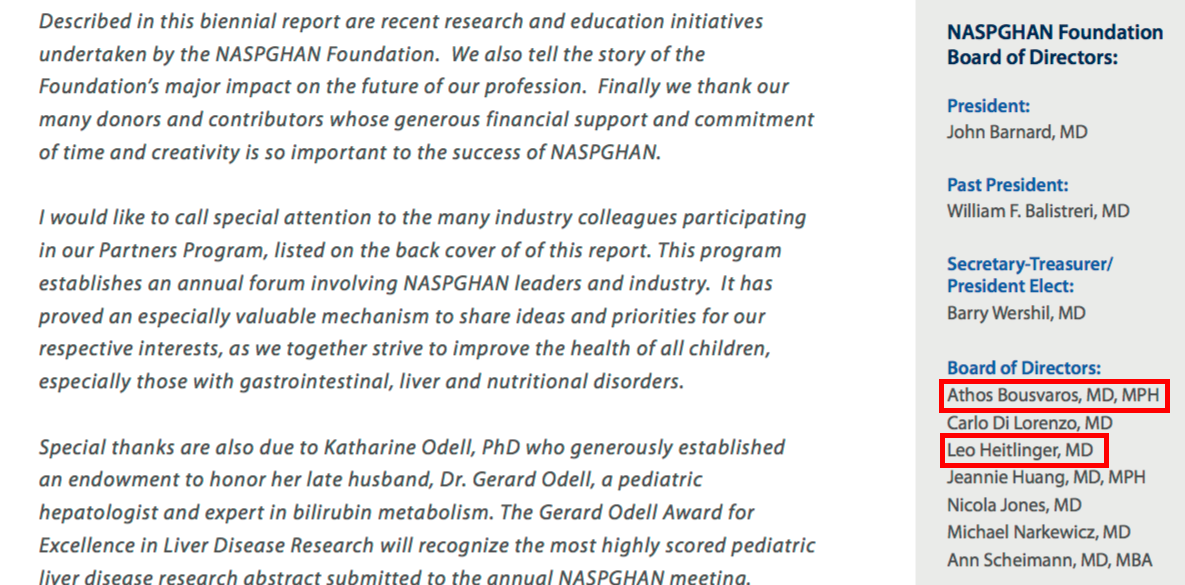
  • The Journal of Pediatric Gastroenterology and Nutrition is owned by NASPGHAN and its Foundation

  • Dr. Heitlinger and Dr. Bousvaros (one of the co-authors of the Sheu et al article) serve on NASPGHAN Foundation's Board of Directors

  • Sheu et al's study was completely "sponsored and developed by the North American Society of Pediatric Gastroenterology, Hepatology and Nutrition (NASPGHAN) subspecialty field-specific quality improvement (QI) activities to provide Part IV Maintenance of Certification (MOC) credit for ongoing certification of pediatric gaastroenterologists by the American Board of Pediatrics."

  • Of the 134 participating gastroenterologists in Sheu et al's study, "most (94%) were NASPHGAN members."
So what is NASPGHAN?

According to their website:
"The optimal way to advance your career is to become an active member of NASPGHAN. Membership in the society is comprised of pediatric gastroenterologists, research scientists, and physician nutritionists with a major and sustained interest in the area of pediatric gastroenterology, hepatology and nutrition.
One only has to look at the NASPHGAN Foundation to understand why membership with NASPGHAN is so important to academic medical centers.

What is the NASPHGAN Foundation?

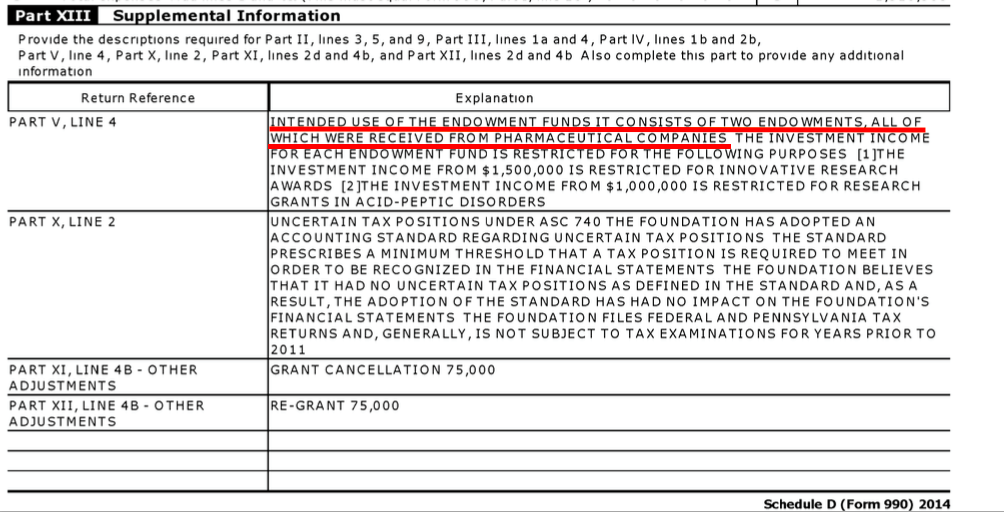
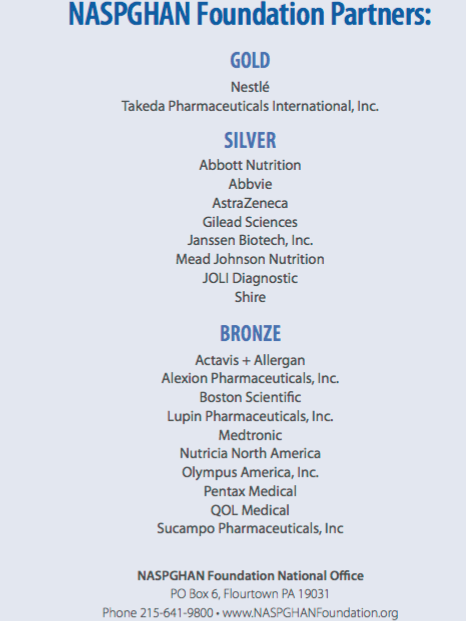
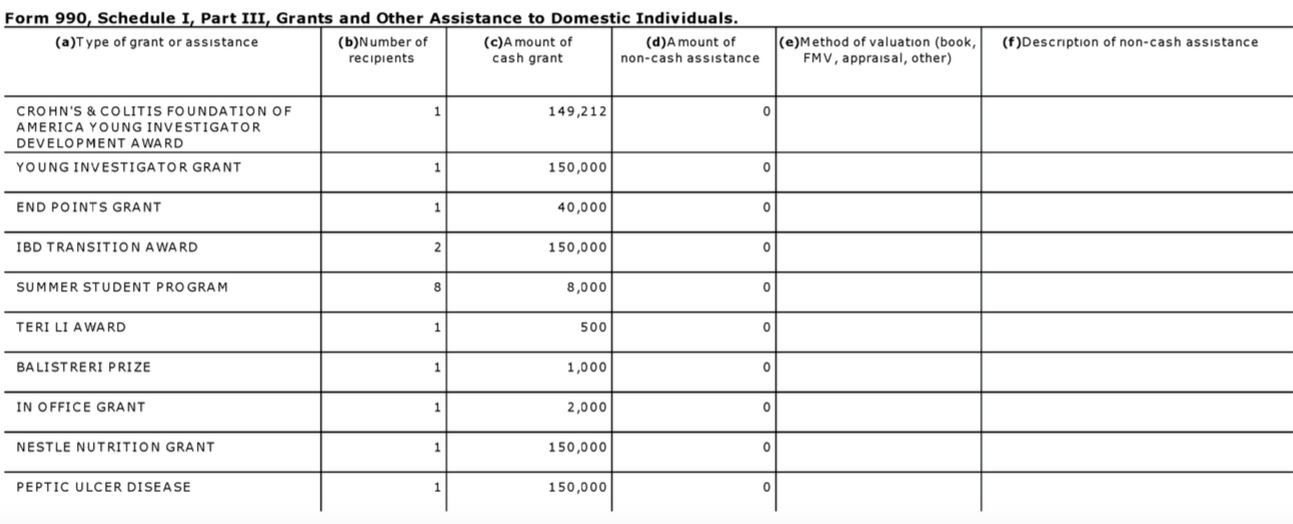
It is a tax-exempt "non-profit" 501(c)(3) organization endowed by pharmaceutical and medical device industry "partners" that distributes its educational and fellowship grants to academic medical center researchers.

MOC® and its myriad of Part IV "Quality Improvement" (QI) projects appears to be one way academic physicians can pad their CVs in the name of keeping the pharmaceutical and medical device industry funds flowing to their academic medical centers.

Conflicts?

Nothing to see here folks.

I hope this post helps educate my readers how to uncover academic conflicts of interest that exist in many journals beholden to the pharmaceutical and medical device industry.

And when it comes to MOC® improving patient outcomes through QI projects, caveat emptor.

-Wes

References:
 NASPGHAN's 2015 Annual Report
 NASPGHAN Foundation's 2014 Form 990.

Tuesday, July 18, 2017

Certification Matters: Drugs, a Young Companion, Drug-Fueled Parties

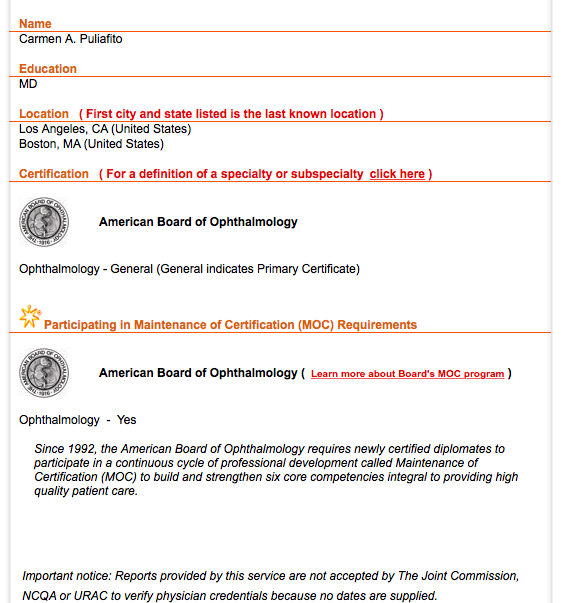
The incredible story broke yesterday in the Los Angeles Times on the secret life of Carmen A. Puliafito, MD, Dean of the Keck School of Medicine at USC.

As of this morning at 06:34AM CST, he was listed as participating in Maintenance of Certification on the ABMS Certification Matters website.

Clearly, "Certification Matters" and gives a clear picture of what the divide between bureaucratic leadership in medicine and practicing physicians on the front line of health care today looks like.

-Wes

Sunday, July 16, 2017

Advice for Ohio Physicians: What a Physician Learned by Lobbying in Texas

This important post was penned by my colleague, Judith Thompson, MD, an independent breast surgeon in Texas who also serves as Practicing Physicians of America's (unpaid) Board Chairman:
As I learned to lobby, I went around with groups and watched/listened as individuals presented what they wanted a legislator to know. What I believe I saw was often one very bright group engaged in monologue with another individual or group which may or may not have been listening.

I made it my objective to engage in dialogue when lobbying.

I began by asking the legislator or their assistant, depending upon with whom I was speaking , if they were aware of the bill. If their answer was no then I would begin with an introduction of the bill and what my position was and why. If yes, then I would say what my position was and ask the individual if they had questions. This allowed me to focus on what the individual needed to know. At times I was asked questions for which I didn’t have answers. I made it a point to write that question down, get the answer and deliver it back to the legislator/assistant who had asked. I could see that that made a difference. Their countenance changed and they said “thank you”. Defensive listeners became receptive listeners.

My talking points were simple and clear and it went something like this:

  • The American healthcare industry is in need of change and that those changes must accomplish at least one, if not all three of the following:
    • Improved patient access to physicians
    • Improved safety or quality
    • Reduced cost
    The MOC® product fails in all three.

  • MOC® is a proprietary product that has no return on investment for physicians. It is an obstacle to healthcare delivery and can obstruct a physician’s right to work. Requirements for MOC® have been woven into physician licensing, hospital credentialing and commercial insurance contracts. As a result, if a physician chooses not to participate in what is falsely advertised as a voluntary program, then they may lose their license, credentials or commercial insurance contracts. This is hardly voluntary.

  • The MOC® licensing cycle is so onerous and expensive, that mature, experienced physicians are choosing to retire rather than go through the recertification process again thereby worsening the physician shortage and extracting from the physician population some of the most experienced and knowledgeable individuals.
It is not my nature to spend time pointing out the misconduct of others but in this case, we are remiss not to do so. As a result of the actions of the American Board of Internal Medicine (ABIM) and the American Osteopathic Association, both organizations are currently involved in anti-trust, discriminatory and civil-rights lawsuits. Please refer Wes’s MAINTENANCE OF CERTIFICATION® (MOC®) FACT SHEET.

All of the sub specialty organizations require doctors to spend precious time entering data, under the guise of “quality metrics” in order to maintain board certification. What is done with data? Either sell it for a profit or use it for population management. To this, we must object and abstain, albeit at the risk of losing our ability to practice our profession.

What Ohio’s HB 273 will do:
  • Improve availability of physicians and patients access to care. Especially in rural and underserved areas
  • Prevents hospitals from requiring physicians to secure MOC as a condition of employment or having admitting privileges.
  • Prevents third parties from requiring MOC® as a condition of contracting or payment.
  • Prevents the “board” from requiring MOC® as a condition of being issued a certificate to practice medicine and surgery or osteopathic medicine and surgery.

Prepare to encounter opposition from special interest groups. These groups will spread misinformation and tell legislators that the MOC product is necessary to maintain high professional standards and protect public safety. When the ABMS is asked to produce evidence to support these statements, the evidence is of both poor scientific quality and contains conflicts of interest. With regard to maintaining high professional standards, there is no evidence to support this claim.

I suggest that you have a brief, direct, concise and simple message to deliver with facts without embellishment. My lobbying experience was so gratifying, that I truly believe I made a difference and am sure I’ll do it again.

TO DO LIST FOR OHIO PHYSICIANS

  1. Contact your OSMA executive director and tell them that you want the OSMA to strongly endorse OHB273
  2. Contact your OSMA District Counsellor with the same
  3. Contact your state representatives and senators with the same. Make phone calls and send emails
  4. If you can make time to go to Columbus to lobby, then make plans to do so. It would be very helpful if you can be there to testify on behalf of the bill
  5. I made it a point to meet the each committee member or their representative. You have 20 house members and therefore perhaps should divide the job between a group of physicians although I suggest you have no more than two or three physicians present for each meeting. Again, I did it independently which allowed for personalized conversation
  6. Here's a list of your committee members: https://docs.google.com/spreadsheets/d/1fztVEeI8OH3cfXGhz4xFFtglDlGhrQKD3ssyMDG8bWk/htmlview
  7. Ohio State Medical Association Toll-Free Telephone (800) 766-6762
  8. OSMA Local Telephone (614) 527-6763
  9. OSMA General Email: info@osma.org
  10. Ohio State Representatives Toll-Free Telephone (800) 282-0253
The Board of Directors of Practicing Physicians of America just approved travel for one of us to be there and provide support for the bill. See you there!

- Judy Thompson, MD
Ohio, it's your turn. Don your flak jackets and take action. Give each legislator this ABMS MOC® Fact Sheet. It will be up to you to inform these Ohio legislators the truth about the corrupt ABMS Maintenance of Certification® program to assure passage of HB 273.

-Wes

Addendum: At this time, it appears this bill will be heard sometime in September. If history is any guide, advance notice of the bill's arguments may be made with little advance warning. Stay tuned.

Monday, July 03, 2017

Common Sense

Four years ago, I had to "re-board certify" in cardiology and cardiac electrophysiology or lose my ability to practice medicine at the hospital I have worked since 2001. The "de-credentialing" aspect of failing to participate in the American Board of Internal Medicine's (ABIM) self-proclaimed "Maintenance of Certification" (MOC) program infuriated me, but I was left with no choice but to "pay up and a just do it."

Like my colleague Meg Edison, MD, I seriously thought about not re-certifying at the time, but my wife intervened and suggested I'd be more effective at combating the requirement while remaining "certified" so I could not be passed off as a disgruntled doctor. So I reluctantly registered for the "program."

My! How "re-certification" had changed since 2002! As I registered, I quickly learned that I no longer just had to take a "test" to re-certify. I also had to perform unsupervised research surveys on my patients. I had to dream up a quality assurance project and test it on myself and my clinic. I also had to review volumes of information purchased from the American College of Cardiology for $1350 because if I did not pass my cardiology re-certification, I could not practice as a cardiac electrophysiologist because of the "double jeopardy" dual-board passing requirement in effect at the time. Due to the high-stakes nature of being unable to practice if I failed either of my examinations and to save time, I attended a three and a half day board review course sponsored by members the Heart Rhythm Society for another $1400. Reading the materials I had purchased was not enough. Only if I read the same material on a COMPUTER (with ridiculously slow screen load times), would I receive CME credit for my hours spent studying. All of this pulled me from the patient care I was also trying to provide, took precious free time away from time with my family, and done without any proof that MOC improved my patient's care quality or safety.

Puzzled by the complexity of the "new MOC" I had to endure, I started to investigate and write about my experience on this blog. What has transpired since beginning this effort over the last four years has been nothing short of remarkable. I quickly learned that I was not alone - that physicians across the country were just as infuriated as me. I was struck by the unassailable power the ABMS member boards had amassed over physicians' ability to treat their patients. As I kept writing and investigating, I was introduced to others who knew more than I did about the board certification and re-certification folly. I met real leaders in the fight against MOC: Paul Kempen, MD, PhD, Ron Benbassat, MD, Charles Cutler, MD, and Mr. Charles P. Kroll - a forensic accountant and fellow Illinois resident at the time - who helped me understand the depth and breadth of financial shenanigans going on.

Mr. Kroll and I eventually reviewed every Form 990 and 1023 tax document we could acquire on the ABIM and its Foundation - all the way back to 1997 (the earliest complete tax form I would find) and the years-long financial, political, and power agendas inherent to MOC became clear. Edward J. Schloss, MD (a fellow electrophysiologist) and I published the history and origins of MOC and the published veiled threats imposed on physicians if they failed to comply contained in the peer-reviewed literature. Gradually, things began to make more sense. What I was not prepared for, however, was the depth and breath of the professional societies' dependence on the program and their impotence at effecting real change. Time and time again, peer-reviewed articles and rebuttals to ABIM's publications weren't published.

With ongoing review, it soon became clear that things did not stop with the ABIM. Other ABMS member boards, the hospital lobby, and even entire departments of internal medicine at large state-owned academic medical centers appeared to conspire with the unproven need for MOC. Even the "National Committee on Quality Assurance" and one of the oldest and most influential medical societies (and owner of the New England Journal of Medicine) used MOC to create new revenue sources. Too much money was involved at practicing physicians' expense. Even the hospital lobby, always eager to the control the flow of patients to their group's facilities, were more than happy to play along when doctors brought legislation to states, insisting that MOC be tied to physicians' hospital privileges on the false promise it assured physician competency.

On and on our investigation went: from the ABIM Foundation (and the "Choosing Wisely" initiative), to the National Quality Forum, the National Committee on Quality Assurance, the Institute of Medicine, and even the President's Council of Advisors on Science and Technology! It was an amazingly intricate (and lucrative) physician education/testing/quality assurance cartel that has operated without any legitimate oversight or questioning of their actions for years.

It was clear that I (any many others) had opened an entire Pandora's box of corruption in the US medical education system and medical quality and safety empire, the likes of which I could not imagine.

At the same time, physicians from other locations wanted change, too. A petition hosted by Paul Teirstein, MD of Scripps Medical Center in La Jolla, CA garnered over 23,000 physician signatures and led him to create a competing credentialing body, the National Board of Physicians and Surgeons (NBPAS). The ABIM, feeling the pressure of legitimate competition, issued their now infamous "we're sorry" mea culpa promising to "listen" and modify the MOC program. Even the New England Journal of Medicine felt compelled to sponsor a limited journalistic "debate" between Dr. Teirstein of the NBPAS and Lois Margaret Nora, MD, JD of the ABMS. The comments were overwhelmingly in favor of Dr. Teirstein. But physicians were no longer fooled. Despite publishing these opposing articles,  physicians saw the Massachusetts Medical Society (publishers of the New England Journal of Medicinepromote their own MOC learning program: "Knowledge +". Everyone, it seemed, placed the money from MOC before the needs of practicing physicians and their patients.

Naively, I went to my professional society and raised red flags. While the Heart Rhythm Society initially appeared to take a strong public stand against MOC, hosting a debate between Fred Kusumoto, MD and Douglas Zipes, MD in 2015, there was little real debate. Dr. Zipes - a long-time director at the ABIM - refused to address anything about "the ABIM finances, fees, salaries, investments, etc." Later, it has become apparent that the revenues from MOC board review courses and the affiliation with ABIM were too important to the leadership at HRS to end their affiliation with the MOC program. Even when main stream media (a la Mr. Kurt Eichenwald from Newsweek) tried to expose the corruption in four well-researched articles on the ABIM (see here, here, here, and here), the ABIM and physician education establishment summarily dismissed all of the facts levied against the organization because Mr. Eichenwald failed to disclose his wife was an internist. (You can't make these things up.)

At the invitation of the Pennsylvania Medical Society in June 2016, I went to the AMA House of Delegates to tell my MOC story and there they all were: the chairman of the board and chief counsel for the AMA, the Senior Executive Vice President of the American College of Physicians, the President and CEO of the American Board of Medical Specialties. The room was packed as they listened, writing notes. The Pennsylvania Medical Society took the lead and bravely issued a formal "Vote of No Confidence" against the ABIM and the AMA House of Delegates later voted to end Maintenance of Certification (MOC) nationwide. There was hope, I thought.

Still, the AMA leadership failed to act to end MOC.

Many physicians would not rest. Not only had doctors become familiar with the incredible ABIM Foundation condominium story, they learned of the strongman tactics used by the ABIM in an issue of Philadelphia Magazine devoted to the ABIM controversy. Worse still, they saw the veiled threats from a Wall Street attorney levied for exposing the ABIM's felonious "Director of Test Security" in a subsequent issue of the magazine. Unfazed, brave, proactive physicians forwarded legislation across the country to end MOC as a condition of hospital credentials, medical licensure, and ability to participate in insurance panels. State after state attempted to pass legislation, only to realize how difficult it was to do so when they were fighting the hospital and insurance lobbies and colleagues suffering from Stockholm Syndrome as hospital-employed physicians.

This year, the Pennsylvania Medical Society organized another event at the AMA House of Delegates meeting to discuss the realities of trying to get anti-MOC legislation passed in state legislatures across the country. The AMA, ACP, and ABMS leadership were not readily apparent  this time. They had moved on, coordinating their message and confident in their cash reserves and lobbying team. It became readily apparent to those of us at that meeting that the insurance and hospital lobbyists would stop at nothing to prevent this legislation as intended from going forward. After all, not only does MOC remain a critical revenue stream for our bloated and overreaching US physician credentialing system, it also serves to limit competition for them as they insist this metric serves the "public" at physicians' personal and professional expense. While MOC remains in many parts of the country, through this process we have learned a lot. Multiple states now have anti-MOC laws on the books now with Texas's law going into effect 1 January 2018. Since that law was voted in to place, Houston Hospital Physicians voted unanimously to remove the ABMS MOC requirement for credentialing.
“The legislature did their job, Doctors Buckingham and Bonnen did their jobs, now all of us need to take back the autonomy we gave up when we allowed MOC,” Dr. Hampel said. “We need to vote it out of every bylaws in the state.”
So Where Do Working Physicians Go Now? 

What can practicing physicians on the front line of patient care delivery do?

We have two choices: 1) continue the status quo, or 2) organize to end the injustice. MOC is just one example of overreaching and damaging regulatory intrusion on the practice of medicine.

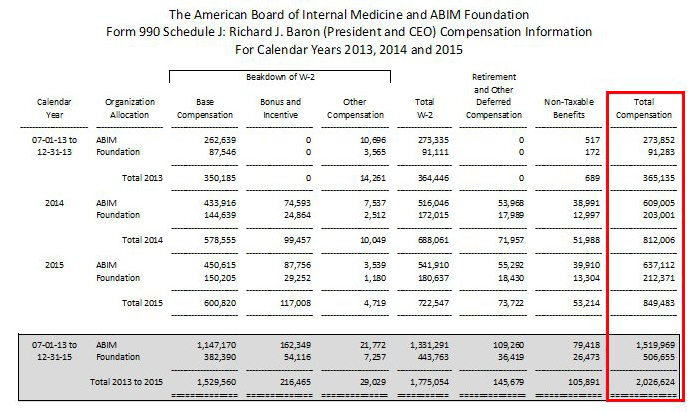
It is not okay that the ABIM secretly took at least $77 million of physician testing fees to create their own ABIM Foundation retirement fund and then offshored a hefty portion of that money for themselves. It is not okay that the ABIM, an unaccountable non-profit organization,  targeted vulnerable physicians trying to study for their examination using a known felon and their attorneys. It is not okay that Richard Baron, MD, President and CEO of the ABIM and its Foundation, earned $2 million from 2013-2015 while ABIM had $31.7 million in operating losses. It is especially not okay that the entire Accreditation Council for Graduate Medical Education (ACGME) member organizations continue to condone these activities by failing to act against them. Where evil and hypocrisy are rewarded and even called humane and good, it shows how twisted our words have become and how far corporate medicine has fallen.

As our new residents start training this Fourth of July weekend, if US physicians do not act collectively to end MOC, we condone the development of doctors that are little more than excellent sheep. Ignoring what has occurred to our profession due to our earlier indifference would risk the development of a medical education system that manufactures doctors who, as the wise professor William Deresiewicz put it, are "smart and talented and driven, but also anxious, timid and lost, with little intellectual curiosity and a stunted sense of purpose: trapped in a bubble of privilege, heading meekly in the same direction, great at what we're doing but with no idea why we're doing it." Aspiring to be excellent sheep is not in our patients' best interest. We should never forget why we're physicians and whom we truly serve.

Organizing is the only way we will end MOC nationwide and the many other intrusions created by clever unaccountable third parties behind closed doors for their own benefit.

To that end, I am not talking about unionizing. I am not talking about a partisan group to push a particular health care reform agenda.

Rather, I am talking about creating a representative member organization that does three things: (1) represents the needs and concerns of real-life practicing physicians who care for patients day to day, be they employed or in private practice, (2) acts to limit unnecessary, overbearing, and improper regulations against physicians (like MOC), and (3) works to assure that physicians are allowed to remain the principle advocate for their patients without threat from third party intrusions. Everything this organization does would be driven by these three principles.

Unfortunately our reality is that none of this can happen without money. It costs money to create an organization, hire a person to answer the phone, and pay an executive director to manage the operations while we continue to do what we love to do - care for patients. It takes money to send someone to testify in front of state legislators, the FTC, the IRS, or lobby Congress on our behalf. It takes money to develop a legal fund to combat the injustice of MOC that has occurred behind our backs. And it takes money to make sure such injustice never happens again.

Our nascent organization, Practicing Physicians of America, Inc. (PPA) which has come together on a shoestring and a prayer, has reached out to many of the leaders and organizations involved in the anti-MOC movement. Many have agreed to serve as our advisors. We have already been active on Capitol Hill, worked to coordinate the statewide legislative efforts against MOC, and testified in state legislative hearings. To continue our efforts, PPA is now formally open for membership (and donations) to bring our dream to a sustainable reality.

None of our board members are paid. For months we have donated countless hours in our spare time to this endeavor because we each believe in PPA's mission. But there's still an incredible amount left to do. We know we can't do this alone. Such an ambitious project will take a large coordinated effort from the entire practicing physician community to make this organization a sustainable reality and for it to have an impact on a national scale. Many disparate groups of practicing physicians exist with varying agendas, but none of them work as a collective umbrella group to help coordinate common needs of physicians and their patients. This is how we hope to magnify our voices. Membership is how we will celebrate our profession and collaborate with other like-minded physician groups and leaders across the country.

It is the MOC issue that has brought us together and will be the MOC issue that guides us as we forge ahead.

Take a moment to review the early version of our website, our introductory video by Judy Thompson, MD, and our MOC webpage to educate yourself. Then take a minute to become a member of PPA (or just give what you can). (For those who gave with our initial "soft opening in February" you're already "in" for the first year and will receive a code to apply when you register. Please don't despair if the system does not "know" you yet. Rest assured, your donations have helped us achieve what we have so far). For all of those who have not joined, we need your help, your voice, and your funding to act on our behalf in this anti-MOC fight and to build an organization devoted to the needs of working doctors and their patients unencumbered by special interest funding. The cost for a year is about what many pay for a monthly cellphone bill.

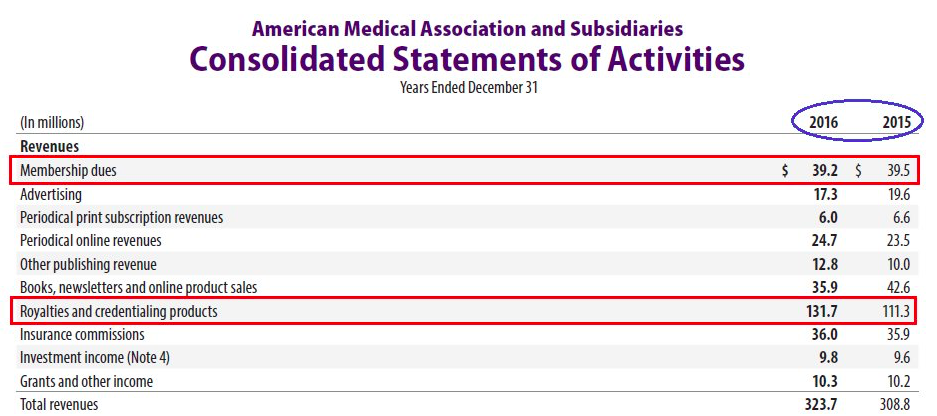
Many hands make light work. There is strength in numbers (this is the key: we need a lot of numbers) as we forge ahead. Each little bit helps. We should remember that only 15% of physicians are members of the AMA and AMA receives only 12.1% of its revenues from its membership. The vast majority comes from credentialing, insurance commissions, and licensure of their CPT codes. PPA hopes to represent the far greater silent majority of practicing physicians who work on behalf of their patients' best interest and want to end corrupt and burdensome regulatory intrusions.

For years physicians on the front line of patient care have yearned for an organization that speaks for them. Now the skeleton of that organization is in place. Help us grow to end the ability for unaccountable (non-profit) organizations like the ABMS, their member boards, insurance companies, and hospital groups to deprive physicians of our right to practice medicine on the basis of unproven, intrusive, and financially-conflicted programs like MOC.

Please join us. Then pick your phone and personally ask your colleagues to do the same. We need your help to make this dream succeed.

-Wes

Monday, June 26, 2017

Antitrust Suit Against AOA Proceeds to Discovery Phase in New Jersey

The United States' primary certifying body for osteopathic physicians, the American Osteopathic Association, is set to proceed to discovery in a fraud and antitrust suit in the District of New Jersey after a federal judge in Camden denied the association's motions to dismiss a suit by doctors.

The physician-plaintiffs who sued the American Osteopathic Association have sufficiently stated antitrust claims at the pleading stage stemming from the agency's alleged practice of tying board certification to association membership, U.S. District Judge Noel Hillman ruled Monday. The judge also ruled that the plaintiffs stated a viable claim under the New Jersey Consumer Fraud Act with their assertions about renewal fees imposed on doctors who had been promised their certifications would not expire.

Hillman also rejected the association's motion to transfer the case to the Northern District of Illinois, near the group's headquarters. The association did not argue that the District of New Jersey is an improper venue, but merely sought a transfer for its own convenience, he said.

This last detail is important, because the Association of American Physicians and Surgeons anti-trust suit against the American Board of Medical Specialties that was originally filed in New Jersey, was allowed to move to the Northern District of Illinois and has languished there since January 2015.

-Wes

Reference: Duane Morris LLP website press release.

Thursday, June 15, 2017

Do Physicians Have the Right to Work Without Maintenance of Certification?

A previously ABMS Board-certified physician with 10 years experience fails her Maintenance of Certification examination. Does she have the right to work in the hospital where she has tirelessly and compassionately cared for critically ill patients for years, earned the trust of her colleagues and nursing staff, and taken call every fourth night?

According to the American Board of Medical Specialties, the American Hospital Association, and the AMA, she does not.

She must lose her privileges to admit to that hospital, be ridiculed publicly, and watch her career fold. According to these unaccountable organizations that don't directly care for patients, she does not demonstrate the "exceptional expertise" required to have a piece of paper hung on her wall that tells the world she's a great test-taker. According to the ABIM Foundation, she does not demonstrate "medical professionalism."

This is the crux of the debate about Maintenance of Certification now. For reasons that only our most jaded bureaucratic elite medical leadership can fathom, they have allowed a pay-to-play scheme to invade our medical education system so they can fund their Cayman Island retirement fundscar collections and health club memberships.

Today, the American Board of Medical Specialties fraudulently claims to US physicians that their version of time-limited board certification is a "voluntary process."

It is not.

It's Mafia-style pay-to-play scheme in medicine.

Chicago style.

Let that sink in.

-Wes

Thursday, June 08, 2017

On Transparency

"They may carry on the most wicked and pernicious schemes under the dark veil of secrecy. The liberties of a people never were, nor ever will be, secure, when the transactions of their rulers may be concealed from them."

Patrick Henry
Constitutional Ratifying Convention
June 9, 1788

***

"I am still processing the myriad allegations in the most recent Newsweek piece. But I want to be very clear about correcting two of the most egregious and misleading charges that have been leveled against me and ABIM.

First, we have never made any effort to obfuscate, hide or delay ABIM's financial information. It's publicly available on our website. Second, no one is trying to hide salaries. I earned $688,000 in compensation in 2014 and $55,000 in deferred compensation (payment of which is contingent upon completion of my five-year contract). "

Richard Baron, MD 
President and CEO, American Board of Internal Medicine 
In a published statement emailed to all ABIM diplomates, May 22, 2015

***

What is transparency, really? Why is it important, especially, in health care?

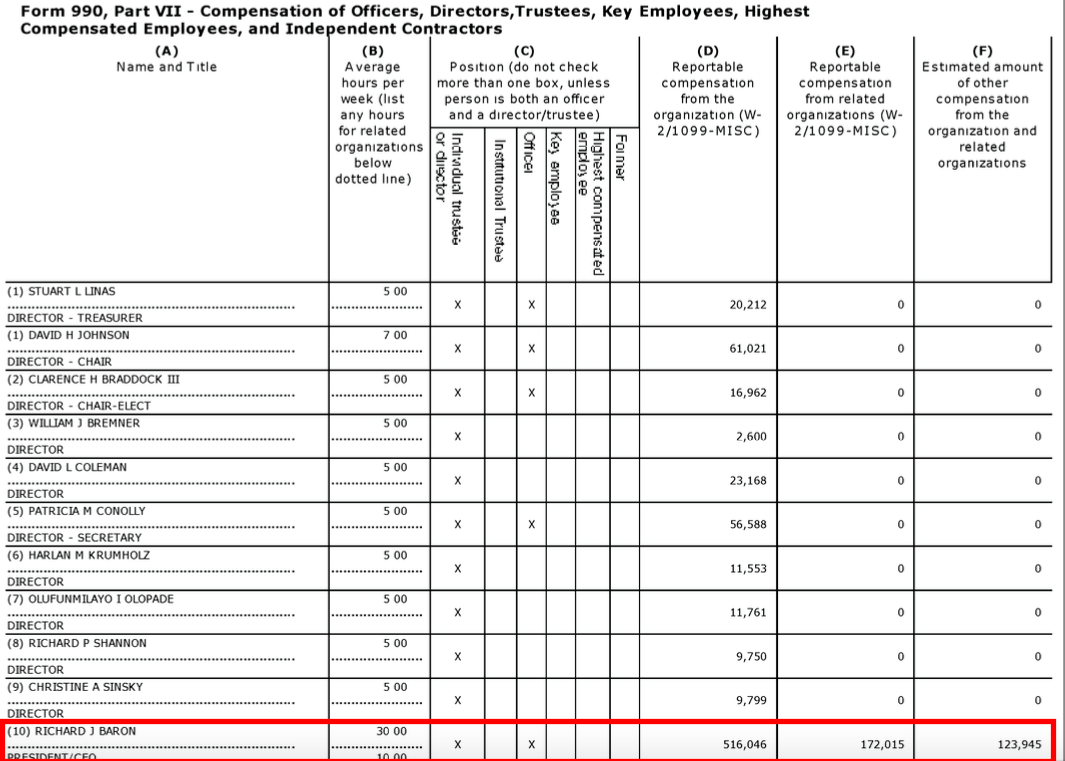
Disclosure of finances on a website does not define transparency. Nor is labeling that disclosure as "Platinum." That is merely selling disclosure as if it were transparency. Disclosure isn't always honest either. (We later learned that the ABIM omitted 6 key financial reports that year and Richard Baron, MD earned $123,984 in deferred compensation in 2014, not $55,000 as he claimed). The conditions to satisfy full disclosure pale in comparison to those for full transparency.

A better definition of transparency is provided by Transparency International:
 "Transparency is about shedding light on the rules, plans, processes and actions. It is knowing why, how, what, and how much. Transparency ensures that public officials, civil servants, managers, board members and businesspeople act visibly and understandably, and report on their activities. And it means that the general public can hold them to account."
Using this latter definition, ABIM is simply not a transparent organization. Nor are any other organizations that support the MOC physician re-certification program trademarked by the American Board of Medical Specialties.

Practicing physicians like myself, are largely to blame for our medical education and physician credentialing system's lack of transparency. For years, we held our obligation to serve our patients as an excuse to not become civicly engaged. We never demanded that our educational and credentialing system be held accountable to us and our patients - we just assumed they were - especially since many of the members of those organizations were physicians, too. We preferred to keep our heads down and work our long hours to become experts at our field. This effort came at great sacrifice to our families and loved ones. We blindly trusted that our bureaucratic physician colleagues would work in our best interest. We assumed it was about the profession.

But what transpired out of our indifference to the inner workings of our regulators has been the natural consequence of what happens to any institution (and government) that goes unchecked: corruption. Patrick Henry saw the need for transparency years ago and predicted "the most wicked and pernicious schemes under the dark veil of secrecy" without sufficient transparency and accountability hundreds of years ago. Disclosure of finances is not enough.

Transparency is limited when financial disclosures are delayed over a year and a half - as is the case with our IRS Form 990 tax form requirements. It is also limited when unelected members of our profession collude privately behind closed doors with third parties. But the ABIM has been the poster-child for all that is wrong with the physician credentialing and education system: from secretly funneling over $77 million of our testing fees to create a shadow "Foundation" that promotes itself as the model of "professionalism," falsely filing tax forms, off-shoring millions to the Cayman Islands for themselves, and threatening their diplomates with lawyers and former felons, we shouldn't be surprised.

It is transparency, not disclosure, that is critical to the integrity of our profession. As long as member organizations of the Accreditation Council for Graduate Medical Education insist that physicians pay MOC fees to remain credentialed in their profession, practicing physicians will push back because MOC has proven itself to be corrupt. By supporting the ABMS MOC requirement, academic programs perpetuate the corruption and monopoly interest inherent to MOC and risk compromising the integrity of their programs. Perhaps that is not important to those programs, but I suspect it's of the utmost importance to patients.

Spotlights on medicine are shining nationwide and people are watching, learning.

Transparency in our profession is long overdue.

-Wes


Tuesday, May 30, 2017

The Alamo Reenacted: Texas Senate Bill 1148

Texas Senate Bill 1148 was a simple, hardly-noticed bill, one that promised to prevent the age discrimination against younger physicians inherent to the trademarked American Board of Medical Specialties (ABMS) Maintenance of Certification (MOC) program. The bill prevented the proprietary and unproven MOC program from being required for a physician to obtain or maintain hospital credentials, insurance panel participation, or state licensure.  It was so simple, so clear, and made so much sense, that it passed 31-0 in the Texas State Senate.

Then the bill moved to the much larger Texas House and got noticed. Like the Alamo, the bill was quickly recognized as a threat to the multi-billion dollar-a-year health care academic, quality, and safety industries. The American Hospital Association (AHA) and ABMS and American Board of Surgery (ABS) lobbies descended on the halls of unsuspecting Texas Representatives with whom they've had long-standing relationships. The legislators were caught between appeasing physicians and appeasing the largest employers in the state of Texas. Dazed and confused about what "MOC" even was, the representatives caved to the inclusion of special clauses that left loopholes for the rich and powerful organizations to re-gain control. The bill's sponsor and anti-MOC physicians who met with as many representatives as they could, fought valiantly to stem the oncoming legislative changes that weakened the bill but were outnumbered. The bill advanced to the Calendar Committee to schedule a date for a vote at the end of the crammed legislative session. The bill could have died in Committee and not gotten a date for the vote, but the word had spread. The Committee received so many calls and emails from physicians across the country they had to close their office to calls. Even the bill's sponsor pleaded to hold off on further calls. Remarkably, the bill went to the floor for a vote. Before the vote, five "points of order" arose, forcing the bill back into committee. There, more changes were made, and eventually exceptions granted to the richest, most powerful institutions in Texas on the basis that MOC was important to assure physician quality and its "practicing improvement projects" were legitimately valuable exercises to improve patient care. Only the last wall of the Alamo, the inability to use MOC for state licensure, remained as a testament to the battle.

The final wording of the bill moved on to the governor's desk for signature, cementing the MOC program as a required educational program for physicians in many of the states' largest hospital centers.

With all this happening in Texas, it was hard not to "remember the Alamo."

But while this legislative Alamo battle may have been lost in some ways, it was won in others. Practicing physicians learned a lot from this battle, no doubt patients did too. We learned firsthand who really feels MOC should succeed. We heard our fellow physicians who defended MOC on Twitter conflate initial certification with MOC, as they often do. We were struck when members of the American Board of Surgery (ABS) rallied to MOC's defense on Twitter, even as the ABS fails to disclose how much of their relatively small $8M/year revenue they earn from MOC on their tax forms.  When the legislative battle ended and the dust settled, we saw those same outspoken critics to the anti-MOC movement gleefully proclaim on Twitter that Senate Bill 1148 "excludes those world class med centers....doesn't apply to #Medschools #cancer centers #trauma centers. #NICU docs...." as if more discrimination was a good thing. No doubt the far more numerous family practice physicians, pediatricians, and internists in Texas who don't have full time nurse practitioners, residents, fellows, political sway, and NIH grants at their disposal think differently.

It remains to be seen if the Texas SB 1148 will really have an impact for practicing physicians increasingly forced to comply with MOC as doctors point to the legislation in the Medical Executive Committees and can't change their bylaws because of the loopholes for some, but not all.

As patients and physicians learn of the realities of the ABMS MOC program and are caught in its regulatory grip, they are flocking to the anti-MOC effort, not running from it. Physicians understand that those that support MOC support corruption, political cronyism, and even tax fraud. To that end, we understand MOC is not about patient quality, but instead about money. The AHA and the ABMS know this, but have to support each other as member organizations of the Accreditation Council for Graduate Medical Education. While losing MOC would mean little to the AHA, the program is critical for the ABMS's survival due to their long-standing overspending, political agendas, and pension programs.

Texas has taught us that the physician anti-MOC movement is unstoppable. It is coming, whether the insurance companies or hospital lobbies like it or not. It is just a matter of time before we educate every legislator in every state, the IRS, and the Federal Trade Commission about what MOC was and what it has become.

But unknowns remain. We want to know what the ABMS International agenda that we pay for really is, we want to know why we fund real estate companies like ABFM Realty, LLC that no-one mentions, we want to know why the leadership of these independent non-profit agencies have to make such exorbitant salaries and benefits, and we want to know why contracts to Premier, Inc, and PearsonVue and hundreds of other contractors are more important to satisfy than time with our patients. Our patients have the right to know. It is time to stop the cover-up.

We are on the right side of this and we know it, whether Texas Senate Bill 1148 matters or not.

We will never forget and neither will our patients.

-Wes


Wednesday, May 24, 2017

We Want to Know

Dear Richard Baron,

As President and CEO of the 501(c)(3) non-profit organization, the American Board of Internal Medicine (ABIM) and its affiliated Foundation, the ABIM Foundation, you are responsible for public disclosure of IRS tax forms 990 to the public. Those tax forms were due at the IRS office 15 May 2017 for the ABIM's 2016 fiscal year (1 July 2015-30 June 2016).

Where are they?

We want to know.

We want to know because the finances of the ABIM and its Foundation are of paramount importance to us, your diplomates. We believe those finances are the reason we are required us to participate in the ABMS trademarked Maintenance of Certification (MOC) program. Because of clever regulatory capture through this unproven and monopolistic educational program, your organization is responsible for the ability of one quarter of ALL US physicians to work.

We want to know where our money that we pay for your unproven testing is going.

We want to know how much you paid yourself and your officers.

We want to know your legal expenses.

We want to know if you lobbied last year and how much you paid for it.

We want to know if you purchased another condominium for your organizations.

We want to know how much your paid PearsonVue.

We want to know who were your revolving-door officers that year and how much you paid them.

Right now, seventeen states have brought forth legislation to combat MOC. Doctors are leaving work to testify against the requirement for MOC that has been carefully incorporated to our new payment formula (MACRA) and HEDIS requirements made by the National Committee on Quality Assurance for the nation's hospitals, courtesy to Ms. Margaret O'Kane (who doesn't even hold a medical degree), and her board participation with the American Board of Medical Specialties, of which the ABIM is one of 24 specialty organizations.

We want to know the ABIM's finances because our jobs depend on that information. We want to bring that information before state legislatures so we may objectively and factually highlight your spending.

We will not rest any longer, Dr. Baron.

We want to know and we have the right, by law, to know.

Westby G. Fisher, MD
ABIM Diplomate #127308

Friday, May 19, 2017

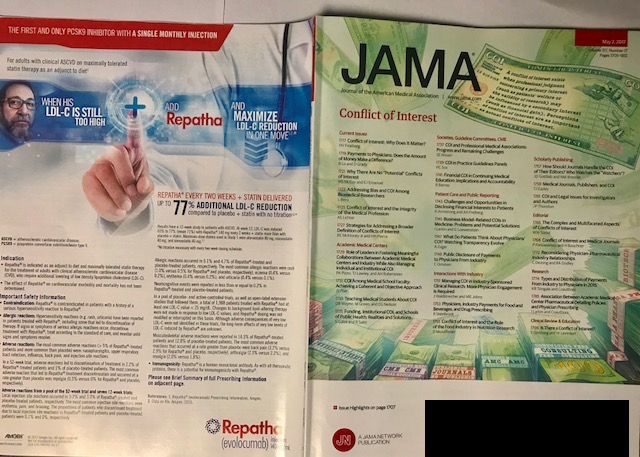
When JAMA Shows Who They Are

Front and back covers of the May 2nd, 2017 Issue of JAMA
on Physician Conflicts of Interest in Medicine
In the May 2nd issue of the Journal of the American Medical Association (JAMA), the American Medical Association (AMA) discusses the subject of physician conflicts of interest in medicine. This puts them at an interesting juncture when the editor-in-Chief and executive editor of JAMA failed to disclose their relationship with the AMA and the AMA's relationship with US physicians. The AMA still presents itself to the public and legislators as representing Americas' doctors, even though representing US physicians’ interests has not been their financial priority for many years. In fact, it is telling that their mission statement no longer includes the words doctor or physician. If they do represent US physicians as they often claim, then the AMA (and its publication JAMA) are rife with numerous conflicts of interest and public clarification of this fact is desperately needed.

Which is it?

In June 2016 at the invitation of the Pennsylvania Medical Society, concerns regarding the conflicts of interest inherent to the American Board of Medical Specialties’ (ABMS) Maintenance of Certification (MOC) program were brought before the interim national AMA House of Delegates meeting. The AMA and ABMS are co-member organizations of the Accreditation Council for Graduate Medical Education (ACGME) and each organization took interest. The room was full of concerned physician delegates who had taken time away from their practices to represent their colleagues, alongside the President and chief council of the AMA, senior executive officer of the American College of Physicians, and the President and CEO of the ABMS. These courageous practicing physician delegates issued a “vote of no confidence" in the American Board of Internal Medicine (ABIM) - the largest ABMS member board representing approximately 200,000 US physicians - during a national panel discussion. They later passed a resolution to end the ABMS MOC program, which is a laborious recertification process plaguing overburdened physicians across this nation. Unfortunately, the AMA leadership has yet to honor this resolution.

If the House of Delegates is little more than a figurehead that makes a mockery of representing practicing US physicians before the AMA, then the public, legislators, and participating physicians should be formally notified and the perceived conflict clarified. Likewise, when a physician notifies JAMA's Editor in Chief of ABMS authors that have consistently failed to disclose their affiliation with their own for-profit wholly-owned subsidiary ABMS Solutions, LLC in JAMA and elsewhere, a response and action addressing this specific conflict should occur.

However, if the AMA has chosen to serve as an independent business entity paying their journal's editor-in-chief (who also serves as their Senior Vice President) $687,290 while also earning $111.1 million from CPT code “royalties and credentialing services” and $20 million from advertisers, then there is no conflict and the editors can feel reassured their disclosures in JAMA were proper. The AMA is one of the largest nonprofit 501(c)(6) business leagues in the country and has accumulated assets of over $686 million for its purposes.

Publishing an entire journal issue dedicated to the topic of physician conflict of interest while failing to acknowledge their own conflicts with physicians threatens to render JAMA's coverage of this topic to little more than ethical "fake news." The onus is on the AMA to clarify their role and potential conflicts with working US physicians or as Maya Angelou once said, “When a person shows you who they are, believe them.”

Westby G. Fisher, MD
Director, Cardiac Electrophysiology
NorthShore University HealthSystem
Evanston, IL and
(unpaid) Treasurer and co-founder,
Practicing Physicians of America, Inc.

Thursday, May 18, 2017

Caption Contest: Twin Towers

Adjacent Towers in Chicago
(Click image to enlarge)
Okay internet: I need a clever caption for the above photo (note the building labels).

Have fun!

-Wes

Friday, May 05, 2017

Wingman

There is talk of quality in health care. There is talk of safety. Millions upon millions of dollars are spent on "quality and safety" in health care each year. After all, without "quality" and "safety," how can you have "value?"

Business people now call quality and safety "MIPS," "MOC," "MACRA," or "measures." To me, these are not quality, but rather very flawed attempts to define it. Acronyms and business strategies, no matter how well-meaning, can't define "quality" or "safety" or 'value" in health care. When it takes teams of consultants dispatched hospitals to explain how to make money with these new terms, that's called marketing, not "quality" or "safety."

The truth be known, "quality" is very difficult to define. That's because each of us brings a different perspective as to what defines health care "quality." A gruff neurosurgeon who is technically flawless in the operating room is likely perceived differently by the recipient of his services compared to his coworkers. Defining quality in medicine is like defining pornography - you just know it when you see it. The tricky thing about "quality," though, is that we often miss it when it lies right beneath our nose.

Last Friday I had the luxury of working with my favorite technician as we worked to install a pacemaker. For that short period of time, he was my wingman. I didn't really think about much. Neither did he. It was a quiet, pleasant moment as we complemented each others' skills: instruments assembled neatly on the table, soft music playing in the background, the ultrasound ready, a blade dispensed, a quiet whisper for another instrument that was already in his hand. A sheath, a suture, a steristrip, a gauze and Tegaderm - and a mutual respect that had quietly developed over our many years working together. A "quality" effort for sure.

Foolishly, I took it for granted.

I have been fortunate to work with great wingmen (and women, too) all my career. They know who they are. They never ask for accolades and are often embarrassed when they are passed along. They get up every day, report like clockwork to do their job, and do it really well. There is pride in their work because they know it matters. They treat others as they'd want to be treated themselves, and patients remember - maybe not their name - but their touch, their reassurance, their confidence, their kind words. I have learned you don't need an advanced degree to define "quality." Nor do you need a National Quality Forum or National Committee on Quality Assurance. It takes time and mutual respect to develop real quality, not checklists, metrics, or administrators.

So when the call came a few days ago that my wingman was sick - suddenly and unexpectedly - time stood still for all of us. This quiet, humble guy who knew the composer of every golden oldie that played in our lab. A guy who's stood at my side so many times, helped so many, now a patient himself. Why? Naively, I had convinced myself that things would always stay the same and only get better. Instead, life intervened and his vacation trip to California became a trip to the hospital - a scan - a serious cancer - and a life turned upside down in an instant.

Sometimes it takes tragedy to open our eyes and appreciate the small but important things we have. Sometimes it takes tragedy to help us acknowledge the real quality we have among our ranks. Quality metrics, by comparison, seem trite.

My wingman is back home now among family and friends. I went to check in on him and there he was smiling, with PICC line in place and chemo infusing. He spoke a bit and exchanged some pleasantries. As I turned to walk away, what did he say?

"Thank you, doc. It might be a while before I can come back."

Spoken like a typical wingman.

I thanked him back. "Take your time," I said. My response seemed so trivial compared to all he's done for me.

I returned to our lab and saw our closely-knit team working together on another difficult case - like flying in formation with one jet missing. The elephant in the room was standing there. We could feel it. No one said a word. They chose to focus instead.

Quality wingmen all.

-Wes


Wednesday, May 03, 2017

What JAMA's Editors Failed to Disclose

"The lady doth protest too much, methinks."
- from Hamlet, by William Shakespeare

An entire journal dedicated to a discussion of conflicts of interest was published yesterday in the Journal of the American Medical Association (JAMA). There is remarkable irony when the executive editor and editor in chief of JAMA fail to disclose JAMA's ownership by the American Medical Assocation (AMA), a 501(c)(6) non-profit membership organization that has amassed assets worth $684,343,310 and has significant conflicts of interest of its own.

Caveat emptor, dear reader. Form 990's should not masquerade as scientific "disclosure."

-Wes


Saturday, April 29, 2017

Texas: The Latest Front of the Ugly Civil War in American Medicine

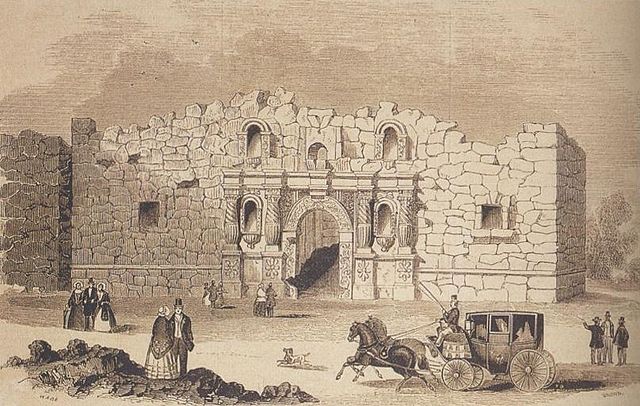
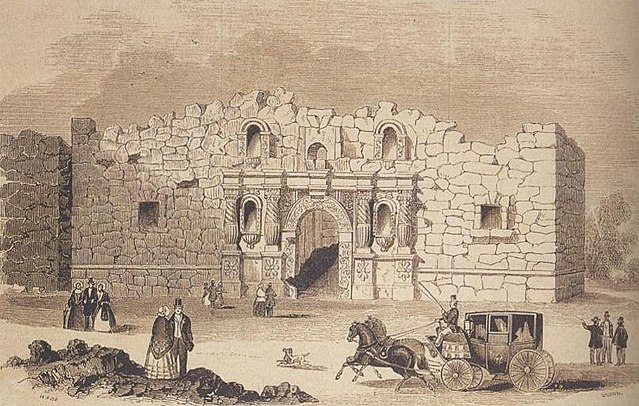
The Alamo, 1894 (from Wikipedia)

The ugly civil war in American medicine continues, this time in Texas.

This civil war is not a war between the left-right politics of healthcare, as many would hope it be depicted. Rather, it is a war between an emerging left-right alliance that's building to topple health care's increasingly corporate state.

On one side of the civil war is the staid old guard of American health care, represented by the Accreditation Council for Graduate Medical Education: the American Medical Association (AMA), the American Hospital Association (AHA), the American Board of Medical Specialties (ABMS), the Federation of State Licensing Boards (FSMB), the National Board of Medical Examiners (NBME), the Association of American Medical Colleges (AAMC), the American Osteopathic Association (AOA), and the American Association of Colleges of Osteopathic Medicine (AACOM). These organizations have operated for years without appropriate accountability and oversight of their own.

On the other side are a whole host of smaller, disparate grass-roots organizations that have emerged independently and are coalescing under several common themes: (1) exposing and ending corruption/corporate greed by these unaccountable non-governmental organizations, (2) removing unnecessary and unwarranted regulatory intrusions into the practice of medicine, and (3) preserving a physician's right to work as their patient's primary health care advocate.

The fight against the onerous and expensive ABMS Maintenance of Certification (MOC) "continuous re-certification" requirement that was born of an insatiable thirst for physician testing and educational fees in the name of health care "quality," was the catalyst that finally sparked the war between these opposing forces.

This past week, anti-MOC legislation in Texas (SB 1148) that prohibits hospitals and health insurance companies from discriminating against physicians based solely on their ABMS maintenance of certification (MOC) status, passed 31-0 and now moves on to the House. No doubt corporate healthcare lobbyists are already knocking on Texas legislators'  doors to insist they either kill the upcoming anti-MOC House bill or modify it to favor their interests. One can only imagine the money being spent to do so.

If Texas House legislators votes are swayed by the current healthcare establishment's influence over their vote, they should remember a bit of Texas history, because that vote will be against Texas patients' best interest, too.

Remember the Alamo, dear legislators.

-Wes

Tuesday, April 18, 2017

Teirstein: An Urgent Call to Action

This important email has been widely circulated today from Paul Teirstein, MD, President of the National Board of Physicians and Surgeons (NBPAS) and is an urgent call to action for practicing physicians. I urge all physicians to take a brief moment and contact your representative as Dr. Teirstein suggests. He's made the process as easy as possible:

Dear Colleague,

Several states now have anti-MOC legislation pending. Recently the Georgia legislature passed HB 165, similar to Oklahoma's SB 1148 which prohibits Maintenance of Certification (MOC) as a condition of licensure or reimbursement from third parties. However, the ABMS and its member boards have been heavily lobbying state legislators to defeat the pending bills in other states (click here to view ABMS lobbying materials). Those of us opposed to MOC must educate legislators in these states regarding how MOC requirements are onerous, expensive, have no proven benefit, and are forced on physicians by conflicted, self-appointed private ABMS member boards.

Here is how you can make a huge difference:

  1. This is going to take you a few minutes. I spend hundreds of uncompensated hours per year on this issue. Please take 5 minutes of your time to help yourself and our profession.

  2. This is your action item:

  3. Click here to effortlessly send a letter by email to your district's state representatives. You will be asked to "register" by entering in your name, email and address.  That's it.  From your address the system will pull your specific state bill and a letter tailored for your specific state representatives you can edit (if desired) and click to send to all your district's legislators.  We have made it as easy as possible for you.

  4. There are currently many states with strong anti-MOC legislation pending. If your state currently has no anti-MOC legislation pending, your letter will encourage your representatives to create anti-MOC legislation.

  5. If you are curious and want to view all the sample letters we have written by state, click here.

  6. Please spread the word. We have 18,000 email addresses of physician supporters but we need many more. This will not work without your help getting this message out. Forward this email to your colleagues, your patients, your med staff office for hospital wide distribution, your specialty organizations, your FB, Twitter, Linked In and other social media friends. (You can also refer them to the NBPAS Advocacy Webpage).

  7. To join the National Board of Physicians and Surgeons (NBPAS.org) and obtain continuous certification based primarily on AACME accredited CME, click here.
Thank you for your help and support.

Respectfully,


Paul Teirstein M.D.
President
National Board of Physicians and Surgeons (NBPAS)

Monday, April 17, 2017

For Texas Legislators: MOC's Myriad Conflicts of Interest

The American Board of Medical Specialties' (ABMS) Maintenance of Certification (MOC) proprietary continuing education program has a myriad of conflicts of interest. I thought I would assemble a partial list of some of them below:

1) The American Board of Internal Medicine (ABIM), the largest ABMS member board responsible for credentialing one-quarter of all US physicians, is increasingly in debt thanks to high salaries and expenses. Its latest 2015 Form 990 shows a NEGATIVE asset and fund balance of balance of $50,642,980.

2) The cost of for participating in the proprietary ABMS MOC program has grown far in excess of the rate of inflation (16.3 to 17.2% annually), without adding any appreciable change to the product delivered to physicians or the public.

3) The ABIM Foundation, which was reported as being created in 1999 on federal tax forms from 2008-2013, has a POSITIVE balance of $77,255,188 on its 2015 Form 990. Much of this balance was secretly transferred from the ABIM physician testing fees from 1990-1999, ten years before the organization was reportedly "created." Furthermore, the Foundation is domiciled in PA, not Iowa, as it was claimed from 1999-2013. With some of those funds, the ABIM purchased a $2.3 million condominium that came complete with a chauffeur-driven Mercedes S-class town car for itself in December 2007.

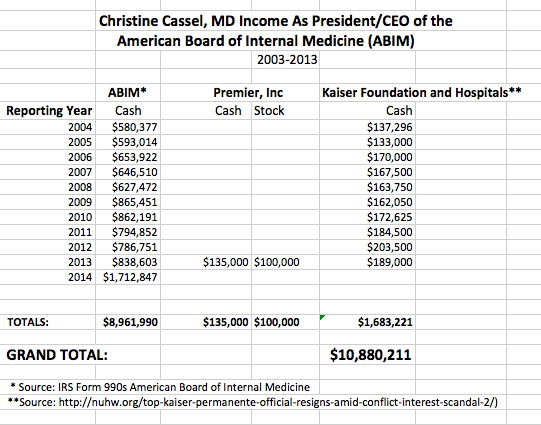
4) Christine Cassel, MD not only worked as President and CEO of the ABIM and its Foundation from 2004-2014, she also secretly served on the Board of Kaiser Foundation and Hospitals, earning $1,683,221. From 2008 through 2013, she also served on the Board of Directors at Premier, Inc, the largest US hospital procurement firm, earning 230,000 in case and stock in 2013. (Here's the breakdown of her take). None of these conflicts were ever disclosed until she was investigated by Propublica before becoming the President and CEO of the National Quality Forum. From 2010-2014, the ABIM paid a little-known company, CECity, Inc., over $5.5 million to process physician patient survey/practice improvement survey data. Shortly after Dr. Cassel left the ABIM, CECity, Inc was bought by Premier, Inc for $400 million in 2015.

5) Robert Wachter, MD served as a consultant and board member for IPC Hospitalist Company while working as Chairman of the Board of the ABIM/ABIM Foundation in 2014. IPC Hospitalist company was investigated for overbilling Medicare and Medicaid patients and paid $60 million to settle Medicare/Medicaid false claims act violations with the DOJ February 6, 2017.

6) The ABIM has been lobbying Congress for years, but such lobbying has never been disclosed to the public via Form 990 tax forms.

7) The adverse effects of MOC on physicians and patients have never been studied. Yet the ABIM has been conducting research on physicians (see here and here) without their consent or Institutional Review Board oversight, potentially in violation of Protection of Human Subject statutes of the Department of Health and Human Services.

8) The American Board of Medical Specialties (ABMS) and the American Hospital Association (AHA) are both member organizations of the Accreditation Council on Graduate Medical Education (ACGME). Maintenance of Certification (MOC) favors hospitals eager to limit competition.

9) Margaret E. O’Kane is founder and president of the National Committee for Quality Assurance (NCQA). Margaret E. O’Kane is founder and president of the National Committee for Quality Assurance (NCQA). The NCQA is responsible for credentialing insurance companies that must accept ABMS MOC as a condition if their credentialing under the Affordable Care Act. Ms. O'Kane is also a public board member of the American Board of Medical Specialties (ABMS) that actively promotes the ABMS MOC program that benefits the ABMS. In addition, Richard J. Baron, MD, the current President and CEO of the ABIM, served as member of the Standards Committee for the NCQA.

10) The ABMS sells credentialing information on physicians through its wholly-owned subsidiary, ABMS Solutions, LLC, a for-profit corporation based in Atlanta, Georgia.

11) The American Board of Family Medicine (ABFM), one of the ABMS member boards, holds ABFM Realty, LLC, a for-profit real estate company that manages commercial real estate and is funded almost entirely by physician testing fees.

12) The American Board of Pediatrics (ABP) has numerous real estate holdings surrounding its North Carolina address and contracted with its retired CEO, James A Stockman, III, MD to work 8 hours per week for $793,438 in 2014.

These are just a few of the conflicts inherent to the ABMS MOC product. Sadly, there have been many more throughout the years, including cozy relationships with major US academic institutions.

-Wes

Friday, April 14, 2017

Dear Legislator

Physicians, consider providing the following letter (or a modified version) to every state legislator considering anti-MOC legislation.

Dear Legislator -

Across the country, bills are appearing in state House and Senate chambers regarding a trademarked  educational product owned by the American Board of Medical Specialties (ABMS) called Maintenance of Certification (MOC). No doubt a team of gray-suits representing the insurance companies and hospital systems in your area (aka, lobbyists) will be knocking on your door explaining why this program is so important to assuring the public that their physicians are of the highest quality and competency. They will insist that this proprietary physician continuing educational program is the only integrated system of physician education that assures quality educational content for doctors while also providing a multitude of practice improvement modules to assure the highest quality of care for patients.

Please don't be fooled. As your life-time certified ABMS Board certified doctor, I have seen the implementation of "continuous" MOC in 1990 and watched it grow into a cottage industry costing physicians nearly $1 billion and 32.7 million hours away from patients annually (over $23,000 per doctor every 10 years) without proven benefit to patient care. ABMS MOC product replicates Continuous Medical Education we already are required to do to maintain our license in each state and does not permit physicians the freedom to chose the education they need for their practice, but rather forces them to comply with an unnecessary, expensive, and repetitive mandated computer-testing exercise. Imagine having to retake your high school trigonometry final examination to continue to practice your trade today. This is the equivalent to what physicians must now endure every 10 years.

The ABMS MOC program grew from a financial need of the ABMS and their 24 member boards, especially the American Board of Internal Medicine (ABIM) which "certifies" one quarter of all US physicians. The  ABIM is currently $50.6 million dollars in debt (according to its most recently-available 2015 public tax returns) while their executives earn three- or four-times the salaries of the average working physician, enjoy complementary spousal air travel, and purchase luxury condominiums complete with chauffeur-driven town cars for themselves - all at working physicians' expense. They then sell our testing information for profit to ABMS Solutions, a for-profit corporation based in Georgia.

The ABMS and their lobbyists say that a computerized test or a continuous question-and-answer barrage fed to our cell phones or laptop computers is superior to direct patient care experience for maintaining our competency to practice. I would hope you can see through their propaganda.

Finally, the ABIM and the ABMS have been involved with highly irregular financial dealings, including falsifying tax forms and transferring many our our testing fees to the ABIM Foundation in the Cayman Islands. They also perform "research" on physicians and their practices without informed consent or Institutional Review Board oversight - potentially in violation of federal law.

For these reasons I would ask that you strongly reject the importance and value of the ABMS MOC program to practicing US physicians. We have carefully researched the financial and political dealings of this conglomerate of independent non-profit agencies that are pushing for MOC and would ask to have them investigated by the appropriate authorities, including the Federal Trade Commission and Internal Revenue Service before siding with their lobbyists' demands.

Such an action would be in the best interest of our patients and US healthcare, not the endless ABMS MOC testing of physicians who struggle to serve as patient advocates in our increasingly regulatory healthcare environment.

Your caring physician -

Wednesday, April 12, 2017

An American Sickness and the ABIM


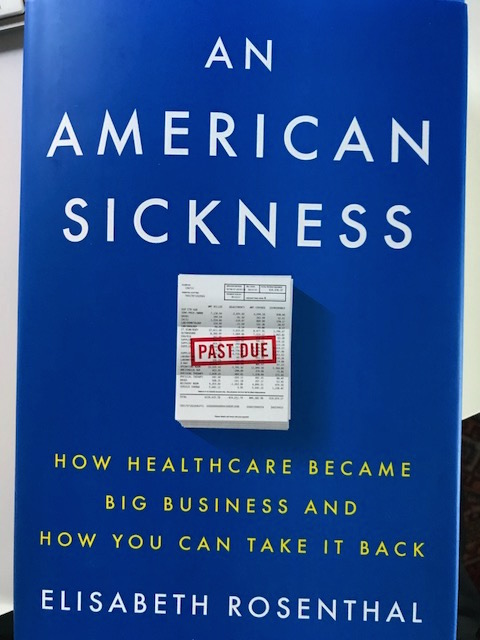
Thanks to Elisabeth Rosenthal, MD for the mention of the ABIM/ABIM Foundation controversy in her new book, An American Sickness: How Healthcare Became Big Business and How You Can Take It Back.

Sadly, the financial troubles and numerous financial conflicts of interest at the ABIM persist for reasons Dr. Rosenthal articulates well: it's a "testing Ponzi scheme."

-Wes

Monday, April 03, 2017

Attention Tennessee Physicians and Physicians Everywhere

Attention Tennessee physicians and beyond:
As you may be aware, the (anti-)Maintenance of Certification legislation (see House Bill HB 413) and Senate Bill (SB 298) is on the calendar on Tuesday at 1:30 p.m. in Senate Commerce and at 3:00 p.m. in House Health Subcommittee. This legislation is highly contested and being opposed by both hospitals and insurance companies. TMA is working hard to get this legislation passed, but they need your help!

We need you to come to the hearings on Tuesday to show legislators that PRACTICING physicians are firmly AGAINST making the unproven, time-consuming, and distracting ABMS Maintenance of Certification program a requirement to practice medicine in Tennessee. Having physicians in the hearings may mean the difference in what happens with this bill in the committees on Tuesday. As the bill is highly contested, the outcome is unknown. It may be amended and passed out, or it may be put off until next year. Without physicians in the hearings, they will not go well. The legislators need to see physicians present supporting this bill and following it closely.

When: Tuesday - Senate Commerce at 1:30pm in LP 12
House Health Subcommittee at 3:00pm in LP 30

If you have any questions about this or if you are able to attend, please let me know, and if you haven't already, please contact your representative and senator and let them know you support this bill. https://www.votervoice.net/TNMA/campaigns/50846/respond

Thank you for your help,

Nikki

Nikki Ringenberg, MPA
Senior Director of Membership and Grants
Nashville Academy of Medicine
3301 West End Ave, Ste 100
Nashville, TN 37203
615-712-6236 office
615-712-6247 fax

nringenberg@nashvillemedicine.org
www.nashvillemedicine.org
It is time to turn your gaze away from that computer screen and rise up!

Practicing physicians' right to work is being compromised by the inclusion of the ABMS MOC requirement in state legislatures across the country.

Physicians need to alert their colleagues in Tennessee and elsewhere about this effort to restrict the practice of medicine by the American Board of Medical Specialties and Federation of State Licensing Boards. Practicing physicians are not against continuing education, but against the corruption that the ABMS Maintenance of Certification program represents and it's anti-trust implications it has to the practice of medicine.

It is time to save the practice of medicine and physicians' ability to act autonomously on behalf of our patients without the threat of unnecessary corporate intrusions into health care delivery.

There is not much time for us to mobilize. Please spread the word.

-Wes

Addendum: Thanks to Meg Edison, MD for her letter to circulate: http://us10.campaign-archive2.com/?u=5a9a08b64c48d493e89cb8192&id=5fb2b96d5c